
 https://maritimeindia.org/wp-content/uploads/2026/08/THAKUR-Aditi-July-26-del-image.png
1024
1536
admin
https://maritimeindia.org/wp-content/uploads/2020/01/sm-logo.png
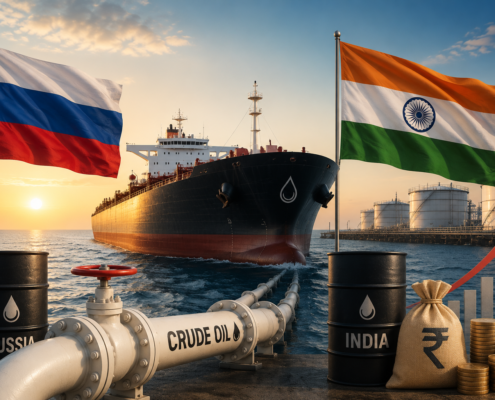
admin2026-08-10 07:20:162026-08-11 13:04:09THE COST OF DIVERSIFICATION — INDIA’S SHIFT TOWARDS RUSSIAN CRUDE OIL
https://maritimeindia.org/wp-content/uploads/2026/08/THAKUR-Aditi-July-26-del-image.png
1024
1536
admin
https://maritimeindia.org/wp-content/uploads/2020/01/sm-logo.png
admin2026-08-10 07:20:162026-08-11 13:04:09THE COST OF DIVERSIFICATION — INDIA’S SHIFT TOWARDS RUSSIAN CRUDE OIL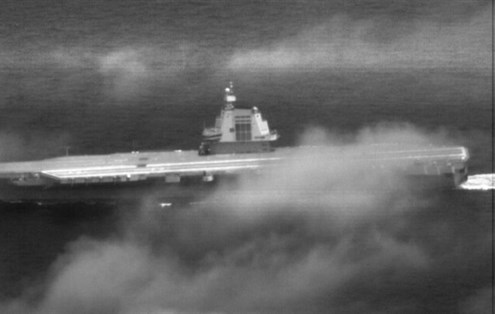 https://maritimeindia.org/wp-content/uploads/2026/08/RIGZEN-Chemi-Jul-26-del-Image.png
314
800
admin
https://maritimeindia.org/wp-content/uploads/2020/01/sm-logo.png
admin2026-08-09 11:43:552026-08-13 07:25:44THE FUJIAN INFLECTION POINT
https://maritimeindia.org/wp-content/uploads/2026/08/RIGZEN-Chemi-Jul-26-del-Image.png
314
800
admin
https://maritimeindia.org/wp-content/uploads/2020/01/sm-logo.png
admin2026-08-09 11:43:552026-08-13 07:25:44THE FUJIAN INFLECTION POINT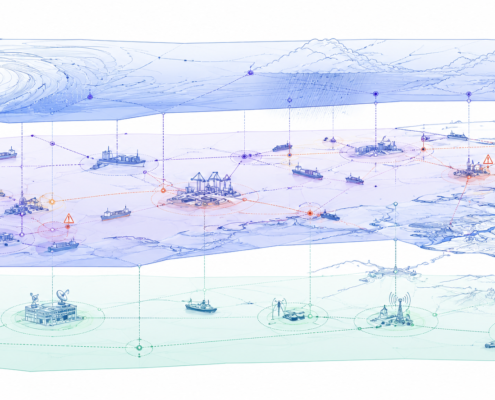 https://maritimeindia.org/wp-content/uploads/2026/08/AHMAD-Tariq-Jun-26-del-Image.png
887
1774
admin
https://maritimeindia.org/wp-content/uploads/2020/01/sm-logo.png
admin2026-08-09 08:17:092026-08-12 06:35:05OPERATIONALISING RISK ASSESSMENT FOR COMPLEX MARITIME SYSTEMS — A FUNCTION-ORIENTED ‘SYSTEM OF SYSTEMS’ FRAMEWORK
https://maritimeindia.org/wp-content/uploads/2026/08/AHMAD-Tariq-Jun-26-del-Image.png
887
1774
admin
https://maritimeindia.org/wp-content/uploads/2020/01/sm-logo.png
admin2026-08-09 08:17:092026-08-12 06:35:05OPERATIONALISING RISK ASSESSMENT FOR COMPLEX MARITIME SYSTEMS — A FUNCTION-ORIENTED ‘SYSTEM OF SYSTEMS’ FRAMEWORK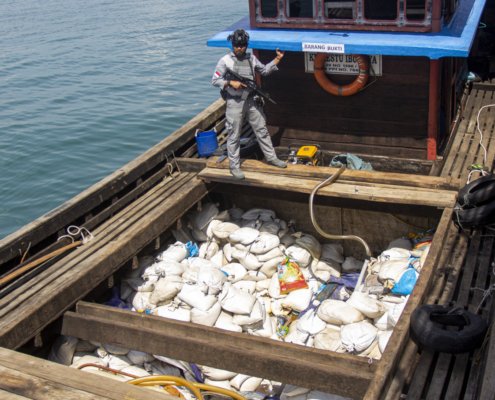 https://maritimeindia.org/wp-content/uploads/2026/08/John-V-Jul-26-del-image.jpg
907
1360
admin
https://maritimeindia.org/wp-content/uploads/2020/01/sm-logo.png
admin2026-08-08 07:47:262026-08-09 07:53:01DECIPHERING THE NEXUS BETWEEN IUU FISHING AND TRANSNATIONAL MARITIME CRIME IN THE INDO-PACIFIC
https://maritimeindia.org/wp-content/uploads/2026/08/John-V-Jul-26-del-image.jpg
907
1360
admin
https://maritimeindia.org/wp-content/uploads/2020/01/sm-logo.png
admin2026-08-08 07:47:262026-08-09 07:53:01DECIPHERING THE NEXUS BETWEEN IUU FISHING AND TRANSNATIONAL MARITIME CRIME IN THE INDO-PACIFIC 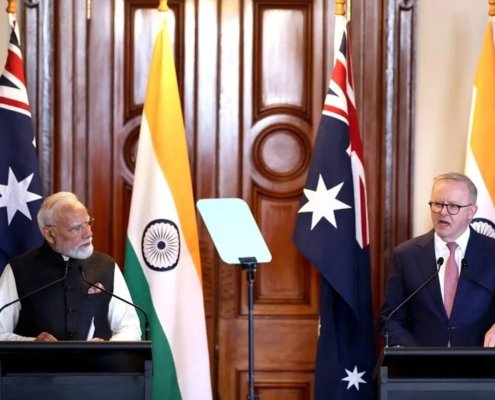 https://maritimeindia.org/wp-content/uploads/2026/08/Kripa-Anand-Jul-26-image.jpeg
999
1500
admin
https://maritimeindia.org/wp-content/uploads/2020/01/sm-logo.png
admin2026-08-06 23:20:312026-08-07 22:43:13INDIA–AUSTRALIA MARITIME COOPERATION 2026 — FROM STRATEGIC CONVERGENCE TO OPERATIONAL COOPERATION (THE MODI EFFECT)
https://maritimeindia.org/wp-content/uploads/2026/08/Kripa-Anand-Jul-26-image.jpeg
999
1500
admin
https://maritimeindia.org/wp-content/uploads/2020/01/sm-logo.png
admin2026-08-06 23:20:312026-08-07 22:43:13INDIA–AUSTRALIA MARITIME COOPERATION 2026 — FROM STRATEGIC CONVERGENCE TO OPERATIONAL COOPERATION (THE MODI EFFECT) https://maritimeindia.org/wp-content/uploads/2026/07/RIGZIN-Chemi-June-26-del-Image.png
941
1672
admin
https://maritimeindia.org/wp-content/uploads/2020/01/sm-logo.png
admin2026-07-27 14:39:482026-07-27 14:41:29THE MARITIME LOGIC FOR SEMICONDUCTOR RESILIENCE
https://maritimeindia.org/wp-content/uploads/2026/07/RIGZIN-Chemi-June-26-del-Image.png
941
1672
admin
https://maritimeindia.org/wp-content/uploads/2020/01/sm-logo.png
admin2026-07-27 14:39:482026-07-27 14:41:29THE MARITIME LOGIC FOR SEMICONDUCTOR RESILIENCE https://maritimeindia.org/wp-content/uploads/2026/07/DIXIT_PALAVALSA-Jun-26-del-Image.jpg
788
1600
admin
https://maritimeindia.org/wp-content/uploads/2020/01/sm-logo.png
admin2026-07-27 09:17:172026-07-27 09:18:23PATHWAYS FOR INDIA–SPAIN COLLABORATION ON UNDERWATER CULTURAL HERITAGE
https://maritimeindia.org/wp-content/uploads/2026/07/DIXIT_PALAVALSA-Jun-26-del-Image.jpg
788
1600
admin
https://maritimeindia.org/wp-content/uploads/2020/01/sm-logo.png
admin2026-07-27 09:17:172026-07-27 09:18:23PATHWAYS FOR INDIA–SPAIN COLLABORATION ON UNDERWATER CULTURAL HERITAGE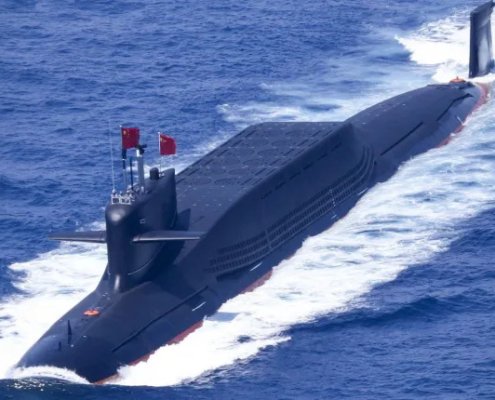 https://maritimeindia.org/wp-content/uploads/2026/07/John-V-Jun-26-del-Image.jpg
430
750
admin
https://maritimeindia.org/wp-content/uploads/2020/01/sm-logo.png
admin2026-07-26 12:07:332026-07-27 11:23:55CHINA’S NUCLEAR CLOCK AMBITIONS AND THE FUTURE OF MARITIME SECURITY IN THE INDO-PACIFIC — AN INDIAN PERSPECTIVE
https://maritimeindia.org/wp-content/uploads/2026/07/John-V-Jun-26-del-Image.jpg
430
750
admin
https://maritimeindia.org/wp-content/uploads/2020/01/sm-logo.png
admin2026-07-26 12:07:332026-07-27 11:23:55CHINA’S NUCLEAR CLOCK AMBITIONS AND THE FUTURE OF MARITIME SECURITY IN THE INDO-PACIFIC — AN INDIAN PERSPECTIVE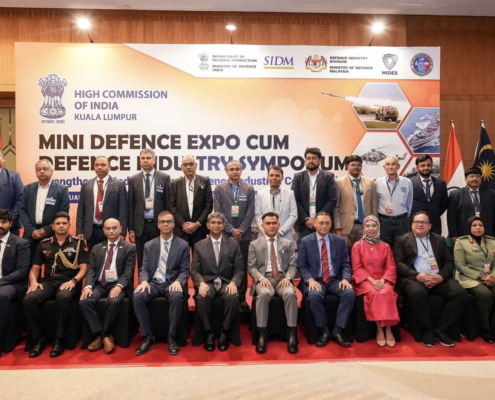 https://maritimeindia.org/wp-content/uploads/2026/07/SIHWAG-Sushmita-May-2026-Del-Image.png
1279
2212
admin
https://maritimeindia.org/wp-content/uploads/2020/01/sm-logo.png
admin2026-07-26 09:21:212026-07-26 09:23:57MALAYSIA’S EVOLVING DEFENCE INDUSTRIAL ECOSYSTEM AND OPPORTUNITIES ARISING FOR INDIA
https://maritimeindia.org/wp-content/uploads/2026/07/SIHWAG-Sushmita-May-2026-Del-Image.png
1279
2212
admin
https://maritimeindia.org/wp-content/uploads/2020/01/sm-logo.png
admin2026-07-26 09:21:212026-07-26 09:23:57MALAYSIA’S EVOLVING DEFENCE INDUSTRIAL ECOSYSTEM AND OPPORTUNITIES ARISING FOR INDIA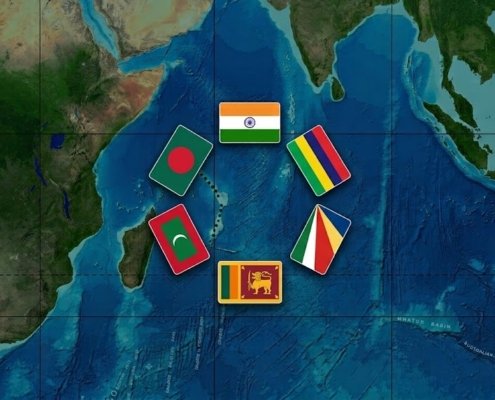 https://maritimeindia.org/wp-content/uploads/2026/07/GUSAIN-Junyali-Jun-26-Del-Image.jpeg
572
1024
admin
https://maritimeindia.org/wp-content/uploads/2020/01/sm-logo.png
admin2026-07-26 09:12:292026-07-26 09:12:29INDIA AND THE COLOMBO SECURITY CONCLAVE — STRENGTHENING SUB-REGIONAL MARITIME SECURITY
https://maritimeindia.org/wp-content/uploads/2026/07/GUSAIN-Junyali-Jun-26-Del-Image.jpeg
572
1024
admin
https://maritimeindia.org/wp-content/uploads/2020/01/sm-logo.png
admin2026-07-26 09:12:292026-07-26 09:12:29INDIA AND THE COLOMBO SECURITY CONCLAVE — STRENGTHENING SUB-REGIONAL MARITIME SECURITY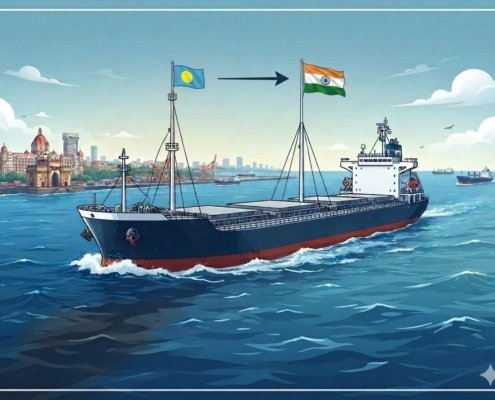 https://maritimeindia.org/wp-content/uploads/2026/07/MISHRA-Mayank-June-2026-del-Image.jpg
896
1200
admin
https://maritimeindia.org/wp-content/uploads/2020/01/sm-logo.png
admin2026-07-25 09:12:302026-07-25 09:12:30LESSONS FROM THE PERSIAN GULF CONFLICT — LEGAL OPTIONS FOR REFLAGGING MERCHANT SHIPS OWNED BY INDIAN CITIZENS
https://maritimeindia.org/wp-content/uploads/2026/07/MISHRA-Mayank-June-2026-del-Image.jpg
896
1200
admin
https://maritimeindia.org/wp-content/uploads/2020/01/sm-logo.png
admin2026-07-25 09:12:302026-07-25 09:12:30LESSONS FROM THE PERSIAN GULF CONFLICT — LEGAL OPTIONS FOR REFLAGGING MERCHANT SHIPS OWNED BY INDIAN CITIZENS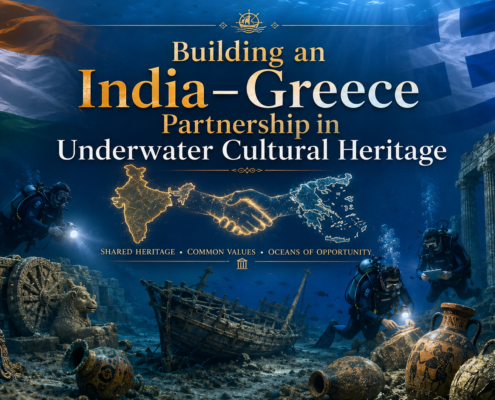 https://maritimeindia.org/wp-content/uploads/2026/07/Image-24.1.png
941
1672
admin
https://maritimeindia.org/wp-content/uploads/2020/01/sm-logo.png
admin2026-07-24 09:59:262026-07-24 11:03:54BUILDING AN INDIA–GREECE PARTNERSHIP IN UNDERWATER CULTURAL HERITAGE
https://maritimeindia.org/wp-content/uploads/2026/07/Image-24.1.png
941
1672
admin
https://maritimeindia.org/wp-content/uploads/2020/01/sm-logo.png
admin2026-07-24 09:59:262026-07-24 11:03:54BUILDING AN INDIA–GREECE PARTNERSHIP IN UNDERWATER CULTURAL HERITAGE