
Collaborative solutions to legal challenges at sea.
The inaugural NMF–KAS International Seminar on
Public International Maritime Law (PIML)
was held on 18 and 19 September 2025 under the theme:
“Collaborative Solutions to Legal Challenges
of Public International Maritime Law (PIML)
in the Indo-Pacific”.
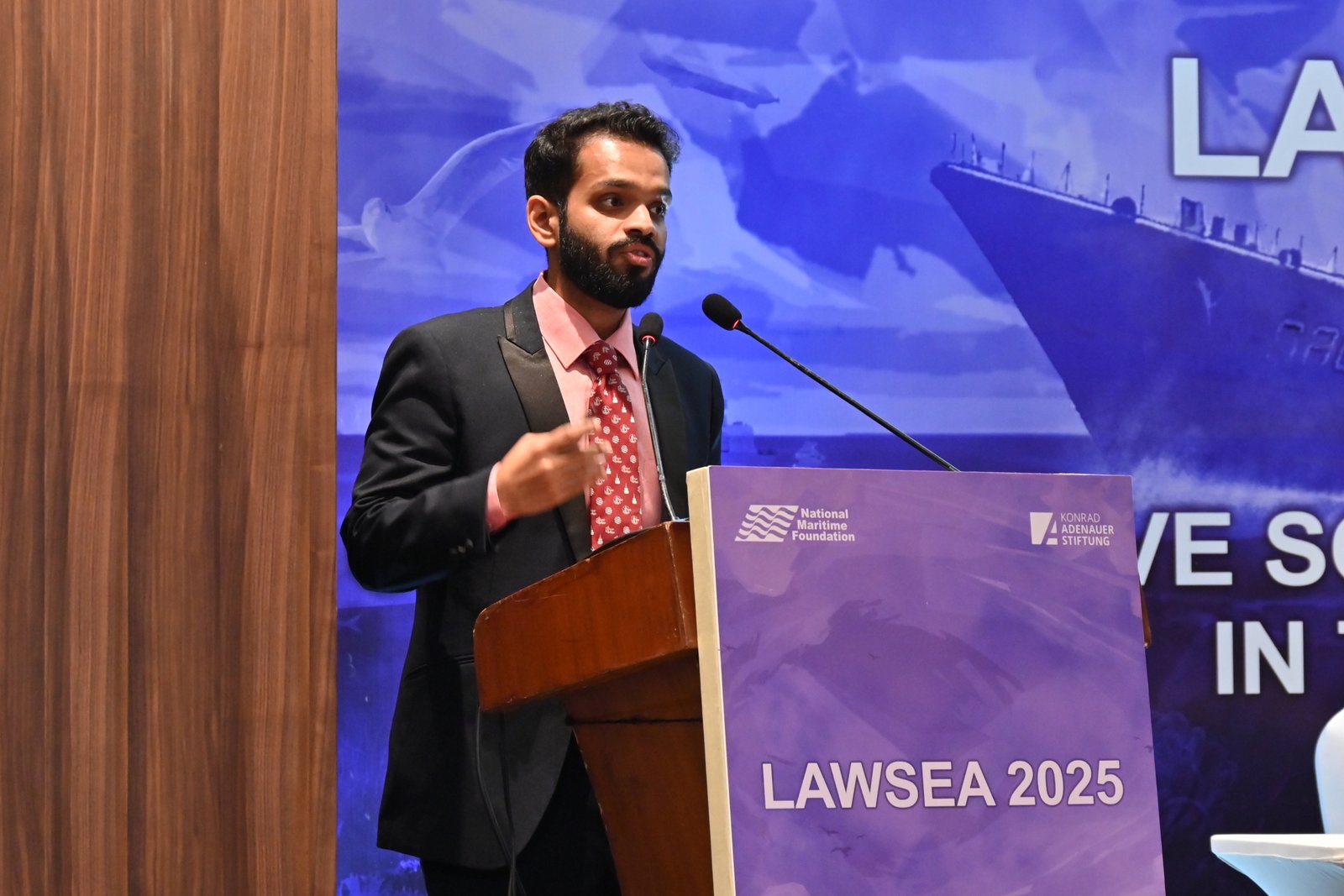
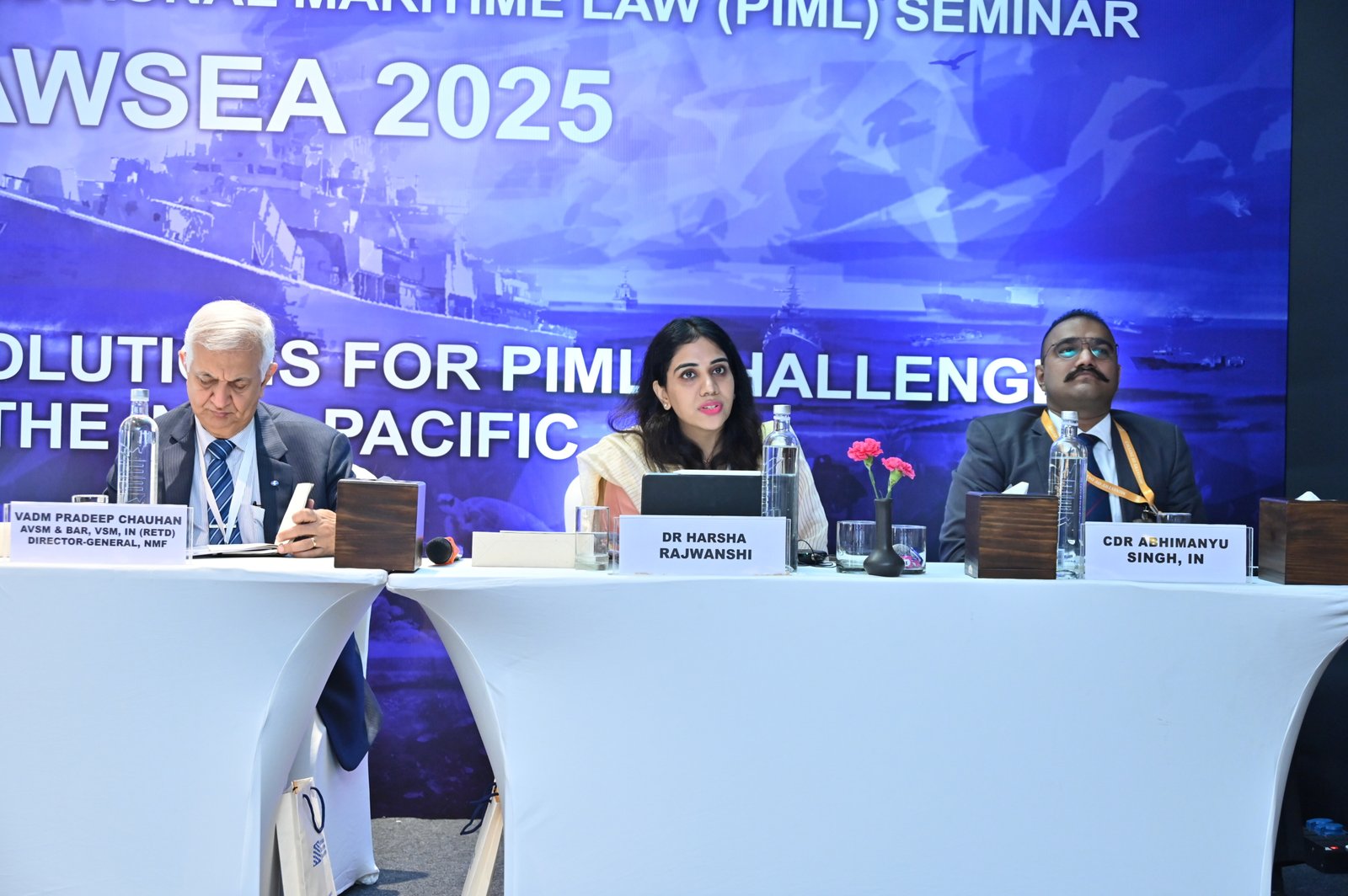
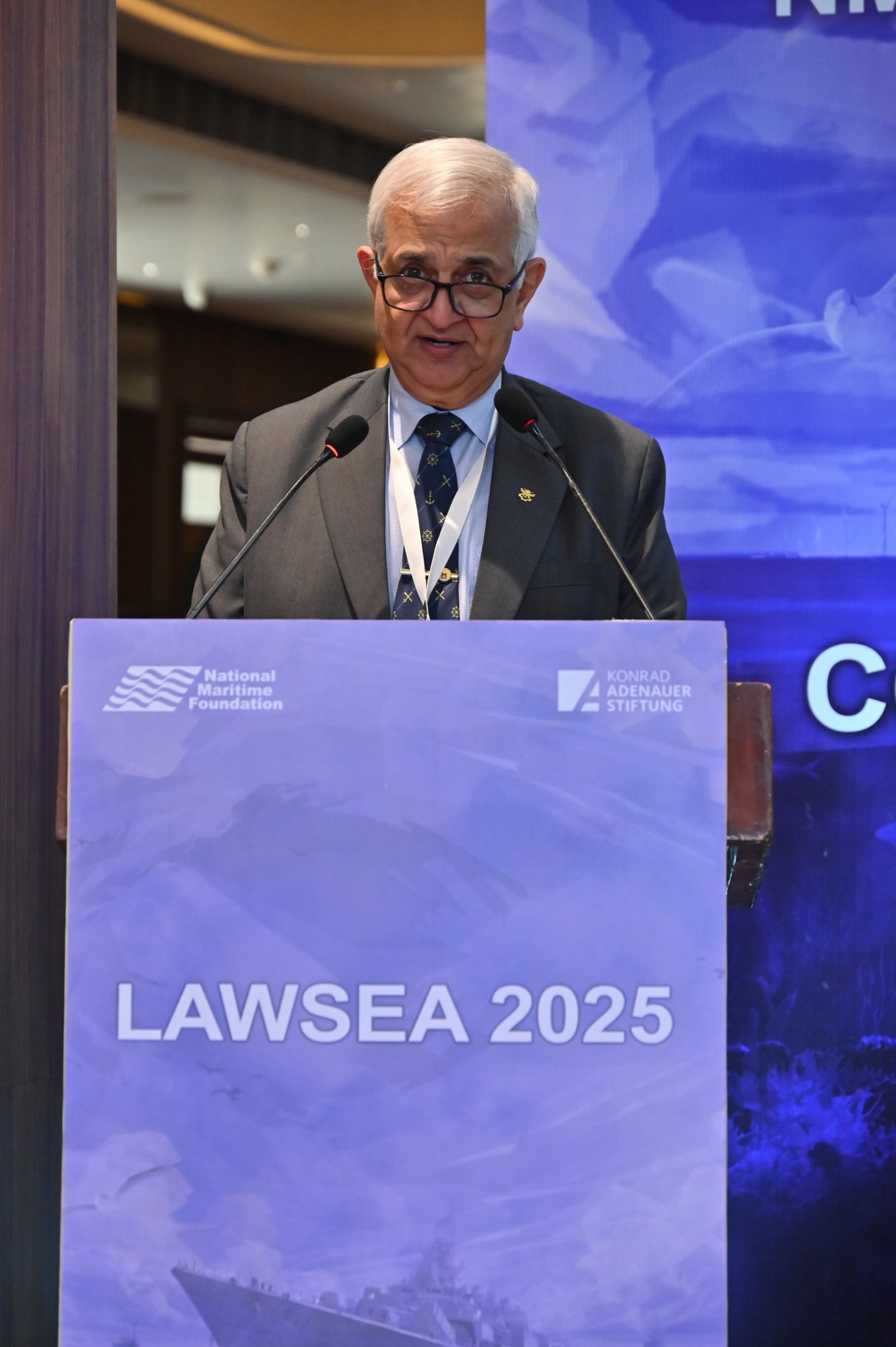
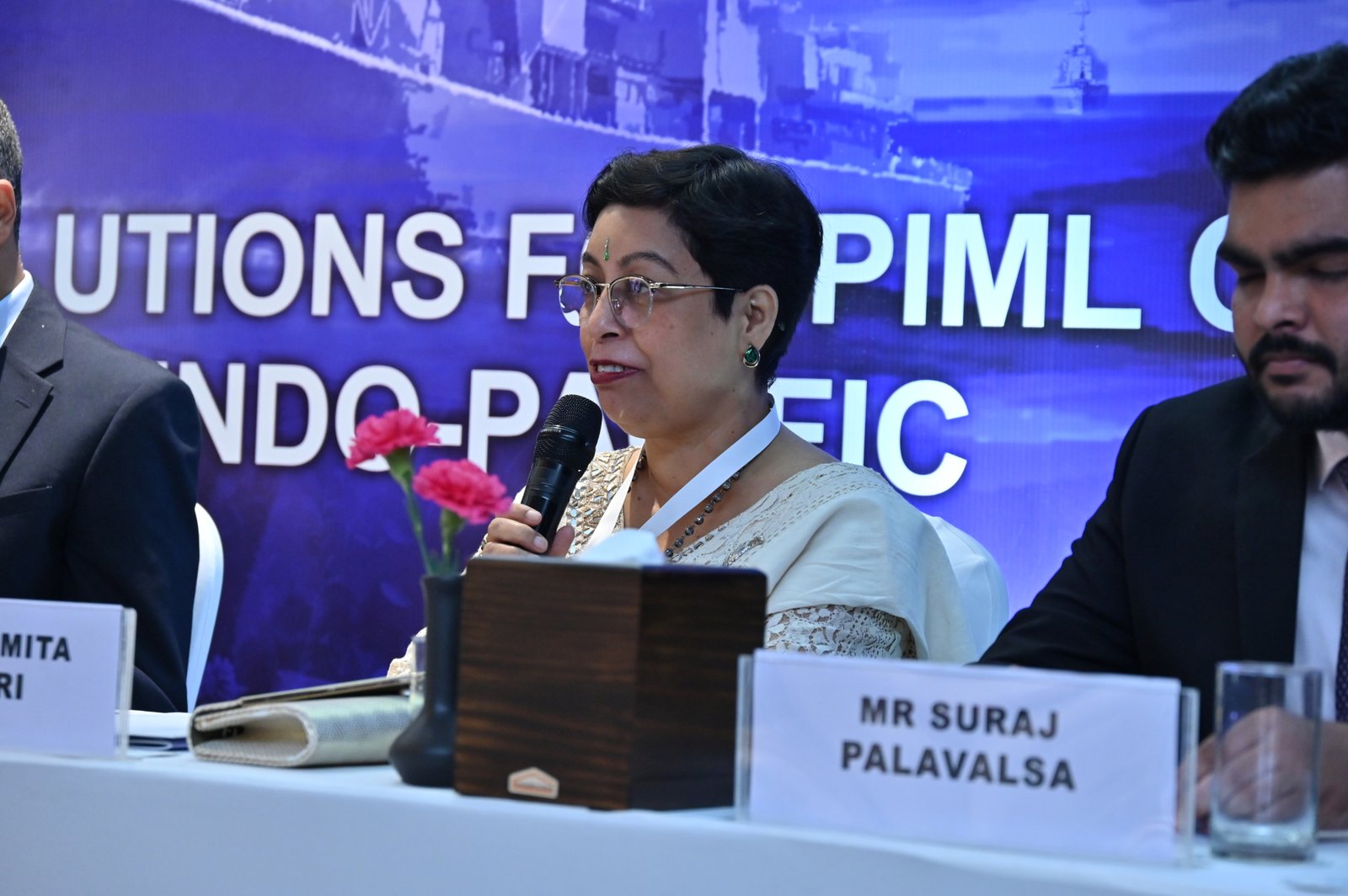
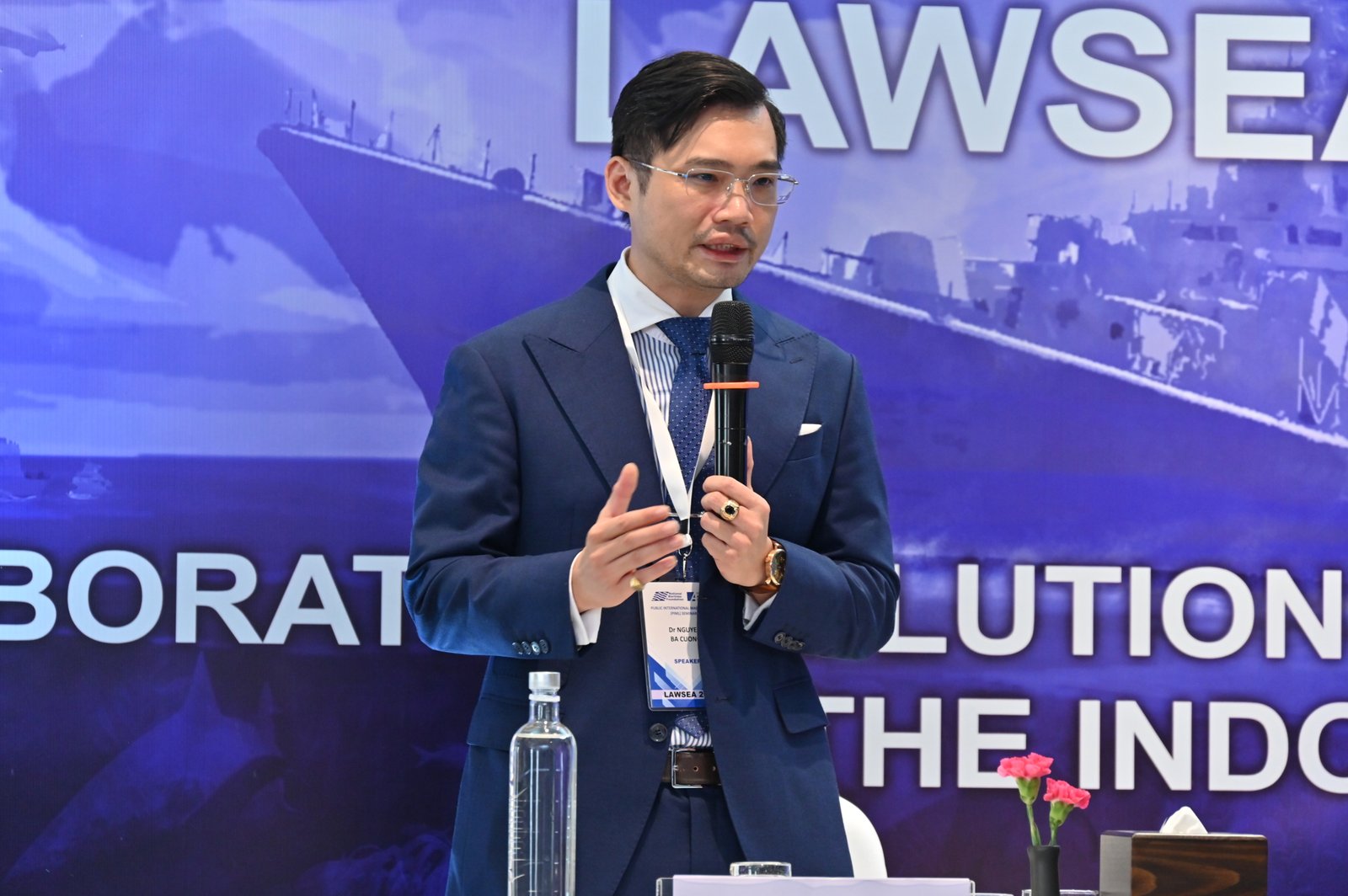
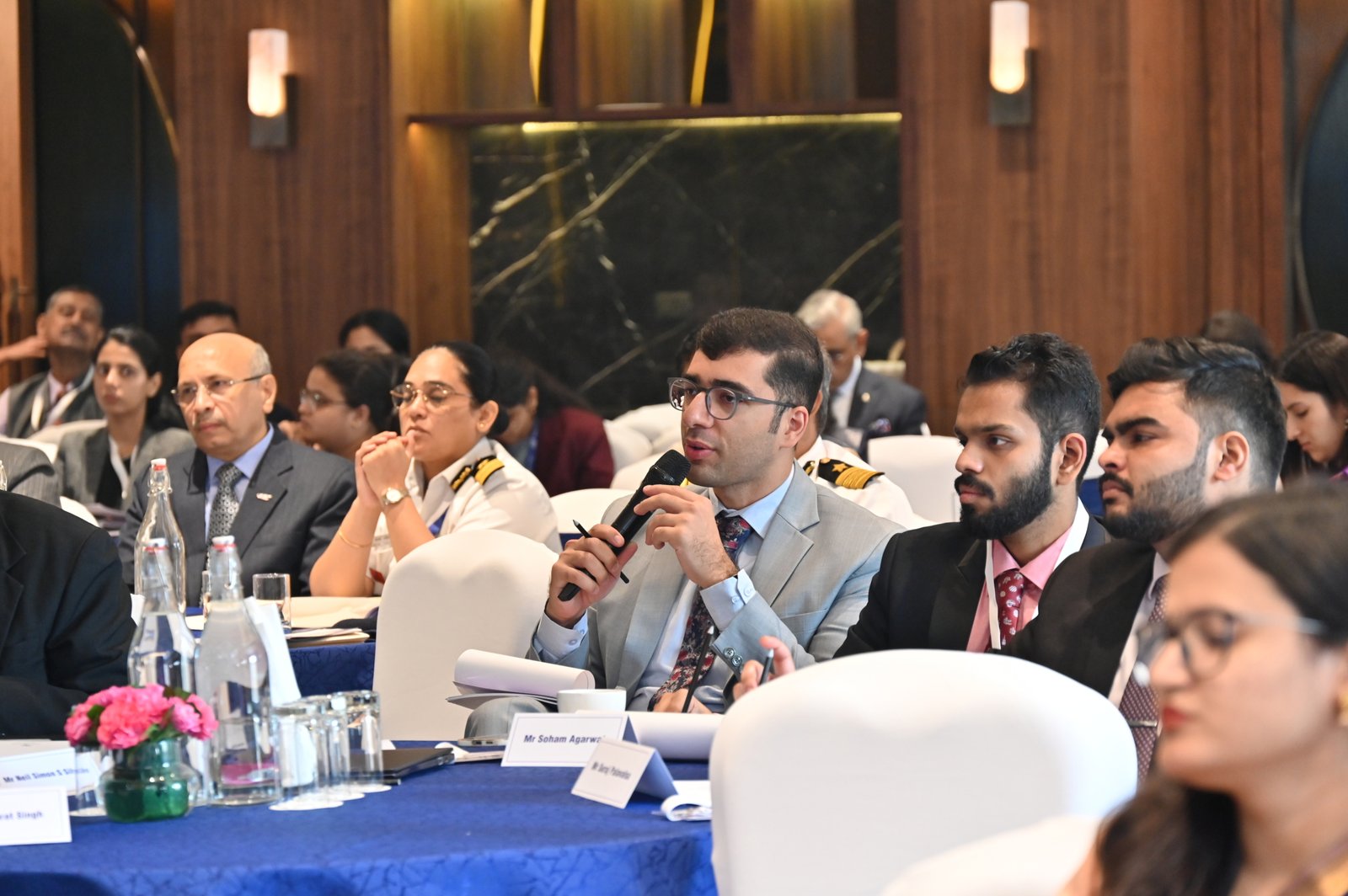
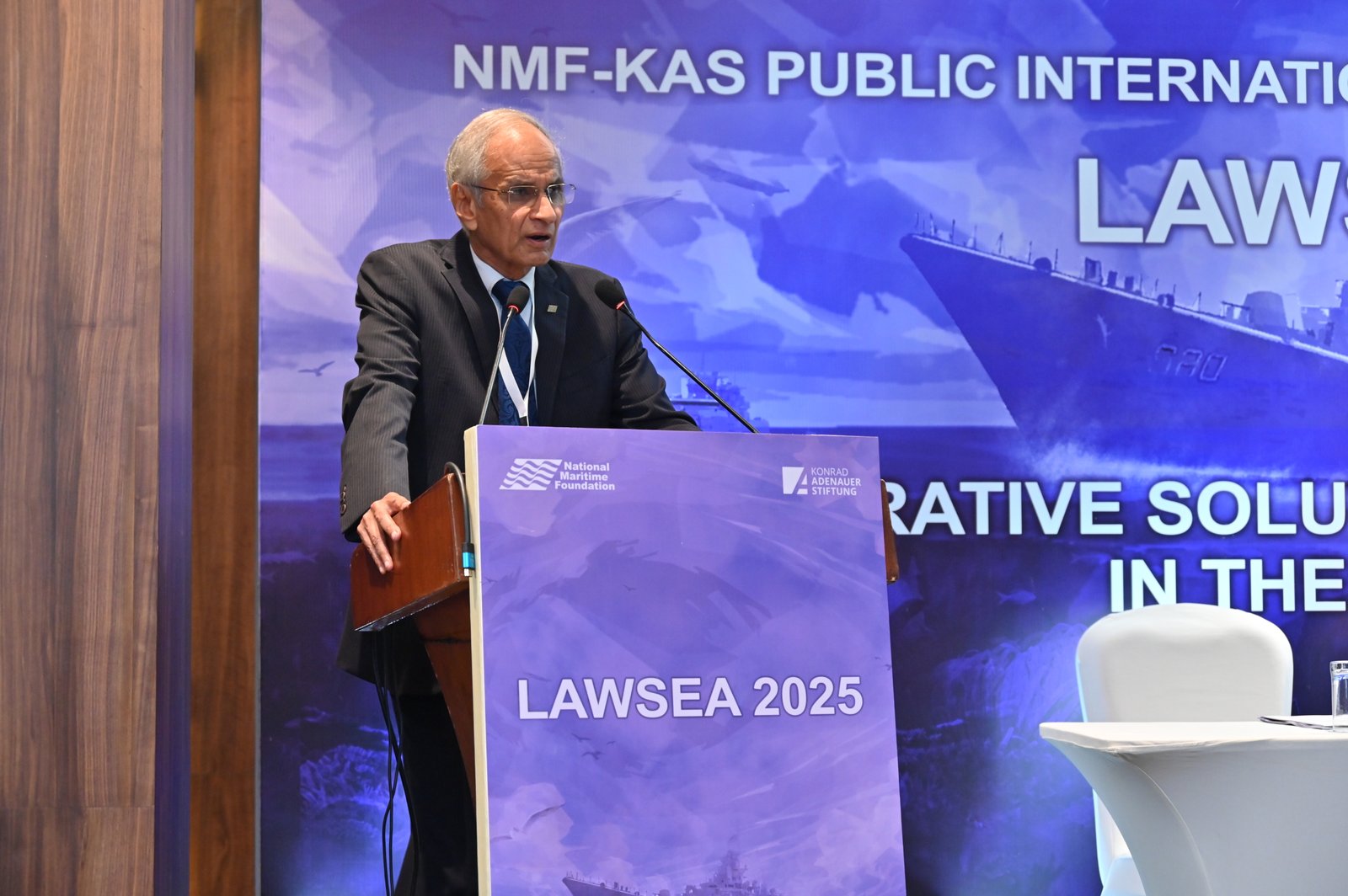
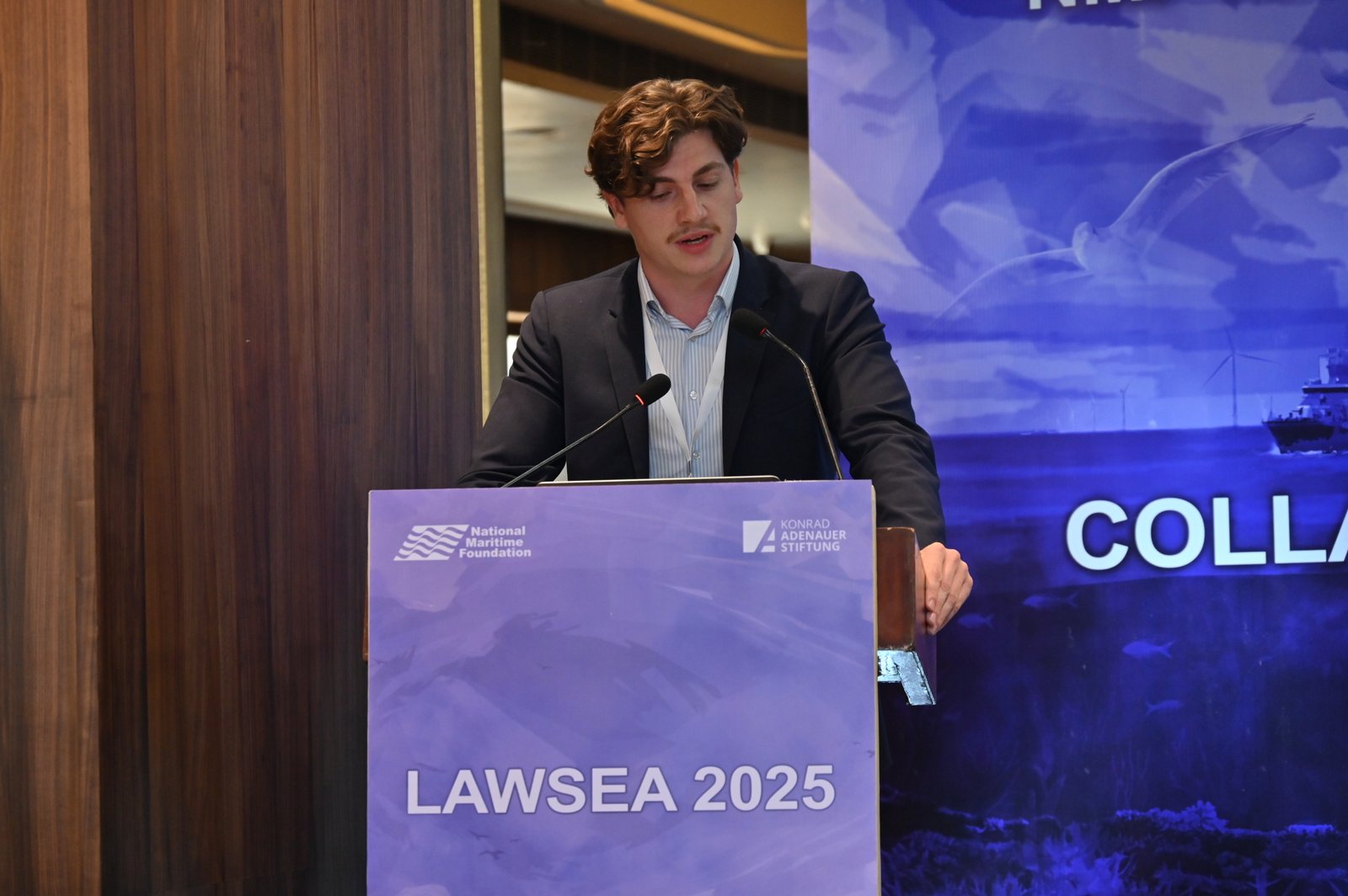
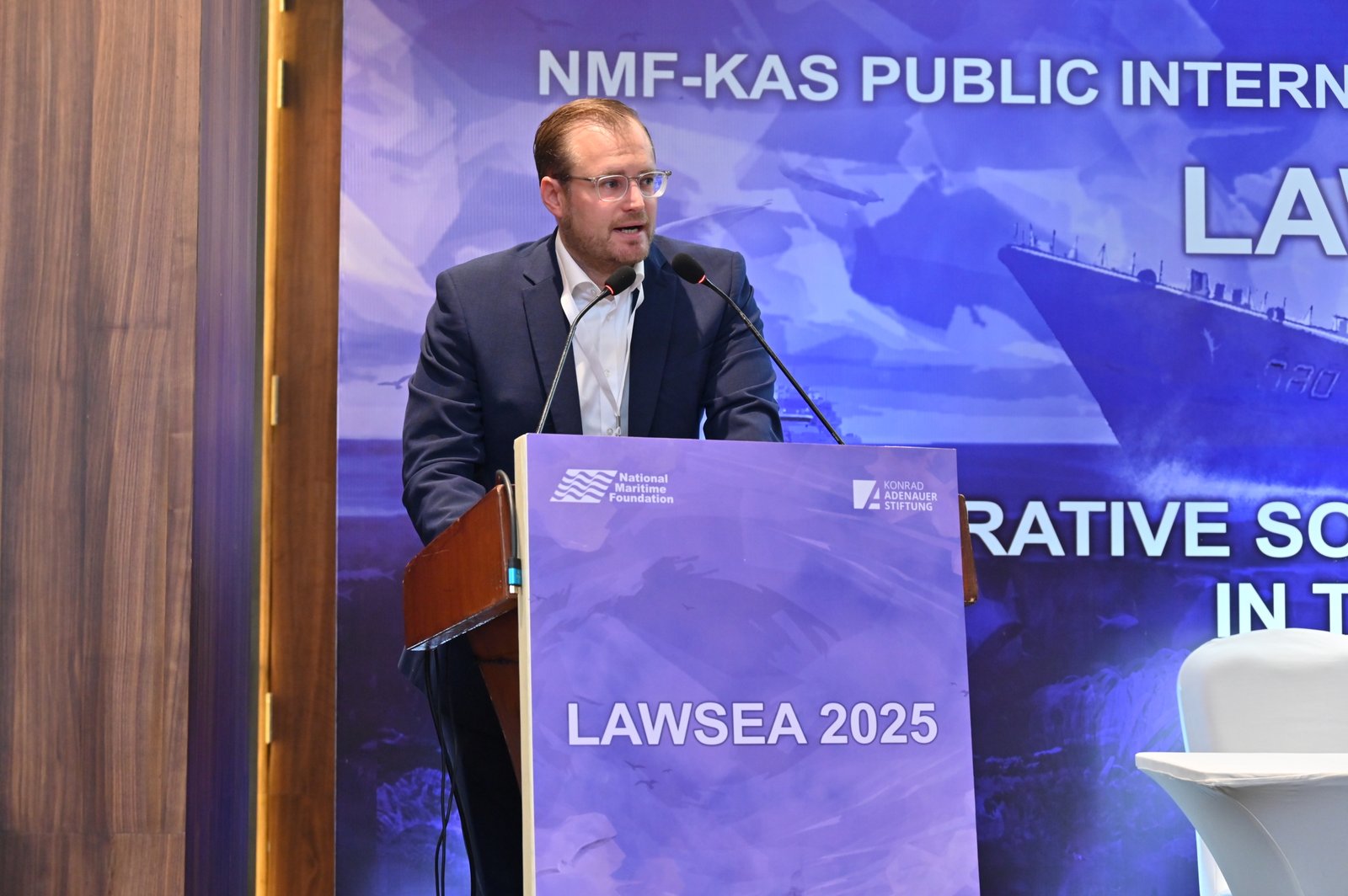
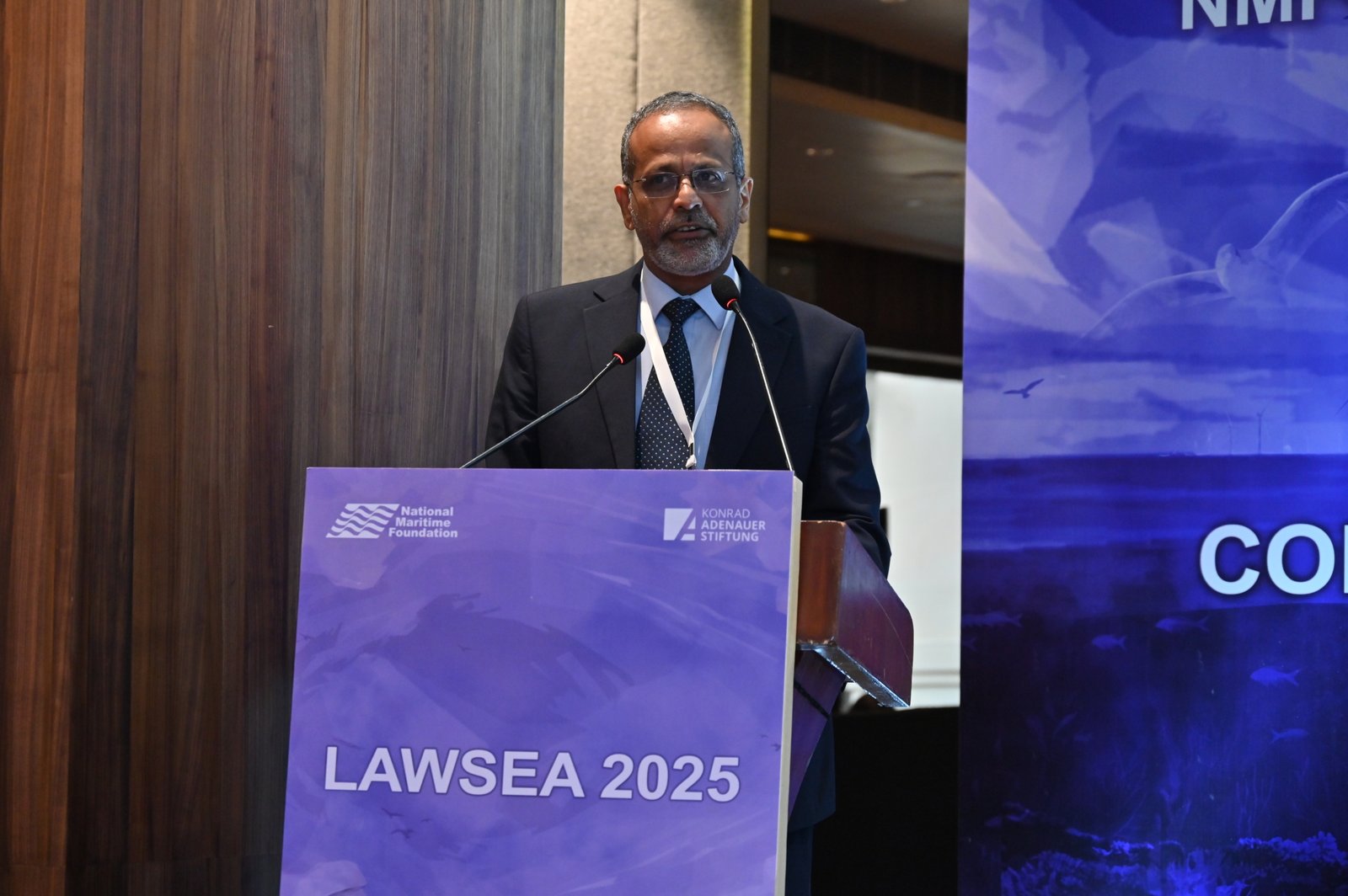
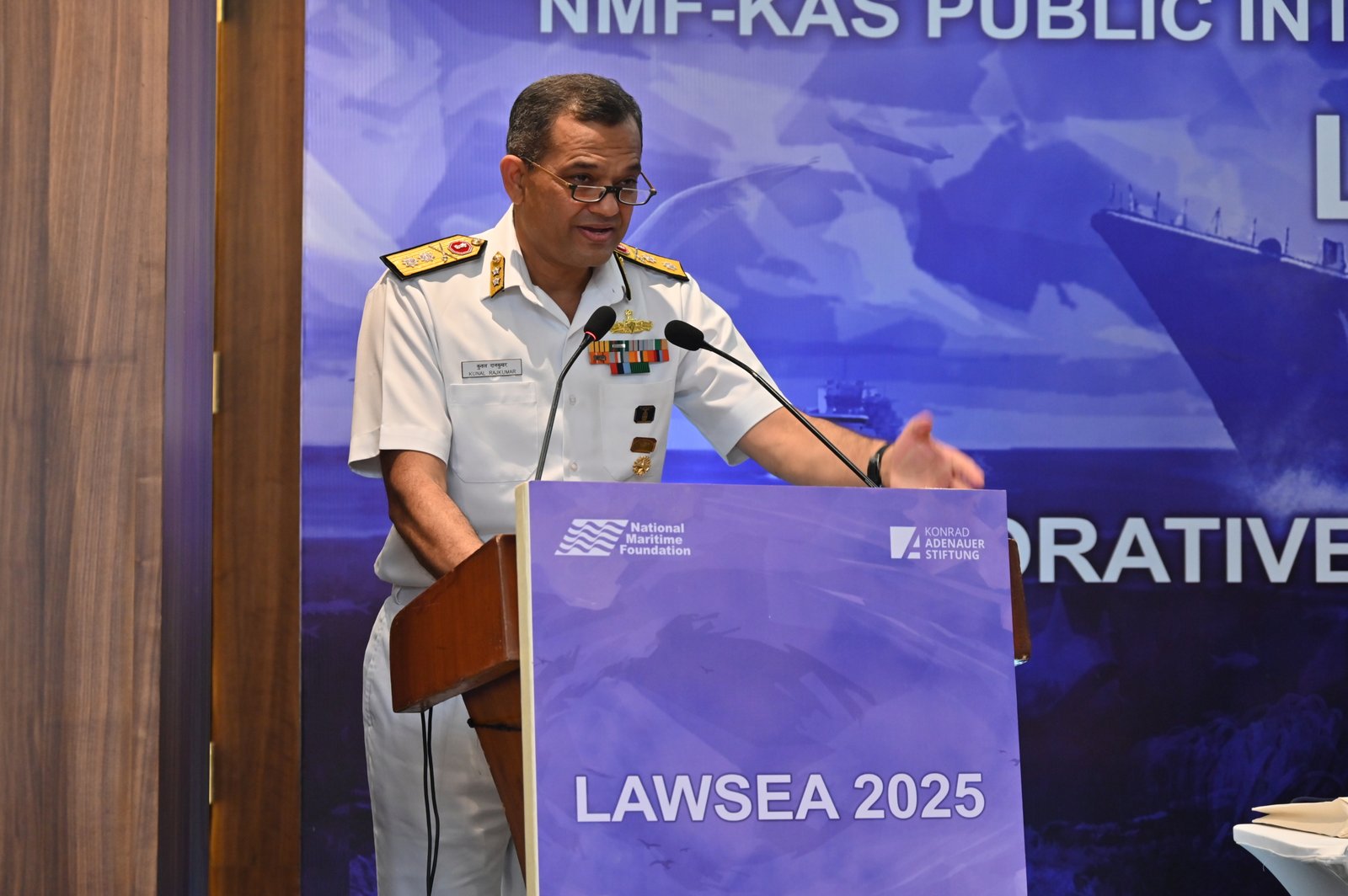
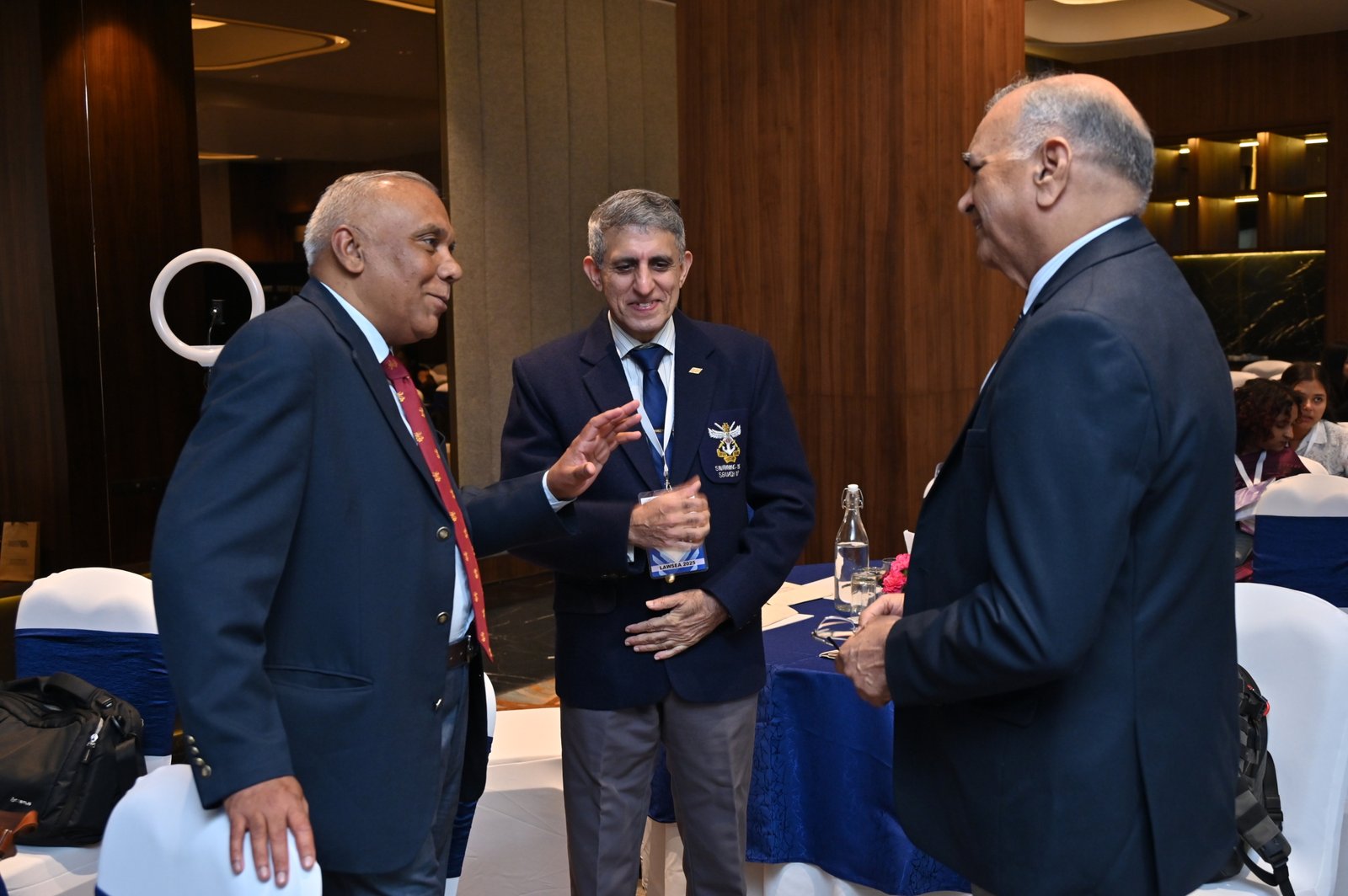
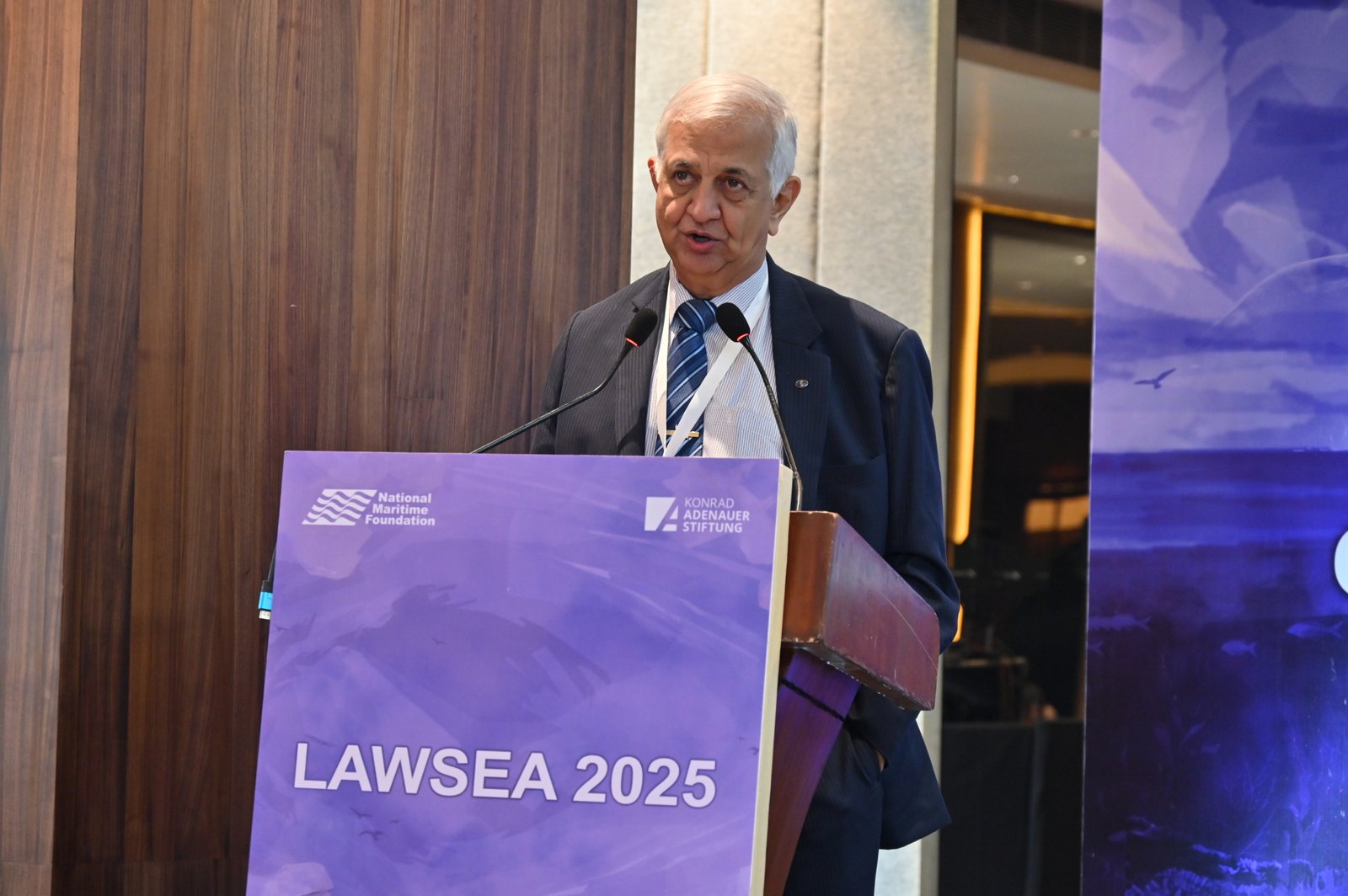
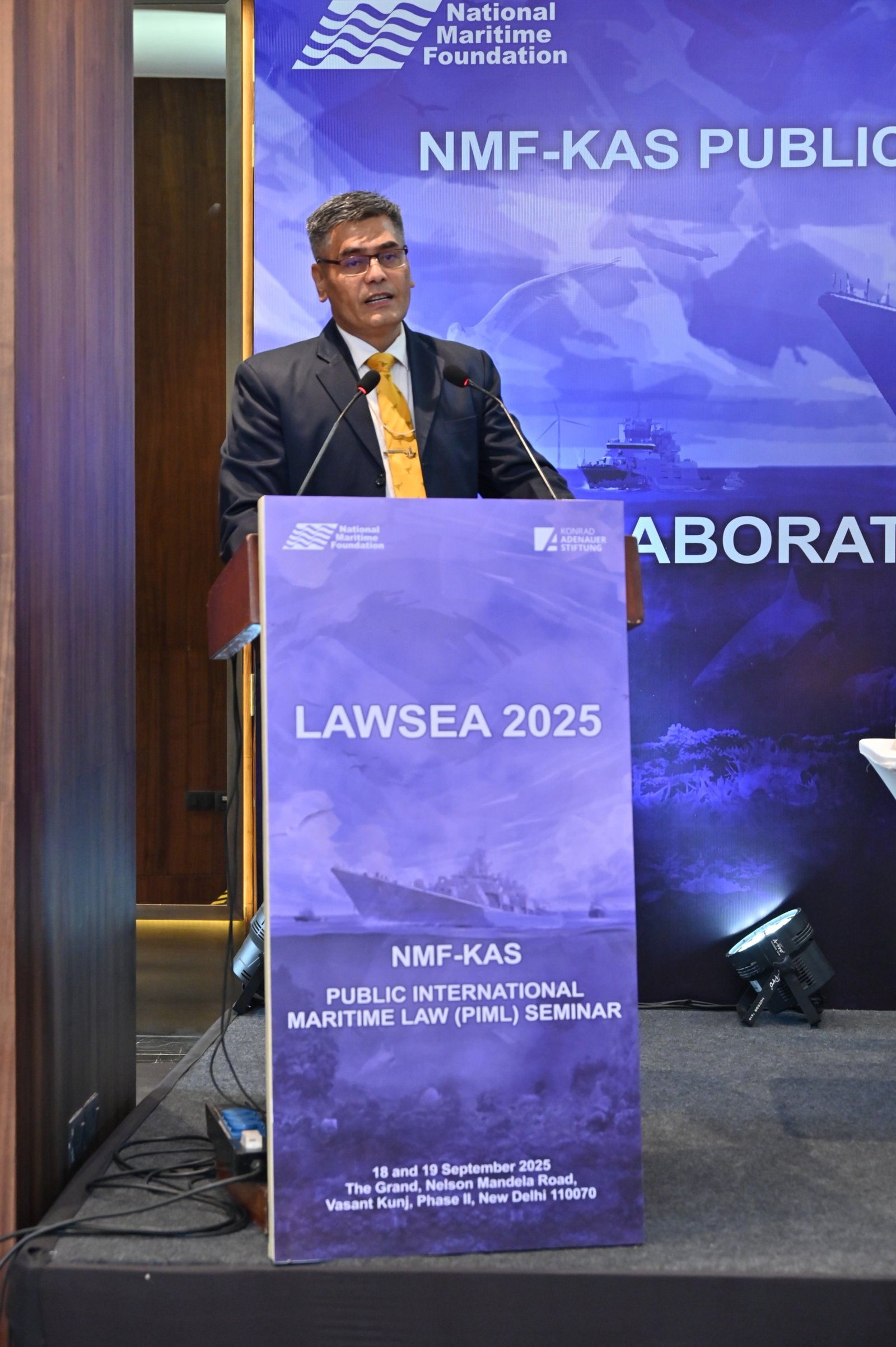
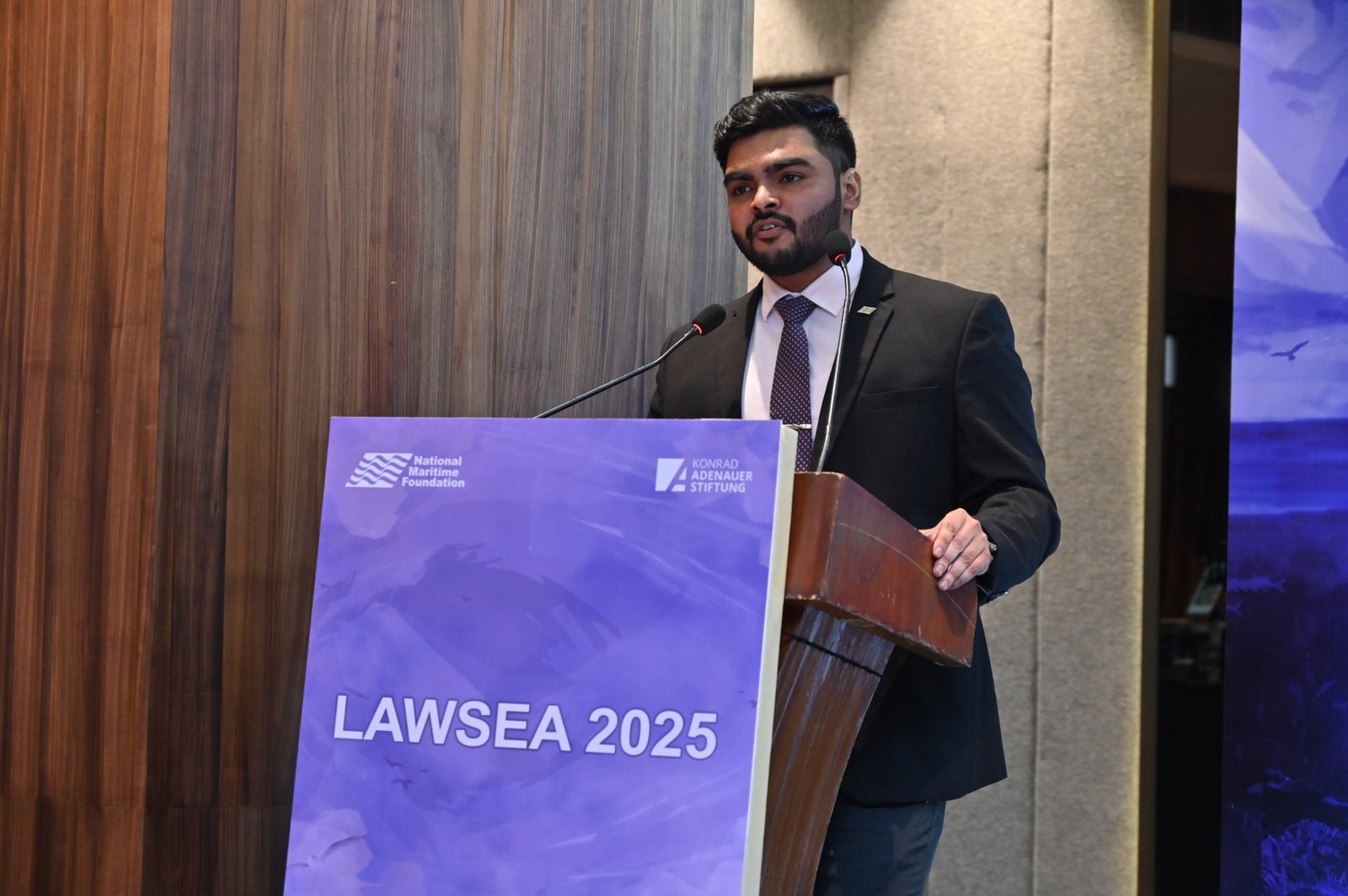
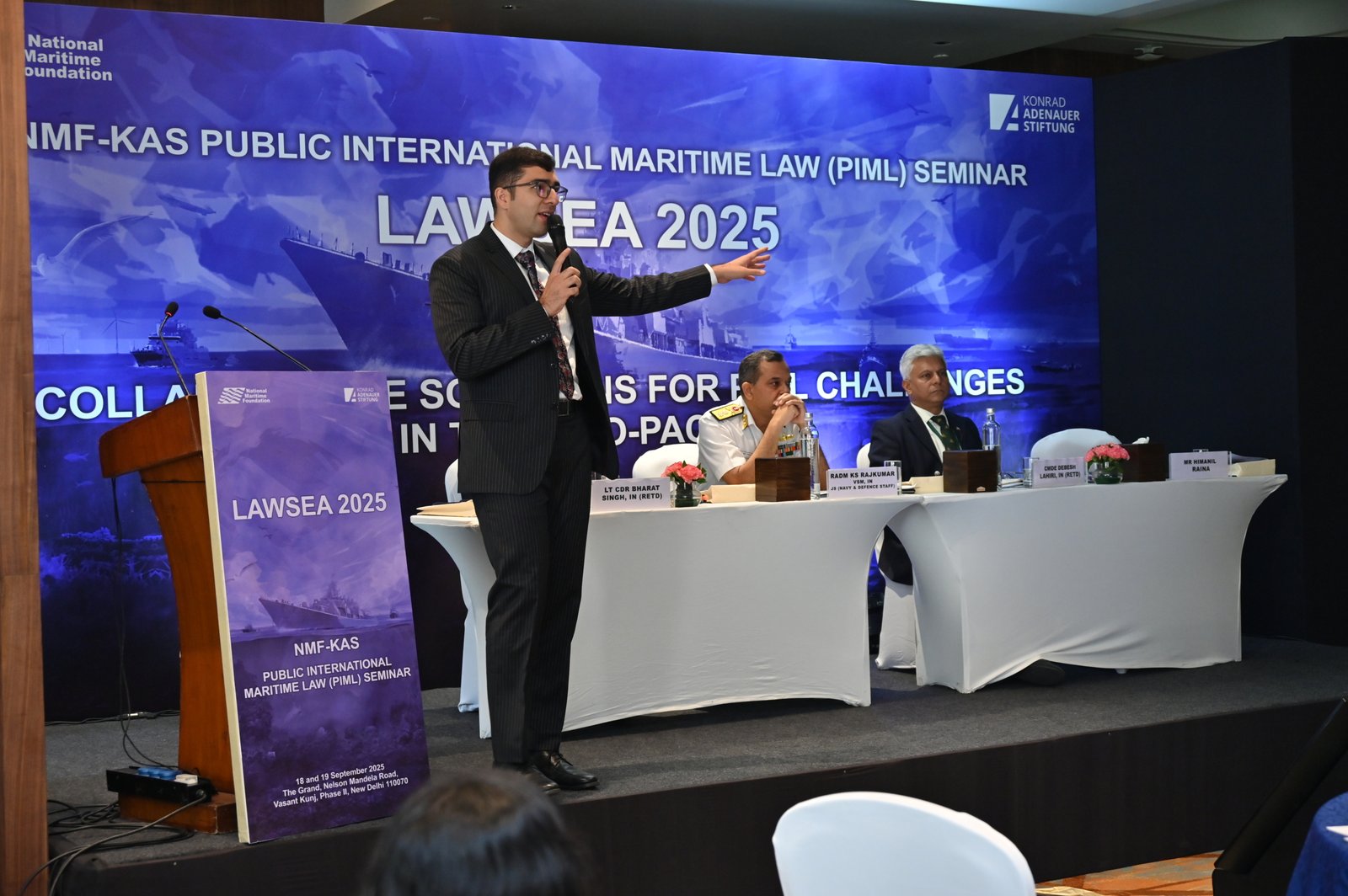
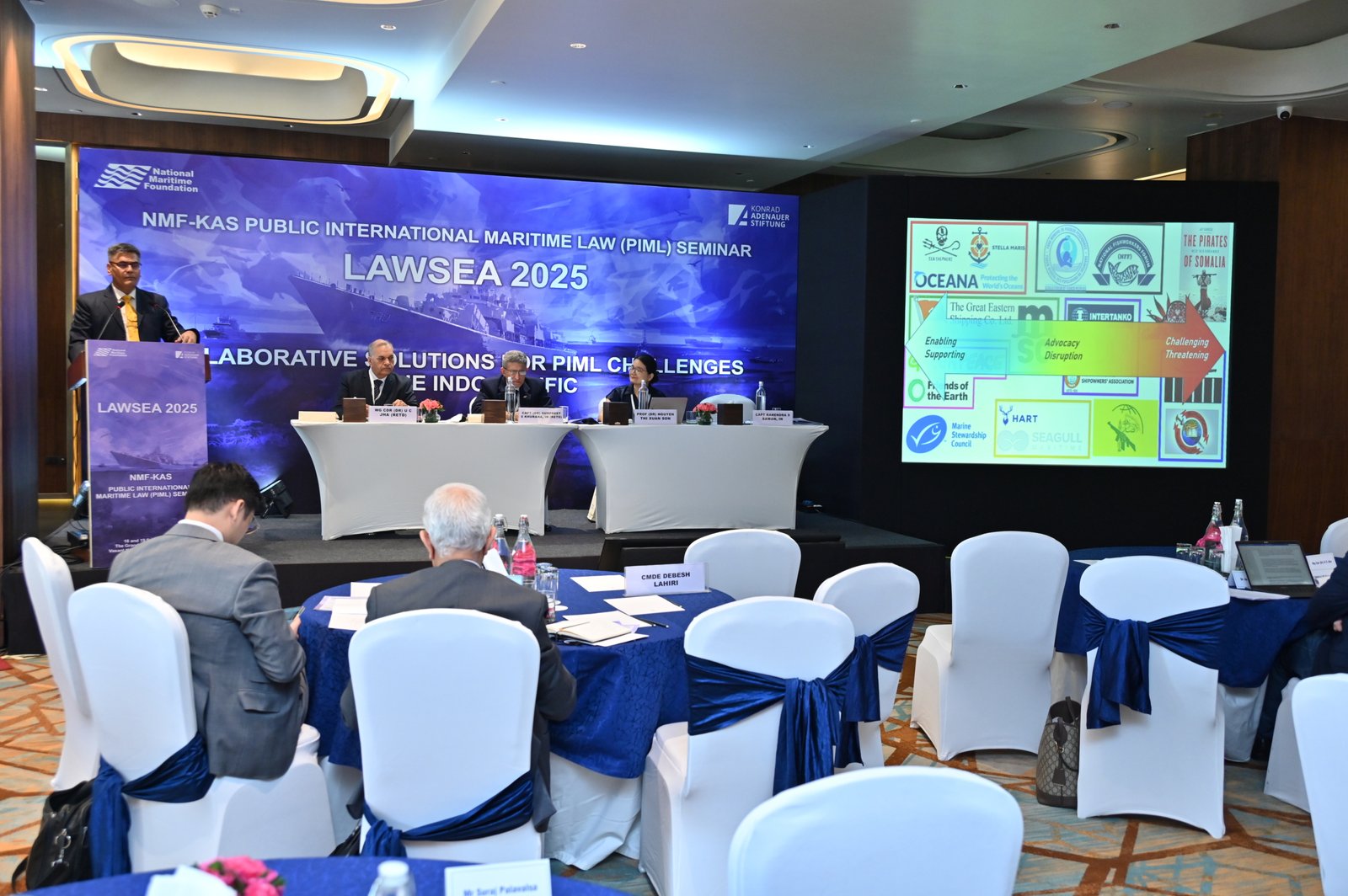
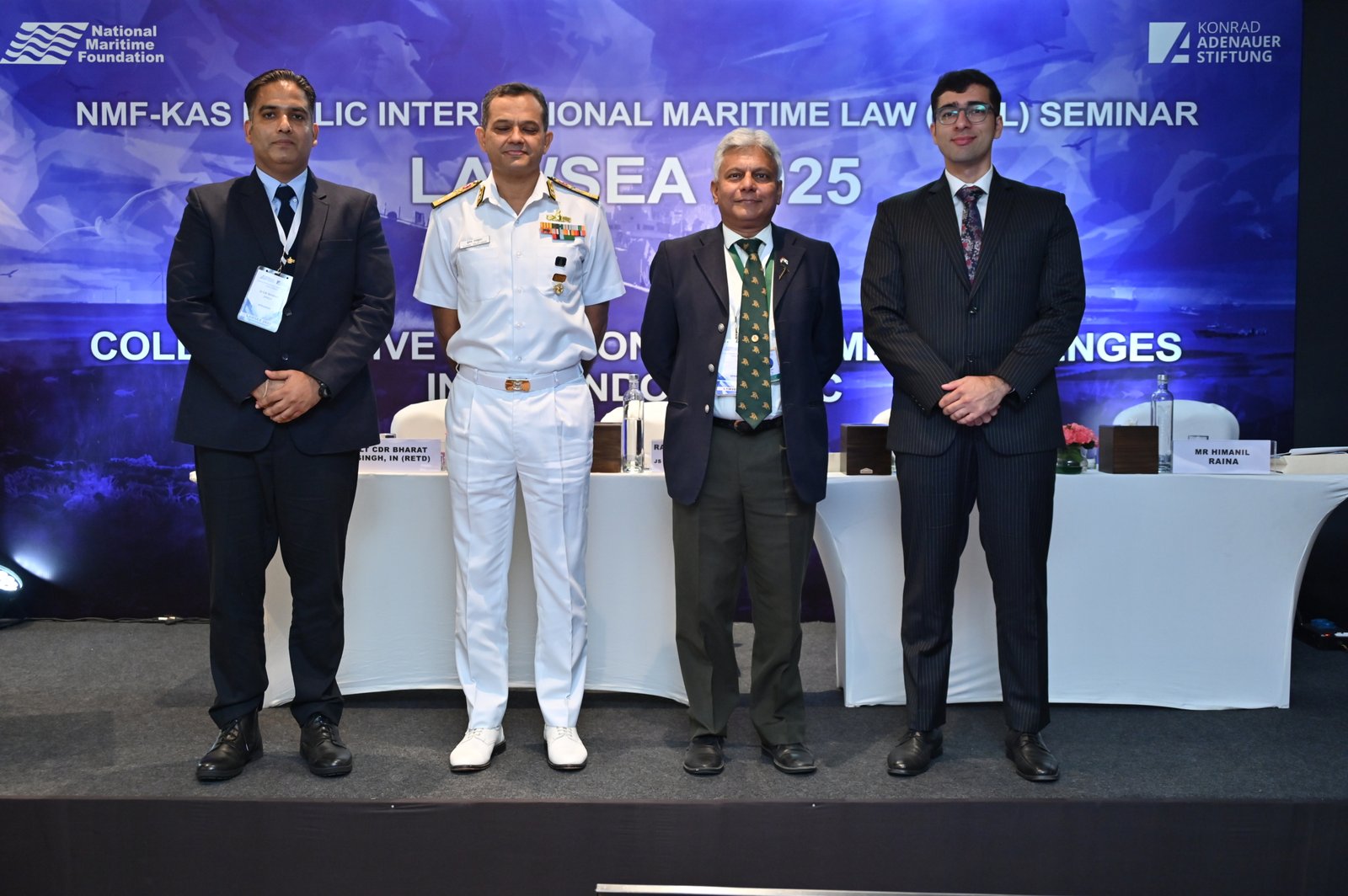
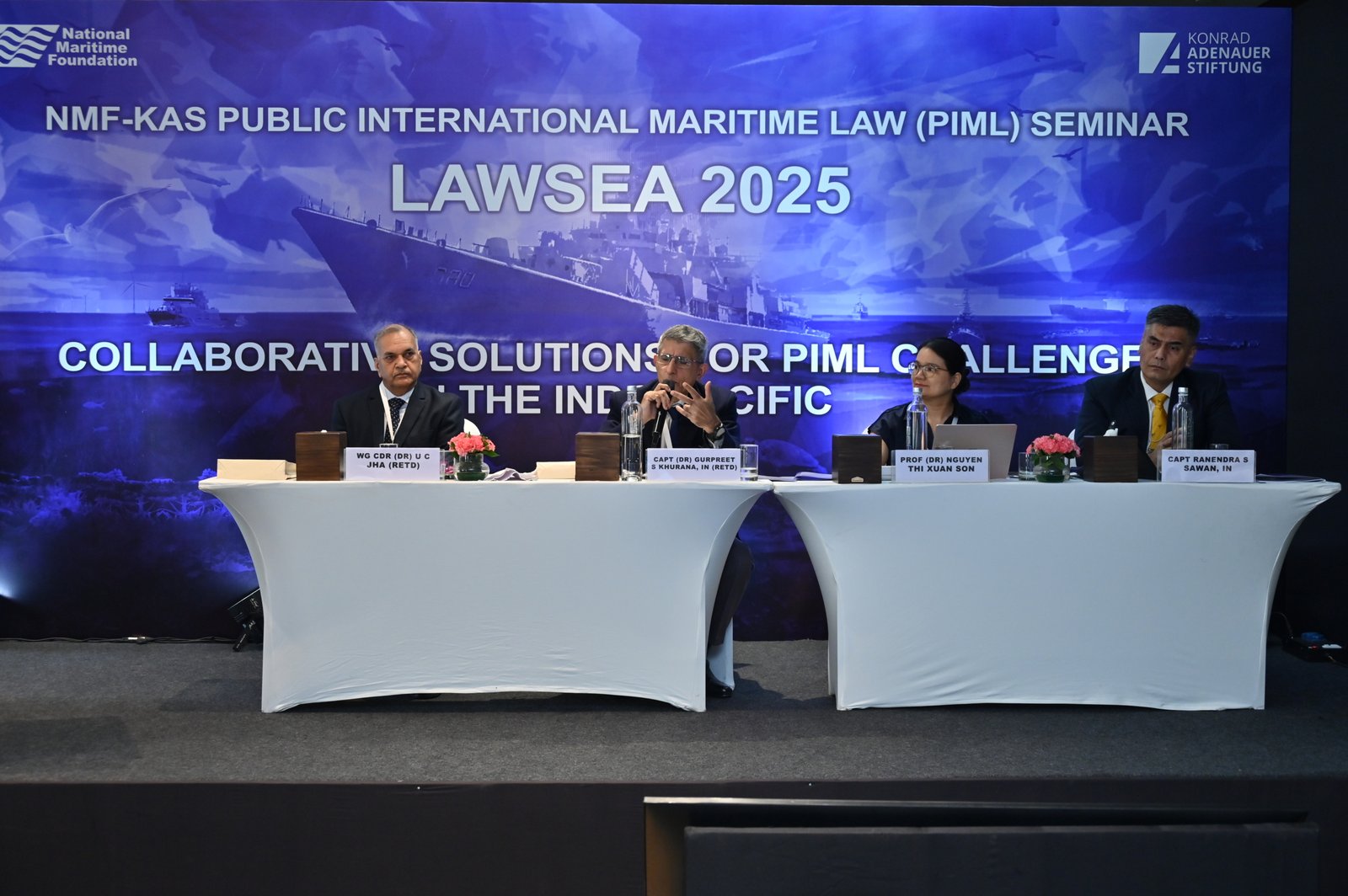
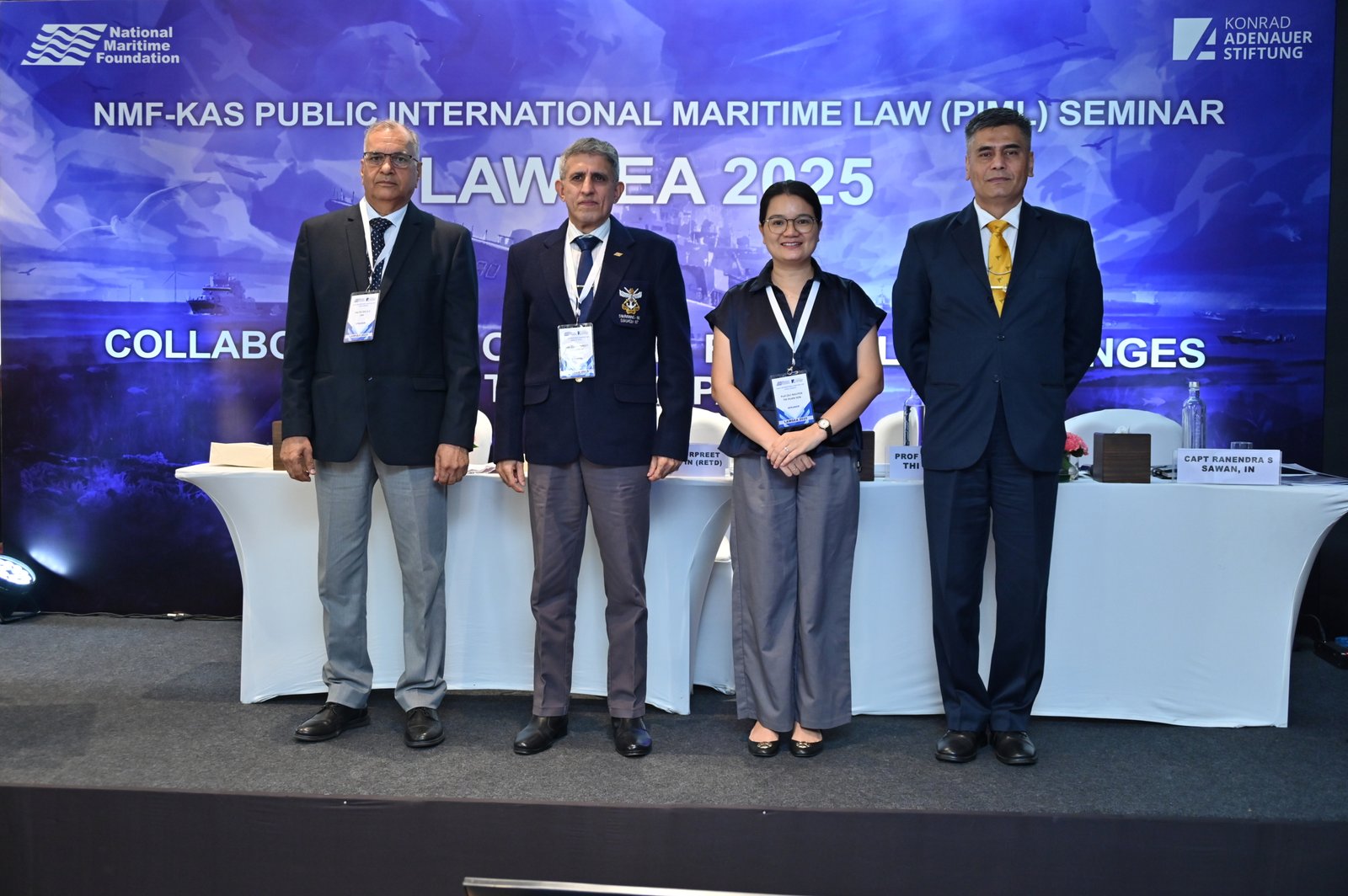
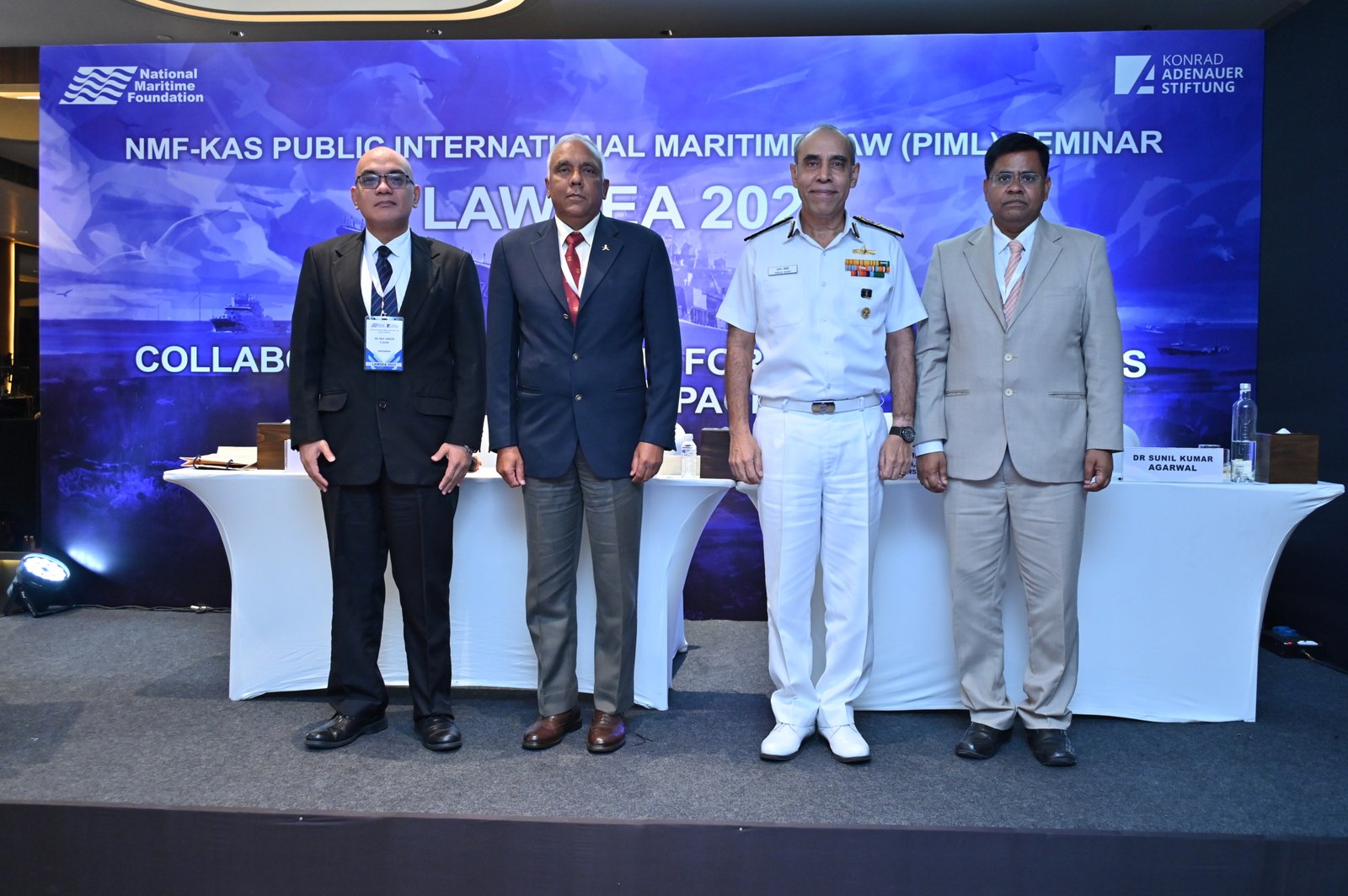
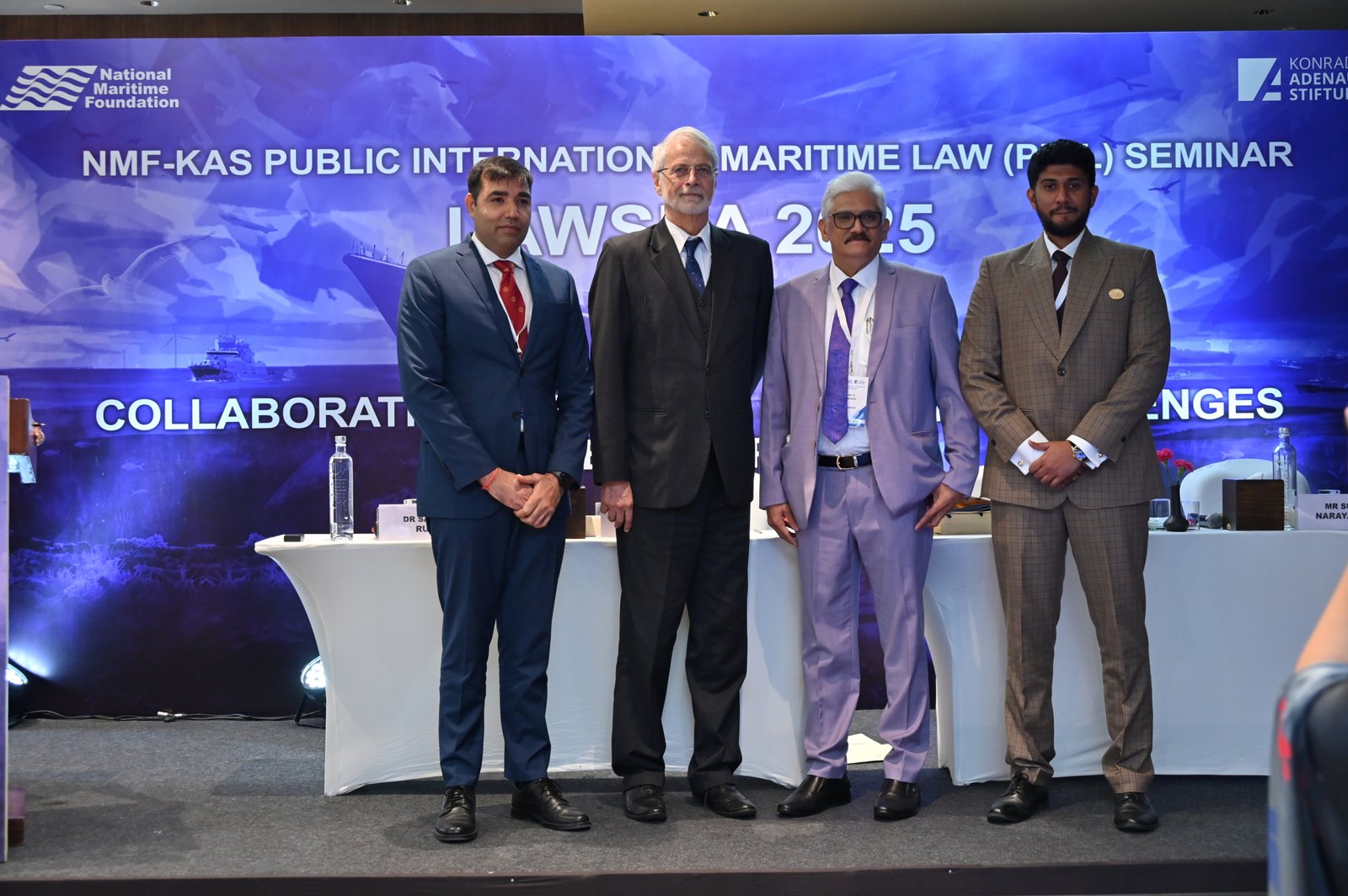
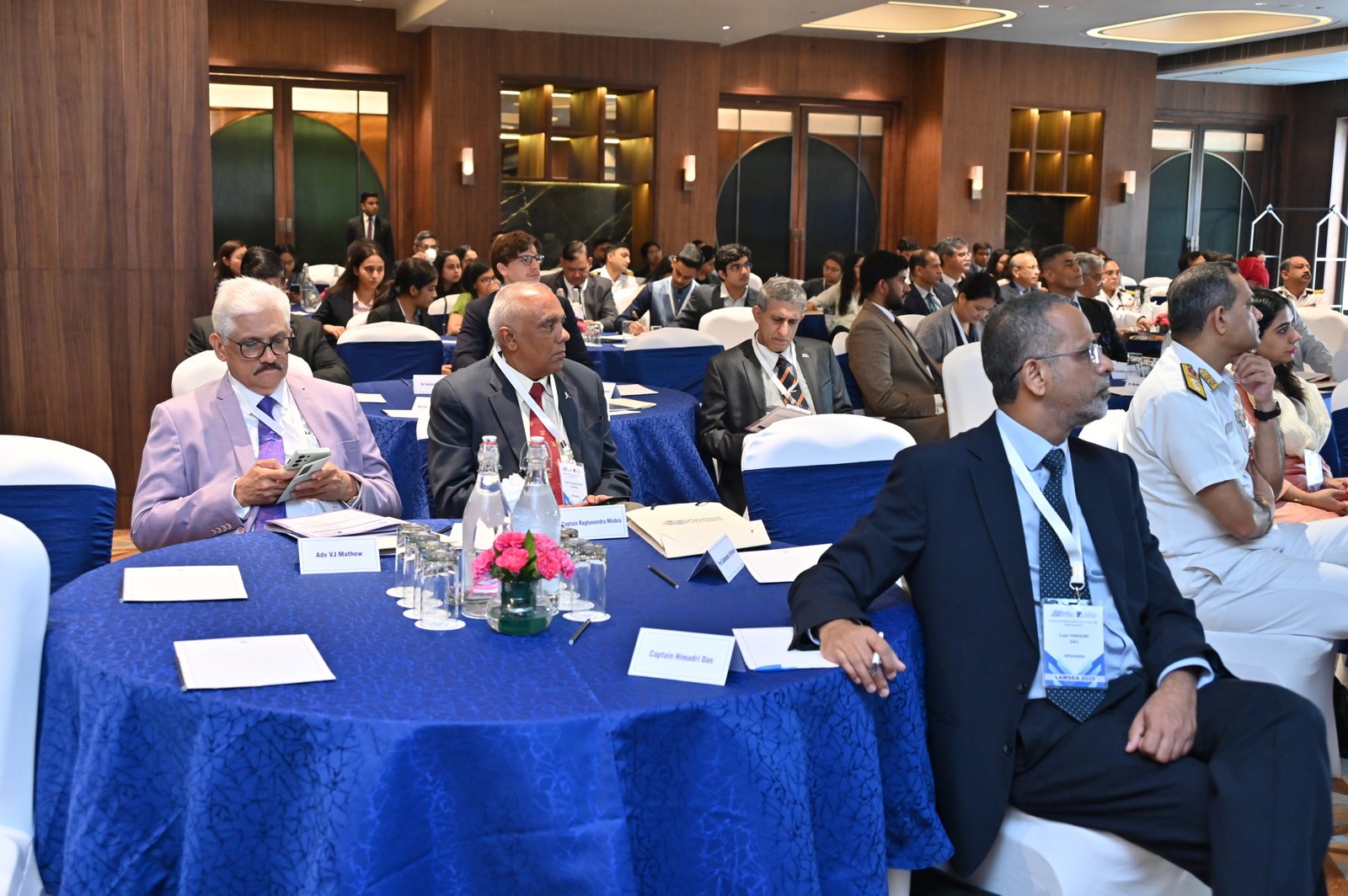
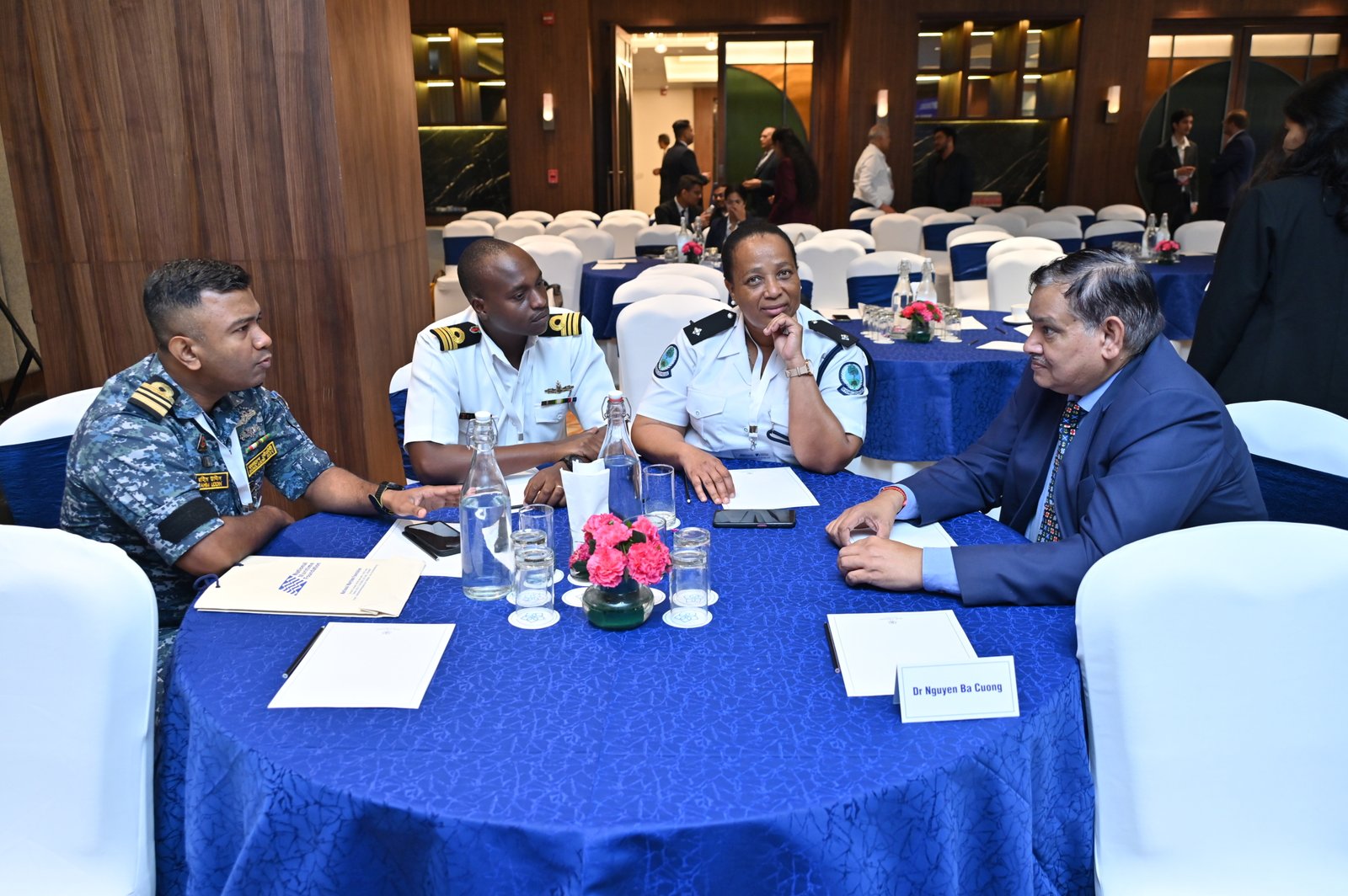
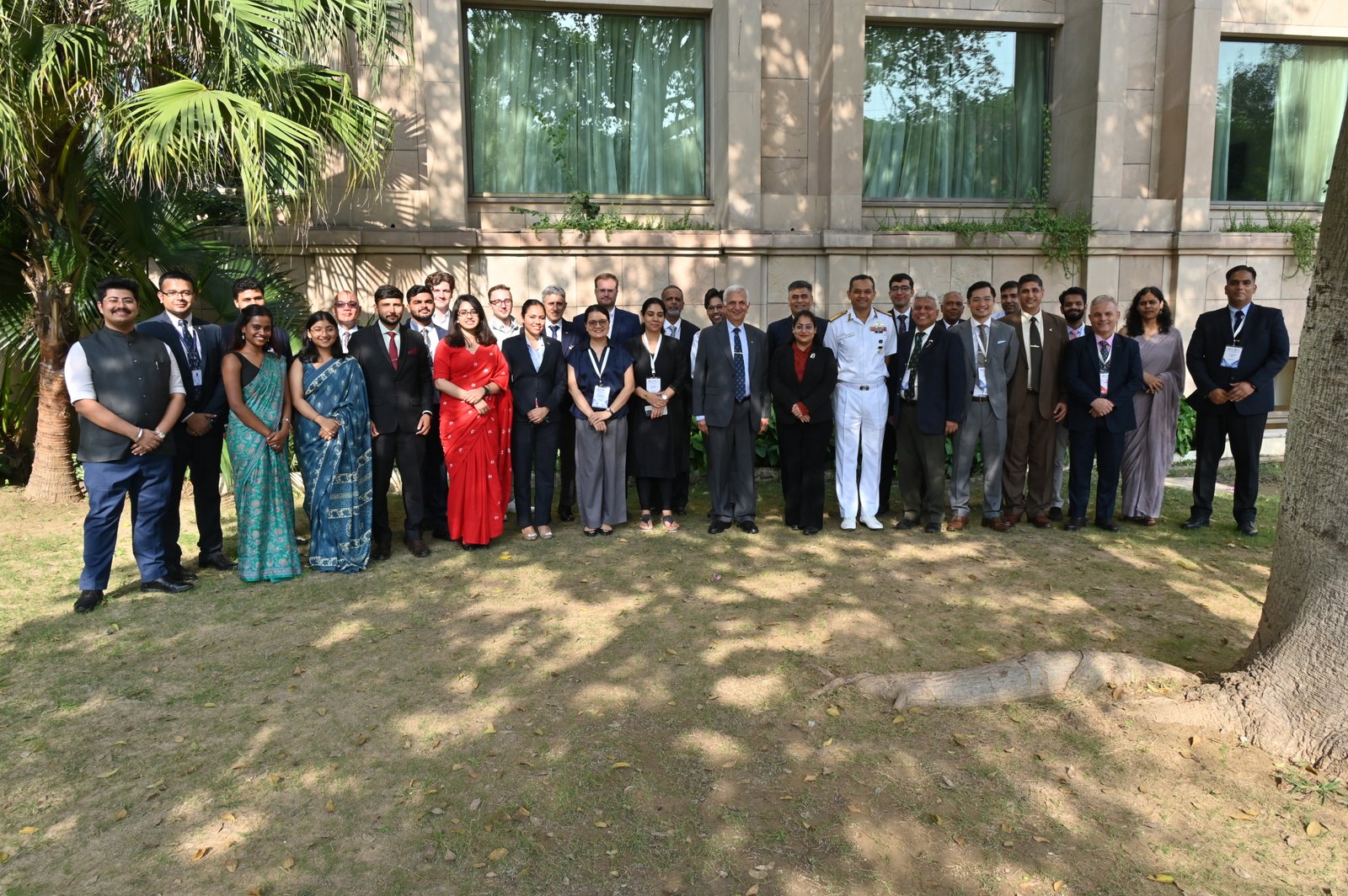
The inaugural edition, frame by frame
23 propositions from LAWSEA 2025
The inaugural seminar generated a wide-ranging set of observations on sovereignty, maritime zones, emerging technology, operational security, seabed governance, lawfare and the legal regulation of conflict at sea.
Sovereignty is dynamic. It evolves alongside technological, environmental, and legal developments, thereby making it essential to revisit its meaning in the Indo-Pacific.
Autonomous systems pose legal uncertainties. Without clear frameworks, disputes in the EEZ may escalate into larger conflicts.
The ICJ’s opinion on sea-level rise safeguards the legal entitlements of vulnerable island States, but political implementation remains contested.
The EEZ is a legal compromise — granting economic rights without full sovereignty, and preserving freedoms for all States.
Marine Scientific Research is a grey area, vulnerable to dual-use manipulation and mistrust, requiring clearer norms.
Africa’s EEZs highlight enforcement gaps, calling for regional cooperation and international support.
Bases are double-edged instruments. While they enhance power projection, they also create legal, political, and cultural vulnerabilities.
Operational security is fragile. Bases expose vulnerabilities in supply chains, intelligence, and local relations.
Humanitarian and cultural sensitivities matter. Bases must adhere to humanitarian law while respecting the values of host communities.
The Indo-Pacific’s contested geography magnifies risks. In places such as the South China Sea, bases are entangled with broader disputes of sovereignty and law.
Legal fragmentation is the core problem. Seabed resources, cables, fisheries, and heritage are governed by multiple overlapping laws with weak coherence.
Submarine cables are vulnerable to accidental and deliberate disruptions, posing national security risks, thereby requiring stronger legal protections.
IUU fishing undermines sovereignty and sustainability. India has made reforms but still struggles with enforcement and data gaps.
Underwater cultural heritage remains neglected. In the absence of a dedicated law and weak institutional capacity threaten conservation.
India’s opportunity to lead in building harmonised, transparent, and regionally relevant legal frameworks for seabed governance is time consuming.
Lawfare is multidimensional ranging from battlefield exploitation to cartographic manipulation and domestic law-making.
China employs lawfare proactively, embedding it into doctrine, using maps and legal reinterpretation to advance claims.
Transparency and information operations matter: smaller States such as the Philippines show how publicising coercion can mobilise international opinion.
Non-State actors are influential as their growing role complicates enforcement, requiring harmonisation of legal frameworks.
Naval mines remain strategically relevant but legally problematic, requiring updated regulation.
The San Remo Manual provides foundational principles but suffers from vagueness and contested interpretations.
The Newport Manual offers greater operational clarity but is still non-binding and incomplete.
Specific treaties such as the Montreux Convention continue to shape regional realities and may override general manuals.
Return to the original record
Access the Concept Note and Programme of the inaugural NMF–KAS International Seminar on Public International Maritime Law.
Concept Note
Read the conceptual framework for the inaugural LAWSEA seminar and its focus on legal challenges of public international maritime law in the Indo-Pacific.
Open Concept Note ↗Programme
View the programme of the two-day LAWSEA 2025 seminar held on 18 and 19 September 2025.
Open Programme ↗Collaborative Solutions to Legal Challenges of Public International Maritime Law in the Indo-Pacific