
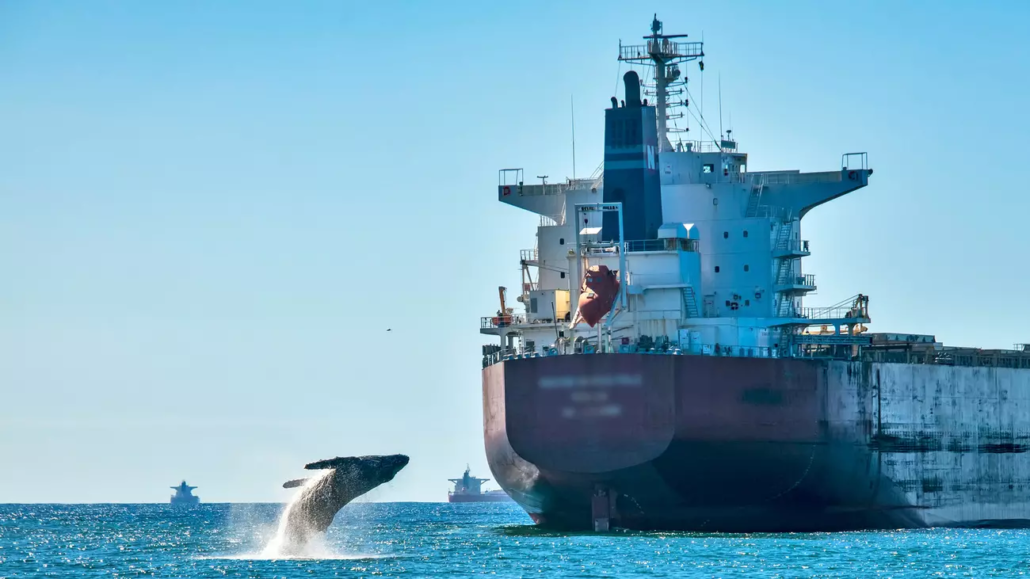
Keywords: International Maritime Organisation, International Shipping Lanes, Underwater Radiated Noise, Indo-Pacific, BBNJ
The Indo-Pacific region has emerged as the principal centre of global economic activity, accounting for approximately 60 per cent of global gross domestic product (GDP) and nearly 65 per cent of the world’s population.[1] The region hosts several of the world’s busiest maritime corridors, serving as critical arteries of international trade.[2] As maritime commerce continues to expand, vessel density across key international shipping lanes (ISLs) has increased substantially.[3] For instance, more than 90,000 vessels transit the Strait of Malacca each year,[4] underscoring the strategic significance of the region. However, this intensification of shipping has generated a range of environmental externalities that extend beyond conventional concerns such as oil spills, ballast water discharge, atmospheric emissions, and marine litter.
Among the least visible yet increasingly consequential of these impacts is underwater radiated noise (URN). Generated primarily through propeller cavitation, engine operations, and movement of auxiliary components, URN has emerged as a dominant source of anthropogenic noise in the marine environment.[5] Unlike many forms of marine pollution that remain spatially confined, underwater sound propagates efficiently through seawater and can travel across vast oceanic distances, rendering shipping-generated noise as a chronic and cumulative stressor on marine ecosystems.[6]
The ecological consequences of URN are particularly significant for cetaceans, including whales, dolphins, and porpoises, which rely extensively on sound (echolocation) for communication, navigation, prey detection, and reproduction.[7] Anthropogenic noise, especially URN can mask acoustic signals, alter behaviour, disrupt migration, and contribute to habitat displacement.[8] In oceanic spaces with heavy vessel traffic, these disturbances are increasingly recognised as forms of acoustic habitat degradation, posing significant challenges for marine mammal conservation.[9]
Despite growing scientific evidence regarding the ecological consequences of URN, international regulatory responses remain fragmented and predominantly voluntary. Existing legal frameworks provide only limited guidance regarding the management of acoustic pollution, while regional mechanisms remain unevenly developed.[10] This governance gap is particularly evident in the Indo-Pacific, where shipping routes overlaps with biologically significant habitats supporting numerous threatened species of marine mammals.[11]
This article, therefore, argues that shipping-generated URN should be understood as a form of emerging source of marine pollution under international law. It further contends that existing legal and ocean-governance frameworks remain inadequate to address the cumulative and transboundary impacts of URN on marine mammals and marine ecosystems more broadly. Accordingly, the article examines the ecological significance of underwater soundscapes, analyses the effects of shipping-generated noise of cetaceans, evaluates the evolving role of international and regional legal and ocean-governance mechanisms, and proposes policy measures aimed at strengthening marine mammal conservation in the Indo-Pacific region.
Marine Acoustic Habitats and Ecological Importance of Sound
Marine acoustic habitats, commonly referred to as “underwater soundscapes”, comprise three interconnected components: biophony, geophony, and anthrophony.[12] Biophony encompasses sounds produced by living organisms, including cetaceans, fish, and crustaceans. Geophony refers to naturally occurring sounds generated by environmental processes such as waves, rainfall, and seismic activity. Anthrophony comprises human-generated sounds arising from activities including commercial shipping, offshore construction, dredging, seismic exploration, and naval operations. Together, these acoustic components shape the environmental conditions upon which marine species depend for communication, foraging, reproduction, habitat selection, and predation avoidance.[13]
Unlike terrestrial environments, where vision often serves as the dominant sensory mechanism, marine ecosystems are characterised by limited visibility resulting from light attenuation and water turbidity. Consequently, sound functions as the principal medium through which many marine organisms perceive, navigate, and interact with their environment, and disturbances to natural soundscapes may have profound ecological consequences, particularly where anthropogenic noise masks biologically significant signals and disrupts species interactions.[14]
It may thus be seen that the concept of acoustic habitat degradation extends beyond the mere presence of noise and encompasses the deterioration of acoustic conditions essential for the survival, behaviour, and ecological functioning of marine organisms. Within this framework, commercial shipping has emerged as one of the most pervasive anthropogenic pressures on underwater soundscapes, fundamentally altering the acoustic environments upon which marine biodiversity depends.[15]
Impact of Commercial Shipping on Marine Acoustic Habitats
The influence of commercial shipping on marine acoustic habitats arises from both the scale of global maritime trade and the unique physical properties of sound propagation in seawater. Research has demonstrated that under favourable oceanographic conditions, low-frequency sound can travel thousands of kilometres, allowing noise generated by distant vessels to affect marine ecosystems far beyond their immediate vicinity.[16] Ambient ocean noise originates from a combination of natural and anthropogenic sources and varies across different frequency ranges. At lower frequencies, typically between 20 and 500Hz, commercial shipping constitutes the dominant contributor to background noise levels, whereas higher-frequency sounds are more commonly associated with environmental processes (geophony).[17]
As illustrated by the Wenz Curves,[18] cumulative noise from intense shipping activity can substantially elevate ambient sound levels across extensive maritime regions. Unlike episodic industrial activities, commercial vessels operate continuously and across vast geographical areas, generating a persistent acoustic footprint through propulsion systems, auxiliary machinery, and engine operations.[19] The cumulative effect is the gradual transformation of natural soundscapes into increasingly anthropogenic environments, thereby altering the acoustic conditions upon which marine organisms depend.[20]
From an ecological perspective, such transformations constitute a significant form of degradation of the oceanic acoustic habitat. Much like the physical degradation of coral reefs or coastal wetlands, persistent anthropogenic noise impairs ecosystem functioning by disrupting communication, navigation, foraging, and reproductive behaviour. These impacts are particularly pronounced among cetaceans, which rely extensively on sound as their primary sensory modality.[21]
The degradation of underwater soundscapes, therefore, raises broader normative and legal questions regarding the regulation of acoustic disturbances in the marine environment. While scientific evidence increasingly demonstrates that shipping-generated noise can alter ecological processes and undermine marine biodiversity, international law has traditionally focused on tangible pollutants such as oil, chemicals, and waste. Determining whether URN falls within existing definitions of marine pollution is, therefore, central to assessing the adequacy of contemporary ocean governance frameworks and the capacity of international law to address emerging forms of anthropogenic harm.
Defining URN as a Form of Marine Pollution
As a form of acoustic energy generated primarily through commercial shipping activities, URN possesses the ability to alter marine environmental conditions and adversely affect marine organisms. Scientific evidence increasingly demonstrates that chronic exposure to anthropogenic noise can disrupt communication, induce physiological stress, modify behaviour, displace species from preferred habitats, and increase mortality risks.[22] These ecological impacts lead considerable support to the argument that shipping-generated noise falls within the conceptual boundaries of marine pollution envisaged by UNCLOS 1982.
The above argument notwithstanding, significant regulatory ambiguity persists. Unlike oil pollution, hazardous substances, or waste disposal, URN has not been comprehensively integrated into the architecture of international maritime law. Consequently, a gap remains between the broad environmental obligations established under UNCLOS 1982 and the specific regulatory mechanisms required to govern acoustic pollution effectively (under the IMO).
However, a possible recourse is provided under Article 1(4) of the UNCLOS 1982, which defines the term “pollution of the marine environment”. The inclusion of “energy” within this definition significantly broadens the scope of activities capable of constituting marine pollution and provides an important legal basis for considering URN within the ambit of international law.[23] Nevertheless, neither UNCLOS 1982 nor subsequent international jurisprudence offers a definitive interpretation of whether URN constitutes marine pollution, leaving its legal status dependent upon evolving State practice. It is obvious that addressing this gap is necessary to ensure that international ocean governance remains responsive to emerging forms of anthropogenic harm in the marine environment.
Impact of URN on Marine Mammal Conservation in the Indo-Pacific
Many cetacean species produce low-frequency vocalisations that overlap with the frequencies generated by commercial shipping, rendering them particularly vulnerable to acoustic masking.[24] As maritime traffic intensifies, the effectiveness of these biological communication systems is increasingly compromised, with potentially far-reaching ecological consequences. Beyond interfering with communication, chronic exposure to anthropogenic noise has been shown to alter migration routes, modify vocalisation patterns, and induce physiological stress responses.[25]
These impacts are especially concerning given the precarious conservation status of many marine mammal species. Recent assessments by the International Union for Conservation of Nature (IUCN) indicate that approximately one quarter of evaluated cetacean species face varying levels of extinction risk.[26] In 2007, former United Nations Secretary General has stated, “There is growing concern that noise proliferation poses a significant threat to the survival of marine mammals, fish and other marine species…flooding their world with intense sound interferes with their activities with potential serious consequences.”[27] Clearly, URN functions not as an isolated threat but as a cumulative stressor capable of exacerbating existing vulnerabilities.
The issue of URN is further complicated by the relationship between acoustic disturbance and vessel strikes, as habitat displacement increases the likelihood of encounters between marine mammals and ships, particularly along migratory routes and feeding grounds.[28] Research undertaken by the International Whaling Commission (IWC) identifies ship strikes as a significant source of mortality in several whale populations, while growing evidence also links anthropogenic sound exposure to marine mammal stranding through behavioural disorientation and physiological trauma.[29]
Collectively, these findings underscore the need to treat acoustic habitat degradation as a central challenge for marine mammal conservation rather than a peripheral environmental concern. The increasing recognition of underwater noise as a transboundary threat to marine biodiversity has consequently prompted greater attention from international organisations and regional governance bodies, warranting closer examination of the legal and institutional mechanisms designed to address acoustic pollution.
Regional Mechanisms to Regulate URN
Regional initiatives provide important examples of how URN may be integrated into broader marine environmental governance frameworks. For instance, the European Union’s Marine Strategy Framework Directive (MSFD) represents one the most advanced approaches, explicitly recognising anthropogenic underwater noise as a pressure affecting marine environmental status. Through its “Descriptor 11”, the EU establishes monitoring requirements for both continuous low-frequency sound and impulsive noise events.[30]
Other institutions have adopted complementary approaches. For instance, the International Whaling Commission (IWC) has developed strategic frameworks addressing vessel strikes,[31] expert advisory mechanisms,[32] and global databases aimed at improving understanding of interactions between shipping and cetaceans.[33] Similarly, the World Shipping Council’s ‘Whale Chart’ consolidates information concerning speed restrictions, routing measures, and whale conservation zones to support risk reduction efforts.[34]
In 2009, during the sixth meeting of the parties to the Agreement on the Conservation of Small Cetaceans of the Baltic, Northeast Atlantic, Irish and North Seas (ASCOBANS), the effects of underwater noise on marine mammals from anthropogenic activities were taken into consideration and recommendations were issued to regulate the same.[35]
In 2013, the meeting of the parties to the “Agreement on the Conservation of Cetaceans of the Black Sea, Mediterranean Sea” (ACCOBAMS) and the contiguous Atlantic area adopted several resolutions on anthropogenic noise and developed a “Guidance on Underwater Noise Mitigation Measures”.[36]
In 2014, a “Commission on Biological Diversity-International Maritime Organisation” (CBD-IMO) experts-workshop was held in London, highlighting the need for a ship identification system, but also to identify regional and international initiatives, to take noise into account in the designation of marine protected areas (MPAs), and to identify critical thresholds for underwater noise.[37]
In 2017, the Secretariat of the “Convention on Migratory Species” endorsed the ‘Guidelines on Environmental Impact Assessments for Marine Noise-generating Activities’. As per the Guidelines, for each relevant activity, the EIA must provide information on: (1) the description of the area, of the equipment and activity, the modelling of noise propagation loss, (2) the species impact, the mitigation and monitoring plans, and (3) the reporting plans, and the consultation and independent review.[38]
In 2025, the OSPAR Commission (so named because of the original Oslo and Paris Conventions: “OS” for Oslo and “PAR” for Paris) adopted a dedicated “Regional Action Plan” (RAP-NOISE) to reduce anthropogenic URN to levels that do not adversely affect the marine environment. The Action Plan is implemented from 2025 to 2035. Targeting the most important sources of underwater noise, eight prioritised actions will address overall levels of noise pollution as well as specific sources of this pollution by developing harmonised targets, standards and approaches towards the reduction of anthropogenic noise. It will also support the operationalisation of the “North-East Atlantic Environment Strategy, 2030”.[39]
Yet the Indo-Pacific region lacks a dedicated regional framework addressing URN and marine mammal conservation. Given the region’s ecological significance and rapidly expanding maritime traffic, the absence of such a mechanism represents a major governance deficiency.
The IMO and its Limitations
Growing scientific concern regarding URN has prompted a gradual evolution in international maritime governance, with the International Maritime Organisation (IMO) emerging as the principal institution addressing shipping-generated URN. The adoption, in 2014, of the IMO’s “Guidelines for the Reduction of Underwater Noise from Commercial Shipping to Address Adverse Impacts on Marine Life”, marked the first comprehensive effort to address URN within the international maritime framework.[40] The Guidelines were further strengthened through the revised 2024 Guidelines, which provide more detailed recommendations concerning vessel design, construction, operation, and maintenance aimed at reducing acoustic emissions.[41] Complementary initiatives including the “IMO Action Plan on Underwater Noise”,[42] the “GloNoise Partnership Project” undertaken in collaboration with the UNDP,[43] and the designation of “Particularly Sensitive Sea Areas” (PSSAs),[44] collectively demonstrate growing institutional recognition of acoustic pollution as an emerging marine environmental concern. The extension of the “Experience Building Phase” until 2028 further underscores the IMO’s commitment to developing evidence-based regulatory measures and improving scientific understanding of URN.
However, regulatory responses have largely remained precautionary and voluntary, reflecting the nascent stage of acoustic pollution governance. Moreover, the absence of internationally agreed noise thresholds, monitoring standards, and compliance mechanisms hinders the development of a coherent global regime to counter acoustic pollution.
Challenges under Public International Maritime Law
The United Nations Convention on the Law of the Sea (UNCLOS) 1982 stipulates that “States shall cooperate with a view to the conservation of marine mammals and in the case of cetaceans shall in particular work through the appropriate international organizations for their conservation, management and study.”[45] It also extends this provision to the conservation and management of marine mammals in the high seas[46]. In the Indo-Pacific, however, several obstacles continue to hinder effective management of URN. For instance, substantial scientific and monitoring gaps remain, particularly concerning cumulative impacts and regional distribution patterns. Moreover, under the IMO, the MARPOL Convention, 1973 primarily targets operational and accidental chemical, oil, and air pollution from ships, and does not regulate noise pollution (Figure 1 refers).[47]
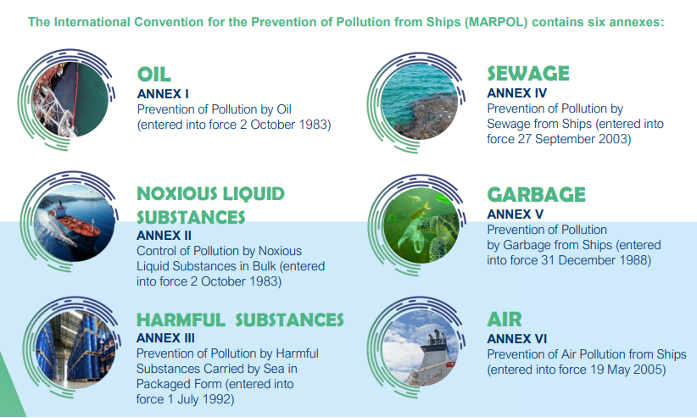
Fig 1: Annexes of MARPOL Convention 1973
Source. International Maritime Organisation
Furthermore, the transboundary nature of URN complicates regulatory responsibility. Acoustic emissions generated within one jurisdiction may produce ecological consequences far beyond national maritime zones, thereby challenging traditional jurisdictional models embedded within the law of the sea. Therefore, addressing these challenges requires a shift from reactive conservation measures toward proactive acoustic habitat management.
Recommendations
Addressing the impacts of commercial shipping-generated URN on marine mammals in the Indo-Pacific requires a coordinated regional approach that transcends national jurisdictions. Given the transboundary nature of marine ecosystems and shipping routes, littoral States must collaborate to develop common regulatory standards and management networks. Countries such as India and Australia, which have taken steps to address URN through national policies and guidelines, are well positioned to provide technical expertise and policy leadership to support wider regional adoption of similar measures. India could further utilise the “IORA-IWC Sustainable Whale and Dolphin Watching Tourism Network” as a platform to promote awareness of the ecological consequences of URN,[48] while encouraging sustainable marine tourism practices across the region.
At the international level, member States of the IMO should advocate the formal recognition of URN as a source of ship-generated pollution, either through a dedicated protocol or amendments to the MARPOL Convention. Such a development would strengthen the legal basis for global recognition and facilitate the adoption of uniform standards.
Regional cooperation could also be advanced through the Indo-Pacific Oceans Initiative (IPOI), particularly under its pillars on marine ecology and marine living resources, by developing an Indo-Pacific Strategy on URN that promotes harmonised monitoring, mitigation, and capacity-building measures. In this regard, India and Australia could play a leading role in shaping regional consensus and institutional cooperation.
In addition, the implementation of the BBNJ Agreement presents an opportunity to incorporate URN as a specific consideration within EIAs. Integrating acoustic impacts into EIA processes would ensure that the potential effects of maritime activities on marine biodiversity are systematically evaluated before projects are approved.
Also, governments should encourage the adoption of “Quiet Ship Technologies” and operational practices through economic incentives, such as tax benefits, subsidies, or preferential port charges. These measures would accelerate the uptake of these technologies while balancing environmental objectives with commercial and operational considerations.
Conclusion
Commercial shipping has transformed underwater noise into one of the most significant yet least regulated environmental pressures affecting marine ecosystems. By degrading acoustic habitats and disrupting essential biological processes, shipping-generated underwater radiated noise presents a growing challenge for marine mammal conservation throughout the Indo-Pacific.
While international institutions have begun to recognise the issue, current governance responses remain fragmented, voluntary, and insufficiently coordinated. The challenge is no longer establishing whether underwater noise affects marine biodiversity but developing the regulatory and institutional mechanisms necessary to manage those impacts effectively. Strengthening regional cooperation, enhancing scientific monitoring, and embedding acoustic habitat protection within maritime governance frameworks will therefore be essential to ensuring that the economic benefits of maritime trade do not come at the expense of marine ecological integrity.
********
About the Author
Mr John J Vachaparambil is an Associate Fellow at the National Maritime Foundation (NMF) and meaningfully contributes to the Foundation’s ‘Public International Maritime Law’ (PIML) cluster. His current research focuses on the legal aspects of fishing, including IUU fishing, and the conservation of the marine biological diversity of areas beyond national jurisdiction (BBNJ). He can be reached at law5.nmf@gmail.com
Endnotes:
[1] “Maritime Domain Awareness in the Indo-Pacific Region”, Indian Council of World Affairs, 2025. https://icwa.in/pdfs/MaritimeDomainAwarenessweb.pdf
[2] Andrea Willige, “These are the World’s Most Vital Waterways for Global Trade”, World Economic Forum, Spencer Feingolf (Ed), 15 February 2024. https://www.weforum.org/stories/2024/02/worlds-busiest-ocean-shipping-routes-trade/?utm_source=chatgpt.com
[3] UNCTAD, “Review of Maritime Transport 2025”, United Nations Publications. https://unctad.org/system/files/official-document/rmt2025_en.pdf
[4] Andrea Willige, “These are the World’s Most Vital Waterways for Global Trade”.
[5] Arnab Das, “Acoustic Habitat Degradation due to Shipping in the Indian Ocean Region”. DOI: 10.5772/intechopen.90108
[6] Marshall Long, “Origins of Sound Theory”, Science Direct. https://www.sciencedirect.com/topics/engineering/theory-of-sound
[7] “Ocean Noise: Turn it down – A Report on Ocean Noise Pollution”, International Fund for Animal Welfare, June 2008. https://tethys.pnnl.gov/sites/default/files/publications/McKenna%20et%20al.%202008.pdf
[8] Regan Nelson, “Why all the Concern about Underwater Ship Noise?”, Natural Resources Defence Council, 03 February 2023. https://www.nrdc.org/bio/regan-nelson/why-all-concern-about-underwater-ship-noise
[9] “Understanding Ocean Noise Pollution and its Deadly Impact on Marine Animals”, International Fund for Animal Welfare, 04 June 2020. https://www.ifaw.org/international/journal/interview-ocean-noise-pollution-impact-marine-animals#:
[10] Regan Nelson, “Why all the Concern about Underwater Ship Noise?”.
[11] Jukka-Pekka Jalkanen, et.al “Underwater noise emissions from ships during 2014-2020”, ElSEVIER, 2020. https://www.sciencedirect.com/science/article/pii/S0269749122009800
[12] NOAA Fisheries, “Ocean Noise”. https://www.fisheries.noaa.gov/national/science-data/ocean-noise
[13] National Oceanography Centre, “Ocean Noise”. https://www.noc.ac.uk/our-work/hazards-and-pollution/pollutants/noise
[14] NOAA, “What is Ocean Noise?”. https://oceanservice.noaa.gov/facts/ocean-noise.html
[15] NOAA, “Soundcheck: Ocean Noise”. https://www.noaa.gov/explainers/soundcheck-ocean-noise
[16] Marshall Long, “Origins of Sound Theory”.
[17] NOAA, “Soundcheck: Ocean Noise”.
[18] Discovery of Sound at Sea, “What are Common Underwater Sounds?”. https://dosits.org/science/sounds-in-the-sea/what-are-common-underwater-sounds/
[19] Arnab Das, “Acoustic Habitat Degradation due to Shipping in the Indian Ocean Region”, DOI: 10.5772/intechopen.90108.
[20] Vijaya Baskar Veeriayan and Rajendran V, “Underwater Ambient Noise”, Intechopen, 25 August 2020. https://www.intechopen.com/chapters/72750
[21] Simon Harding and Neil Cousins, “Review of the Impacts of Anthropogenic Underwater Noise on Marine Biodiversity and Approaches to Manage and Mitigate Them”, Secretariat of the Convention on Biological Diversity, CBD Technical Series No.99, 2022. https://www.cbd.int/doc/publications/cbd-ts-99-en.pdf
[22] “The Impact of Shipping on the Marine Environment”, Ship Owners Club, 18 March 2025. https://www.shipownersclub.com/latest-updates/campaigns/impact-shipping-marine-environment/
[23] Art 1(4), UNCLOS 1982. https://www.un.org/depts/los/convention_agreements/texts/unclos/unclos_e.pdf
Also Note:
- Underwater noise primarily behaves as acoustic energy that transfers through water vibrations rather than a primary source of harvestable power. However, the concept covers two distinct realities: acoustic energy harvesting (turning sound waves into electricity) and underwater noise pollution (the energy footprint of human activities).
- As per Oxford English Dictionary, ‘noise’ is a sound, especially one that is loud, unpleasant, or disturbing.
[24] IMO, “Ship Noise”. https://www.imo.org/en/mediacentre/hottopics/pages/noise.aspx
[25] NOAA, “Understanding Sound in the Ocean”. https://www.fisheries.noaa.gov/insight/understanding-sound-ocean
[26] WWF, “World-First Map Exposes Growing Dangers along Whale Superhighways”. https://wwfwhales.org/news-stories/protecting-blue-corridors-report
Note: A ship strike is defined as a forceful impact between any part of a watercraft, most commonly the bow or propeller, and a live cetacean, often resulting in death, major injuries or physical trauma.
Also See: IUCN, “Red List Status of Cetaceans”, October 2025. https://iucn-csg.org/red-list-status-of-cetaceans/
[27] “Ocean Noise: Turn it Down – A Report on Ocean Noise Pollution”, International Fund for Animal Welfare.
[28] WWF, “World-First Map Exposes Growing Dangers along Whale Superhighways”.
Also see: Christina Winker, et al “Global Number of Ship Strikes: An Assessment of Collisions between Vessels and Cetaceans using Available Data in the IWC Ship Strike Database”, International Whaling Commission. https://archive.iwc.int/pages/download.php?direct=1&noattach=true&ref=17562&ext=pdf&k=c9f67e8c17
[29] WWF, “World-First Map Exposes Growing Dangers along Whale Superhighways”.
[30] European Commission, “EU Marine Strategy Framework Directive”. https://research-and-innovation.ec.europa.eu/research-area/environment/oceans-and-seas/eu-marine-strategy-framework-directive_en
Also see: BUND, “Underwater Noise – The neglected threat to marine life”, November 2020. https://www.bund.net/fileadmin/user_upload_bund/publikationen/meere/meere_unterwasserlarm_hintergrundpapier_english.pdf
[31] International Whaling Commission, Strategic Plan to Mitigate the Impacts of Ship Strikes on Cetacean Populations, 2022-2032”. https://archive.iwc.int/pages/view.php?ref=19858&k
[32] International Whaling Commission, “Expert Panel on Vessel Strikes”. https://iwc.int/expert-panel-on-vessel-strikes
[33] Christina Winker, et.al “Global Number of Ship Strikes: An Assessment of Collisions between Vessels and Cetaceans using Available Data in the IWC Ship Strike Database”.
Also see: International Whaling Commission, “Collisions between Whales and Vessels”. https://iwc.int/management-and-conservation/vessel-strikes
Also see: International Whaling Commission, “IWC Standing Working Group on Vessel Strikes Workplan, 2025-2028”. https://iwc.int/public/documents/p5xbn/SWG-VS-Workplan.pdf
[34] World Shipping Council, “Safeguarding Marine Life”. https://www.worldshipping.org/whales
[35] ASCOBANS, “Adverse Effects of Underwater Noise on Marine Mammals during Offshore Construction Activities for Renewable Energy Production”, 16-18 September 2009. https://www.ascobans.org/sites/default/files/basic_page_documents/MOP6_2009-2_UnderwaterNoise.pdf
[36] Pascale Richard, “Noise Pollution in Coral Reefs: Legal and Policy Approaches to the National, Regional and International Level”, International Coral Reef Initiative. https://www.icriforum.org/wp-content/uploads/2020/10/Underwater-noise-LEGAL-web-pages.pdf
Also see: ACCOBAMS, “Methodological Guide: Guidance on Underwater Noise Mitigation Measures”, 05-08 November 2013. https://www.cbd.int/doc/meetings/mar/mcbem-2014-01/other/mcbem-2014-01-submission-accobams-01-en.pdf
[37] Pascale Richard, “Noise Pollution in Coral Reefs: Legal and Policy Approaches to the National, Regional and International Level”.
[38] Pascale Richard, “Noise Pollution in Coral Reefs: Legal and Policy Approaches to the National, Regional and International Level”.
[39] OSPAR Commission, “Action Plan to Reduce Underwater Noise”. https://www.ospar.org/ministerial25/deliverables/action-plan-to-reduce-underwater-noise
[40] IMO, “IMO and Anthropogenic Underwater Noise”. https://www.un.org/depts/los/consultative_process/contributions_19cp/IMO.pdf
Also see: IMO, “Guidelines for the Reduction of Underwater Noise from Commercial Shipping to Address Adverse Impacts on Marine Life”, MEPC, 07 April 2014. https://wwwcdn.imo.org/localresources/en/MediaCentre/HotTopics/Documents/833%20Guidance%20on%20reducing%20underwater%20noise%20from%20commercial%20shipping%2c.pdf
[41] IMO, “Revised Guidelines for the Reduction of Underwater Radiated Noise from Shipping to Address Adverse Impacts on Marine Life”, 15 November 2024. https://wwwcdn.imo.org/localresources/en/MediaCentre/Documents/MEPC.1-Circ.906-Rev.1%20-%20Revised%20Guidelines%20For%20The%20Reduction%20Of%20Underwater%20Radiated.pdf
[42] IMO, “Action Plan Agreed to Reduce Underwater Noise from Ships”, 30 January 2024. https://www.imo.org/en/mediacentre/pages/whatsnew-2032.aspx
Also see: IMO, “IMO Progresses Work on Ship Emissions, Pollution and Ocean Protection”, 01 May 2026. https://www.imo.org/en/mediacentre/pressbriefings/pages/imo-progresses-work-on-ship-emissions-pollution-and-ocean-protection.aspx
[43] IMO, “GloNoise Partnership”. https://www.imo.org/en/ourwork/partnershipsprojects/pages/glonoise-partnership.aspx
Also see: GloNoise Partnership. https://glonoise.imo.org/
[44] IMO, “Worldwide PSSAs”. https://wwwcdn.imo.org/localresources/en/MediaCentre/Documents/Worldwide%20PSSA%202023.pdf
Also see: IMO, “Particularly Sensitive Sea Areas”. https://www.imo.org/en/ourwork/environment/pages/pssas.aspx
Also see: IMO, “Protecting Vulnerable Seas from Shipping and Marine Pollution – PSSAs”. https://imohq.exposure.co/protecting-vulnerable-seas-from-shipping-and-marine-pollution
[45] Article 65, UNCLOS 1982.
[46] Article 120, UNCLOS 1982.
[47] International Maritime Organisation, “MARPOL Convention”. https://www.imo.org/en/about/conventions/pages/international-convention-for-the-prevention-of-pollution-from-ships-%28marpol%29.aspx
[48] IORA, “Sustainable Whale and Dolphin Watching Tourism Network”, December 2023. https://www.iora.int/sites/default/files/2024-03/Newsletter%20Sustainable%20Whale%20and%20Dolphin%20Watching%20Tourism%20Network.pdf


Leave a Reply
Want to join the discussion?Feel free to contribute!