
 https://maritimeindia.org/wp-content/uploads/2026/10/SIHWAG-Sushmita-Aug-26-Image.jpeg
500
400
admin
https://maritimeindia.org/wp-content/uploads/2020/01/sm-logo.png
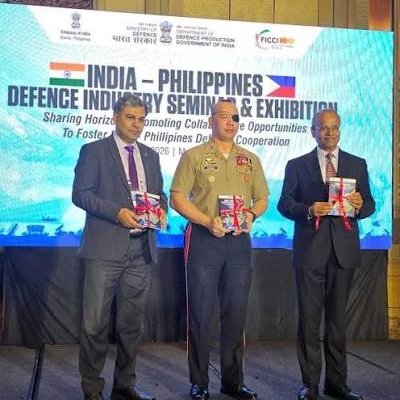
admin2026-10-04 22:13:502026-10-04 22:13:50BEYOND BRAHMOS — ADVANCING THE INDIA-PHILIPPINES DEFENCE INDUSTRIAL AND TECHNOLOGY COOPERATION
https://maritimeindia.org/wp-content/uploads/2026/10/SIHWAG-Sushmita-Aug-26-Image.jpeg
500
400
admin
https://maritimeindia.org/wp-content/uploads/2020/01/sm-logo.png
admin2026-10-04 22:13:502026-10-04 22:13:50BEYOND BRAHMOS — ADVANCING THE INDIA-PHILIPPINES DEFENCE INDUSTRIAL AND TECHNOLOGY COOPERATION https://maritimeindia.org/wp-content/uploads/2026/10/DIXIT-Priyasha-Aug-26-Image.jpg
941
1672
admin
https://maritimeindia.org/wp-content/uploads/2020/01/sm-logo.png
admin2026-10-02 08:01:082026-10-03 08:04:09INDIA-DENMARK COOPERATION ON GREEN SHIPPING, MARITIME DECARBONISATION, AND ENERGY TRANSITION
https://maritimeindia.org/wp-content/uploads/2026/10/DIXIT-Priyasha-Aug-26-Image.jpg
941
1672
admin
https://maritimeindia.org/wp-content/uploads/2020/01/sm-logo.png
admin2026-10-02 08:01:082026-10-03 08:04:09INDIA-DENMARK COOPERATION ON GREEN SHIPPING, MARITIME DECARBONISATION, AND ENERGY TRANSITION https://maritimeindia.org/wp-content/uploads/2026/09/Image-Kripa.png
1014
1551
admin
https://maritimeindia.org/wp-content/uploads/2020/01/sm-logo.png
admin2026-09-28 11:22:072026-09-28 11:22:07REVIEW OF “SECURITY COOPERATION IN THE PACIFIC ISLANDS: POLITICS, PRIORITIES, AND PATHWAYS OF THE REGIONAL SECURITY PATCHWORK”
https://maritimeindia.org/wp-content/uploads/2026/09/Image-Kripa.png
1014
1551
admin
https://maritimeindia.org/wp-content/uploads/2020/01/sm-logo.png
admin2026-09-28 11:22:072026-09-28 11:22:07REVIEW OF “SECURITY COOPERATION IN THE PACIFIC ISLANDS: POLITICS, PRIORITIES, AND PATHWAYS OF THE REGIONAL SECURITY PATCHWORK”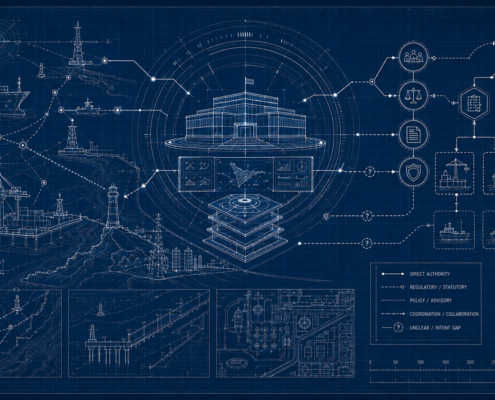 https://maritimeindia.org/wp-content/uploads/2026/09/AHMAD-Tariq-Aug-26-del-Image.png
887
1774
admin
https://maritimeindia.org/wp-content/uploads/2020/01/sm-logo.png
admin2026-09-28 10:12:512026-09-28 10:12:51DEFINING INTENT: A FRAMEWORK FOR MINISTERIAL DISASTER-MANAGEMENT PLANNING
https://maritimeindia.org/wp-content/uploads/2026/09/AHMAD-Tariq-Aug-26-del-Image.png
887
1774
admin
https://maritimeindia.org/wp-content/uploads/2020/01/sm-logo.png
admin2026-09-28 10:12:512026-09-28 10:12:51DEFINING INTENT: A FRAMEWORK FOR MINISTERIAL DISASTER-MANAGEMENT PLANNING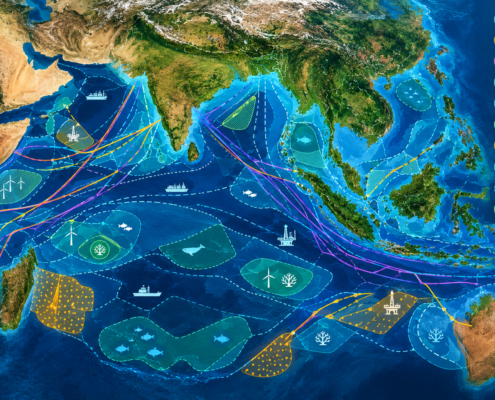 Credit: ChatGPT
https://maritimeindia.org/wp-content/uploads/2026/09/Chime-Article_.png
1024
1536
admin
https://maritimeindia.org/wp-content/uploads/2020/01/sm-logo.png
admin2026-09-28 10:02:202026-09-28 10:10:10MARINE SPATIAL PLANNING AS A STRATEGIC GOVERNANCE TOOL — INDIA’S DOMESTIC CAPABILITY AND REGIONAL LEADERSHIP IN THE INDIAN OCEAN
Credit: ChatGPT
https://maritimeindia.org/wp-content/uploads/2026/09/Chime-Article_.png
1024
1536
admin
https://maritimeindia.org/wp-content/uploads/2020/01/sm-logo.png
admin2026-09-28 10:02:202026-09-28 10:10:10MARINE SPATIAL PLANNING AS A STRATEGIC GOVERNANCE TOOL — INDIA’S DOMESTIC CAPABILITY AND REGIONAL LEADERSHIP IN THE INDIAN OCEAN https://maritimeindia.org/wp-content/uploads/2026/09/Image-for-Aug-26-del.png
1024
1536
admin
https://maritimeindia.org/wp-content/uploads/2020/01/sm-logo.png
admin2026-09-21 08:16:232026-09-21 20:18:27RETHINKING MARITIME CONNECTIVITY — TOWARDS CONNECTED MARITIME SYSTEMS
https://maritimeindia.org/wp-content/uploads/2026/09/Image-for-Aug-26-del.png
1024
1536
admin
https://maritimeindia.org/wp-content/uploads/2020/01/sm-logo.png
admin2026-09-21 08:16:232026-09-21 20:18:27RETHINKING MARITIME CONNECTIVITY — TOWARDS CONNECTED MARITIME SYSTEMS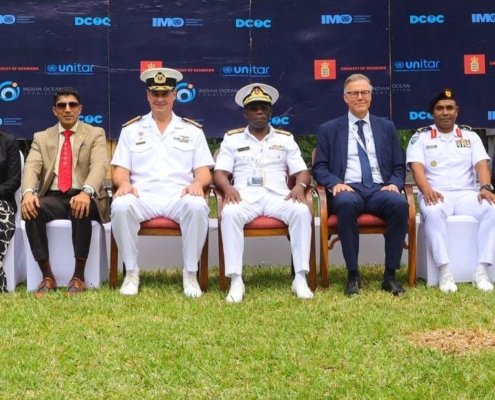 https://maritimeindia.org/wp-content/uploads/2026/09/Anum-Khan-Aug-26-Image.jpg
579
1892
admin
https://maritimeindia.org/wp-content/uploads/2020/01/sm-logo.png
admin2026-09-17 07:47:062026-09-17 07:47:06INDIA AND THE DJIBOUTI CODE OF CONDUCT — TOWARDS A BOTTOM-UP APPROACH TO REGIONAL MARITIME SECURITY (PART 2)
https://maritimeindia.org/wp-content/uploads/2026/09/Anum-Khan-Aug-26-Image.jpg
579
1892
admin
https://maritimeindia.org/wp-content/uploads/2020/01/sm-logo.png
admin2026-09-17 07:47:062026-09-17 07:47:06INDIA AND THE DJIBOUTI CODE OF CONDUCT — TOWARDS A BOTTOM-UP APPROACH TO REGIONAL MARITIME SECURITY (PART 2)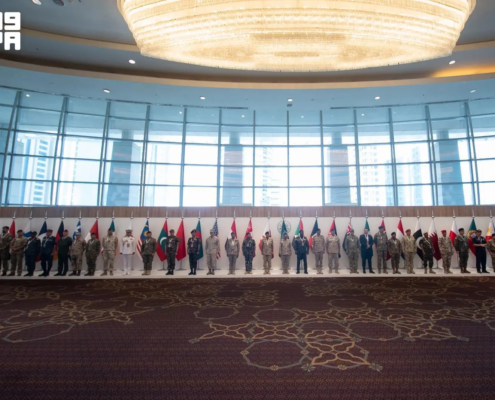 https://maritimeindia.org/wp-content/uploads/2026/08/THAKUR-Aditi-Aug-26-del-image.webp
1068
1600
admin
https://maritimeindia.org/wp-content/uploads/2020/01/sm-logo.png
admin2026-08-30 21:12:482026-08-30 21:12:48SAUDI ARABIA’S MULTINATIONAL MARITIME DEFENCE ALLIANCE — IMPLICATIONS FOR INDIA
https://maritimeindia.org/wp-content/uploads/2026/08/THAKUR-Aditi-Aug-26-del-image.webp
1068
1600
admin
https://maritimeindia.org/wp-content/uploads/2020/01/sm-logo.png
admin2026-08-30 21:12:482026-08-30 21:12:48SAUDI ARABIA’S MULTINATIONAL MARITIME DEFENCE ALLIANCE — IMPLICATIONS FOR INDIA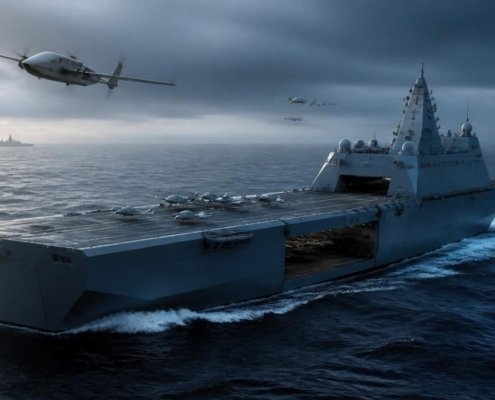 https://maritimeindia.org/wp-content/uploads/2026/08/Untitled-design-3.jpg
900
1600
admin
https://maritimeindia.org/wp-content/uploads/2020/01/sm-logo.png
admin2026-08-17 12:38:382026-08-17 12:44:22THE DRONE MOTHERSHIP PROBLEM: WHAT CHINA’S NAVAL WRITINGS REVEAL ABOUT INDIA’S FUTURE LPDS
https://maritimeindia.org/wp-content/uploads/2026/08/Untitled-design-3.jpg
900
1600
admin
https://maritimeindia.org/wp-content/uploads/2020/01/sm-logo.png
admin2026-08-17 12:38:382026-08-17 12:44:22THE DRONE MOTHERSHIP PROBLEM: WHAT CHINA’S NAVAL WRITINGS REVEAL ABOUT INDIA’S FUTURE LPDS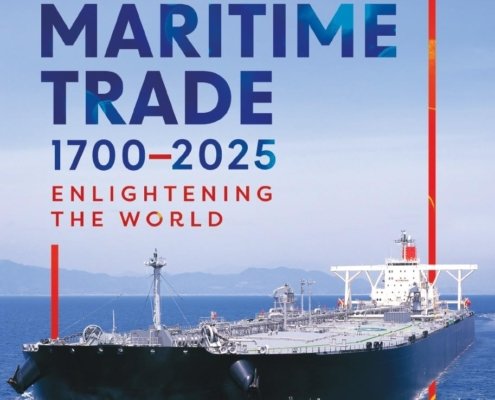 https://maritimeindia.org/wp-content/uploads/2026/08/DIXIT-Priyasha-Jul-26-Image.jpg
1357
913
admin
https://maritimeindia.org/wp-content/uploads/2020/01/sm-logo.png
admin2026-08-11 13:06:152026-08-11 13:06:15REVIEW OF “THE ASCENT OF MARITIME TRADE 1700-2025: ENLIGHTENING THE WORLD” NICK COLLINS. GARUD PRAKASHAN PVT LTD, 2026. 349 PAGES, ISBN: 978-93-47691-24-9, RS 699 (PAPERBACK)
https://maritimeindia.org/wp-content/uploads/2026/08/DIXIT-Priyasha-Jul-26-Image.jpg
1357
913
admin
https://maritimeindia.org/wp-content/uploads/2020/01/sm-logo.png
admin2026-08-11 13:06:152026-08-11 13:06:15REVIEW OF “THE ASCENT OF MARITIME TRADE 1700-2025: ENLIGHTENING THE WORLD” NICK COLLINS. GARUD PRAKASHAN PVT LTD, 2026. 349 PAGES, ISBN: 978-93-47691-24-9, RS 699 (PAPERBACK)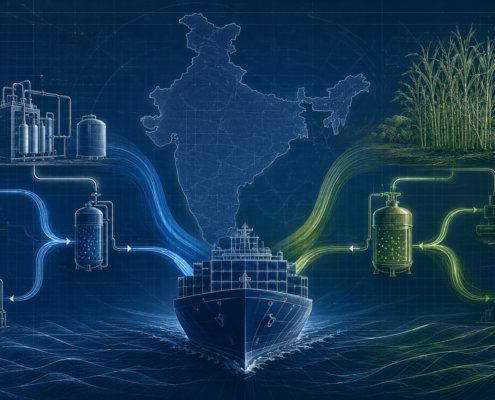 https://maritimeindia.org/wp-content/uploads/2026/08/AHMAD-Tariq-Jul-26-del-Image.png
887
1774
admin
https://maritimeindia.org/wp-content/uploads/2020/01/sm-logo.png
admin2026-08-11 11:04:582026-08-11 11:04:58INDIA’S MARITIME ALTERNATIVE FUEL POLICY— EVALUATING TRANSITION PATHWAYS FOR CARBON NEUTRALITY AND ENERGY SECURITY
https://maritimeindia.org/wp-content/uploads/2026/08/AHMAD-Tariq-Jul-26-del-Image.png
887
1774
admin
https://maritimeindia.org/wp-content/uploads/2020/01/sm-logo.png
admin2026-08-11 11:04:582026-08-11 11:04:58INDIA’S MARITIME ALTERNATIVE FUEL POLICY— EVALUATING TRANSITION PATHWAYS FOR CARBON NEUTRALITY AND ENERGY SECURITY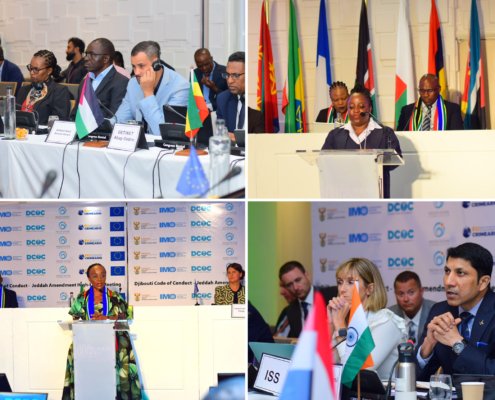 https://maritimeindia.org/wp-content/uploads/2026/08/Anum-Khan-Jul-26-Image.jpg
1688
2250
admin
https://maritimeindia.org/wp-content/uploads/2020/01/sm-logo.png
admin2026-08-11 06:53:092026-08-11 06:53:09 INDIA AND THE DJIBOUTI CODE OF CONDUCT: TOWARDS A BOTTOM-UP APPROACH TO REGIONAL MARITIME SECURITY (PART 1)
https://maritimeindia.org/wp-content/uploads/2026/08/Anum-Khan-Jul-26-Image.jpg
1688
2250
admin
https://maritimeindia.org/wp-content/uploads/2020/01/sm-logo.png
admin2026-08-11 06:53:092026-08-11 06:53:09 INDIA AND THE DJIBOUTI CODE OF CONDUCT: TOWARDS A BOTTOM-UP APPROACH TO REGIONAL MARITIME SECURITY (PART 1)