
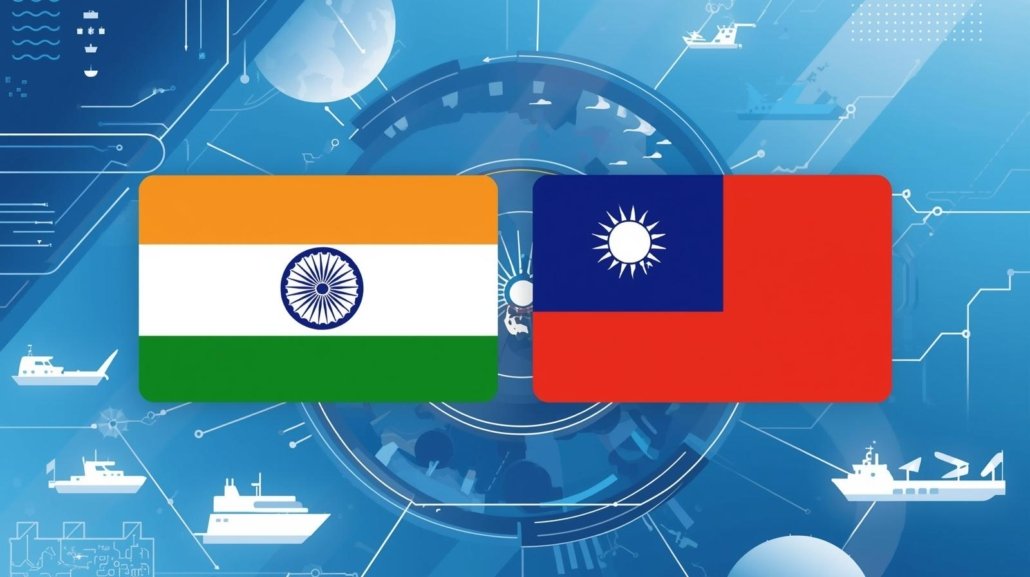
This study positions the Blue Economy as a strategic instrument of foreign policy through which States drive diplomatic leverage by advancing sustainable ocean governance, institutional leadership, and coalition-building amid the evolving geopolitical complexities of the Indo-Pacific. Rather than treating the Blue Economy solely as an environmental or development framework, the paper conceptualises it as a policy domain through which States translate sustainability commitments into influence, legitimacy, and strategic resilience.
The strategic use of the Blue Economy in diplomacy builds on earlier precedents. Small Island Developing States (SIDS) were amongst the first actors to mobilise ocean-centred narratives as a form of diplomatic leverage, most notably during the Rio+20 Summit in 2012, where they elevated climate vulnerability, marine stewardship, and sustainable development within global development and climate agendas.[1] By reframing the ocean not merely as an economic resource but as a foundation of survival, equity, and global environmental responsibility, SIDS repositioned ocean governance as a normative issue of sustainability and justice rather than one centred on extraction or sectoral growth. This reframing laid important conceptual groundwork for the subsequent institutionalisation of the Blue Economy as a recognised policy paradigm.
Regional and major powers have since adapted the Blue Economy framework to advance collective and strategic interests. The Association of Southeast Asian Nations (ASEAN), for example, formalised the Blue Economy as a cross-cutting agenda linking economic growth, environmental protection, and regional cooperation through the ASEAN Leaders’ Declaration on the Blue Economy adopted in 2021.[2] Similarly, actors such as the European Union[3] and the United States[4] have increasingly used Blue Economy narratives to align economic innovation with strategic priorities. In these contexts, initiatives on sustainable fisheries, marine pollution control, offshore renewable energy, blue carbon ecosystems, and ocean conservation are framed as dual-use instruments that advance sustainability objectives while reinforcing geopolitical interests.
Against this backdrop, the paper examines how India and Taiwan—two distinct but complementary maritime actors—have operationalised the Blue Economy within their foreign policy and strategic frameworks, and explores opportunities for functional cooperation between them. It argues that the India–Taiwan case illustrates how the Blue Economy has evolved from a sustainability-oriented development concept into a flexible foreign policy instrument that can be adapted to asymmetric strategic constraints. While India deploys the Blue Economy through scale, investment mobilisation, and regional agenda-setting, Taiwan relies on governance performance, technological credibility, and delivery capacity under conditions of constrained diplomatic space. Their comparison offers broader insights into how ocean governance can be leveraged to generate influence, resilience, and cooperation in the Indo-Pacific.
Conceptualising the Blue Economy as a Foreign Policy Instrument
This study conceptualises the Blue Economy as a practical foreign policy tool rather than a rhetorical or aspirational framework. It demonstrates how States leverage Blue Economy-related policies—ranging from sustainable fisheries management, marine ecosystem protection, green ports, offshore renewable energy, and ocean data sharing—to generate diplomatic influence, build partnerships, and strengthen long-term strategic capacity. In this framing, the Blue Economy operates as an integrative policy space that connects sustainability goals, institutional engagement, and public investment to shape cooperation, particularly in the Indo-Pacific.
Drawing on Robert Keohane’s and Joseph Nye’s theory of complex interdependence, the Blue Economy can be understood as a form of issue-based cooperation in which States engage selectively across specific maritime and environmental policy domains without requiring broader political alignment.[5] As environmental, economic, and technological interconnections deepen, unilateral action becomes increasingly costly, especially in managing transboundary maritime challenges. The Blue Economy provides a practical arena through which this interdependence is translated into cooperative action on issues that no single country can address independently.
Maritime challenges such as declining fish stocks, marine pollution, climate impacts on critical infrastructure (including ports and undersea cables), offshore energy development, and disaster risk reduction require technically grounded and collaborative responses. Cooperation in these areas is typically problem-driven rather than politically aligned, centred on joint research, data exchange, pilot initiatives, and capacity-building. This functional orientation reduces political friction, facilitates trust through repeated interaction, and produces tangible outcomes that sustain cooperation over time.
The foreign policy value of the Blue Economy lies in its ability to convert shared sustainability objectives into influence within regional and global governance institutions. By aligning the Blue Economy strategies with established international frameworks—such as the Sustainable Development Goals,[6] the Convention on Biological Diversity,[7] the Paris Agreement,[8] and principles of equity and common heritage under the United Nations Convention on the Law of the Sea (UNCLOS)[9]—States gain legitimacy to shape how ocean challenges are defined and how responses are prioritised. This legitimacy often translates into leadership roles in regional bodies, and access to development finance and technical partnerships, allowing States to exercise influence without reliance on coercion or formal alliances.
While the Blue Economy does not necessarily resolve geopolitical tensions,[10] it can stabilise relations by sustaining baseline channels of engagement through data systems, expert networks, and institutional linkages that endure even during periods of political strain.[11] Operating across multiple institutional arenas,[12] the Blue Economy offers flexibility but also risks fragmentation,[13] making coherence between policy rhetoric and implementation essential. Importantly, the Blue Economy blurs conventional distinctions between “soft” and “hard” power. Investments in offshore renewable energy, port resilience, maritime domain awareness, and marine data infrastructure simultaneously advance economic, environmental, and security objectives.
India and Taiwan as Blue Economy Actors in the Indo-Pacific
Blue Economy strategies must be situated within the broader transformation of ocean governance. Ocean spaces, long treated as open commons, are now sites of intensifying contestation driven by “blue acceleration”—the rapid expansion of human activities such as industrial fishing, offshore energy development, seabed mining interest, and maritime infrastructure.[14] These pressures are compounded by climate-induced stressors, including ocean warming, acidification, sea-level rise, and ecosystem degradation. Together, these dynamics have transformed the ocean into a strategic domain where ecological sustainability, economic resilience, and geopolitical competition increasingly intersect.
In this context, the Blue Economy has emerged as a mechanism through which States exercise influence not primarily through territorial control or hard power, but through norm-setting, institutional leadership, and cooperative problem-solving. By translating global commitments into actionable policy instruments, including marine protected areas, climate-resilient coastal communities, blue finance initiatives, and equity-oriented governance frameworks, States deploy the Blue Economy to project diplomatic credibility and shape regional norms.
Against this backdrop, India and Taiwan represent two analytically instructive cases. India, as a major maritime power, deploys the Blue Economy as a tool of regional leadership, agenda-setting, and the provision of maritime public goods. Taiwan, by contrast, is a technologically advanced but diplomatically constrained actor that relies on governance performance and technical credibility as sources of influence. Taken together, these cases illustrate how the Blue Economy can function as a flexible foreign policy instrument, adaptable to divergent strategic conditions within the Indo-Pacific.
India’s Approach: Scale-Driven Blue Diplomacy
India conceptualises the Blue Economy primarily as a subset of the national economy, encompassing ocean resources and maritime activities linked to economic growth, employment generation, environmental sustainability, and national security.[15] Policy documents of India’s Ministry of Earth Sciences frame the Blue Economy as a multi-sectoral development driver spanning ports and logistics, fisheries and aquaculture, offshore energy, coastal tourism, and emerging marine industries. This reflects India’s broader development-oriented policy tradition, in which ocean-based sectors are positioned as engines of growth and competitiveness, with sustainability and strategic resilience incorporated largely as enabling and risk-mitigating conditions.
India’s contemporary Blue Economy agenda reflects a broader maritime reorientation in national strategy. Despite India’s geography positioning it as a central maritime actor—from the transoceanic trade networks of the Harappan civilisation to enduring commercial and cultural linkages across the Indian Ocean[16]—its post-Independence strategic imagination remained for long, predominantly land-centric. National security planning, development policy, and climate strategy focused overwhelmingly on continental borders. Growing maritime security challenges, escalating coastal climate risks, and intensifying Indo-Pacific competition have since prompted a reassessment of the ocean’s strategic significance. As a result, maritime governance has been elevated within India’s foreign policy toolkit, with the Blue Economy increasingly framed not only as a development pathway but as a strategic instrument linking economic resilience, climate action, and regional engagement.
This orientation was formally articulated with the introduction of India’s Draft Blue Economy Policy in 2020.[17] The draft policy defines the Blue Economy as an integrated framework for the sustainable utilisation of the maritime domain, structured around seven interconnected pillars, encompassing marine resources; fisheries and aquaculture; maritime infrastructure and logistics; offshore energy; coastal tourism and marine spatial planning; emerging marine industries; and security with international cooperation.[18] Although the policy remains work-in-progress, it nevertheless reflects an effort to align economic expansion with environmental sustainability and strategic imperatives, signalling a gradual shift from sectoral management toward a more integrated maritime development vision.
In practice, India has advanced its Blue Economy agenda through a suite of mission-oriented and sectoral initiatives that together provide de facto operationalisation. These include the Maritime Amrit Kaal Vision 2047, the SAGARMALA programme for port-led development, the Deep Ocean Mission focused on marine science and technology, the Pradhan Mantri Matsya Sampada Yojana for sustainable fisheries and aquaculture,[19] and pilot Marine Spatial Planning (MSP) exercises aimed at integrating ecological protection, economic use, and governance coherence in coastal and marine spaces, notably in Puducherry and Lakshadweep.[20] This trajectory is further consolidated in the Ministry of Earth Sciences’ 2025 white paper, “Transforming India’s Blue Economy: Investment, Innovation and Sustainable Growth”, which outlines an explicitly investment-driven roadmap aimed at strengthening maritime security, accelerating ocean-based economic growth, and deepening regional and international partnerships.[21]
A distinctive feature of India’s approach is the deliberate outward extension of its Blue Economy agenda into the foreign policy domain. This is most clearly reflected in the Indo-Pacific Oceans Initiative (IPOI), which provides first-order specificity to India’s maritime policy that is encapsulated in the acronym MAHASAGAR (Mutual and Holistic Advancement for Security and Growth Across Regions)[22] and aligns with the broader holistic maritime security and development narrative of Viksit Bharat 2047. Structured as a web with seven deeply interconnected thematic pillars/spokes, the IPOI promotes best-practice exchange, capacity-building, and coordinated regional action across maritime lines-of-thrust such as maritime ecology, sustainable fisheries, disaster risk reduction, maritime transport, and capacity development.[23] Through the IPOI, India positions ocean governance as a platform for regional cooperation rather than a purely domestic development agenda.
Taken together, these initiatives reflect a substantive reorientation of India’s strategic outlook. The ocean is no longer treated as a peripheral space, but as a central arena where economic resilience, climate action, and regional geopolitics intersect. India’s Blue Economy agenda increasingly functions as an instrument of scale-driven blue diplomacy, leveraging domestic investment capacity, institutional reach, and market size to shape regional agendas and deliver maritime public goods across the Indo-Pacific.
This orientation is evident in India’s expanding Blue Economy–related external cooperation. Manifestations of India’s translation of domestic priorities into external engagement are to be found in its bilateral initiatives with Norway (through the joint India–Norway Task Force on the Blue Economy for Sustainable Development);[24] with Australia (across maritime ecology, marine pollution reduction, maritime security, and science and technology cooperation);[25] and with Japan (particularly in clean energy and emerging technologies).[26] At the regional level, frameworks such as the Quad, BIMSTEC, and the Indian Ocean Rim Association (IORA) increasingly position ocean-governance, sustainability, and capacity-building as core pillars of cooperation, reinforcing India’s role as a convenor and agenda-setter in regional maritime governance.
While the foregoing examples are uniformly encouraging, this is not to state that there are no structural constraints in India’s approach nor to trivialise the magnitude of their impact. Institutional coordination across ministries is certainly still uneven, implementation capacity varies across coastal States, and the absence of a legally anchored, whole-of-government ocean governance framework limits the systematic integration of ecological resilience. Consequently, sustainability and security often function as facilitating conditions rather than core organising principles, posing challenges for the long-term credibility of India’s scale-driven Blue Economy diplomacy.
Taiwan’s Approach: Governance-Through-Performance under Constrained Sovereignty
For Taiwan, the ocean is not merely a geographic setting but a foundational determinant of its historical trajectory, national identity, and strategic orientation. From early Austronesian maritime migrations to its integration into regional and global trading networks, Taiwan’s social, cultural, and economic development has been deeply intertwined with the sea.[27] Located at a critical maritime crossroads in the western Pacific, Taiwan has long functioned as a connective node linking East Asia, Southeast Asia, and the wider Indo-Pacific, shaping its outward-looking culture, commercial integration, and enduring strategic relevance.
In contemporary policy, the ocean underpins Taiwan’s national resilience while simultaneously exposing it to acute geopolitical and climate risks. Taiwan’s Blue Economy strategy therefore operates as a form of “blue diplomacy” under conditions of constrained sovereignty. Rather than relying on formal diplomatic recognition or agenda-setting power, Taiwan prioritises the provision of transnational public goods—such as ocean sustainability, maritime safety, and climate-resilient nation—to convert governance performance into diplomatic capital.
Unlike India, Taiwan does not articulate the Blue Economy through a standalone policy. Instead, blue economy objectives are embedded within a legally-anchored, whole-of-government ocean governance framework, most clearly articulated in the “2025 National Ocean Policy White Paper” issued by the “Ocean Affairs Council”.[28] Anchored in the “Ocean Basic Act” of 2019,[29] this White Paper integrates industrial modernisation, ecological resilience, and maritime defence, reflecting Taiwan’s distinctive geopolitical constraints and its exposure to grey-zone maritime pressure in the Taiwan Strait.[30]
The White Paper serves as Taiwan’s principal strategic document for ocean governance, encompassing maritime rights and interests, maritime security and safety, marine environmental protection, blue economy development, maritime culture and education, and ocean science and technology. [31] This comprehensive scope reflects a governance approach in which the ocean is conceptualised simultaneously as a security domain, an ecological system, and a socio-economic space central to national resilience.
Within this framework, the Blue Economy is treated as one pillar of a broader ocean–society relationship structured around the objectives of a “safe ocean”, a “sustainable ocean”, and an “ocean of shared prosperity”. Economic development is explicitly subordinated to overarching goals of ecological integrity, governance coherence, and national resilience. Policy emphasis is placed on ecosystem-based management, renewable energy, green shipping, marine innovation, and inclusive participation. Rather than treating security and sustainability as separate domains, Taiwan advances an integrated governance model that reflects the convergence of climate risk, economic resilience, and maritime security.
Taiwan’s Blue Economy international approaches and endeavours are also shaped by its limited formal diplomatic recognition. Consequently, to build credibility and partnerships, Taiwan relies on performance-based engagement, using technical expertise, regulatory standards, and demonstrable delivery. It participates through structures such as “Asia-Pacific Economic Cooperation” (APEC), technical working groups, and voluntary sustainability initiatives, contributing data, research, and best practices rather than seeking formal leadership roles. Taiwan’s strengths lie in technological capability, regulatory quality, and project delivery—particularly in offshore wind energy, marine innovation, and coastal management—though its influence remains constrained by limited access to regional decision-making bodies and large-scale development finance.
Convergence and Framework for India–Taiwan Cooperation in the Blue Economy
The contrast between India’s scale-driven, growth-oriented Blue Economy framework and Taiwan’s governance-centred, performance-based approach creates substantial scope for cooperation that is both politically de-risked and strategically consequential. India contributes market depth, investment capacity, regional convening power, and diplomatic reach, particularly across the Indian Ocean. Taiwan, in turn, offers technological sophistication, regulatory coherence, and strong implementation capacity in advanced maritime sectors. Together, these complementary strengths demonstrate how differentiated governance models can be mutually reinforcing, transforming sustainability-oriented ocean cooperation into a stabilising instrument of regional engagement rather than a source of geopolitical friction.
Crucially, this complementarity enables India–Taiwan cooperation to proceed through functional, project-based pathways that deliver tangible maritime public goods while avoiding overt political signalling. By anchoring cooperation in shared challenges—including climate risk, resource sustainability, infrastructure resilience, technological transition, and the mitigation of marine pollution and illegal, unreported, and unregulated (IUU) fishing—both actors can advance strategic objectives indirectly through governance performance, standards-setting, and capacity-building. This mode of engagement allows strategic alignment to emerge through practice rather than formal political alignment, reducing geopolitical sensitivity while preserving strategic value.
Taken together, these dynamics provide the basis for a structured India–Taiwan cooperation framework for the Blue Economy. The differing approaches adopted by the two actors are not a source of divergence but a foundation for role differentiation and burden-sharing. India’s investment-led and regionally anchored strategy offers scale, financing pathways, pilot geographies, and access to India-led or India-supported regional platforms. Taiwan’s governance-centred and performance-driven model contributes advanced technologies, regulatory standards, project management expertise, and monitoring systems that enhance quality, sustainability, and delivery. This division of labour increases the likelihood that cooperation will generate concrete outcomes rather than remaining at the level of declaratory partnership.
Priority Areas for India–Taiwan Cooperation in the Blue Economy
Taiwan’s inadequacies in freshwater-security are a strategic vulnerability for its economy, particularly its globally dominant semiconductor sector.[32] Despite high annual rainfall, Taiwan can utilise only a fraction of this precipitation for effective enhancement of freshwater, and the island is ranked among regions with low renewable water availability per capita.[33] Seasonal droughts and climate variability have repeatedly pushed reservoirs to critically low levels, forcing water rationing and emergency measures during severe dry periods, such as the 2021 drought, which was the worst in decades and required trucking of water to key industries.[34] The “Taiwan Semiconductor Manufacturing Company” (TSMC) alone has been reported to consume a significant share of local water supplies, highlighting the industrial dimension of the scarcity problem.[35]
Bilateral Cooperation: Freshwater Security and Low Temperature Thermal Desalination (LTTD) Technologies
Current Taiwanese responses to chronic water scarcity encompass reservoir management, inter-basin transfers, groundwater regulation, industrial water recycling, and the expansion of desalination capacity, particularly through reverse osmosis facilities located near industrial zones.[36] In a major recent development, SUEZ, in partnership with CTCI Group and Hung Hua Engineering, commenced construction of Taiwan’s first large-scale municipal reverse osmosis desalination plant in Hsinchu.[37] Valued at NT$17.7 billion (approximately €508 million), this project aims to enhance regional water security by augmenting conventional freshwater supplies with seawater desalination capacity.[38] However, conventional reverse osmosis desalination systems remain energy-intensive, financially costly, and associated with environmental and brine-disposal concerns.[39] Centralised facilities of this scale are also less effective in serving smaller coastal communities and offshore island outposts, where economic and grid constraints compound logistical challenges.[40] These limitations reveal a structural gap in Taiwan’s water security architecture: the need for decentralised, lower-energy, climate-resilient freshwater solutions that can contribute to long-term supply security without disproportionately increasing energy demand or ecological risk.
In this context, India’s experience with Low Temperature Thermal Desalination (LTTD) technology offers a complementary pathway for addressing freshwater scarcity in island and coastal environments.[41] Developed by the National Institute of Ocean Technology (NIOT) under India’s Ministry of Earth Sciences, LTTD exploits the temperature gradient between warm surface seawater and cold deep seawater to produce potable water with relatively low energy input,[42] without reliance on high-pressure membrane systems.[43] India’s successful deployment of LTTD plants in the Lakshadweep islands demonstrates the viability of decentralised, low-energy desalination solutions directly relevant to Taiwan’s offshore islands and water-stressed coastal zones.
LTTD’s lower energy footprint, modularity, and suitability for small-scale and remote applications[44] make it a plausible complement to Taiwan’s existing desalination portfolio. Collaborative pilot projects in offshore islands or water-stressed coastal zones could adapt the technology to local oceanographic and regulatory conditions, supported by joint research on hybrid systems integrating LTTD with renewable energy and smart water distribution. Public–private partnerships linking Indian research institutions with Taiwanese utilities and industry would facilitate technology transfer, regulatory alignment, and scalability. Strategically, such cooperation reframes ocean-based freshwater solutions as instruments of resilience that support both industrial continuity and community water security, reinforcing the Blue Economy as a functional tool of India–Taiwan cooperation and regional engagement.
Bilateral and Industrial Cooperation in Shipbuilding and Maritime Industries
India’s shipbuilding and maritime industrial ecosystem has entered a phase of strategic expansion, driven by a deliberate policy effort to rebuild national capacity and enhance global competitiveness. In September 2025, the Union Cabinet approved a ₹69,725 crore package structured around four pillars: capacity expansion, long-term financing, shipyard development, and skills and institutional strengthening, supported by enabling legal and taxation reforms.[45] Key measures include extending the Shipbuilding Financial Assistance Scheme (SBFAS) until March 2036, establishing a National Shipbuilding Mission, creating a dedicated Maritime Development Fund, and launching the Shipbuilding Development Scheme (SbDS) to expand annual shipbuilding capacity to approximately 4.5 million gross tonnes through cluster-based growth and risk-coverage mechanisms.[46] Together, these interventions signal India’s intent to scale domestic shipbuilding, reduce dependence on foreign-built vessels, generate skilled employment, and reposition shipbuilding as a strategic industrial sector.
This policy momentum is embedded within the broader Maritime Amrit Kaal Vision 2047 and the SAGARMALA programme, which aim to transform India into a globally competitive maritime hub by 2047 through integrated port-led development, shipbuilding expansion, and deeper integration into global maritime value chains.[47] Recent international partnerships demonstrate how targeted technological collaboration can accelerate this trajectory. For example, Cochin Shipyard Limited’s partnership with HD Korea Shipbuilding & Offshore Engineering explores the large commercial vessels construction in India, leveraging CSL’s new large dry dock and a planned ₹3,700 crore shipbuilding and fabrication facility in Kochi.[48] This collaboration demonstrates how India’s expanding infrastructure and market scale can be paired with advanced foreign shipbuilding expertise to generate employment, catalyse MSME-linked supply chains, and rapidly expand capacity.
Taiwan has advanced its shipbuilding sector along a distinct but complementary pathway shaped by strategic and economic imperatives. Indigenous naval shipbuilding programmes have produced platforms such as the Yushan Class Landing Platforms Dock, strengthening defence self-sufficiency,[49] while civilian shipbuilding has diversified, with industry revenues rising by over 25 per cent in 2019.[50] Taiwan’s shipyards have also expanded into adjacent maritime sectors, notably offshore renewable energy. A landmark development was the launch of the Green Jade in April 2022—Taiwan’s first domestically built offshore wind installation vessel.[51] Constructed by CSBC Corp, Taiwan, the 216.5-metre vessel, with a 4,000-tonne lifting capacity, is among the world’s largest crane ships and was commissioned through the CSBC–DEME joint venture to support major offshore wind projects, aligning shipbuilding with Taiwan’s 2050 net-zero ambitions.[52]
Crucially, Taiwan does not compete with India in volume shipbuilding or large-scale maritime industrial output. Its relevance lies instead in providing complementary capabilities in vessel design, modular construction, precision manufacturing, and the development of specialised platforms.[53] This positions Taiwan as a technology and systems partner capable of supporting India’s progression up the shipbuilding value chain rather than as a parallel producer.[54] Unlike Korea’s model of mass commercial shipbuilding and heavy industrial replication, Taiwan’s comparative advantage is rooted in design-led, modular, and niche specialisation—capabilities that can be embedded within India’s scale-driven expansion without duplicating capacity or distorting domestic industrial priorities.
Taken together, India’s policy-backed scale and market momentum and Taiwan’s technological sophistication and systems integration expertise create a credible foundation for value-creating cooperation under the Blue Economy framework. Such collaboration enables co-design of advanced and low-carbon vessels, targeted technology transfer in priority segments, and coordinated participation in third-country Indo-Pacific markets, allowing both actors to enhance industrial competitiveness while contributing to regional maritime public goods.
Maritime Domain Awareness as a Blue Economy Governance Tool
As China has intensified illegal, grey-zone maritime operations—including illegal, unreported, and unregulated (IUU) fishing, the deployment of large foreign fishing fleets, research vessels, and other opaque maritime activities[55]—both India and Taiwan have faced growing challenges to maritime governance and ocean sustainability.[56] While these activities have long been concentrated in waters surrounding Taiwan, they are increasingly visible across the Indian Ocean Region (IOR), underscoring the transregional nature of China’s maritime footprint.[57] In response, Taiwan routinely monitors a wide spectrum of maritime activity in its surrounding waters, generating high-quality datasets on vessel movements, fishing behaviour, research-vessel operations, and anomalous patterns associated with grey-zone coercion. These monitoring functions produce analytically valuable information directly relevant to fisheries governance, task force, maritime safety, and the maintenance of a rules-based ocean order.[58]
Within this context, India–Taiwan cooperation on Maritime Domain Awareness (MDA) should be framed not as a formal security or enforcement arrangement, but as a functional, data-centric collaboration anchored in Blue Economy objectives. Taiwan could share selected datasets, analytical outputs, and risk indicators—derived from systems such as the National Ocean Data and Analysis System (NODASS)—with Indian institutions, including the Indian National Centre for Ocean Information Services (INCOIS) and associated maritime information-fusion mechanisms. India, in turn, could integrate these inputs with its broader oceanographic, satellite-based, and AIS/VMS-enabled monitoring capabilities to enhance regional situational awareness across the Indo-Pacific.
Such an arrangement would allow both sides to address IUU fishing, opaque vessel behaviour, and research-vessel activities without overtly securitising the cooperation or triggering geopolitical sensitivities. By prioritising transparency, anomaly detection, and cooperative information exchange—rather than joint enforcement or command structures—this approach positions MDA as a Blue Economy governance tool rather than a military instrument. Strategically, it enables Taiwan to contribute meaningfully to regional maritime stability through performance-based data credibility, while reinforcing India’s role as a regional maritime information hub and provider of maritime public goods in the Indo-Pacific.
Joint Research Opportunity: Natural Capital and Ecosystem Accounting: Rethinking the Value of the Blue Economy
A significant joint research opportunity for India and Taiwan lies in the development of a robust natural capital and ecosystem accounting framework for the Blue Economy, an area that remains underdeveloped in both countries. The adoption of such a framework is critical, as it enables States to systematically capture the economic value of ocean-based activities alongside the ecological services that sustain them. India’s Draft Blue Economy Policy Framework explicitly recognises this need through its proposed National Accounting Framework for the Blue Economy and Ocean Governance,[59] yet in practice the Blue Economy is estimated to contribute only around 4.1% to India’s GDP,[60] suggesting that ocean-based activities continue to be treated as a distinct economic subset rather than as an economy-wide organising framework. A comparable pattern is evident in Taiwan, where the blue economy accounted for approximately 3.3 % of GDP (around USD 19 billion) in 2019,[61] despite Taiwan’s status as an island economy with deep structural dependence on marine systems. In both cases, the Blue Economy is conceptualised as a subsector within broader ocean or development strategies, with Taiwan in particular positioning blue economy activities primarily within the investment and industrial development component of its ocean policy.
This shared limitation highlights a clear avenue for collaborative research: India and Taiwan could jointly develop methodologies for marine natural capital accounting, ecosystem service valuation, and integration of ocean assets into national economic planning. Such cooperation—combining India’s policy experimentation with accounting frameworks and Taiwan’s strengths in data systems, environmental governance, and marine science—would help bridge the gap between economic valuation and ecosystem resilience. By embedding ecosystem accounting into Blue Economy strategies, both countries could strengthen climate adaptation, improve long-term economic stability, and enhance the credibility of the Blue Economy as a foundation for sustainable and shock-resilient development, while simultaneously advancing functional blue diplomacy in the Indo-Pacific.
Conclusion
This study has argued that the Blue Economy should be understood not merely as an environmental or development framework, but as a functional instrument of foreign policy through which States translate sustainability commitments into diplomatic influence, institutional leadership, and strategic resilience. By situating the Blue Economy within the logic of complex interdependence and issue-based cooperation, the paper demonstrates how ocean governance has evolved into a practical arena for selective, problem-driven engagement under conditions of geopolitical competition, particularly in the Indo-Pacific.
The comparative analysis of India and Taiwan illustrates how the Blue Economy can be adapted to markedly different strategic contexts. India deploys the Blue Economy through scale, investment mobilisation, and regional agenda-setting, leveraging market size, institutional reach, and convening power to provide maritime public goods and shape regional norms. Taiwan, operating under constrained sovereignty and diplomatic space, advances a governance-through-performance model in which regulatory coherence, technological credibility, and delivery capacity are converted into diplomatic capital. Together, these cases show that the Blue Economy is not a uniform policy template, but a flexible foreign policy instrument capable of accommodating asymmetric capabilities and constraints.
The paper further demonstrates that cooperation under the Blue Economy is most effective when it is functional rather than declaratory. Areas such as freshwater security, shipbuilding and maritime industries, maritime domain awareness, and natural capital and ecosystem accounting illustrate how technically grounded collaboration can generate tangible outcomes while minimising political sensitivity. Such cooperation does not eliminate geopolitical tensions, but it can stabilise relations by sustaining baseline channels of engagement, building trust through repeated interaction, and embedding cooperation within overlapping institutional and governance frameworks.
At a broader level, the findings contribute to ongoing debates on ocean governance and Indo-Pacific order by highlighting the growing convergence of sustainability, security, and economic resilience. As climate risks intensify and maritime spaces become increasingly contested, the Blue Economy offers States a means of exercising influence through norms, standards, and institutions rather than coercion. However, its effectiveness depends on coherence between policy rhetoric and implementation, coordination across fragmented governance arenas, and the ability to embed ecological resilience as a core organising principle rather than a secondary consideration.
For India and Taiwan, the Blue Economy provides a politically de-risked yet strategically meaningful platform for cooperation that aligns with both actors’ interests and constraints. More broadly, the study suggests that the Blue Economy’s greatest foreign policy value lies not in grand strategic alignment, but in its capacity to operationalise cooperation on shared and transboundary challenges. In an Indo-Pacific marked by strategic rivalry and climate vulnerability, such functional, governance-led engagement is likely to become an increasingly important pathway for sustaining regional stability and collective resilience.
*******
About the Author
Dr Chime Youdon is a Research Fellow at the National Maritime Foundation and heads its “Resilience, Sustainability, and Ocean Resources” (RSOR) Cluster. Her research is centred upon climate risk, resilience, and sustainable transitions in the coastal and maritime domain. She works at the intersection of climate science, governance, and ocean policy, with a regional focus on India and the broader Indo-Pacific.
Endnotes:
[1] United Nations General Assembly, The Future We Want: Outcome Document of the United Nations Conference on Sustainable Development (Rio+20). New York: United Nations, 2012. https://sustainabledevelopment.un.org/futurewewant.html
[2] Association of Southeast Asian Nations (ASEAN) Secretariat. ASEAN Blue Economy Framework. Adopted by ASEAN Heads of State/Government, Jakarta, Indonesia, 5 September 2023. ASEAN Secretariat, 2023. https://asean.org/wp-content/uploads/2023/09/ASEAN-Blue-Economy-Framework.pdf
[3] European Commission, On a New Approach for a Sustainable Blue Economy in the EU: Transforming the EU’s Blue Economy for a Sustainable Future.Brussels: European Commission, 2021. https://eur-lex.europa.eu/legal-content/EN/TXT/HTML/?uri=CELEX:52021DC0240
[4] White House. U.S. National Strategy for a Sustainable Ocean Economy. Washington, DC. 2024. https://bidenwhitehouse.archives.gov/wp-content/uploads/2024/06/National-Stategy-for-a-Sustainable-Ocean-Economy_Final.pdf
[5] Robert O. Keohane and Joseph S. Nye, Power and Interdependence, 4th ed. (Boston, MA: Longman, 2012). https://pages.ucsd.edu/~bslantchev/courses/ps240/05%20Cooperation%20with%20States%20as%20Unitary%20Actors/Keohane%20&%20Nye%20-%20Power%20and%20interdependence%20%5BCh%201-3%5D.pdf
[6] United Nations. Transforming Our World: The 2030 Agenda for Sustainable Development. UN General Assembly Resolution A/RES/70/1, 2015. https://sdgs.un.org/goals
[7] Convention on Biological Diversity (CBD). Kunming–Montreal Global Biodiversity Framework. CBD/COP/DEC/15/4, 2022. https://www.cbd.int/doc/decisions/cop-15/cop-15-dec-04-en.pdf
[8] United Nations Framework Convention on Climate Change. The Paris Agreement. UNFCCC, 2015. https://unfccc.int/process-and-meetings/the-paris-agreement
[9] United Nations. United Nations Convention on the Law of the Sea. Montego Bay, 10 December 1982. https://www.un.org/depts/los/convention_agreements/texts/unclos/unclos_e.pdf
[10] Sam Bateman, “Building Cooperation for Managing the South China Sea Without Strategic Trust,” Asia and the Pacific Policy Studies 2017, no. 18 (2017), https://ideas.repec.org/p/een/appswp/201718.html.
[11] Ian Storey, The South China Sea Dispute in 2020–2021, ISEAS Perspective No. 97 (Singapore: ISEAS–Yusof Ishak Institute, 2020), https://www.iseas.edu.sg/wp-content/uploads/2020/08/ISEAS_Perspective_2020_97.pdf
[12] Kal Raustiala and David G. Victor, “The Regime Complex for Plant Genetic Resources,” International Organization 58, no. 2 (2004): 277–309, https://doi.org/10.1017/S0020818304582036
[13] Frank Biermann, Philipp Pattberg, Hated van Asselt, and Fariborz Zelli, “The Fragmentation of Global Governance Architectures: A Framework for Analysis,” Global Environmental Politics 9, no. 4 (2009): 14–40, https://lup.lub.lu.se/search/files/36043848/Biermann_et_al._2009_Fragmentation_GEP.pdf.
[14] Jean-Baptiste Jouffray et al. “The Blue Acceleration: The Trajectory of Human Expansion into the Ocean.” One Earth, vol. 2, no. 1, 24 Jan. 2020, pp. 43–54, https://doi.org/10.1016/j.oneear.2019.12.016.
[15] Ministry of Earth Sciences (MoES), Government of India, Blue Economy Policy Framework. New Delhi: MoES, 2021. https://www.moes.gov.in/sites/default/files/2021-07/Blue%20Economy%20Policy_English.pdf
[16]Priyasha Dixit. “Exploring the Maritime Shaping of Indian Geography: Part 1: The Earliest Spatial and Cultural Transformation through Ancient Indian Polities.” Maritime India Foundation, 12 June 2025. https://maritimeindia.org/exploring-the-maritime-shaping-of-indian-geography-part-1-the-earliest-spatial-and-cultural-transformation-through-ancient-indian-polities/
[17] Ministry of Earth Sciences (MoES), Government of India, Blue Economy Policy Framework. New Delhi: MoES, 2021. https://www.moes.gov.in/sites/default/files/2021-07/Blue%20Economy%20Policy_English.pdf
[18] Ministry of Earth Sciences (MoES), Government of India, Blue Economy Policy Framework. New Delhi: MoES, 2021. https://www.moes.gov.in/sites/default/files/2021-07/Blue%20Economy%20Policy_English.pdf
[19] Department of Fisheries, Ministry of Fisheries, Animal Husbandry and Dairying, Government of India. 2020. Pradhan Mantri Matsya Sampada Yojana: Beneficiary booklet (English). https://static.pib.gov.in/WriteReadData/userfiles/PMMSY%20BookEnglish.pdf
[20] National Centre for Coastal Research (NCCR), Press release: Puducherry launches Marine Spatial Planning framework as a tool for sustainable Blue Economy development (Ministry of Earth Sciences, Government of India, 2023), https://www.nccr.gov.in/sites/default/files/th14feb23.pdf
[21] Ministry of Earth Sciences (MoES), Government of India, Transforming India’s Blue Economy: Investment, Innovation and Sustainable Growth (New Delhi: MoES, 2025), https://www.moes.gov.in/sites/default/files/2025-05/White-Paper_Blue_Economy.pdf
[22] Press Information Bureau (PIB), Government of India, “India’s Maritime Sector Transformation and MAHA-SAGAR Vision,” https://www.pib.gov.in/PressReleasePage.aspx?PRID=2182946®=3&lang=2
[23] Ministry of External Affairs, Government of India. 2020. Indo-Pacific Oceans Initiative: Seven thematic pillars. https://www.mea.gov.in/Portal/ForeignRelation/Indo_Feb_07_2020.pdf
[24] Press Information Bureau. “India and Norway Strengthen Partnership on Blue Economy.” Press Information Bureau, Government of India, 18 Feb. 2020, https://www.pib.gov.in/PressReleseDetailm.aspx?PRID=1603594&lang=2®=3&utm_source=chatgpt.com.
[25]Australian Government Department of Foreign Affairs and Trade. Bolstering our ties with India. DFAT, https://www.dfat.gov.au/geo/india/bolstering-our-ties-india.
[26] Press Information Bureau. “India – Japan Joint Vision for the Next Decade.” Press Information Bureau, Government of India, 29 Aug. 2025, https://www.mea.gov.in/bilateral-documents.htm?dtl/40064/India__Japan_Joint_Vision_for_the_Next_Decade_Eight_Directions_to_Steer_the_Special_Strategic_and_Global_Partnership_August_29_2025
[27] Jiun-Yu Liu. “Intertwined Maritime Silk Road and Austronesian Routes: A Taiwanese Archaeological Perspective.” Journal of Global History 18, no. 3 (November 2023): 384–400. https://doi.org/10.1017/S1740022823000177
[28] Ocean Affairs Council. “Ocean Basic Act.” Ocean Affairs Council, Executive Yuan, Republic of China (Taiwan). https://www.oac.gov.tw/en/home.jsp?id=121&parentpath=0,2
[29] Ocean Affairs Council, Government of the Republic of China (Taiwan), Ocean Basic Act (2019), https://www.oac.gov.tw/en/home.jsp?id=90&parentpath=0,3&mcustomize=plan_view.jsp&dataserno=202009080002
[30] Ocean Affairs Council, Government of the Republic of China (Taiwan), 2025 National Ocean Policy White Paper (2025), accessed December 2025, https://www.oac.gov.tw/en/home.jsp?id=121&parentpath=0%2C2
[31] Ibid
[32] Olivia Lai. “The Taiwan Water Shortage Dilemma.” Earth.Org, April 8, 2022.
https://earth.org/the-taiwan-water-shortage-dilemma/
[33] Kevin Zhang, “How Water Scarcity Threatens Taiwan’s Semiconductor Industry,” The Diplomat, September 19, 2024, https://thediplomat.com/2024/09/how-water-scarcity-threatens-taiwans-semiconductor-industry/.
[34] Ching-Yu Wang and Jhen-Bin Wang, “Analysis and Evaluation of Taiwan Water Shortage Factors and Solution Strategies,” Asian Social Science 6, no. 10 (September 2010): 44, https://doi.org/10.5539/ass.v6n10p44.
[35] Kevin Zhang, “How Water Scarcity Threatens Taiwan’s Semiconductor Industry,” The Diplomat, September 19, 2024, https://thediplomat.com/2024/09/how-water-scarcity-threatens-taiwans-semiconductor-industry/.
[36] Taiwan Water Scarcity Challenges. Market Intelligence, Trade.gov, April 19, 2021. https://www.trade.gov/market-intelligence/taiwan-water-scarcity-challenges
[37] Smart Water Magazine, “SUEZ and Partners Launch €508 Million Desalination Project in Hsinchu, Taiwan.” Smart Water Magazine, May 20, 2025. https://smartwatermagazine.com/news/smart-water-magazine/suez-and-partners-launch-nt177-billion-desalination-project-hsinchu
[38] Ibid
[39] Jiangang Wang and Erguang Huo, “Opportunities and Challenges of Seawater Desalination Technology,” Frontiers in Energy Research 10 (June 20, 2022): Article 960537, https://doi.org/10.3389/fenrg.2022.960537.
[40] Hinkebein, Thomas. “Desalination: Limitations and Challenges.” In Water and Sustainable Development: Opportunities for the Chemical Sciences: A Workshop Report to the Chemical Sciences Roundtable. Washington, DC: National Academies Press, 2004. National Center for Biotechnology Information Bookshelf. https://www.ncbi.nlm.nih.gov/books/NBK83737/
[41] Government of India, Ministry of Earth Sciences. Lok Sabha Unstarred Question No. 5537 on Desalination Technology Plants, answered April 6, 2022. https://moes.gov.in/sites/default/files/LS-in-English-5537-06042022.pdf
[42] D Balaji, K Jayaraj, S V S Phani Kumar, and M V Ramana Murthy, “Water Quality Improvement Studies in LTTD Plant,” Desalination and Water Treatment 57, no. 52 (November 2016): 24705–24715, https://doi.org/10.1080/19443994.2016.1145601.
[43] Jacob Koshy, “National Institute of Ocean Technology to Set Up Green, Self-Powered Desalination Plant in Lakshadweep,” The Hindu, March 17, 2023, https://www.thehindu.com/sci-tech/energy-and-environment/national-institute-of-ocean-technology-to-set-up-green-self-powered-desalination-plant-in-lakshadweep/article66627730.ece.
[44] Mohammad Al-Sahali and Hisham Ettouney, “Developments in Thermal Desalination Processes: Design, Energy, and Costing Aspects,” Desalination 214, no. 1–3 (August 15, 2007): 227–240, https://doi.org/10.1016/j.desal.2006.08.020.
[45] Government of India. Setting Sail India’s Shipbuilding Revival. Press Information Bureau, October 14, 2025. https://www.pib.gov.in/PressReleasePage.aspx?PRID=2178918
[46] Government of India. “Setting Sail India’s Shipbuilding Revival”, Press Information Bureau, October 14, 2025. https://www.pib.gov.in/PressReleasePage.aspx?PRID=2178918
[46] Government of India. Setting Sail India’s Shipbuilding Revival. Press Information Bureau, October 14, 2025. https://www.pib.gov.in/PressReleasePage.aspx?PRID=2178918
[47] IBEF, “The Future of Shipbuilding in India: Technological Innovations and Market Trends”, IBEF, June 2025. https://www.ibef.org/research/case-study/the-future-of-shipbuilding-in-india-technological-innovations-and-market-trends. In
[48] Government of India. “Cochin Shipyard Moves Towards Atmanirbhar Bharat; Signs MoU with HD Korea for Long-Term Shipbuilding Collaboration”, Press Information Bureau, September 23, 2025. https://www.pib.gov.in/PressReleasePage.aspx?PRID=2170036.
[49] Republic of China Ministry of National Defense. “114th Year National Defense Report (ROC National Defense Report 2025)”. Taipei: Ministry of National Defense, October 9, 2025. https://www.mnd.gov.tw/newupload/ndr/114/114ndreng.pdf
[50] National Security and Policy Platform (NSPP) . “Taiwan Shipbuilding Industry Revenue Rises Over 25 Percent,” National Security and Policy Platform (NSPP), Republic of China (Taiwan), March 16, 2020, https://nspp.mofa.gov.tw/nsppe/news.php?post=173667&unit=379.
[51] Cheng-hui Chen, “Taiwan Launches Giant Wind Power Installation Ship,” Taipei Times, April 4, 2022, https://www.taipeitimes.com/News/front/archives/2022/04/04/2003775977
[52] Hung Sheng-hung and Jonathan Chin, “Coast Guard Launches Two Patrol Vessels,” Taipei Times, November 2, 2025, https://www.taipeitimes.com/News/front/archives/2025/11/02/2003846497.
[53] Taiwan Shipbuilding Industry Association. “About Taiwan Shipbuilding Industry Association.” https://www.tsba.org.tw/list-31.htm
[54] Organisation for Economic Co-operation and Development (OECD). “Policy and Market Developments in Non-Shipbuilding Committee Economies”, DSTI/SBC(2024)7. Paris: OECD, 2024. https://one.oecd.org/document/DSTI/SBC(2024)7/FINAL/en/pdf.
[55] Wei-Chung Chen, Ching-Hsiewn Ou, Ming-Hao Yang, and Yi-Che Shih, “China’s Gray Zone Actions in the East China Sea, Taiwan Strait, and South China Sea: A Comparative Study and Impact on Fisheries,” Marine Policy 167 (2024): Article 106246, https://doi.org/10.1016/j.marpol.2024.106246.
[56] Jose M Macias III and Benjamin Jensen, Signals in the Swarm: The Data Behind China’s Maritime Gray Zone Campaign Near Taiwan (Washington, DC: Center for Strategic and International Studies, October 8, 2025), https://www.csis.org/analysis/signals-swarm-data-behind-chinas-maritime-gray-zone-campaign-near-taiwan.
[57] Captain Anurag Bisen, “China and IUU Fishing in IOR: Need for India to lead mitigation efforts,” 11 April 2024, Vivekananda International Foundation, https://www.vifindia.org/article/2024/april/11/China-and-IUU-Fishing-in-IOR-Need-for-India-to-Lead-Mitigation-Efforts#_ednref68
See also: Commander (Dr) Vijay Sakhuja, China Under Scanner for IUU Fishing Operations,” 07 March 2016, National Maritime Foundation, https://maritimeindia.org/china-under-scanner-for-iuu-fishing-operations/
[58] Taipei Economic and Cultural Center in India, “To Combat Illegal Fishing Activities, the Executive Yuan … Combating IUU Fishing for Ensuring Sustainable Marine Fisheries Resources,” 2016, https://taiwanembassy.org/in_en/post/2148.html
[59] Ministry of Earth Sciences (MoES), Government of India, Blue Economy Policy Framework. (New Delhi: MoES, 2021). https://www.moes.gov.in/sites/default/files/2021-07/Blue%20Economy%20Policy_English.pdf
[60] Phalguni Ranjan, “What Is Blue Economy? [Explainer],” Mongabay India, April 8, 2025, https://india.mongabay.com/2025/04/what-is-blue-economy-explainer/
[61] Ching-Piao Tsai, “Blue Economy: A Spotlight on Taiwan,” Economist Impact, World Ocean Initiative, February 23, 2022, https://impact.economist.com/ocean/sustainable-ocean-economy/blue-economy-a-spotlight-on-taiwan


Leave a Reply
Want to join the discussion?Feel free to contribute!