
 https://maritimeindia.org/wp-content/uploads/2026/06/Graphic-Del-May-2026-AHMAD-Tariq-1.png
724
2172
admin
https://maritimeindia.org/wp-content/uploads/2020/01/sm-logo.png
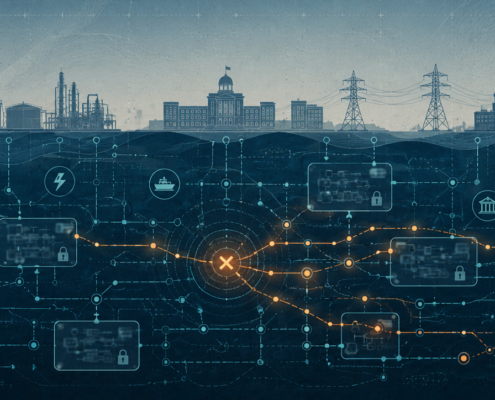
admin2026-06-07 07:06:192026-08-12 06:24:17THE INVISIBLE LAYER OF FAILURE — FUNCTION-ORIENTED THINKING IN MINISTERIAL DISASTER-MANAGEMENT OF COMPLEX SYSTEMS
https://maritimeindia.org/wp-content/uploads/2026/06/Graphic-Del-May-2026-AHMAD-Tariq-1.png
724
2172
admin
https://maritimeindia.org/wp-content/uploads/2020/01/sm-logo.png
admin2026-06-07 07:06:192026-08-12 06:24:17THE INVISIBLE LAYER OF FAILURE — FUNCTION-ORIENTED THINKING IN MINISTERIAL DISASTER-MANAGEMENT OF COMPLEX SYSTEMS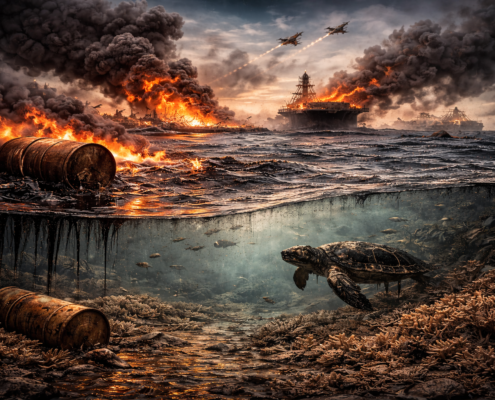 https://maritimeindia.org/wp-content/uploads/2026/04/Chime-Youdon-image-March-26-del.png
1024
1536
admin
https://maritimeindia.org/wp-content/uploads/2020/01/sm-logo.png
admin2026-04-09 09:13:412026-04-10 10:34:46THE CLIMATE COST OF WAR — CONFLICT AS A STRUCTURAL DRIVER OF EMISSIONS, ENERGY DISRUPTION, AND BLUE-CARBON LOSS IN THE INDO-PACIFIC
https://maritimeindia.org/wp-content/uploads/2026/04/Chime-Youdon-image-March-26-del.png
1024
1536
admin
https://maritimeindia.org/wp-content/uploads/2020/01/sm-logo.png
admin2026-04-09 09:13:412026-04-10 10:34:46THE CLIMATE COST OF WAR — CONFLICT AS A STRUCTURAL DRIVER OF EMISSIONS, ENERGY DISRUPTION, AND BLUE-CARBON LOSS IN THE INDO-PACIFIC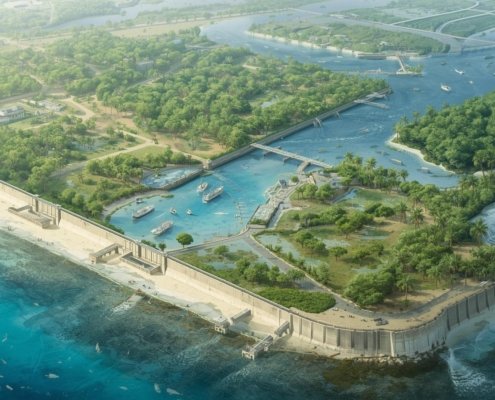 https://maritimeindia.org/wp-content/uploads/2026/04/INTEGRATING-NATURE-BASED-SOLUTIONS-INTO-COASTAL-INFRASTRUCTURE-—-LIMITS-UNCERTAINTY-AND-POLICY-CHALLENGES.jpg
896
1600
admin
https://maritimeindia.org/wp-content/uploads/2020/01/sm-logo.png
admin2026-04-03 09:08:122026-08-12 06:26:06INTEGRATING NATURE-BASED SOLUTIONS INTO COASTAL INFRASTRUCTURE — LIMITS, UNCERTAINTY, AND POLICY CHALLENGES
https://maritimeindia.org/wp-content/uploads/2026/04/INTEGRATING-NATURE-BASED-SOLUTIONS-INTO-COASTAL-INFRASTRUCTURE-—-LIMITS-UNCERTAINTY-AND-POLICY-CHALLENGES.jpg
896
1600
admin
https://maritimeindia.org/wp-content/uploads/2020/01/sm-logo.png
admin2026-04-03 09:08:122026-08-12 06:26:06INTEGRATING NATURE-BASED SOLUTIONS INTO COASTAL INFRASTRUCTURE — LIMITS, UNCERTAINTY, AND POLICY CHALLENGES https://maritimeindia.org/wp-content/uploads/2026/01/image.webp
360
540
admin
https://maritimeindia.org/wp-content/uploads/2020/01/sm-logo.png
admin2026-01-27 09:17:152026-01-27 09:17:15FROM HOST TO RULE-SHAPER? CHINA AND THE POLITICS OF HOSTING THE BBNJ SECRETARIAT
https://maritimeindia.org/wp-content/uploads/2026/01/image.webp
360
540
admin
https://maritimeindia.org/wp-content/uploads/2020/01/sm-logo.png
admin2026-01-27 09:17:152026-01-27 09:17:15FROM HOST TO RULE-SHAPER? CHINA AND THE POLITICS OF HOSTING THE BBNJ SECRETARIAT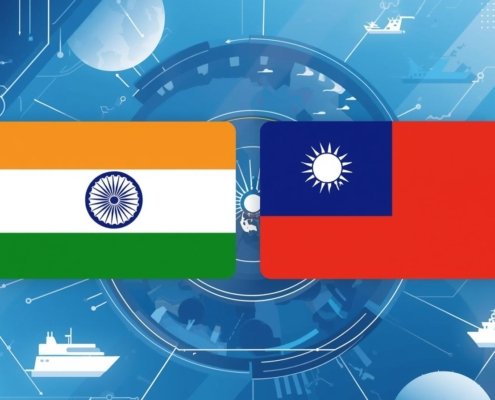 https://maritimeindia.org/wp-content/uploads/2026/01/Blue-Economy-as-Foreign-Policy-Instrument_-Strategic-Convergences-and-India–Taiwan-Cooperation-in-the-Indo-Pacific_.-something-attarctive-with-flags.jpg
896
1600
admin
https://maritimeindia.org/wp-content/uploads/2020/01/sm-logo.png
admin2026-01-11 09:23:052026-01-16 11:53:52BLUE ECONOMY AS FOREIGN POLICY INSTRUMENT: STRATEGIC CONVERGENCES AND INDIA–TAIWAN COOPERATION IN THE INDO-PACIFIC
https://maritimeindia.org/wp-content/uploads/2026/01/Blue-Economy-as-Foreign-Policy-Instrument_-Strategic-Convergences-and-India–Taiwan-Cooperation-in-the-Indo-Pacific_.-something-attarctive-with-flags.jpg
896
1600
admin
https://maritimeindia.org/wp-content/uploads/2020/01/sm-logo.png
admin2026-01-11 09:23:052026-01-16 11:53:52BLUE ECONOMY AS FOREIGN POLICY INSTRUMENT: STRATEGIC CONVERGENCES AND INDIA–TAIWAN COOPERATION IN THE INDO-PACIFIC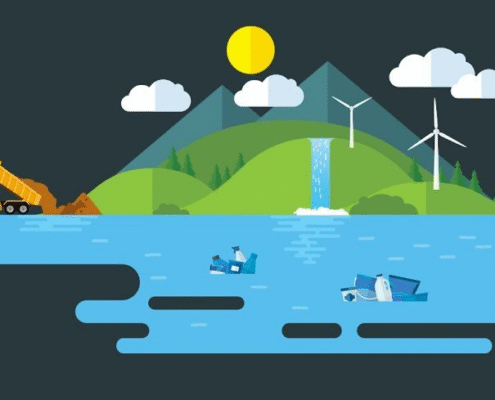 https://maritimeindia.org/wp-content/uploads/2025/12/Blue-Economy-as-the-Entire-Economy.png
489
952
admin
https://maritimeindia.org/wp-content/uploads/2020/01/sm-logo.png
admin2025-12-30 21:32:572025-12-30 21:32:57OUR OCEANIC FOUNDATION: WHY THE BLUE ECONOMY IS THE ENTIRE ECONOMY
https://maritimeindia.org/wp-content/uploads/2025/12/Blue-Economy-as-the-Entire-Economy.png
489
952
admin
https://maritimeindia.org/wp-content/uploads/2020/01/sm-logo.png
admin2025-12-30 21:32:572025-12-30 21:32:57OUR OCEANIC FOUNDATION: WHY THE BLUE ECONOMY IS THE ENTIRE ECONOMY