

Keywords: Regional Cooperation, Maritime Security, Blue Economy, Fisheries Management, Sustainable Development
In 1995, former (Late) President Nelson Mandela of the Republic of South Africa during his visit to India said, “The natural urge of the facts of history and geography should broaden itself to include the concept of an Indian Ocean Rim for socio-economic cooperation and other peaceful endeavours. Recent changes in the international system demand that the countries of the Indian Ocean shall become a single platform”.[1]
This statement emphasised the significance of economic cooperation amongst countries either bordering the Indian Ocean or located within its expanse. It also laid the foundation for the Indian Ocean Rim Initiative (IORI) in March 1995, which was followed by the establishment of the Indian Ocean Rim Association for Regional Cooperation (IOR-ARC) in March 1997.
Today, the Indian Ocean Rim Association (IORA), formerly the IOR-ARC, stands as a principal regional organisation, comprising 23 member States and 12 dialogue partners. Its geographical span extends from South Africa in the west, along the eastern coast of Africa, through the Persian Gulf, across the South and Southeast Asia, and ends with Australia in the east. Annually, 07 March is observed as the ‘IORA Day’, dedicated to raising awareness about the Association’s significance and achievements. This year, as it celebrates its 28th anniversary, the Association looks forward to India’s upcoming chairmanship, a testament to the country’s enduring commitment to fostering regional collaboration and economic integration.
This article, therefore, aims to not merely trace the evolution of the IORA but, of greater consequence, to outline India’s path forward, offering insights into the Association’s past achievements and future aspirations under India’s chairmanship.
Jurisprudence of the IORA
In March 1995, representatives from seven countries – Australia, India, Kenya, Mauritius, the Sultanate of Oman, Singapore, and South Africa, convened to explore avenues for enhancing economic cooperation in the Indian Ocean Region (IOR). This group, initially known as the ‘core group States’ or ‘M-7’, issued a joint statement affirming their commitment to the principles of open regionalism and inclusivity. Their objectives, centred on trade liberalisation and strengthening trade cooperation, also focused on facilitating trade, promoting investment, and fostering economic collaboration.
The second meeting held in September 1996, expanded the membership of the Association to include Indonesia, Malaysia, Sri Lanka, Yemen, Tanzania, Madagascar, and Mozambique. With these additions, the group came to be known as the ‘M-14’.
On 07 March 1997, during the first Ministerial Meeting in Port Louis, Mauritius, the Charter establishing the IOR-ARC was adopted (Figure 1 refers).[2]
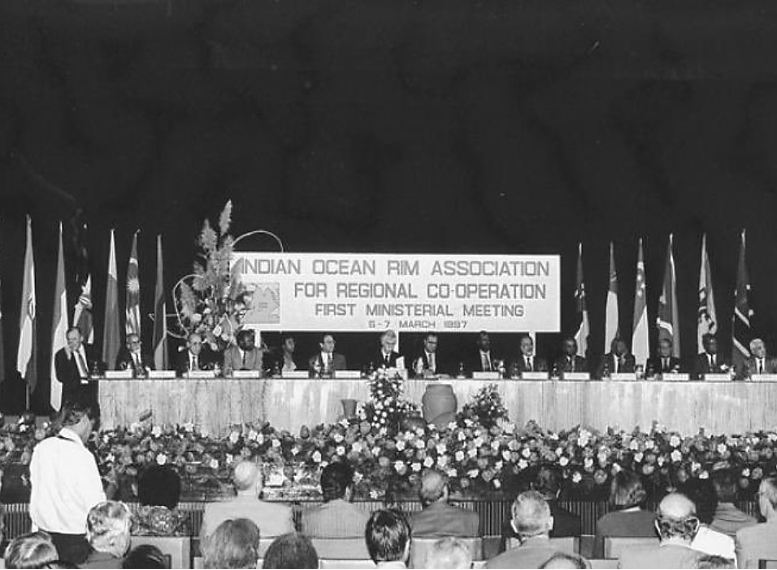
Fig 1: First Ministerial Meeting of IOR-ARC in 1997
Source: Italy-IORA Committee
https://iora-italy.org/iora-day-2024-congratulations-on-your-27th-anniversary/
In 2010, during the 10th meeting of the Council of Ministers (COM), held in Sana’a, Yemen, the Charter was reviewed. In 2014, during the 13th meeting of the COM, convened in Perth, Australia, the Charter was amended, and the Association was renamed the “Indian Ocean Rim Association” (IORA). In 2018, further amendments were made to the Charter during the 18th meeting of the COM, held in Durban, South Africa.[3]
Mandate of the Association
The Charter of the Association mentions that it aims to foster understanding and mutually beneficial cooperation through a consensus-based, evolutionary, and non-intrusive approach. It does not impose binding laws or contracts, and all decisions are made by consensus. Cooperation is guided by the principles of sovereignty, equality, territorial integrity, political independence, non-interference in the internal affairs of member States, peaceful coexistence, and mutual benefit.
However, the Charter explicitly excludes discussions on bilateral and other contentious issues that could hinder regional cooperation. This ensures that cooperation within the Association does not prejudice the rights and obligations of member States under the economic and trade agreements. Rather than serving as a substitute, IORA aims to reinforce, complement, and remain consistent with the bilateral, plurilateral, and multilateral commitments of its member States, adhering to an open regionalism approach.[4]
Membership of the IORA
The membership of IORA is open exclusively to all sovereign States in the Indian Ocean Region (IOR). Article 4 of its Charter mentions that to become a member, a State must adhere to the principles and objectives enshrined in the Charter of the Association.[5] Further, it mentions that the COM can also grant the status of ‘Dialogue Partners’ or ‘Observers’ to other States that have the capacity and interest to contribute to IORA.
Currently, there are 23 member States in the IORA inclusive of the ‘M-14’. It also has 12 dialogue partners – China, Egypt, the European Union, Germany, Italy, Japan, Republic of Korea, Saudi Arabia, Russia, Turkey, the United Kingdom and the United States of America (Figure 2 refers). These dialogue partners are integral to IORA’s activities, offering financial and technical assistance, sharing best practices, and participating in its events.[6]
The Association has two specialised agencies — (1) the Regional Centre for Science and Technology Transfer (RCSTT), located in Tehran, Iran, and (2) the Fisheries Support Unit (FSU), located in Muscat, Oman. The former was established in 2008 to promote technological collaboration, while the latter was established in 2011 to enhance regional fisheries cooperation.[7]
IORA also has two observers — (1) the Indian Ocean Research Group (IORG), and (2) the Western Indian Ocean Marine Science Association (WIOMSA) — which actively provide scientific and academic expertise and significantly enrich IORA’s initiatives. The IORG and the WIOMSA also conduct in-depth research on marine ecosystems, environmental trends, and sustainable resource management, providing evidence-based insights that inform policy-making and operational strategies. Their academic inputs not only help refine IORA’s strategic plans but also facilitate cross-border collaboration among researchers and experts, ensuring that decisions are grounded in the latest scientific findings and international best practices. This collaborative approach strengthens regional resilience and fosters innovative solutions to maritime security threats, disaster preparedness, and environmental conservation.[8]
All levels of IORA meetings, as well as those of its specialised agencies and observers, are required to comply with IORA’s “Rules of Procedure”. These Rules remain effective until amended by the COM.[9]
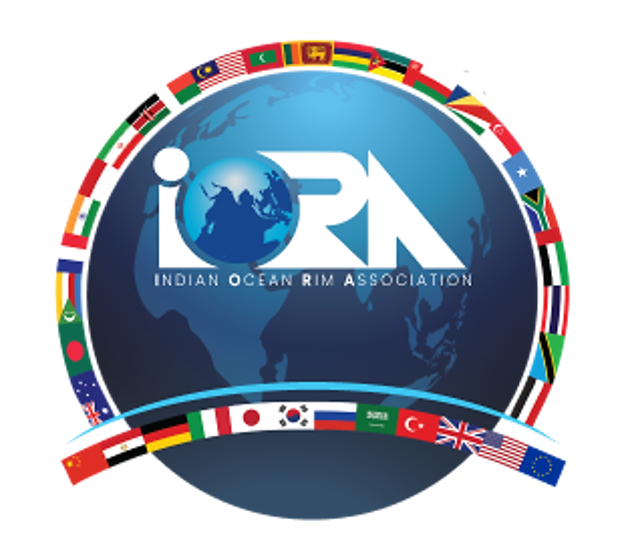
Fig 2: IORA member States and Dialogue Partners
Source: IORA
Achievements, Key Initiatives and Projects of IORA
Over the past 28 years, IORA has made significant strides in promoting regional cooperation and economic integration among its member States. One of its key achievements is the establishment of a robust framework for cooperation across diverse sectors, including trade and investment, maritime technology, and tourism and cultural exchanges.[10] In this regard, IORA has facilitated numerous trade and investment forums, resulting in increased intra-regional trade and investment flows. It has also developed action plans and strategies to enhance collaboration in areas such as the “Blue Economy”, which emphasises the sustainable use of ocean resources.[11] Another notable achievement is the strengthening of maritime safety and security in the IOR.[12] Through collaboration with member States and dialogue partners, IORA has addressed challenges such as piracy and illegal, unreported, and unregulated fishing (IUUF), as also other maritime threats, while promoting capacity-building and capability-enhancing initiatives to bolster the degree of agency of its member States.
Additionally, in disaster-risk management, the Association has coordinated regional responses to natural calamities such as cyclones and tsunamis, establishing mechanisms for information sharing and mutual assistance that have enhanced the region’s resilience.[13] Similarly, IORA has fostered cooperation in education and human-resource development through scholarships, training programmes, and academic exchanges, contributing to a skilled workforce and knowledge sharing across the region.[14]
Amongst its many key initiatives, the “IORA Sustainable Development Programme” (ISDP) stands out. This is a flagship initiative, promoting sustainable development through capacity-building, capability-enhancement, and technical assistance.[15] Another significant effort is the “IORA Blue Carbon Hub”, which focuses on the conservation and restoration of blue carbon ecosystems such as mangroves and seagrasses — to mitigate climate change and enhance coastal resilience.[16]
Further, the “IORA Women’s Economic Empowerment Initiative” seeks to advance gender equality and a sharply increased degree of participation of women in economic activities across member States.[17] Additionally, the Association has established working groups, and committees on thematic areas such as trade and investment, tourism, and science and technology, which drive cooperation and oversee the implementation of a variety of projects.
India’s Role in the IORA
India’s involvement with the Association dates back to its inception, with the vision for the IORA emanating during the visit to India of President Nelson Mandela, in the year 1995. Indeed, being one of the founding members of IORA, India’s role has been pivotal. It not only influences IORA’s agenda, but also helped India leverage its position as one of the largest economies in the IOR.
India has hosted numerous meetings, including that of the COM,[18] reaffirming its commitment to facilitating regional dialogue and fostering consensus among other member States. Notably, during the 11th meeting of the COM, in 2011, which was held in Bengaluru, India was able to reinvigorate IORA by prioritising its agenda and by setting new directions. Six priority areas were identified during this meeting — (1) maritime safety and security, (2) trade and investment facilitation, (3) fisheries management, (4) disaster risk reduction, (5) academic and science and technology cooperation, and (6) tourism promotion and cultural exchanges.[19]
Additionally, within IORA, India has emerged as a champion of the “Blue Economy”, a concept introduced in 2014 to drive sustainable socio-economic growth. The “Blue Economy” encompasses the sustainable development of ocean resources, including fisheries, marine biotechnology, and renewable energy. India has hosted several workshops and shared its expertise. India’s “Federation of Indian Chambers of Commerce and Industry” (FICCI) has played a significant role in these, culminating in seminal publications such as the “Blue Economy Vision 2025” (released at the 2017 IORA Meeting of IORA Senior Officials, in Jakarta), and fostering regional dialogue.[20] India’s efforts have focused on the sustainable management of ocean resources, the promotion of innovations in disciplines such as marine biotechnology, and ensuring that these efforts and endeavours remain aligned with IORA’s Action Plan 2017-2021, which includes capacity-building programs in the sectors of fisheries and renewable energy.[21]
India has also played a key role in supporting IORA’s specialised agencies through financial and technical contributions. In 2018, the nation established the “IORA-RCSTT [Regional Centre for Science and Technology Transfer] Coordination Centre” in Lucknow at the “Central Institute of Medicinal and Aromatic Plants” (CIMAP) to enhance regional collaboration in science and technology. [22] This centre facilitates knowledge sharing and the commercialisation of medicinal plants among the IORA member States. Additionally, India contributes to the IORA Special Fund, which supports the Fisheries Support Unit (FSU) in Muscat, Oman.
In 2024, members of the research faculty of the National Maritime Foundation (NMF), New Delhi, participated in a series of workshops and national-level seminars, which substantively contributed to the enhancement of regional cooperation, as also the sharing of expertise and information on a number of maritime issues.[23]
India’s IORA Chairmanship: Way Ahead
As the Association celebrates its 28th anniversary this year, it will also welcome India as its chair for the period 2025-27. This chairmanship transition, expected to occur during the COM meeting in late-2025, will mark a pivotal moment for India and underscore New Delhi’s enduring commitment to regional cooperation and sustainable development across the IOR.
This also aligns closely with India’s maritime policy, encapsulated in the acronym ‘SAGAR’ (Security and Growth for All in the Region) which articulates India’s desired end-state of a peaceful, secure, and prosperous maritime region, fitting in perfectly with India’s broader “Act East” policy and its lesser known but equally important “Link and Act West” one. Through IORA, India can further institutionalise her role as a net provider of security,[24] reinforcing regional stability through cooperative mechanisms rather than relying solely upon unilateral approaches.
Additionally, India’s leadership will be instrumental in advancing the objectives outlined in the ‘IORA Vision 2030 and Beyond’ plan. This plan focuses on economic integration, sustainable development, and climate action — all of which are areas in which India’s experience and expertise can drive meaningful progress.[25] Strengthening partnerships with dialogue partners and international organisations will be critical in mobilising the necessary resources and technical support required to implement these long-term goals.
Despite its significance and achievements, the IORA continues to face several structural and operational challenges. The diversity of its member States and dialogue partners, ranging from large economies to small island developing States (SIDS), often makes consensus-building complex. Consequently, in its tenure as the IORA chair, India must focus on some specific areas, including:
- Strengthening Institutional Frameworks. India is expected to focus on enhancing IORA’s institutional frameworks to improve efficiency and decision-making. Building on initiatives undertaken during its vice-chairmanship (2023–2025), such as the introduction of an e-office system at the IORA Secretariat,[26] India will need to push for further digital transformation and procedural streamlining. Efforts should also be directed towards strengthening the Association’s financial sustainability by expanding funding sources beyond voluntary contributions.
- Promoting Maritime Security. Given that the Indian Ocean is the principal conduit for approximately 80 per cent of global oil trade and 50 per cent of containerised cargo, India will need to prioritise safety and security of shipping lanes (ISLs), the countering of illicit maritime activity (including but not limited to piracy) and a variety of other non-traditional threats, so as to ensure uninterrupted maritime commerce.[27]
- Advancing the Blue Economy. As a long-standing advocate of the “Blue Economy”, India must promote sustainable ocean resource management within IORA. Initiatives such as the “IORA Blue Carbon Hub”, which focuses on conserving and restoring marine ecosystems, align with India’s broader environmental commitments. Additionally, India will need to drive collaborative efforts in marine biotechnology, sustainable fisheries, and renewable ocean energy, ensuring that the economic growth does not come at the cost of ecological degradation.
- Enhancing Disaster Risk Management. With its extensive experience in disaster management, India is well-positioned to strengthen regional mechanisms for disaster preparedness and response — and New Delhi must be (and be seen to be) proactive in this critical area. Given the Indian Ocean’s vulnerability to extreme weather events such as cyclones and tsunamis, as also rising sea levels, India will need to advocate strongly for enhanced early warning systems, capacity-building programs, and coordinated humanitarian assistance. Institutions such as the Indian National Centre for Ocean Information Services (INCOIS) will play a key role in providing technical expertise to IORA member States.[28]
- Fostering Economic Cooperation. IORA’s economic agenda remains crucial to regional development. India’s chairmanship must meaningfully address the need to reduce trade barriers (both tariff and non-tariff ones), improve investment flows, and strengthen trade facilitation mechanisms amongst member States. Particular attention will need to be given to digital trade solutions and the enhancement of connectivity between ports in order to ensure resilient supply chains. The integration of small and medium-sized enterprises (SMEs) within the regional trade networks is another area that India will need to emphasise, thereby fostering inclusive economic growth.[29]
A few additional key takeaways from the recently concluded national conference on “India and IORA: Pathways Ahead” held at Kurukshetra University’s International Centre for Indo-Pacific Studies on 27 February 2025, merit recounting here:
- Strategic Shift from Asia Pacific to Indo-Pacific. Unlike the Asia-Pacific, which has traditionally been dominated by economic cooperation among States of East- and Southeast Asia, the Indo-Pacific construct integrates the Indian Ocean and acknowledges India’s strategic and economic importance. For India to effectively lead in the Indo-Pacific, it must enhance IORA’s visibility and institutional capacity. In this regard, it is critical that under India’s chairmanship, the 2nd IORA Summit organises, so as to provide a high-level platform for member States to align their interests and strategies.
- Addressing Resource Constraints. A recurring concern involves IORA’s financial limitations. Despite its vast geographical scope, it suffers from seriously inadequate funding, thereby limiting its ability to implement meaningful projects. To overcome this, India should take the lead by providing a generous quantity of “seed funding”, which could serve as a catalyst to attract financial contributions from other member States and dialogue partners. The IORA also needs to market its initiatives far more effectively, particularly by developing a detailed publication outlining past and future projects which could help in engaging business and industry stakeholders ensuring better financial backing and practical implementation of the IORA’s objectives. Expanding funding mechanisms through Public-Private Partnerships (PPPs) could also enhance financial sustainability and project implementation capacity.
- Improving Ocean Governance. It is imperative that a series of high-level conferences be organised on themes such as maritime safety and security, and the Blue Economy, in order to catalyse regional cooperation. Further, it is also necessary to leverage the IORA Indian Ocean University Network (UNIOR) and to meaningfully foster collaboration amongst universities, academics, and think tanks. Additionally, a vigorous process of engagement with the media is essential in order to bring editors and journalists into discussions on maritime affairs. Similarly, an “Alliance of Coastal Communities” within the IORA needs to be established to strengthen grassroot-level connections.
- Addressing Human Activities vs Ocean Health. Given the growing concerns over the impact of human activities on ocean health, IORA under India’s chairmanship must adopt a long-term vision for sustainable ocean governance.
- Countering Aggressive Extra-regional Influences. India must proactively strengthen the IORA’s maritime security framework in order to counter the aggressive policies of some States that choose to be outliers in the prevailing consensually derived international rules-based order. Competing constructs such as the “Indian Ocean Forum”, need to be exposed for what they truly are — thinly disguised extensions of one or another country’s geopolitical strategy in the IOR. Perhaps the best way to do this is by creating stronger linkages between the IORA and the Indian Ocean Naval Symposium (IONS).
- New Mechanisms for Regional Cooperation. India needs to revive and strengthen its own historical maritime consciousness while highlighting shared cultural and commercial histories of Indian Ocean communities, through the reinvigoration of initiatives such as “Project Mausam”. Further, the “SAGAR Samvaad Initiative” must be leveraged as a harbinger for new geopolitical engagements in the Indo-Pacific, reinforcing regional identity and fostering a sense of maritime unity among IORA member States.
- Strengthening MDA/MSA and Connectivity. Maritime Situational Awareness, Maritime Domain Awareness, and information-sharing are crucial mechanisms through which IORA can enhance regional security cooperation. India should focus on building flexible strategic partnerships through which information can be meaningfully share to regional benefit. In this regard, a significant strengthening of the connectivity between IPOI, BIMSTEC, and the QUAD, too, is necessary.[30]
Conclusion
From its inception in 1997 to date, the potential of IORA for maritime safety and security, economic integration, and sustainable development, has grown exponentially, binding its 23 geographically disparate member States and 12 dialogue partners in a common endeavour to create and consolidate a sub-region in which the comity of nations is both intrinsic and assured, where every nation, big or small, is treated as an equal, where multiple options of governance are recognised as being functions of the independent choice of the people of each nation-State, where poverty stands banished and prosperity sits in its place, where the people of every State of the region can live in dignity and peace, where the State protects the individual and the individual preserves the State in a symbiotic relationship that establishes and spreads stability and prosperity across the region.
India’s foundational contributions — strengthening trade, championing the Blue Economy, and enhancing regional resilience — have culminated in its imminent chairmanship, and the country is poised to advance institutional reforms, security, and sustainability in alignment with the ‘IORA Vision 2030 and Beyond’. With the support of its member States, dialogue partners, and its specialised agencies, IORA is well-positioned to seize emerging opportunities. This moment is not just relevant to reflect upon past successes but to generate and sustain a renewed commitment to a prosperous, stable, and cooperative future for the countries of the IOR — a legacy of unity that continues to evolve.
******
About the Authors
Mr John J Vachaparambil is an Associate Fellow at the National Maritime Foundation and meaningfully contributes to the Foundation’s ‘Public International Maritime Law’ (PIML) cluster. His current research focuses on the legal aspects of IUU fishing and the conservation of the marine biological diversity of areas beyond national jurisdiction (BBNJ). He can be reached at law5.nmf@gmail.com
Ms Muskan Rai is a Research Associate at the National Maritime Foundation, New Delhi, specialising in multilateral constructs of the Indian Ocean Region. Her research focuses on maritime security, regional cooperation, and India’s strategic interests in IORA, IONS and BIMSTEC. She has a bachelor’s degree in history, from the University of Delhi, and a master’s degree in international relations, Security and Strategy, from the OP Jindal Global University. She can be reached at ior.nmf@gmail.com
Acknowledgement
The authors would like to acknowledge and thank Mrs Traicy J Plackattu for designing the image accompanying this article.
Endnotes:
[1] Indian Ocean Rim Association, “IORA”, https://www.iora.int/sites/default/files/2024-08/GUIDE%20TO%20IORA%20as%20at%20AUG%202024%20pdf.pdf.
[2] IOR-ARC, “Report of the First Meeting of the Council of Ministers (COM)”, 05-07 March 1997, IOR/1COM/REP/97, http://iora2689.dev.ehost.mu/media/8221/com-report-1997.pdf.
[3] Indian Ocean Rim Association, “Charter”, https://www.un.org/en/ga/sixth/70/docs/iora_charter.pdf.
[4] Ibid. 1, Indian Ocean Rim Association, “IORA”.
[5] Article 2, & 3, IORA Charter: Fundamental Principles and Objectives of the IORA.
[6] EEAS, “Indonesia, EU host regional talks on information sharing to enhance maritime safety and security in Indo-Pacific”, 25 May 2023, Press and Information Team of the Delegation to Indonesia and Brunei Darussalam, https://www.eeas.europa.eu/delegations/indonesia/indonesia-eu-host-regional-talks-information-sharing-enhance-maritime-safety-and-security-indo_en?s=168.
[7] IORA, “Specialised Agencies”, https://www.iora.int/specialised-agencies.
[8] IORA, “Observer Organization”, https://www.iora.int/iora-observer-organization.
[9] IORA, “Rules of Procedure”, https://www.un.org/en/ga/sixth/70/docs/iora_rules_of_procedure.pdf.
[10] IORA, https://www.iora.int/.
[11] IORA, “IORA Cross-cutting Issues: Blue Economy”, https://www.iora.int/blue-economy.
[12] IORA, “IORA Priority Areas: Maritime Safety & Security”, https://www.iora.int/maritime-safety-security.
[13] IORA, “IORA Priority Areas: Disaster Risk Management”, https://www.iora.int/disaster-risk-management.
[14] IORA, “IORA Priority Areas: Academic, Science & Technology Cooperation”, https://www.iora.int/academic-science-technology-cooperation.
[15] IORA, “Sustainable Development Programme”, https://www.iora.int/sustainable-development-programme#:~:text=The%20IORA%20Sustainable%20Development%20Program,as%20well%20as%20streng.
[16] Indian Ocean Blue Carbon Hub, “IORA Blue Carbon Hub”, https://research.csiro.au/iora-blue-carbon-hub/.
[17] IORA, “IORA Cross-cutting Issues: Women’s Economic Empowerment”, https://www.iora.int/womens-economic-empowerment.
[18] IORA, “Council of Ministers (COM)”, https://www.iora.int/council-ministers.
[19] Ministry of External Affairs, Government of India, “11th Meeting of the Council of Ministers of IOR-ARC Bengaluru Communique’, 15 November 2011, https://www.mea.gov.in/Speeches-Statements.htm?dtl/6916/11th+Meeting+of+the+Council+of+Ministers+of+IORARC+Bengaluru+Communique.
[20] Gateway House, “India, IORA and the blue economy”, 25 February 2021, Ministry of Defence, https://www.gatewayhouse.in/india-ior-and-blue-economy/.
[21] IORA Action Plan 2017-2021, http://iora2689.dev.ehost.mu/media/1031/iora-action-plan-7-march-2017.pdf.
[22] Business Standard, “IORA’s centre on medicinal plants inaugurated in Lucknow: MEA”, 09 May 2018, Press Trust of India, https://www.business-standard.com/article/pti-stories/iora-s-centre-on-medicinal-plants-inaugurated-in-lucknow-mea-118050901493_1.html.
[23] IORA, “IORA Activities and Participation”, July-September 2024, https://www.iora.int/sites/default/files/2024-11/IORA%20e-newsletter%20%28July-Sept%202024%29.pdf.
[24] Rahul Mishra, “India as a net security provider in the Indo-Pacific: Ambitious but attainable”, 30 April 2024, The Diplomat, https://thediplomat.com/2024/04/india-as-a-net-security-provider-in-the-indo-pacific-ambitious-but-attainable/.
[25] IORA, “IORA VISION 2030 AND BEYOND”, https://www.iora.int/sites/default/files/2024-10/IORA%20Vision%202030%20and%20Beyond.pdf.
[26] Ministry of External Affairs, Government of India, “20th Meeting of Indian Ocean Rim Association Council of Ministers”, 17 December 2020, https://www.mea.gov.in/press-releases.htm?dtl/33312/20th+Meeting+of+Indian+Ocean+Rim+Association+Council+of+Ministers.
[27] IORA, https://www.iora.int/indian-ocean-rim-association.
[28] Ministry of External Affairs, Government of India, “Indian Ocean Rim Association and India’s role”, https://www.mea.gov.in/Portal/ForeignRelation/IORA_new.pdf.
[29] PMO, Mauritius, “IORA’s Experts discuss barriers to trade and investment in the Indian Ocean Region”, 30 January 2020, https://govmu.org/EN/newsgov/SitePages/2020/IORA%E2%80%99s-Experts-discuss-barriers-to-trade-and-investment-in-the-Indian-Ocean-region.aspx.
[30] Ms Muskan Rai, co-author of this article had attended this conference.


Leave a Reply
Want to join the discussion?Feel free to contribute!