
 https://maritimeindia.org/wp-content/uploads/2024/04/Ballast-water-scaled.jpg
1440
2560
admin
https://maritimeindia.org/wp-content/uploads/2020/01/sm-logo.png
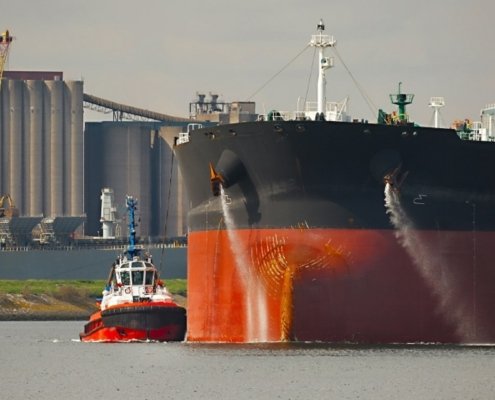
admin2024-04-16 07:33:502024-05-02 11:48:54BALLAST-WATER MANAGEMENT ALTERNATIVES OFFERED BY BALLAST-FREE SHIPPING (PART 1)
https://maritimeindia.org/wp-content/uploads/2024/04/Ballast-water-scaled.jpg
1440
2560
admin
https://maritimeindia.org/wp-content/uploads/2020/01/sm-logo.png
admin2024-04-16 07:33:502024-05-02 11:48:54BALLAST-WATER MANAGEMENT ALTERNATIVES OFFERED BY BALLAST-FREE SHIPPING (PART 1) https://maritimeindia.org/wp-content/uploads/2024/04/CSIS-Red-Book-No-17-e1713092870970.jpg
285
206
admin
https://maritimeindia.org/wp-content/uploads/2020/01/sm-logo.png
admin2024-04-13 16:32:052024-05-02 11:48:35BOOK REVIEW: “THE MARITIME FULCRUM OF THE INDO-PACIFIC: INDONESIA AND MALAYSIA RESPOND TO CHINA’S CREEPING EXPANSION IN THE SOUTH CHINA SEA”
https://maritimeindia.org/wp-content/uploads/2024/04/CSIS-Red-Book-No-17-e1713092870970.jpg
285
206
admin
https://maritimeindia.org/wp-content/uploads/2020/01/sm-logo.png
admin2024-04-13 16:32:052024-05-02 11:48:35BOOK REVIEW: “THE MARITIME FULCRUM OF THE INDO-PACIFIC: INDONESIA AND MALAYSIA RESPOND TO CHINA’S CREEPING EXPANSION IN THE SOUTH CHINA SEA”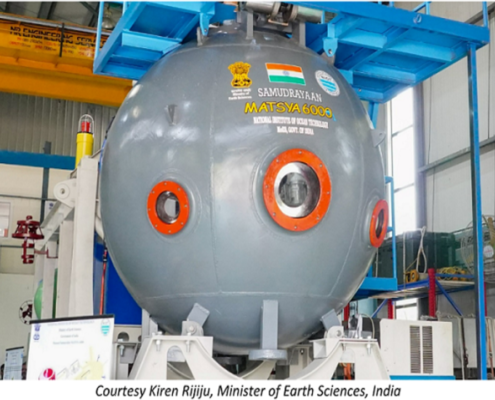 https://maritimeindia.org/wp-content/uploads/2024/04/Samudrayaan.png
720
960
admin
https://maritimeindia.org/wp-content/uploads/2020/01/sm-logo.png
admin2024-04-12 12:19:322024-05-02 11:48:01ASSESSING INDIA’S LEGAL PREPAREDNESS FOR SEABED MINING: PART II
https://maritimeindia.org/wp-content/uploads/2024/04/Samudrayaan.png
720
960
admin
https://maritimeindia.org/wp-content/uploads/2020/01/sm-logo.png
admin2024-04-12 12:19:322024-05-02 11:48:01ASSESSING INDIA’S LEGAL PREPAREDNESS FOR SEABED MINING: PART II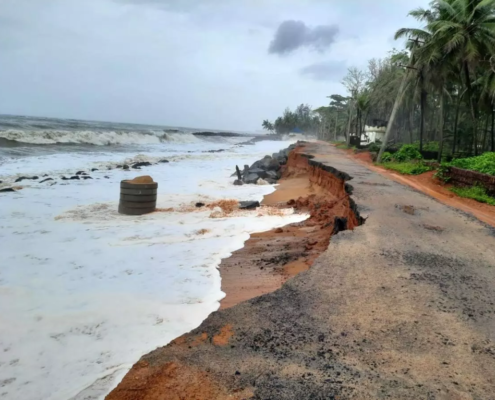 https://maritimeindia.org/wp-content/uploads/2024/04/Article-cover-Image-by-Dr-Youdon-AS-ON-Friday-12-April-24.webp
900
1200
admin
https://maritimeindia.org/wp-content/uploads/2020/01/sm-logo.png
admin2024-04-11 11:20:382024-05-02 11:45:36COASTAL EROSION AND ADAPTATION MEASURES: AN ASSESSMENT
https://maritimeindia.org/wp-content/uploads/2024/04/Article-cover-Image-by-Dr-Youdon-AS-ON-Friday-12-April-24.webp
900
1200
admin
https://maritimeindia.org/wp-content/uploads/2020/01/sm-logo.png
admin2024-04-11 11:20:382024-05-02 11:45:36COASTAL EROSION AND ADAPTATION MEASURES: AN ASSESSMENT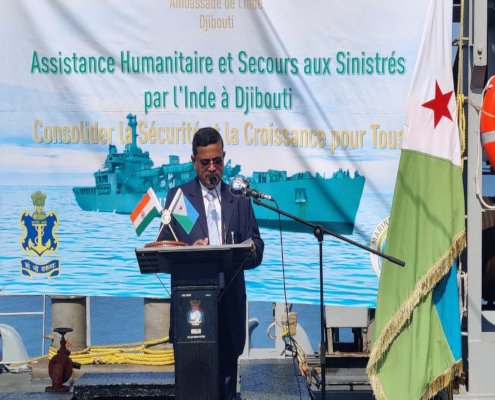 https://maritimeindia.org/wp-content/uploads/2024/03/Mission-SAGAR-2-by-INS-Airavat-Eritrea-Djibouti-Sudan-S-Sudan-06-20-Nov-2020-Djibouti.jpeg
400
700
admin
https://maritimeindia.org/wp-content/uploads/2020/01/sm-logo.png
admin2024-03-24 09:17:062024-03-26 09:25:19EPITOME OF SOFT POWER: THE INDIAN NAVY’S BENIGN MISSIONS DURING THE COVID-19 PANDEMIC
https://maritimeindia.org/wp-content/uploads/2024/03/Mission-SAGAR-2-by-INS-Airavat-Eritrea-Djibouti-Sudan-S-Sudan-06-20-Nov-2020-Djibouti.jpeg
400
700
admin
https://maritimeindia.org/wp-content/uploads/2020/01/sm-logo.png
admin2024-03-24 09:17:062024-03-26 09:25:19EPITOME OF SOFT POWER: THE INDIAN NAVY’S BENIGN MISSIONS DURING THE COVID-19 PANDEMIC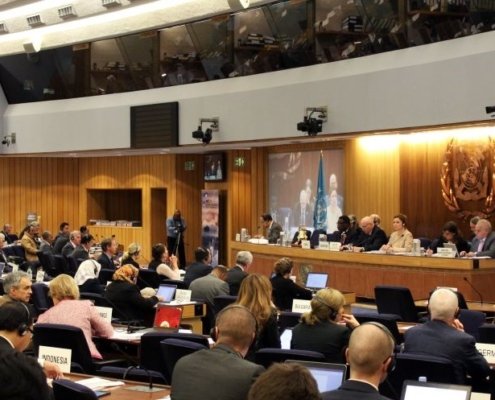 https://maritimeindia.org/wp-content/uploads/2024/03/IMO.jpg
497
1023
admin
https://maritimeindia.org/wp-content/uploads/2020/01/sm-logo.png
admin2024-03-23 09:00:432024-05-02 11:47:25A STUDY OF ENGAGEMENT AND INFLUENCE AT THE INTERNATIONAL MARITIME ORGANISATION’S LEGAL COMMITTEE
https://maritimeindia.org/wp-content/uploads/2024/03/IMO.jpg
497
1023
admin
https://maritimeindia.org/wp-content/uploads/2020/01/sm-logo.png
admin2024-03-23 09:00:432024-05-02 11:47:25A STUDY OF ENGAGEMENT AND INFLUENCE AT THE INTERNATIONAL MARITIME ORGANISATION’S LEGAL COMMITTEE https://maritimeindia.org/wp-content/uploads/2024/03/Sino-Japanese-Face.jpg
288
512
admin
https://maritimeindia.org/wp-content/uploads/2020/01/sm-logo.png
admin2024-03-09 10:33:432024-05-02 11:45:11SINO-JAPANESE NUANCES OF “FACE” — AND LESSONS FOR INDIA
https://maritimeindia.org/wp-content/uploads/2024/03/Sino-Japanese-Face.jpg
288
512
admin
https://maritimeindia.org/wp-content/uploads/2020/01/sm-logo.png
admin2024-03-09 10:33:432024-05-02 11:45:11SINO-JAPANESE NUANCES OF “FACE” — AND LESSONS FOR INDIA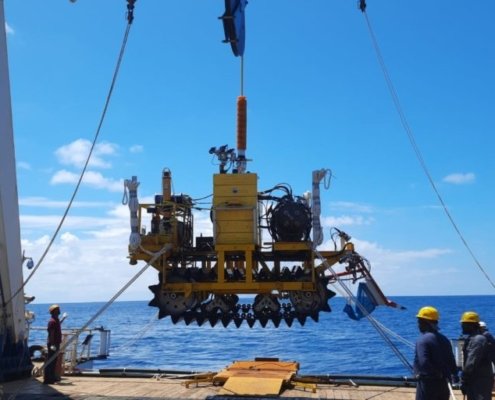 https://maritimeindia.org/wp-content/uploads/2024/03/Deep-Sea-Mining-India-Image.jpeg
512
768
admin
https://maritimeindia.org/wp-content/uploads/2020/01/sm-logo.png
admin2024-03-06 10:04:462024-05-02 11:44:51ASSESSING INDIA’S LEGAL PREPAREDNESS FOR SEABED MINING: PART I
https://maritimeindia.org/wp-content/uploads/2024/03/Deep-Sea-Mining-India-Image.jpeg
512
768
admin
https://maritimeindia.org/wp-content/uploads/2020/01/sm-logo.png
admin2024-03-06 10:04:462024-05-02 11:44:51ASSESSING INDIA’S LEGAL PREPAREDNESS FOR SEABED MINING: PART I https://maritimeindia.org/wp-content/uploads/2024/03/Article-Cover-Image-as-on-Saturday-02-March-24.jpeg
675
1200
admin
https://maritimeindia.org/wp-content/uploads/2020/01/sm-logo.png
admin2024-03-02 17:53:582024-05-02 11:40:53TOWARDS A HOLISTIC BLUE ECONOMY FRAMEWORK: ADOPTION OF HIGH-LEVEL PRINCIPLES FOR BLUE ECONOMY BY THE G20
https://maritimeindia.org/wp-content/uploads/2024/03/Article-Cover-Image-as-on-Saturday-02-March-24.jpeg
675
1200
admin
https://maritimeindia.org/wp-content/uploads/2020/01/sm-logo.png
admin2024-03-02 17:53:582024-05-02 11:40:53TOWARDS A HOLISTIC BLUE ECONOMY FRAMEWORK: ADOPTION OF HIGH-LEVEL PRINCIPLES FOR BLUE ECONOMY BY THE G20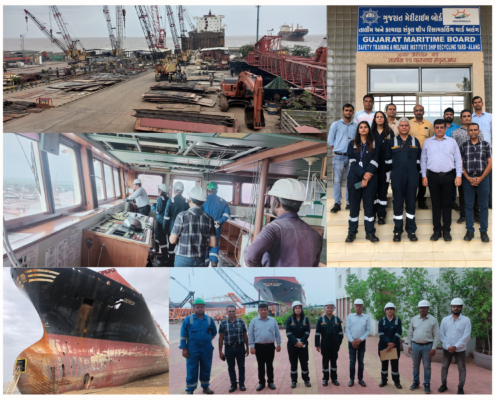 https://maritimeindia.org/wp-content/uploads/2024/02/Pic-for-Article-as-on-Tyesday-20-Feb-24.png
2200
2750
admin
https://maritimeindia.org/wp-content/uploads/2020/01/sm-logo.png
admin2024-02-20 10:32:462024-05-02 11:39:20SUSTAINABLE SHIP RECYCLING IN INDIA – SOCIAL, TECHNOLOGICAL AND ENVIRONMENTAL ANALYSIS
https://maritimeindia.org/wp-content/uploads/2024/02/Pic-for-Article-as-on-Tyesday-20-Feb-24.png
2200
2750
admin
https://maritimeindia.org/wp-content/uploads/2020/01/sm-logo.png
admin2024-02-20 10:32:462024-05-02 11:39:20SUSTAINABLE SHIP RECYCLING IN INDIA – SOCIAL, TECHNOLOGICAL AND ENVIRONMENTAL ANALYSIS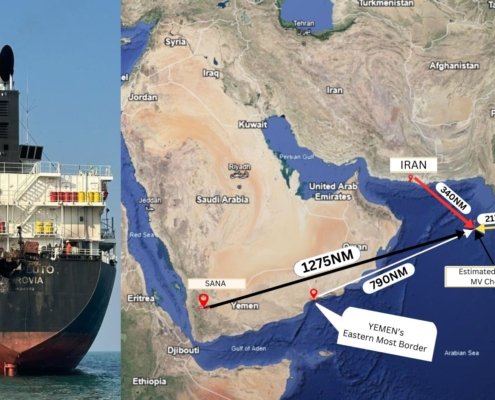 Credit: Google Earth
https://maritimeindia.org/wp-content/uploads/2024/01/Image-as-on-23-scaled.jpeg
1280
2560
admin
https://maritimeindia.org/wp-content/uploads/2020/01/sm-logo.png
admin2024-01-23 15:07:112024-05-02 11:38:45THE MERCHANTMARINE IN THE CROSSHAIRS: LATEST TOOL OF STRATEGIC MESSAGING?
Credit: Google Earth
https://maritimeindia.org/wp-content/uploads/2024/01/Image-as-on-23-scaled.jpeg
1280
2560
admin
https://maritimeindia.org/wp-content/uploads/2020/01/sm-logo.png
admin2024-01-23 15:07:112024-05-02 11:38:45THE MERCHANTMARINE IN THE CROSSHAIRS: LATEST TOOL OF STRATEGIC MESSAGING?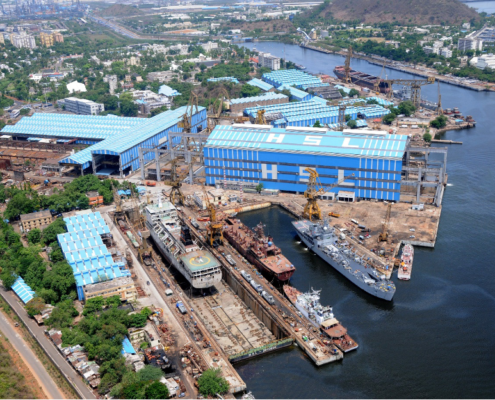 A View of Hindustan Shipyard Limited (Image Credit: www.reddit.com)
https://maritimeindia.org/wp-content/uploads/2024/01/Cover-I-.png
625
941
admin
https://maritimeindia.org/wp-content/uploads/2020/01/sm-logo.png
admin2024-01-18 17:57:222024-01-18 17:57:22NAVIGATING ECONOMIC SECURITY THROUGH SHIPBUILDING
A View of Hindustan Shipyard Limited (Image Credit: www.reddit.com)
https://maritimeindia.org/wp-content/uploads/2024/01/Cover-I-.png
625
941
admin
https://maritimeindia.org/wp-content/uploads/2020/01/sm-logo.png
admin2024-01-18 17:57:222024-01-18 17:57:22NAVIGATING ECONOMIC SECURITY THROUGH SHIPBUILDING