
 https://maritimeindia.org/wp-content/uploads/2026/06/SINHA-ROY-Arijita-Image-for-Jun-26-article.jpg
464
677
admin
https://maritimeindia.org/wp-content/uploads/2020/01/sm-logo.png
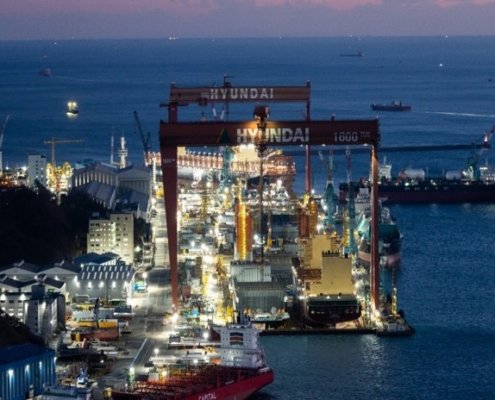
admin2026-06-30 11:27:322026-06-30 11:27:32EVALUATING THE INDIA–ROK THOOTHUKUDI GREENFIELD SHIPYARD MOU
https://maritimeindia.org/wp-content/uploads/2026/06/SINHA-ROY-Arijita-Image-for-Jun-26-article.jpg
464
677
admin
https://maritimeindia.org/wp-content/uploads/2020/01/sm-logo.png
admin2026-06-30 11:27:322026-06-30 11:27:32EVALUATING THE INDIA–ROK THOOTHUKUDI GREENFIELD SHIPYARD MOU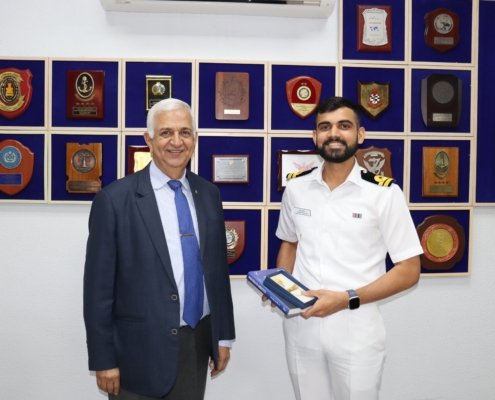 https://maritimeindia.org/wp-content/uploads/2026/07/4.4-scaled.jpeg
1707
2560
admin
https://maritimeindia.org/wp-content/uploads/2020/01/sm-logo.png
admin2026-06-29 22:05:582026-07-04 22:16:10NMF Hosts First Formal Review of its Book Project on ‘Advanced Marine Vehicles’
https://maritimeindia.org/wp-content/uploads/2026/07/4.4-scaled.jpeg
1707
2560
admin
https://maritimeindia.org/wp-content/uploads/2020/01/sm-logo.png
admin2026-06-29 22:05:582026-07-04 22:16:10NMF Hosts First Formal Review of its Book Project on ‘Advanced Marine Vehicles’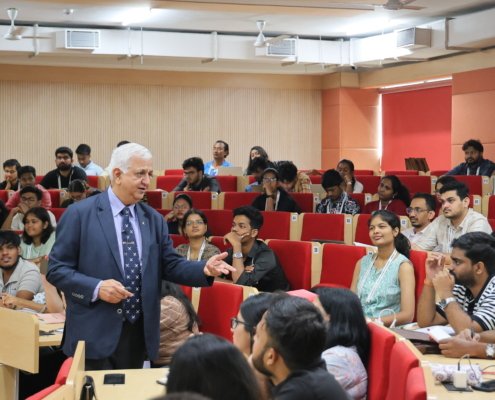 https://maritimeindia.org/wp-content/uploads/2026/07/4.1-scaled.jpeg
1707
2560
admin
https://maritimeindia.org/wp-content/uploads/2020/01/sm-logo.png
admin2026-06-28 22:06:542026-07-04 22:15:53Vice Admiral Pradeep Chauhan Addresses Delegates at Rishihood University’s Boot Camp 2026
https://maritimeindia.org/wp-content/uploads/2026/07/4.1-scaled.jpeg
1707
2560
admin
https://maritimeindia.org/wp-content/uploads/2020/01/sm-logo.png
admin2026-06-28 22:06:542026-07-04 22:15:53Vice Admiral Pradeep Chauhan Addresses Delegates at Rishihood University’s Boot Camp 2026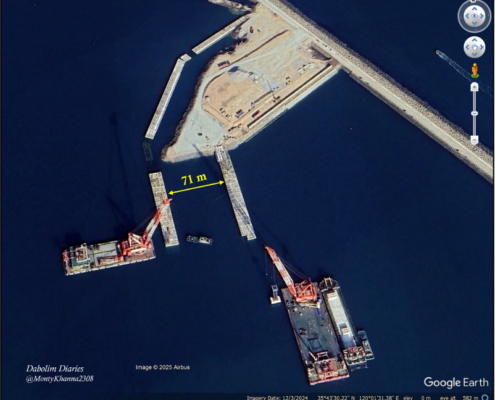 https://maritimeindia.org/wp-content/uploads/2026/06/25.04.png
662
802
admin
https://maritimeindia.org/wp-content/uploads/2020/01/sm-logo.png
admin2026-06-24 16:36:592026-06-25 16:43:29AN UPDATE ON THE UPGRADATION OF YUCHI NAVAL BASE
https://maritimeindia.org/wp-content/uploads/2026/06/25.04.png
662
802
admin
https://maritimeindia.org/wp-content/uploads/2020/01/sm-logo.png
admin2026-06-24 16:36:592026-06-25 16:43:29AN UPDATE ON THE UPGRADATION OF YUCHI NAVAL BASE https://maritimeindia.org/wp-content/uploads/2026/04/final-making-waves.png
1024
1536
admin
https://maritimeindia.org/wp-content/uploads/2020/01/sm-logo.png
admin2026-06-23 15:27:322026-06-23 15:27:32MAKING WAVES E-NEWS BRIEF: 01-15 JUNE 2026
https://maritimeindia.org/wp-content/uploads/2026/04/final-making-waves.png
1024
1536
admin
https://maritimeindia.org/wp-content/uploads/2020/01/sm-logo.png
admin2026-06-23 15:27:322026-06-23 15:27:32MAKING WAVES E-NEWS BRIEF: 01-15 JUNE 2026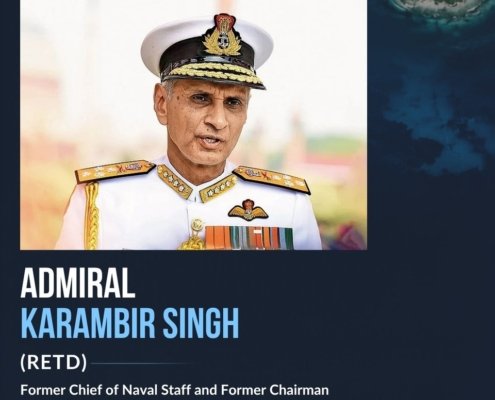 https://maritimeindia.org/wp-content/uploads/2026/07/4.5.jpeg
1200
960
admin
https://maritimeindia.org/wp-content/uploads/2020/01/sm-logo.png
admin2026-06-18 22:05:002026-07-04 22:15:15Admiral Karambir Singh Shares Strategic Perspectives on the Great Nicobar Project with Outlook India
https://maritimeindia.org/wp-content/uploads/2026/07/4.5.jpeg
1200
960
admin
https://maritimeindia.org/wp-content/uploads/2020/01/sm-logo.png
admin2026-06-18 22:05:002026-07-04 22:15:15Admiral Karambir Singh Shares Strategic Perspectives on the Great Nicobar Project with Outlook India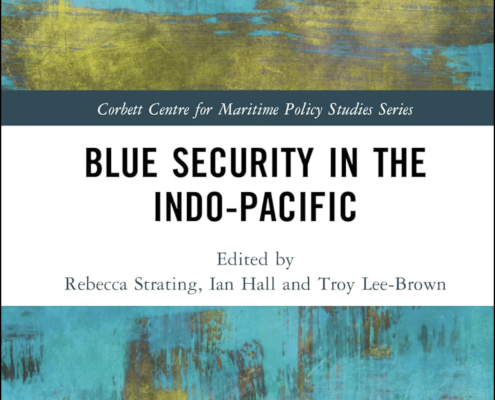 https://maritimeindia.org/wp-content/uploads/2026/06/Book-Cover.png
1100
1208
admin
https://maritimeindia.org/wp-content/uploads/2020/01/sm-logo.png
admin2026-06-17 16:01:182026-06-24 22:03:25REVIEW OF “BLUE SECURITY IN THE INDO-PACIFIC”
https://maritimeindia.org/wp-content/uploads/2026/06/Book-Cover.png
1100
1208
admin
https://maritimeindia.org/wp-content/uploads/2020/01/sm-logo.png
admin2026-06-17 16:01:182026-06-24 22:03:25REVIEW OF “BLUE SECURITY IN THE INDO-PACIFIC”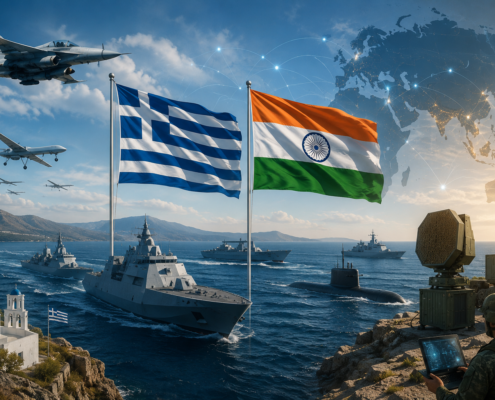 https://maritimeindia.org/wp-content/uploads/2026/06/Syros-Vaseleios-article-Image-17-Jun-26.png
1024
1536
admin
https://maritimeindia.org/wp-content/uploads/2020/01/sm-logo.png
admin2026-06-17 11:51:512026-06-17 11:51:51“AGENDA 2030” — INDIA’S STRATEGIC ADAPTATION AND GREECE’S NEW VISION OF DETERRENCE
https://maritimeindia.org/wp-content/uploads/2026/06/Syros-Vaseleios-article-Image-17-Jun-26.png
1024
1536
admin
https://maritimeindia.org/wp-content/uploads/2020/01/sm-logo.png
admin2026-06-17 11:51:512026-06-17 11:51:51“AGENDA 2030” — INDIA’S STRATEGIC ADAPTATION AND GREECE’S NEW VISION OF DETERRENCE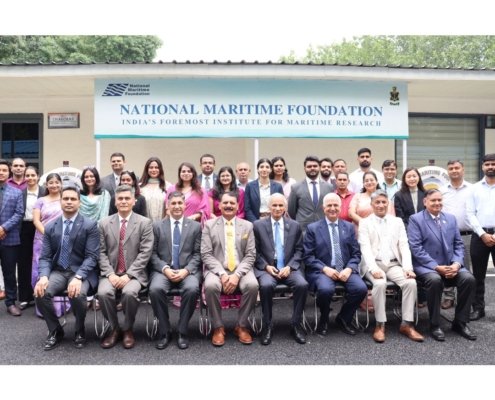 https://maritimeindia.org/wp-content/uploads/2026/07/4.6.jpeg
1350
1080
admin
https://maritimeindia.org/wp-content/uploads/2020/01/sm-logo.png
admin2026-06-16 22:04:132026-07-04 22:14:48Admiral Dinesh K Tripathi Assumes Chairmanship of the National Maritime Foundation
https://maritimeindia.org/wp-content/uploads/2026/07/4.6.jpeg
1350
1080
admin
https://maritimeindia.org/wp-content/uploads/2020/01/sm-logo.png
admin2026-06-16 22:04:132026-07-04 22:14:48Admiral Dinesh K Tripathi Assumes Chairmanship of the National Maritime Foundation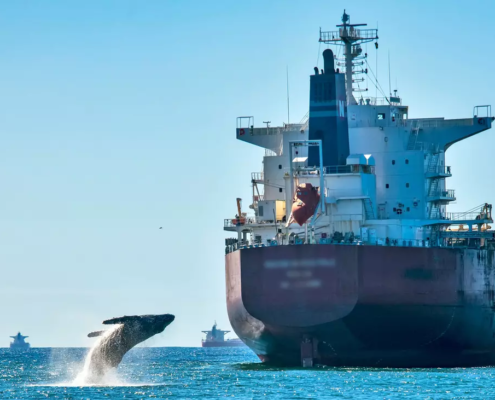 https://maritimeindia.org/wp-content/uploads/2026/06/John-V-May-26-del-image.webp
731
1300
admin
https://maritimeindia.org/wp-content/uploads/2020/01/sm-logo.png
admin2026-06-16 17:06:302026-06-24 20:58:40INTERNATIONAL LAW AND OCEAN GOVERNANCE IN THE INDO-PACIFIC — UNDERWATER ACOUSTIC HABITAT DEGRADATION FROM COMMERCIAL SHIPPING
https://maritimeindia.org/wp-content/uploads/2026/06/John-V-May-26-del-image.webp
731
1300
admin
https://maritimeindia.org/wp-content/uploads/2020/01/sm-logo.png
admin2026-06-16 17:06:302026-06-24 20:58:40INTERNATIONAL LAW AND OCEAN GOVERNANCE IN THE INDO-PACIFIC — UNDERWATER ACOUSTIC HABITAT DEGRADATION FROM COMMERCIAL SHIPPING https://maritimeindia.org/wp-content/uploads/2026/06/Cowrie-article-image.jpg
768
1408
admin
https://maritimeindia.org/wp-content/uploads/2020/01/sm-logo.png
admin2026-06-15 11:25:022026-06-15 11:25:02ASSESSING INDIA’S MARITIME CONSCIOUSNESS THROUGH COWRIES, COMMERCE, AND CIVILISATION
https://maritimeindia.org/wp-content/uploads/2026/06/Cowrie-article-image.jpg
768
1408
admin
https://maritimeindia.org/wp-content/uploads/2020/01/sm-logo.png
admin2026-06-15 11:25:022026-06-15 11:25:02ASSESSING INDIA’S MARITIME CONSCIOUSNESS THROUGH COWRIES, COMMERCE, AND CIVILISATION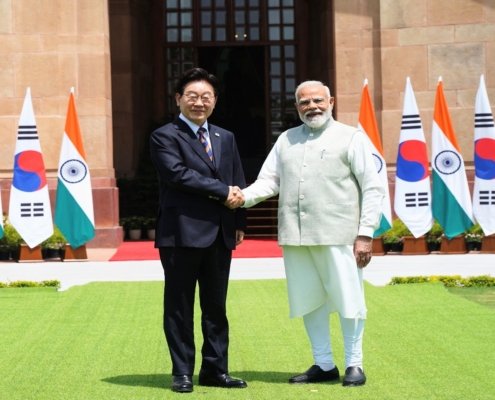 https://maritimeindia.org/wp-content/uploads/2026/06/SINHA-ROY-Arijita-Image-for-May-26-deliverable.jpg
964
1379
admin
https://maritimeindia.org/wp-content/uploads/2020/01/sm-logo.png
admin2026-06-12 21:17:182026-06-12 21:17:43ASSESSING THE PROSPECTS OF THE INDIA–ROK VOYAGES FRAMEWORK
https://maritimeindia.org/wp-content/uploads/2026/06/SINHA-ROY-Arijita-Image-for-May-26-deliverable.jpg
964
1379
admin
https://maritimeindia.org/wp-content/uploads/2020/01/sm-logo.png
admin2026-06-12 21:17:182026-06-12 21:17:43ASSESSING THE PROSPECTS OF THE INDIA–ROK VOYAGES FRAMEWORK