
 https://maritimeindia.org/wp-content/uploads/2026/08/John-V-Jul-26-del-image.jpg
907
1360
admin
https://maritimeindia.org/wp-content/uploads/2020/01/sm-logo.png
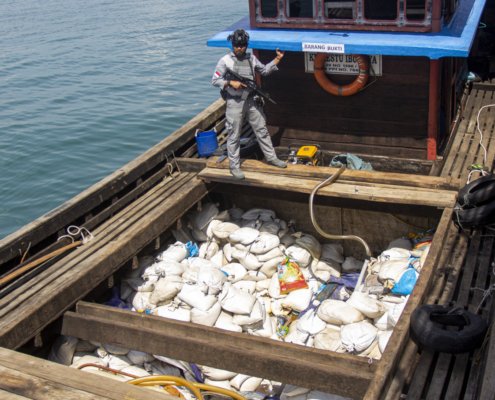
admin2026-08-08 07:47:262026-08-09 07:53:01DECIPHERING THE NEXUS BETWEEN IUU FISHING AND TRANSNATIONAL MARITIME CRIME IN THE INDO-PACIFIC
https://maritimeindia.org/wp-content/uploads/2026/08/John-V-Jul-26-del-image.jpg
907
1360
admin
https://maritimeindia.org/wp-content/uploads/2020/01/sm-logo.png
admin2026-08-08 07:47:262026-08-09 07:53:01DECIPHERING THE NEXUS BETWEEN IUU FISHING AND TRANSNATIONAL MARITIME CRIME IN THE INDO-PACIFIC 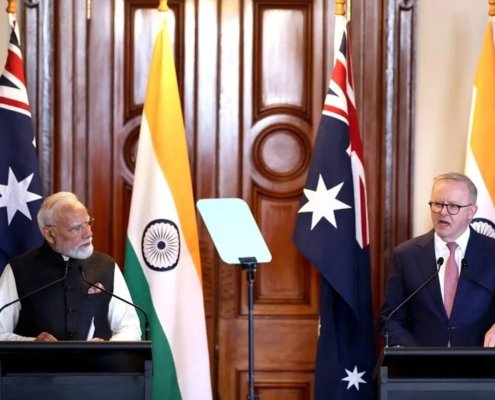 https://maritimeindia.org/wp-content/uploads/2026/08/Kripa-Anand-Jul-26-image.jpeg
999
1500
admin
https://maritimeindia.org/wp-content/uploads/2020/01/sm-logo.png
admin2026-08-06 23:20:312026-08-07 22:43:13INDIA–AUSTRALIA MARITIME COOPERATION 2026 — FROM STRATEGIC CONVERGENCE TO OPERATIONAL COOPERATION (THE MODI EFFECT)
https://maritimeindia.org/wp-content/uploads/2026/08/Kripa-Anand-Jul-26-image.jpeg
999
1500
admin
https://maritimeindia.org/wp-content/uploads/2020/01/sm-logo.png
admin2026-08-06 23:20:312026-08-07 22:43:13INDIA–AUSTRALIA MARITIME COOPERATION 2026 — FROM STRATEGIC CONVERGENCE TO OPERATIONAL COOPERATION (THE MODI EFFECT) https://maritimeindia.org/wp-content/uploads/2026/07/Mw.png
1491
1055
admin
https://maritimeindia.org/wp-content/uploads/2020/01/sm-logo.png
admin2026-08-06 22:48:552026-08-07 22:53:18MAKING WAVES E-NEWS BRIEF: 16-31 JULY 2026
https://maritimeindia.org/wp-content/uploads/2026/07/Mw.png
1491
1055
admin
https://maritimeindia.org/wp-content/uploads/2020/01/sm-logo.png
admin2026-08-06 22:48:552026-08-07 22:53:18MAKING WAVES E-NEWS BRIEF: 16-31 JULY 2026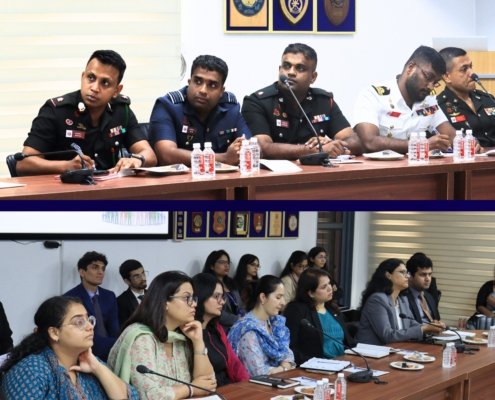 https://maritimeindia.org/wp-content/uploads/2026/08/23-scaled.jpeg
2560
2560
admin
https://maritimeindia.org/wp-content/uploads/2020/01/sm-logo.png
admin2026-08-04 12:38:142026-08-23 12:40:20NMF Hosts Defence Services Command and Staff College Delegation from Sri Lanka
https://maritimeindia.org/wp-content/uploads/2026/08/23-scaled.jpeg
2560
2560
admin
https://maritimeindia.org/wp-content/uploads/2020/01/sm-logo.png
admin2026-08-04 12:38:142026-08-23 12:40:20NMF Hosts Defence Services Command and Staff College Delegation from Sri Lanka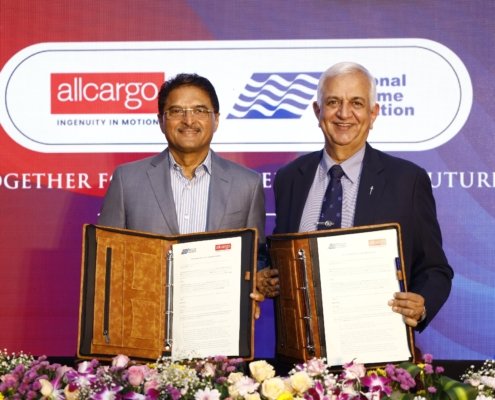 https://maritimeindia.org/wp-content/uploads/2026/08/03.3-scaled.jpeg
1707
2560
admin
https://maritimeindia.org/wp-content/uploads/2020/01/sm-logo.png
admin2026-07-30 07:31:192026-08-03 07:39:29NMF and Allcargo Group Sign MoU to Advance Maritime Logistics and Supply Chain Research
https://maritimeindia.org/wp-content/uploads/2026/08/03.3-scaled.jpeg
1707
2560
admin
https://maritimeindia.org/wp-content/uploads/2020/01/sm-logo.png
admin2026-07-30 07:31:192026-08-03 07:39:29NMF and Allcargo Group Sign MoU to Advance Maritime Logistics and Supply Chain Research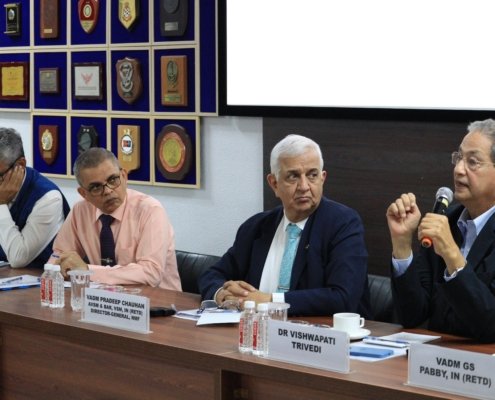 https://maritimeindia.org/wp-content/uploads/2026/08/03.4-scaled.jpeg
1707
2560
admin
https://maritimeindia.org/wp-content/uploads/2020/01/sm-logo.png
admin2026-07-29 07:34:342026-08-03 07:38:49NMF Hosts First Round Table Conference of Seventh Admiral AK Chatterji Fellowship Project 2026–2027
https://maritimeindia.org/wp-content/uploads/2026/08/03.4-scaled.jpeg
1707
2560
admin
https://maritimeindia.org/wp-content/uploads/2020/01/sm-logo.png
admin2026-07-29 07:34:342026-08-03 07:38:49NMF Hosts First Round Table Conference of Seventh Admiral AK Chatterji Fellowship Project 2026–2027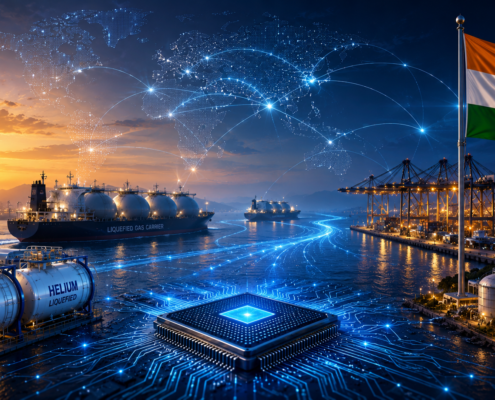 https://maritimeindia.org/wp-content/uploads/2026/07/RIGZIN-Chemi-June-26-del-Image.png
941
1672
admin
https://maritimeindia.org/wp-content/uploads/2020/01/sm-logo.png
admin2026-07-27 14:39:482026-07-27 14:41:29THE MARITIME LOGIC FOR SEMICONDUCTOR RESILIENCE
https://maritimeindia.org/wp-content/uploads/2026/07/RIGZIN-Chemi-June-26-del-Image.png
941
1672
admin
https://maritimeindia.org/wp-content/uploads/2020/01/sm-logo.png
admin2026-07-27 14:39:482026-07-27 14:41:29THE MARITIME LOGIC FOR SEMICONDUCTOR RESILIENCE https://maritimeindia.org/wp-content/uploads/2026/07/DIXIT_PALAVALSA-Jun-26-del-Image.jpg
788
1600
admin
https://maritimeindia.org/wp-content/uploads/2020/01/sm-logo.png
admin2026-07-27 09:17:172026-07-27 09:18:23PATHWAYS FOR INDIA–SPAIN COLLABORATION ON UNDERWATER CULTURAL HERITAGE
https://maritimeindia.org/wp-content/uploads/2026/07/DIXIT_PALAVALSA-Jun-26-del-Image.jpg
788
1600
admin
https://maritimeindia.org/wp-content/uploads/2020/01/sm-logo.png
admin2026-07-27 09:17:172026-07-27 09:18:23PATHWAYS FOR INDIA–SPAIN COLLABORATION ON UNDERWATER CULTURAL HERITAGE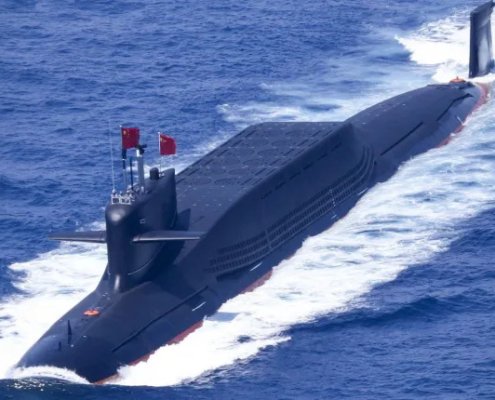 https://maritimeindia.org/wp-content/uploads/2026/07/John-V-Jun-26-del-Image.jpg
430
750
admin
https://maritimeindia.org/wp-content/uploads/2020/01/sm-logo.png
admin2026-07-26 12:07:332026-07-27 11:23:55CHINA’S NUCLEAR CLOCK AMBITIONS AND THE FUTURE OF MARITIME SECURITY IN THE INDO-PACIFIC — AN INDIAN PERSPECTIVE
https://maritimeindia.org/wp-content/uploads/2026/07/John-V-Jun-26-del-Image.jpg
430
750
admin
https://maritimeindia.org/wp-content/uploads/2020/01/sm-logo.png
admin2026-07-26 12:07:332026-07-27 11:23:55CHINA’S NUCLEAR CLOCK AMBITIONS AND THE FUTURE OF MARITIME SECURITY IN THE INDO-PACIFIC — AN INDIAN PERSPECTIVE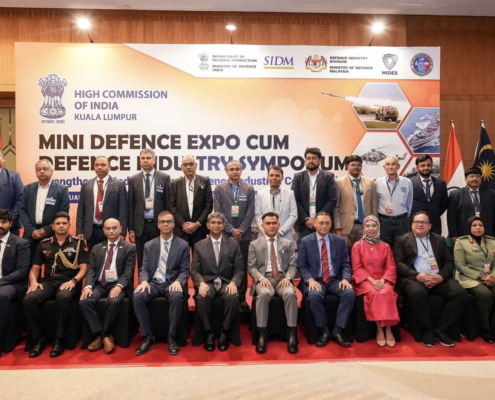 https://maritimeindia.org/wp-content/uploads/2026/07/SIHWAG-Sushmita-May-2026-Del-Image.png
1279
2212
admin
https://maritimeindia.org/wp-content/uploads/2020/01/sm-logo.png
admin2026-07-26 09:21:212026-07-26 09:23:57MALAYSIA’S EVOLVING DEFENCE INDUSTRIAL ECOSYSTEM AND OPPORTUNITIES ARISING FOR INDIA
https://maritimeindia.org/wp-content/uploads/2026/07/SIHWAG-Sushmita-May-2026-Del-Image.png
1279
2212
admin
https://maritimeindia.org/wp-content/uploads/2020/01/sm-logo.png
admin2026-07-26 09:21:212026-07-26 09:23:57MALAYSIA’S EVOLVING DEFENCE INDUSTRIAL ECOSYSTEM AND OPPORTUNITIES ARISING FOR INDIA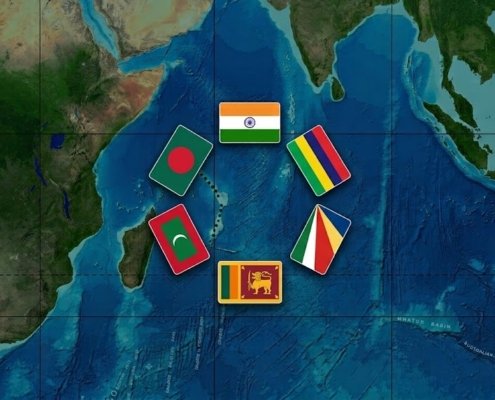 https://maritimeindia.org/wp-content/uploads/2026/07/GUSAIN-Junyali-Jun-26-Del-Image.jpeg
572
1024
admin
https://maritimeindia.org/wp-content/uploads/2020/01/sm-logo.png
admin2026-07-26 09:12:292026-07-26 09:12:29INDIA AND THE COLOMBO SECURITY CONCLAVE — STRENGTHENING SUB-REGIONAL MARITIME SECURITY
https://maritimeindia.org/wp-content/uploads/2026/07/GUSAIN-Junyali-Jun-26-Del-Image.jpeg
572
1024
admin
https://maritimeindia.org/wp-content/uploads/2020/01/sm-logo.png
admin2026-07-26 09:12:292026-07-26 09:12:29INDIA AND THE COLOMBO SECURITY CONCLAVE — STRENGTHENING SUB-REGIONAL MARITIME SECURITY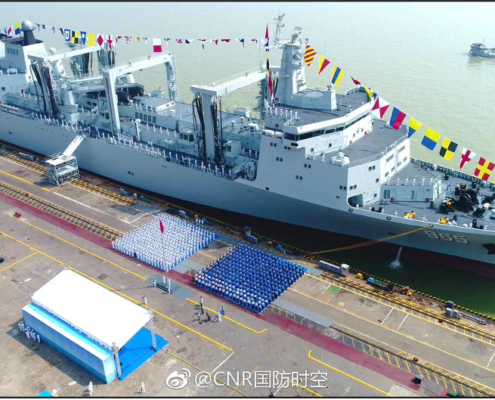 https://maritimeindia.org/wp-content/uploads/2026/07/255.png
529
945
admin
https://maritimeindia.org/wp-content/uploads/2020/01/sm-logo.png
admin2026-07-25 17:51:112026-07-27 19:57:35THE PLA NAVY LAUNCHES ITS LARGEST REPLENISHMENT VESSEL
https://maritimeindia.org/wp-content/uploads/2026/07/255.png
529
945
admin
https://maritimeindia.org/wp-content/uploads/2020/01/sm-logo.png
admin2026-07-25 17:51:112026-07-27 19:57:35THE PLA NAVY LAUNCHES ITS LARGEST REPLENISHMENT VESSEL