
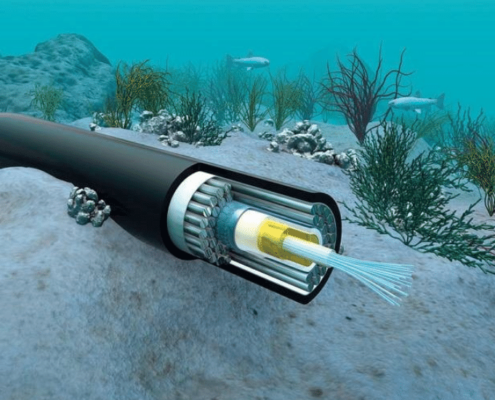
 https://maritimeindia.org/wp-content/uploads/2021/04/Untitled-design-10.png
550
900
admin
https://maritimeindia.org/wp-content/uploads/2020/01/sm-logo.png
admin2021-04-07 09:45:442021-04-20 19:42:01UNDERWATER COMMUNICATION CABLES: VULNERABILITIES AND PROTECTIVE MEASURES RELEVANT TO INDIA PART-1
https://maritimeindia.org/wp-content/uploads/2021/04/Untitled-design-10.png
550
900
admin
https://maritimeindia.org/wp-content/uploads/2020/01/sm-logo.png
admin2021-04-07 09:45:442021-04-20 19:42:01UNDERWATER COMMUNICATION CABLES: VULNERABILITIES AND PROTECTIVE MEASURES RELEVANT TO INDIA PART-1 Image courtesy- Indian Navy Website https://indiannavy.nic.in/content/malabar-exercise-20
https://maritimeindia.org/wp-content/uploads/2020/11/rsz_malabar_2020.jpg
550
900
admin
https://maritimeindia.org/wp-content/uploads/2020/01/sm-logo.png
admin2020-11-20 16:54:222020-11-20 16:54:22AFTER “MALABAR 2020”, WHAT? — NEXT STEPS IN CONSOLIDATING OUR MARITIME SPACE
Image courtesy- Indian Navy Website https://indiannavy.nic.in/content/malabar-exercise-20
https://maritimeindia.org/wp-content/uploads/2020/11/rsz_malabar_2020.jpg
550
900
admin
https://maritimeindia.org/wp-content/uploads/2020/01/sm-logo.png
admin2020-11-20 16:54:222020-11-20 16:54:22AFTER “MALABAR 2020”, WHAT? — NEXT STEPS IN CONSOLIDATING OUR MARITIME SPACE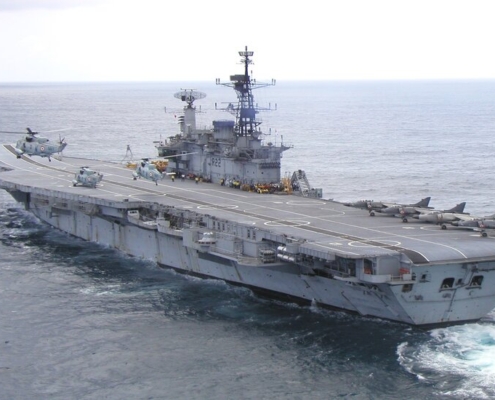 The Grandest 'lady' in town !
https://maritimeindia.org/wp-content/uploads/2020/09/rsz_the_viraat.jpg
550
900
admin
https://maritimeindia.org/wp-content/uploads/2020/01/sm-logo.png
admin2020-09-20 20:15:352020-09-29 11:51:15THE VIRAAT SAGA: REQUIEM FOR AN EAGLE
The Grandest 'lady' in town !
https://maritimeindia.org/wp-content/uploads/2020/09/rsz_the_viraat.jpg
550
900
admin
https://maritimeindia.org/wp-content/uploads/2020/01/sm-logo.png
admin2020-09-20 20:15:352020-09-29 11:51:15THE VIRAAT SAGA: REQUIEM FOR AN EAGLE https://maritimeindia.org/wp-content/uploads/2020/09/Hydrogen-Fuel-adoption-1.png
550
900
admin
https://maritimeindia.org/wp-content/uploads/2020/01/sm-logo.png
admin2020-09-18 20:23:422020-10-01 22:57:05HYDROGEN FUEL ADOPTION: AN OCEAN RENEWABLE ENERGY APPROACH PART 5: HYDROGEN-FUEL — THE OPTION-OF-CHOICE FOR INDIA
https://maritimeindia.org/wp-content/uploads/2020/09/Hydrogen-Fuel-adoption-1.png
550
900
admin
https://maritimeindia.org/wp-content/uploads/2020/01/sm-logo.png
admin2020-09-18 20:23:422020-10-01 22:57:05HYDROGEN FUEL ADOPTION: AN OCEAN RENEWABLE ENERGY APPROACH PART 5: HYDROGEN-FUEL — THE OPTION-OF-CHOICE FOR INDIA Energy Observer, launched in April 2017, is the first vessel in the world to both generate and be powered by hydrogen, relying on a renewable energy mix for onboard production.
https://maritimeindia.org/wp-content/uploads/2020/09/rsz_energy-observer-back-at-st-malo.jpg
550
900
admin
https://maritimeindia.org/wp-content/uploads/2020/01/sm-logo.png
admin2020-09-15 00:55:362020-10-28 19:42:00HYDROGEN FUEL ADOPTION: AN OCEAN RENEWABLE ENERGY APPROACH PART 4: HYDROGEN-FUEL FROM ‘ORER’ — A HYBRID SOLUTION FOR MARITIME ACTIVITY
Energy Observer, launched in April 2017, is the first vessel in the world to both generate and be powered by hydrogen, relying on a renewable energy mix for onboard production.
https://maritimeindia.org/wp-content/uploads/2020/09/rsz_energy-observer-back-at-st-malo.jpg
550
900
admin
https://maritimeindia.org/wp-content/uploads/2020/01/sm-logo.png
admin2020-09-15 00:55:362020-10-28 19:42:00HYDROGEN FUEL ADOPTION: AN OCEAN RENEWABLE ENERGY APPROACH PART 4: HYDROGEN-FUEL FROM ‘ORER’ — A HYBRID SOLUTION FOR MARITIME ACTIVITY https://maritimeindia.org/wp-content/uploads/2020/07/32791-sea-and-beach-big-wave.jpg
506
900
admin
https://maritimeindia.org/wp-content/uploads/2020/01/sm-logo.png
admin2020-07-09 16:47:022022-02-09 12:22:23HYDROGEN FUEL ADOPTION: AN OCEAN RENEWABLE ENERGY APPROACH PART 3: OCEAN RENEWABLE ENERGY AS A VIABLE ALTERNATIVE
https://maritimeindia.org/wp-content/uploads/2020/07/32791-sea-and-beach-big-wave.jpg
506
900
admin
https://maritimeindia.org/wp-content/uploads/2020/01/sm-logo.png
admin2020-07-09 16:47:022022-02-09 12:22:23HYDROGEN FUEL ADOPTION: AN OCEAN RENEWABLE ENERGY APPROACH PART 3: OCEAN RENEWABLE ENERGY AS A VIABLE ALTERNATIVE https://maritimeindia.org/wp-content/uploads/2020/03/sciencesource_ss2413465_wide-239fa0a3976275f12212327667e1257771e49e36.jpg
787
1400
admin
https://maritimeindia.org/wp-content/uploads/2020/01/sm-logo.png
admin2020-03-30 09:00:272020-10-28 18:21:47IMPACT OF COVID-19 AND OTHER VIRAL OUTBREAKS ON BOARD SHIPS
https://maritimeindia.org/wp-content/uploads/2020/03/sciencesource_ss2413465_wide-239fa0a3976275f12212327667e1257771e49e36.jpg
787
1400
admin
https://maritimeindia.org/wp-content/uploads/2020/01/sm-logo.png
admin2020-03-30 09:00:272020-10-28 18:21:47IMPACT OF COVID-19 AND OTHER VIRAL OUTBREAKS ON BOARD SHIPS https://maritimeindia.org/wp-content/uploads/2019/12/img2.jpg
600
1200
admin
https://maritimeindia.org/wp-content/uploads/2020/01/sm-logo.png
admin2020-02-14 11:45:552021-04-07 10:28:14PHYSICAL PROTECTION OF INDIA’S CRITICAL MARITIME INFRASTRUCTURE: PART 3: MARITIME TRANSPORT: SHIPPING
https://maritimeindia.org/wp-content/uploads/2019/12/img2.jpg
600
1200
admin
https://maritimeindia.org/wp-content/uploads/2020/01/sm-logo.png
admin2020-02-14 11:45:552021-04-07 10:28:14PHYSICAL PROTECTION OF INDIA’S CRITICAL MARITIME INFRASTRUCTURE: PART 3: MARITIME TRANSPORT: SHIPPING https://maritimeindia.org/wp-content/uploads/2020/02/india-globe-scaled.jpg
1324
2560
admin
https://maritimeindia.org/wp-content/uploads/2020/01/sm-logo.png
admin2020-02-03 12:09:222020-11-02 16:08:25INDIA'S PROPOSED MARITIME STRATEGY
https://maritimeindia.org/wp-content/uploads/2020/02/india-globe-scaled.jpg
1324
2560
admin
https://maritimeindia.org/wp-content/uploads/2020/01/sm-logo.png
admin2020-02-03 12:09:222020-11-02 16:08:25INDIA'S PROPOSED MARITIME STRATEGY https://maritimeindia.org/wp-content/uploads/2019/12/rsz_critical_infra.jpg
550
900
admin
https://maritimeindia.org/wp-content/uploads/2020/01/sm-logo.png
admin2019-12-06 06:57:002021-04-07 10:27:29PHYSICAL PROTECTION OF INDIA’S CRITICAL MARITIME INFRASTRUCTURE: Part 2: MARITIME ENERGY SECTOR
https://maritimeindia.org/wp-content/uploads/2019/12/rsz_critical_infra.jpg
550
900
admin
https://maritimeindia.org/wp-content/uploads/2020/01/sm-logo.png
admin2019-11-12 18:17:002021-04-07 10:27:48PHYSICAL PROTECTION OF INDIA’S CRITICAL MARITIME INFRASTRUCTURE: PART 1
https://maritimeindia.org/wp-content/uploads/2019/12/rsz_critical_infra.jpg
550
900
admin
https://maritimeindia.org/wp-content/uploads/2020/01/sm-logo.png
admin2019-12-06 06:57:002021-04-07 10:27:29PHYSICAL PROTECTION OF INDIA’S CRITICAL MARITIME INFRASTRUCTURE: Part 2: MARITIME ENERGY SECTOR
https://maritimeindia.org/wp-content/uploads/2019/12/rsz_critical_infra.jpg
550
900
admin
https://maritimeindia.org/wp-content/uploads/2020/01/sm-logo.png
admin2019-11-12 18:17:002021-04-07 10:27:48PHYSICAL PROTECTION OF INDIA’S CRITICAL MARITIME INFRASTRUCTURE: PART 1