
 https://maritimeindia.org/wp-content/uploads/2026/01/image.webp
360
540
admin
https://maritimeindia.org/wp-content/uploads/2020/01/sm-logo.png
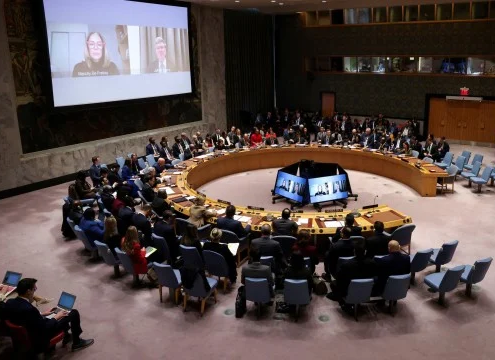
admin2026-01-27 09:17:152026-01-27 09:17:15FROM HOST TO RULE-SHAPER? CHINA AND THE POLITICS OF HOSTING THE BBNJ SECRETARIAT
https://maritimeindia.org/wp-content/uploads/2026/01/image.webp
360
540
admin
https://maritimeindia.org/wp-content/uploads/2020/01/sm-logo.png
admin2026-01-27 09:17:152026-01-27 09:17:15FROM HOST TO RULE-SHAPER? CHINA AND THE POLITICS OF HOSTING THE BBNJ SECRETARIAT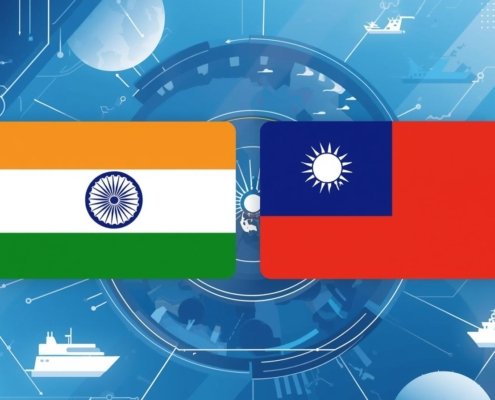 https://maritimeindia.org/wp-content/uploads/2026/01/Blue-Economy-as-Foreign-Policy-Instrument_-Strategic-Convergences-and-India–Taiwan-Cooperation-in-the-Indo-Pacific_.-something-attarctive-with-flags.jpg
896
1600
admin
https://maritimeindia.org/wp-content/uploads/2020/01/sm-logo.png
admin2026-01-11 09:23:052026-01-16 11:53:52BLUE ECONOMY AS FOREIGN POLICY INSTRUMENT: STRATEGIC CONVERGENCES AND INDIA–TAIWAN COOPERATION IN THE INDO-PACIFIC
https://maritimeindia.org/wp-content/uploads/2026/01/Blue-Economy-as-Foreign-Policy-Instrument_-Strategic-Convergences-and-India–Taiwan-Cooperation-in-the-Indo-Pacific_.-something-attarctive-with-flags.jpg
896
1600
admin
https://maritimeindia.org/wp-content/uploads/2020/01/sm-logo.png
admin2026-01-11 09:23:052026-01-16 11:53:52BLUE ECONOMY AS FOREIGN POLICY INSTRUMENT: STRATEGIC CONVERGENCES AND INDIA–TAIWAN COOPERATION IN THE INDO-PACIFIC https://maritimeindia.org/wp-content/uploads/2025/12/Blue-Economy-as-the-Entire-Economy.png
489
952
admin
https://maritimeindia.org/wp-content/uploads/2020/01/sm-logo.png
admin2025-12-30 21:32:572025-12-30 21:32:57OUR OCEANIC FOUNDATION: WHY THE BLUE ECONOMY IS THE ENTIRE ECONOMY
https://maritimeindia.org/wp-content/uploads/2025/12/Blue-Economy-as-the-Entire-Economy.png
489
952
admin
https://maritimeindia.org/wp-content/uploads/2020/01/sm-logo.png
admin2025-12-30 21:32:572025-12-30 21:32:57OUR OCEANIC FOUNDATION: WHY THE BLUE ECONOMY IS THE ENTIRE ECONOMY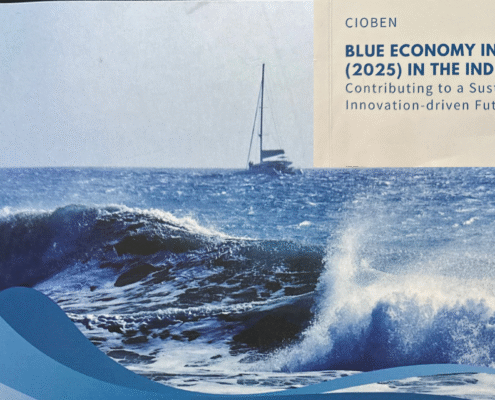 https://maritimeindia.org/wp-content/uploads/2025/12/07.png
1080
1920
admin
https://maritimeindia.org/wp-content/uploads/2020/01/sm-logo.png
admin2025-12-04 08:29:292025-12-08 15:07:27CRITICAL REVIEW: THE BLUE ECONOMY INDEX 2025 (CHINA–INDIAN OCEAN BLUE ECONOMY THINK TANK NETWORK - CIOBEN)
https://maritimeindia.org/wp-content/uploads/2025/12/07.png
1080
1920
admin
https://maritimeindia.org/wp-content/uploads/2020/01/sm-logo.png
admin2025-12-04 08:29:292025-12-08 15:07:27CRITICAL REVIEW: THE BLUE ECONOMY INDEX 2025 (CHINA–INDIAN OCEAN BLUE ECONOMY THINK TANK NETWORK - CIOBEN)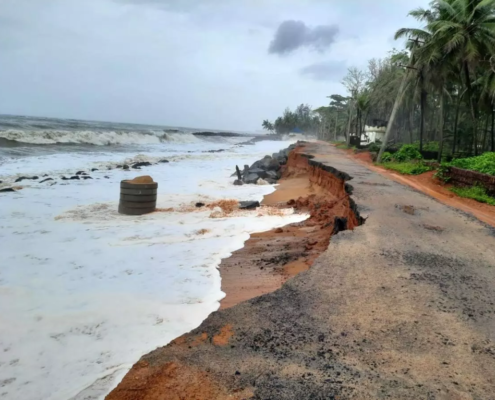 https://maritimeindia.org/wp-content/uploads/2024/04/Article-cover-Image-by-Dr-Youdon-AS-ON-Friday-12-April-24.webp
900
1200
admin
https://maritimeindia.org/wp-content/uploads/2020/01/sm-logo.png
admin2024-04-11 11:20:382024-05-02 11:45:36COASTAL EROSION AND ADAPTATION MEASURES: AN ASSESSMENT
https://maritimeindia.org/wp-content/uploads/2024/04/Article-cover-Image-by-Dr-Youdon-AS-ON-Friday-12-April-24.webp
900
1200
admin
https://maritimeindia.org/wp-content/uploads/2020/01/sm-logo.png
admin2024-04-11 11:20:382024-05-02 11:45:36COASTAL EROSION AND ADAPTATION MEASURES: AN ASSESSMENT https://maritimeindia.org/wp-content/uploads/2024/03/Article-Cover-Image-as-on-Saturday-02-March-24.jpeg
675
1200
admin
https://maritimeindia.org/wp-content/uploads/2020/01/sm-logo.png
admin2024-03-02 17:53:582024-05-02 11:40:53TOWARDS A HOLISTIC BLUE ECONOMY FRAMEWORK: ADOPTION OF HIGH-LEVEL PRINCIPLES FOR BLUE ECONOMY BY THE G20
https://maritimeindia.org/wp-content/uploads/2024/03/Article-Cover-Image-as-on-Saturday-02-March-24.jpeg
675
1200
admin
https://maritimeindia.org/wp-content/uploads/2020/01/sm-logo.png
admin2024-03-02 17:53:582024-05-02 11:40:53TOWARDS A HOLISTIC BLUE ECONOMY FRAMEWORK: ADOPTION OF HIGH-LEVEL PRINCIPLES FOR BLUE ECONOMY BY THE G20 https://maritimeindia.org/wp-content/uploads/2022/11/Image-India-at-Climate-Change-position.jpg
454
602
admin
https://maritimeindia.org/wp-content/uploads/2020/01/sm-logo.png
admin2022-11-19 10:13:082022-11-19 13:27:16INDIA’S APPROACH AND POSITION ON CLIMATE CHANGE GOVERNANCE
https://maritimeindia.org/wp-content/uploads/2022/11/Image-India-at-Climate-Change-position.jpg
454
602
admin
https://maritimeindia.org/wp-content/uploads/2020/01/sm-logo.png
admin2022-11-19 10:13:082022-11-19 13:27:16INDIA’S APPROACH AND POSITION ON CLIMATE CHANGE GOVERNANCE https://maritimeindia.org/wp-content/uploads/2021/01/rsz_storm_at_liverpool_port.jpg
550
900
admin
https://maritimeindia.org/wp-content/uploads/2020/01/sm-logo.png
admin2021-01-31 19:44:442021-01-31 20:01:02INTRODUCING CLIMATE RESILIENCE AS THE FIFTH PILLAR OF THE SAGARMALA PROGRAMME
https://maritimeindia.org/wp-content/uploads/2021/01/rsz_storm_at_liverpool_port.jpg
550
900
admin
https://maritimeindia.org/wp-content/uploads/2020/01/sm-logo.png
admin2021-01-31 19:44:442021-01-31 20:01:02INTRODUCING CLIMATE RESILIENCE AS THE FIFTH PILLAR OF THE SAGARMALA PROGRAMME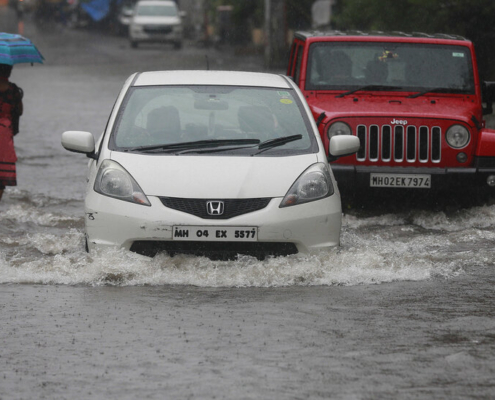 Picture credits: AP Photo/Rafiq Maqbool
https://maritimeindia.org/wp-content/uploads/2020/12/rsz_indias_vulnerablity_to_climate_change.jpg
550
900
admin
https://maritimeindia.org/wp-content/uploads/2020/01/sm-logo.png
admin2020-12-05 15:17:192020-12-08 11:47:08VULNERABILITY OF COASTAL CITIES: AN INTEGRATED ADAPTATION APPROACH- PART 2
Picture credits: AP Photo/Rafiq Maqbool
https://maritimeindia.org/wp-content/uploads/2020/12/rsz_indias_vulnerablity_to_climate_change.jpg
550
900
admin
https://maritimeindia.org/wp-content/uploads/2020/01/sm-logo.png
admin2020-12-05 15:17:192020-12-08 11:47:08VULNERABILITY OF COASTAL CITIES: AN INTEGRATED ADAPTATION APPROACH- PART 2 Image Credits-Indranil Mukherjee, AFP
https://maritimeindia.org/wp-content/uploads/2020/11/cyclone-nisarga.jpg
550
900
admin
https://maritimeindia.org/wp-content/uploads/2020/01/sm-logo.png
admin2020-11-29 11:11:062020-11-29 11:11:06IMPACT OF CLIMATE CHANGE ON COASTAL CITIES: AN ‘INTEGRATED ADAPTATION’ APPROACH PART I
Image Credits-Indranil Mukherjee, AFP
https://maritimeindia.org/wp-content/uploads/2020/11/cyclone-nisarga.jpg
550
900
admin
https://maritimeindia.org/wp-content/uploads/2020/01/sm-logo.png
admin2020-11-29 11:11:062020-11-29 11:11:06IMPACT OF CLIMATE CHANGE ON COASTAL CITIES: AN ‘INTEGRATED ADAPTATION’ APPROACH PART I https://maritimeindia.org/wp-content/uploads/2020/10/rsz_mangroves.jpg
550
900
admin
https://maritimeindia.org/wp-content/uploads/2020/01/sm-logo.png
admin2020-10-12 23:29:102020-10-27 23:59:56CLIMATE CHANGE IMPACT ON MANGROVE ECOSYSTEMS IN INDIA’s COASTAL REGIONS
https://maritimeindia.org/wp-content/uploads/2020/10/rsz_mangroves.jpg
550
900
admin
https://maritimeindia.org/wp-content/uploads/2020/01/sm-logo.png
admin2020-10-12 23:29:102020-10-27 23:59:56CLIMATE CHANGE IMPACT ON MANGROVE ECOSYSTEMS IN INDIA’s COASTAL REGIONS