
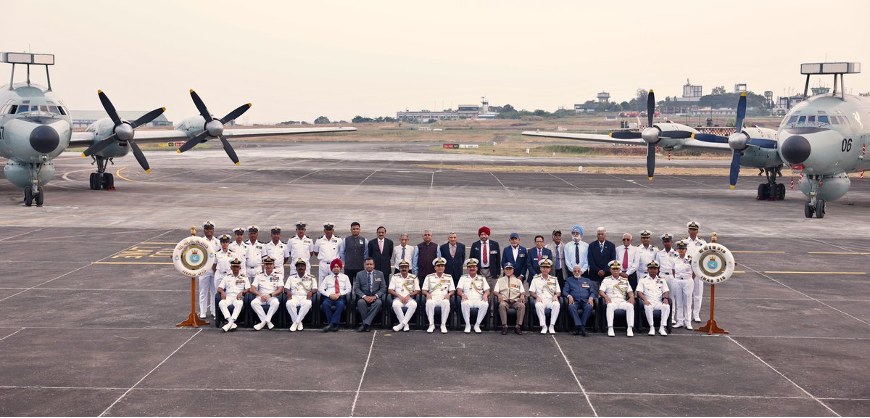
From Super Constellations to Il-38s, to Tu-142s, to P-8Is — and Beyond
Fifty years of Long-Range Maritime Reconnaissance and Anti-Submarine Warfare (LRMRASW) in the Indian Navy
Commodore RS Vasan, IN (Retd) — Commissioning crew of INAS 315, CO INAS 315 and First CO of INS Rajali
1. Where It Began — The Alizé and 1971
The Indian Navy invested in the carrier-borne SR ASW aircraft, the Alizé, for surveillance in the 1960s. For its age, it was remarkable that the aircraft had a radar, an EW suite, sonobuoys, rockets, depth charges and mines.
The Alizés from INAS 310, the ‘Cobra’ squadron, were most effective in the Liberation of Bangladesh, when the only Asian carrier, INS Vikrant, operated day and night to sink ships and hit harbours at Chittagong, Khulna and Dhaka. The not-too-short range of this single-engine aircraft was limited only by the distance the carrier chose to traverse, depending on the tactical situation.
The Alizés were also used by the Air Force to find radars across the border, due to its excellent EW equipment that could be used for triangulation. Unfortunately,one of the Alizés was lost off Jamnagar during one such mission.
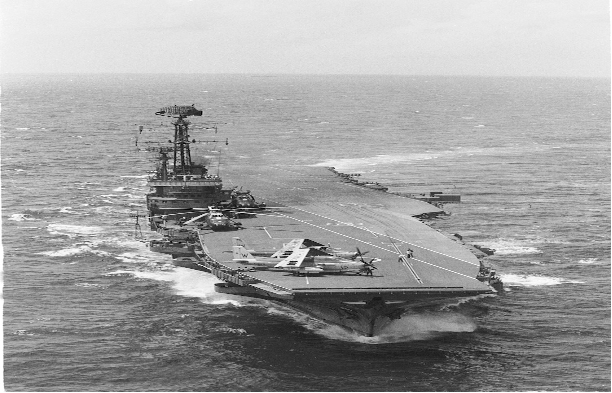 Figure 1 — INS Vikrant (R11) launches an Alizé during the Indo-Pakistani War of 1971.
Photo: Wikimedia Commons / Naval Encyclopedia
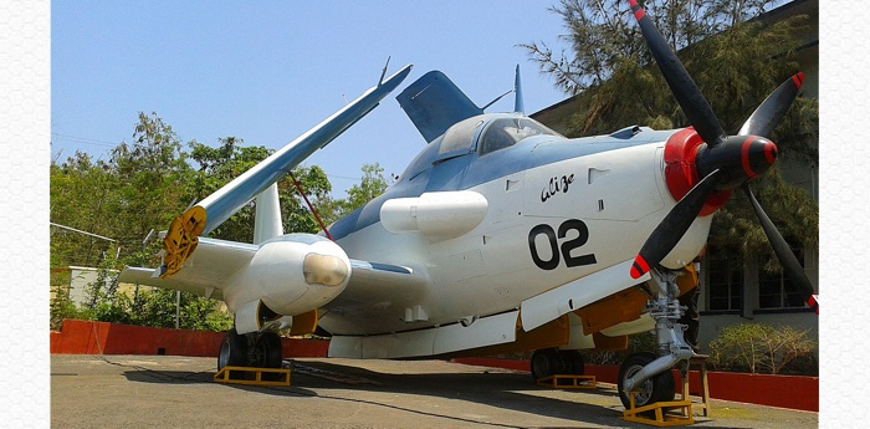 Figure 1A — Bréguet Alizé on deck, wings folded.
Photo: AircraftTube
2. The Inter-Service Debate — Who Owns Maritime Patrol?
Encouraged by the success of the 1971 operations, the Navy seriously looked at the options for shore-based, long-range MR ASW, in addition to adding to its surface and sub-surface inventory. However, it was the IAF that was operating the Super Constellation aircraft for surveillance over the sea. All that it was equipped with was a rudimentary radar, and it flew missions from Mumbai, where it was based.
However, it was a long, hard-fought battle with the sister service to convince the Government that it is the Navy that has to control streamlined maritime operations for ASW, anti-ship strike and reconnaissance. The newspapers of the day witnessed proxy wars by the sister services, extolling the virtues of who should control the maritime domain. An article or two, and engagement in the readers’ column by retired veterans and spouses, was the order of the day — a virtual war of words on who was more equipped and suited to own and operate LRMR ASW.
To cut the story short, the Government was convinced that it was the Navy that needs to monitor the extended maritime zones of interest — from Africa to the Pacific — on the surface, sub-surface and in the air.
3. The Googly — And the Navy Accepts the Challenge
The decision enabled the select crew to be deputed to the Soviet Union for training and acquisition of the Il-38s in 1976. However, the IAF was not in a mood to accept the decision and bowled a googly at the Navy, saying that since it is your role, please take over the ageing Super Connies.
The IAF, according to unofficial sources, was aware of the shortage of aircrew in the Navy and was banking on the Indian Navy not accepting the challenge. The Navy was able to get all the pilots and observers from various positions and accepted the challenge, to induct the Super Constellation well before the Il-38s were commissioned. To be fair to the IAF, they ensured that proper training was undertaken before handing over their assets.
Thus was born the glorious chapter of the LRMRASW aircraft in the Indian Navy, when INAS 312 was commissioned on 18th November 1976 at INS Hansa with Super Constellations. It is to the credit of the commissioning crew that they were able to keep these old aircraft flying and initiate aircrew in the complexities of operating a multi-engine aircraft. The aircraft continued to be maintained by Air India for major maintenance.
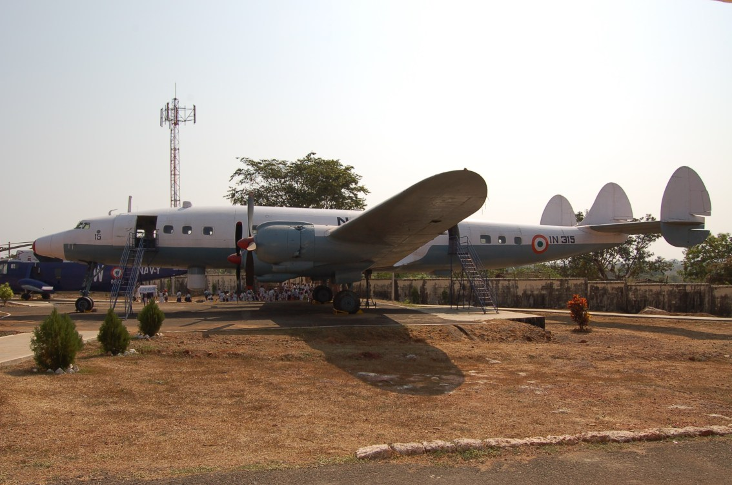 Figure 2 — Lockheed Super Constellation (IN 315) preserved at the Naval Aviation Museum, Goa.
Photo: The War Zone
4. INAS 315 and the Il-38 — A Different League
With the commissioning of INAS 315 on 1 October 1977, the Indian Navy moved into a different league of maritime nations who operated long-range MRASW aircraft. These aircraft brought excellent ASW capability with sonobuoys, Magnetic Anomaly Detector (MAD), homing torpedoes and a full-fledged AFCS — which enabled hands-off flying for all phases of tactical flying.
The aircraft, on induction, were limited in their EW capability and lacked any anti-ship missile (ASM). During the commission, these were addressed by integrating the Hermes EW system and the Sea Eagle missiles, for making it a true all-rounder. Both these came from the stable of Sea Kings, where they had proved their worth.
Figure 3 — INAS 315 personnel with two Il-38SDs at the decommissioning / farewell, 2023.
Photo: INAS 315 farewell record
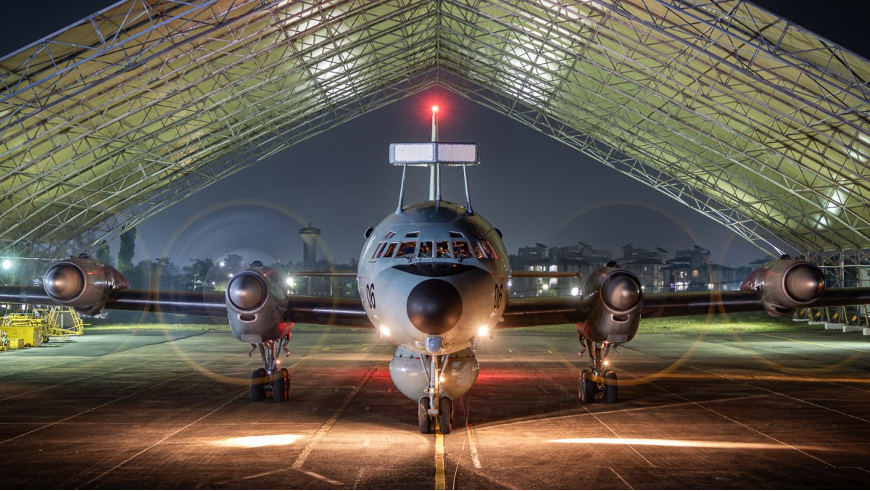 Figure 3A — Indian Navy Il-38SD in flight.
Photo: The War Zone
5. In Operations — Op Cactus and Exercise Brass Tacks
The Il-38 played a crucial role in Op Cactus, alongside the IAF and the Indian Army. During Brass Tacks, all the five aircraft flew with great efficiency, both for the Blue and Red forces.
The Russians were never tired of reminding us during our training that this aircraft was most ‘Nadyoshni’ — meaning highly reliable. These aircraft continued to fly till November 2023 — a testimony to the aircraft, to those who maintained it, and to those who operated it.
6. The Tu-142s, INS Rajali and the Bay of Bengal
The Il-38SD was a new breed, designed and integrated in Russia, and it gave an edge to the IN. The commissioning of the Tu-142s into INAS 312 added to the reach and surveillance capability of the Indian Navy in the Indian Ocean.
There were serious limitations in carrying the full payload from Hansa, due to the length of the runway. In addition, there was a need to shore up our surveillance capability in the Bay of Bengal, due to Chinese expansion in the IOR. The Indian Navy also complemented the Look East policy of India.
INS Rajali was conceptualised, built and commissioned to meet the futuristic demands of the Indian Navy. Interestingly, the IAF operated this airfield during World War II, and the Navy operated Tambaram, which is now an Air Force base — a neat reversal of roles that the two services would appreciate.
Rajali was commissioned on 11 March 1992 by the then President, R. Venkataraman. Within three months, INAS 312 (the ‘Albatross’) shifted to Rajali. The Tu-142s, despite some of the challenges of an uncompleted runway and infrastructure, met all missions in a credible manner, indicative of the strong foundations laid since the commissioning of LRMRASW. The BMF (Base Maintenance Facility) and the Station Maintenance facility for helicopters were commissioned during that same period.
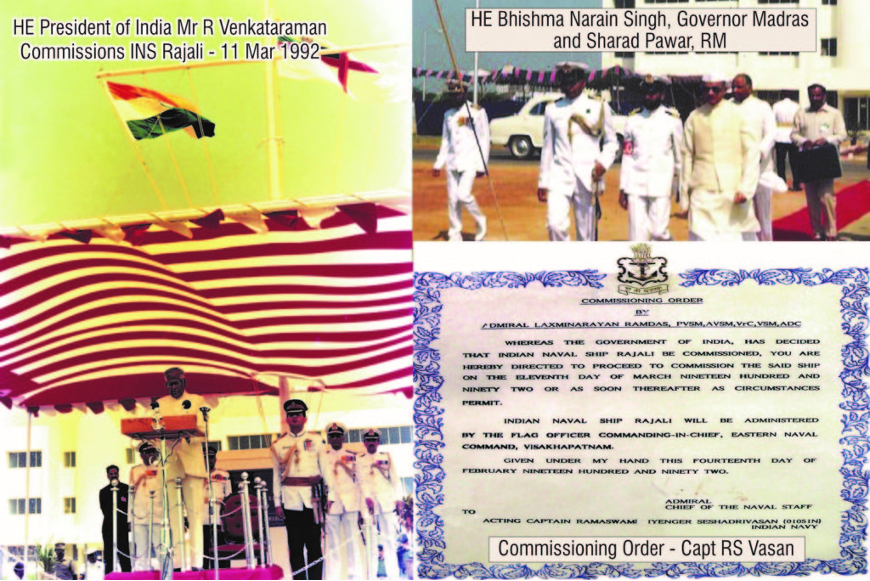 Figure 5 — President R. Venkataraman commissions INS Rajali, 11 March 1992. Top-right: Governor Bhishma Narain Singh and Defence Minister Sharad Pawar on the red carpet. Bottom-right: the Commissioning Order by Admiral L. Ramdas, addressed to Acting Captain R. S. Vasan, first CO of INS Rajali.
How Rajali Was Built
The airfield at Arakkonam was built by the Allies in World War II (first aircraft, No. 2 Squadron Lysanders, May 1941; two concrete runways, Nov–Dec 1942). The Government transferred it to the Navy in 1972; the Navy took over 2,280 acres in 1975. After a 1984 Board of Officers (over 500 pages) divided the station into six sectors — operational, offices/ATC/hospital, mess/accommodation, sailors’ flats, in-living/DSC, schools/canteen/cinema — CCPA approved the project on 19 June 1986 at Rs 99.24 crore. Prime Minister Rajiv Gandhi laid the foundation stone on 12 November 1988. On Commissioning Day the runway was not fully ready — the contractor had left suddenly — and Border Roads completed it in four months. Cdr S. J. S. Gill (CO, 312 Squadron) made a practice landing on 7 March 1992, with flypasts on 8–9 March and the first official landing on Commissioning Day itself. HTS shifted from Kochi before the monsoon. The name and crest were designed by MES officer Major Balakrishnan — ‘Rajali’ is the Tamil name for the Hawk Eagle (Falconiformes) of the East Coast. Rajali is one of the few defence projects completed in the planned time and without over-running its sanctioned budget.
On 29 March 2017, at INS Rajali, the Tu-142Ms were given a befitting farewell and taken out of service after 29 years — 30,000 hours of accident-free flying from the east coast of Africa to Australia — paving the way for the Boeing P-8I Poseidons to take over the long-range watch. INAS 312 itself was not decommissioned; it converted to the P-8I, with Cdr Yogender Mair, the last CO on the Tu-142M, handing over command to Cdr V. Ranganathan, the first CO of the squadron on the P-8I.
In the farewell flight, the Tu-142M flew in company with three Chetak helicopters, two Dorniers, one Il-38 and one P-8I — the old guard handing over to the new, in the same sky over Rajali.
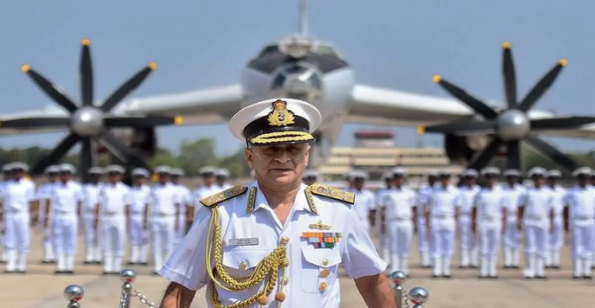 Figure 4B — Admiral Sunil Lanba, Chief of the Naval Staff, at the de-induction of the Tu-142M, INS Rajali, 29 March 2017.
Photo: The Hindu Business Line
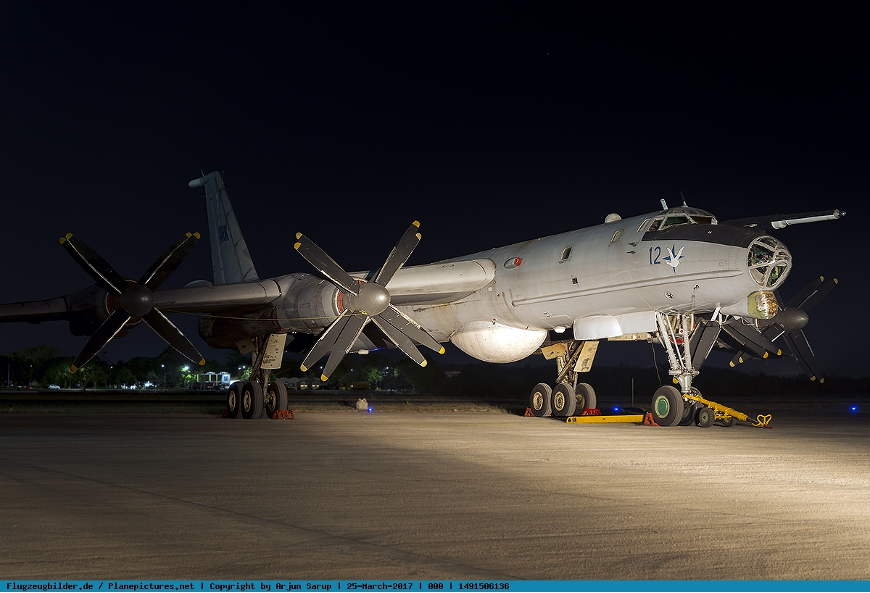 Figure 4 — Tupolev Tu-142M of INAS 312.
Photo: PlanePictures
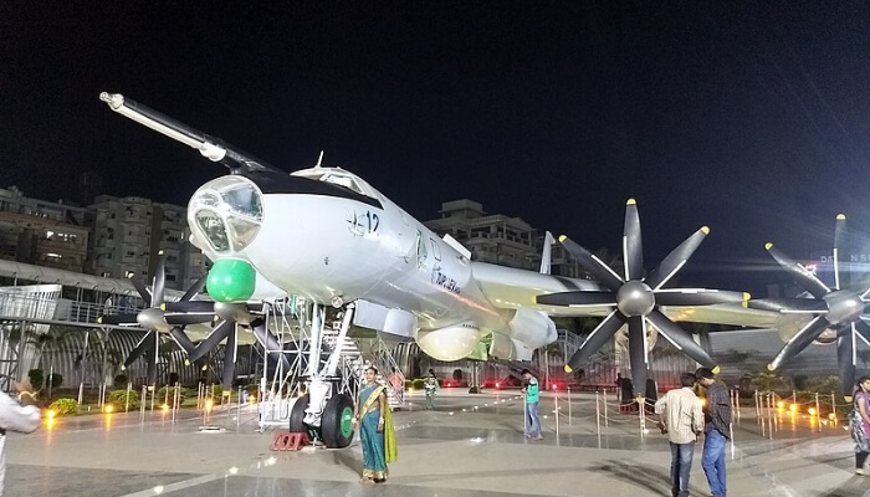 Figure 4A — Tu-142M preserved as a museum aircraft (Vizag display).
Photo: Outlook Traveller
7. The P-8I Era — Reach Multiplied Manyfold
With the induction of a new generation of P-8Is, which replaced the Tu-142s, the Indian Navy’s surveillance capability and reach multiplied manyfold. The Navy was able to keep track of all the happenings in the Indo-Pacific and contribute to enhanced levels of MDA.
The operations post-Galwan brought out the utility of the new birds of INAS 312, in being useful both to the IAF and the Indian Army, to provide sustained inputs on the location and activities of our adversaries across the Line of Actual Control in the Himalayas.
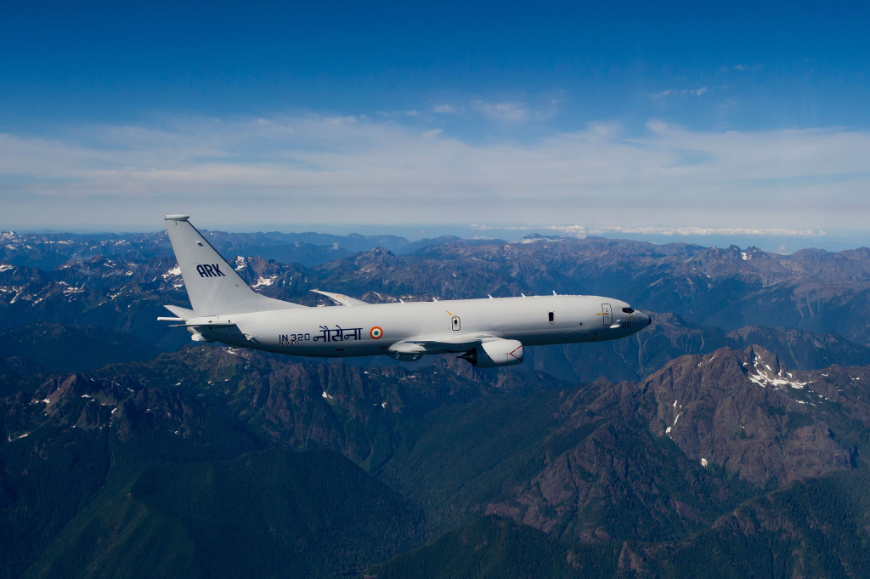 Figure 6 — Boeing P-8I Neptune (IN 320) of the Indian Navy, in flight over the Himalayas.
Photo: Simple Flying / Boeing
8. At a Glance — Five Generations, One Mission
| Era / Aircraft | Squadron / Base | What it gave the Navy |
| 1960s — Bréguet Alizé | INAS 310 ‘Cobras’, INS Vikrant | Carrier-borne ASW, radar, EW, sonobuoys, rockets, depth charges |
| 1976 — Super Constellation | INAS 312, INS Hansa, Goa | First Navy LRMR squadron; multi-engine initiation; Air India major maintenance |
| 1977 onward — Il-38 / Il-38SD | INAS 315, INS Hansa | True LRMRASW: sonobuoys, MAD, homing torpedoes, AFCS; later Hermes EW + Sea Eagle |
| 1988 onward — Tu-142M | INAS 312, INS Rajali, Arakkonam | Reach across the Indian Ocean; heaviest / fastest / highest turboprop |
| 2013 onward — Boeing P-8I | INAS 312 (+ 312-A), INS Rajali | Modern sensors, networking; MDA across the Indo-Pacific; 50,000 hrs by INAS 312 (2025) |
9. Fifty Years On — A Tribute
As we commemorate the 50th anniversary of LRMRASW integration in the Indian Navy, on 18th November 2026, the IN can look back with enormous pride in what the successive squadrons and professional air and ground crew have accomplished, to meet all tasks on a 24×7 basis, anywhere in the Indo-Pacific.
It is time to acknowledge the contribution of all those who rowed together to make the Indian Navy and India proud. Safe, productive flying — always, and every time.
Jai Hind.

Leave a Reply
Want to join the discussion?Feel free to contribute!