
 https://maritimeindia.org/wp-content/uploads/2020/07/32791-sea-and-beach-big-wave.jpg
506
900
admin
https://maritimeindia.org/wp-content/uploads/2020/01/sm-logo.png
admin2020-07-09 16:47:022022-02-09 12:22:23HYDROGEN FUEL ADOPTION: AN OCEAN RENEWABLE ENERGY APPROACH PART 3: OCEAN RENEWABLE ENERGY AS A VIABLE ALTERNATIVE
https://maritimeindia.org/wp-content/uploads/2020/07/32791-sea-and-beach-big-wave.jpg
506
900
admin
https://maritimeindia.org/wp-content/uploads/2020/01/sm-logo.png
admin2020-07-09 16:47:022022-02-09 12:22:23HYDROGEN FUEL ADOPTION: AN OCEAN RENEWABLE ENERGY APPROACH PART 3: OCEAN RENEWABLE ENERGY AS A VIABLE ALTERNATIVE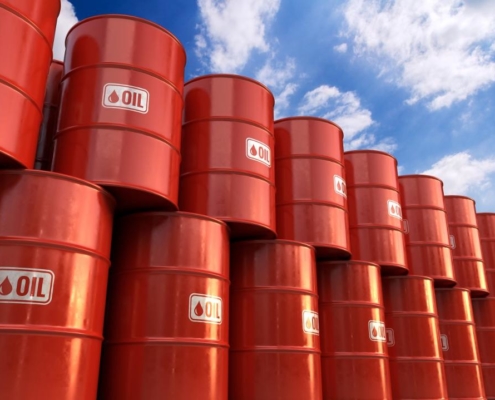 https://maritimeindia.org/wp-content/uploads/2020/06/2014.08.05-Future-Global-Oil-Supply-and-Demand-Effects-on-Middle-East-Oil-Demand.jpg
719
960
admin
https://maritimeindia.org/wp-content/uploads/2020/01/sm-logo.png
admin2020-06-26 12:18:232020-10-28 17:17:30THE ROLE OF OIL IN THE SECURITY ARCHITECTURE OF THE PERSIAN GULF AND THE IMPACT OF THE CURRENT DUAL OIL-SHOCK ON REGIONAL STABILITY
https://maritimeindia.org/wp-content/uploads/2020/06/2014.08.05-Future-Global-Oil-Supply-and-Demand-Effects-on-Middle-East-Oil-Demand.jpg
719
960
admin
https://maritimeindia.org/wp-content/uploads/2020/01/sm-logo.png
admin2020-06-26 12:18:232020-10-28 17:17:30THE ROLE OF OIL IN THE SECURITY ARCHITECTURE OF THE PERSIAN GULF AND THE IMPACT OF THE CURRENT DUAL OIL-SHOCK ON REGIONAL STABILITY 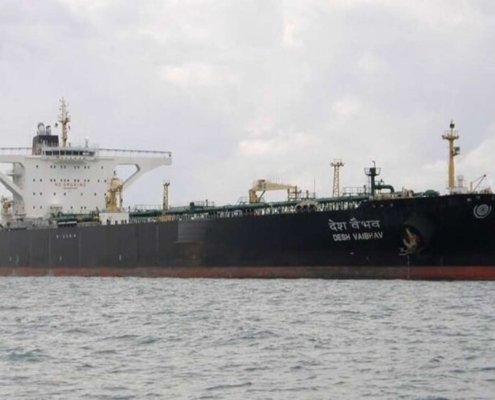 https://maritimeindia.org/wp-content/uploads/2020/06/rsz_sci_vlcc_desh_vaibhav_2.jpg
550
900
admin
https://maritimeindia.org/wp-content/uploads/2020/01/sm-logo.png
admin2020-06-25 11:24:332021-01-20 13:43:54INTERNATIONAL DAY OF THE SEAFARER
https://maritimeindia.org/wp-content/uploads/2020/06/rsz_sci_vlcc_desh_vaibhav_2.jpg
550
900
admin
https://maritimeindia.org/wp-content/uploads/2020/01/sm-logo.png
admin2020-06-25 11:24:332021-01-20 13:43:54INTERNATIONAL DAY OF THE SEAFARER INS Kesari reaches Seychelles, Credits- Indian Navy Website
https://maritimeindia.org/wp-content/uploads/2020/06/mission-sagar-3-seychelles-ins-kesari.jpg
400
700
admin
https://maritimeindia.org/wp-content/uploads/2020/01/sm-logo.png
admin2020-06-15 20:36:532020-10-29 01:32:07MISSION SAGAR: MAINTAINING A POSITIVE AND FAVOURABLE MARITIME ENVIRONMENT IN THE FACE OF THE COVID PANDEMIC
INS Kesari reaches Seychelles, Credits- Indian Navy Website
https://maritimeindia.org/wp-content/uploads/2020/06/mission-sagar-3-seychelles-ins-kesari.jpg
400
700
admin
https://maritimeindia.org/wp-content/uploads/2020/01/sm-logo.png
admin2020-06-15 20:36:532020-10-29 01:32:07MISSION SAGAR: MAINTAINING A POSITIVE AND FAVOURABLE MARITIME ENVIRONMENT IN THE FACE OF THE COVID PANDEMIC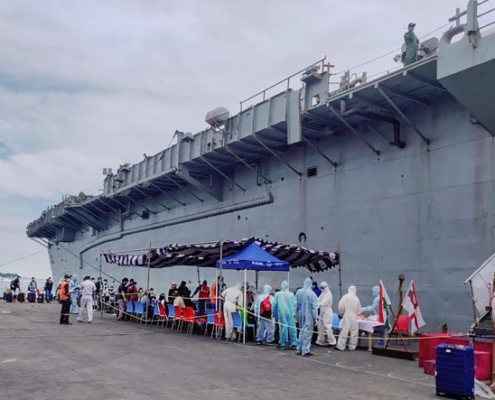 ©Press Trust Of India
https://maritimeindia.org/wp-content/uploads/2020/05/INS-Jalashwa-operation-samudra-setu-PTI.jpg
443
760
admin
https://maritimeindia.org/wp-content/uploads/2020/01/sm-logo.png
admin2020-05-16 11:35:462020-10-28 17:39:41MITIGATING COVID-19 : THE INDIAN NAVY IN THE VANGUARD — AS ALWAYS
©Press Trust Of India
https://maritimeindia.org/wp-content/uploads/2020/05/INS-Jalashwa-operation-samudra-setu-PTI.jpg
443
760
admin
https://maritimeindia.org/wp-content/uploads/2020/01/sm-logo.png
admin2020-05-16 11:35:462020-10-28 17:39:41MITIGATING COVID-19 : THE INDIAN NAVY IN THE VANGUARD — AS ALWAYS https://maritimeindia.org/wp-content/uploads/2020/05/42271822770_6d2a1d533f_b.jpg
819
1024
admin
https://maritimeindia.org/wp-content/uploads/2020/01/sm-logo.png
admin2020-05-03 08:20:322021-01-19 14:19:15ARTIFICIAL INTELLIGENCE AND MACHINE LEARNING FOR THE INDIAN NAVY
https://maritimeindia.org/wp-content/uploads/2020/05/42271822770_6d2a1d533f_b.jpg
819
1024
admin
https://maritimeindia.org/wp-content/uploads/2020/01/sm-logo.png
admin2020-05-03 08:20:322021-01-19 14:19:15ARTIFICIAL INTELLIGENCE AND MACHINE LEARNING FOR THE INDIAN NAVY https://maritimeindia.org/wp-content/uploads/2020/04/49424656917_1a71eaecd7_h.jpg
1067
1600
admin
https://maritimeindia.org/wp-content/uploads/2020/01/sm-logo.png
admin2020-04-27 04:58:042020-10-28 18:04:47INDIA’S FOOD SECURITY AND THE MARITIME-IMPACTS OF CLIMATE CHANGE — THE LOCUST-INTERMEDIARIES
https://maritimeindia.org/wp-content/uploads/2020/04/49424656917_1a71eaecd7_h.jpg
1067
1600
admin
https://maritimeindia.org/wp-content/uploads/2020/01/sm-logo.png
admin2020-04-27 04:58:042020-10-28 18:04:47INDIA’S FOOD SECURITY AND THE MARITIME-IMPACTS OF CLIMATE CHANGE — THE LOCUST-INTERMEDIARIES By Webmaster COI 2013 - Own work, CC BY-SA 3.0, https://commons.wikimedia.org/w/index.php?curid=25860275
https://maritimeindia.org/wp-content/uploads/2020/04/INDIAN-OCEAN-COMMISSION-LOGO-Somen-bannerjee.jpg
385
463
admin
https://maritimeindia.org/wp-content/uploads/2020/01/sm-logo.png
admin2020-04-22 11:58:202020-10-28 18:09:15GROWING SALIENCE OF THE INDIAN OCEAN COMMISSION:WHAT HAS CHANGED FOR INDIA AS AN OBSERVER
By Webmaster COI 2013 - Own work, CC BY-SA 3.0, https://commons.wikimedia.org/w/index.php?curid=25860275
https://maritimeindia.org/wp-content/uploads/2020/04/INDIAN-OCEAN-COMMISSION-LOGO-Somen-bannerjee.jpg
385
463
admin
https://maritimeindia.org/wp-content/uploads/2020/01/sm-logo.png
admin2020-04-22 11:58:202020-10-28 18:09:15GROWING SALIENCE OF THE INDIAN OCEAN COMMISSION:WHAT HAS CHANGED FOR INDIA AS AN OBSERVER https://maritimeindia.org/wp-content/uploads/2020/03/sciencesource_ss2413465_wide-239fa0a3976275f12212327667e1257771e49e36.jpg
787
1400
admin
https://maritimeindia.org/wp-content/uploads/2020/01/sm-logo.png
admin2020-03-30 09:00:272020-10-28 18:21:47IMPACT OF COVID-19 AND OTHER VIRAL OUTBREAKS ON BOARD SHIPS
https://maritimeindia.org/wp-content/uploads/2020/03/sciencesource_ss2413465_wide-239fa0a3976275f12212327667e1257771e49e36.jpg
787
1400
admin
https://maritimeindia.org/wp-content/uploads/2020/01/sm-logo.png
admin2020-03-30 09:00:272020-10-28 18:21:47IMPACT OF COVID-19 AND OTHER VIRAL OUTBREAKS ON BOARD SHIPS https://maritimeindia.org/wp-content/uploads/2019/12/img2.jpg
600
1200
admin
https://maritimeindia.org/wp-content/uploads/2020/01/sm-logo.png
admin2020-02-14 11:45:552021-04-07 10:28:14PHYSICAL PROTECTION OF INDIA’S CRITICAL MARITIME INFRASTRUCTURE: PART 3: MARITIME TRANSPORT: SHIPPING
https://maritimeindia.org/wp-content/uploads/2019/12/img2.jpg
600
1200
admin
https://maritimeindia.org/wp-content/uploads/2020/01/sm-logo.png
admin2020-02-14 11:45:552021-04-07 10:28:14PHYSICAL PROTECTION OF INDIA’S CRITICAL MARITIME INFRASTRUCTURE: PART 3: MARITIME TRANSPORT: SHIPPING https://maritimeindia.org/wp-content/uploads/2020/02/india-globe-scaled.jpg
1324
2560
admin
https://maritimeindia.org/wp-content/uploads/2020/01/sm-logo.png
admin2020-02-03 12:09:222020-11-02 16:08:25INDIA'S PROPOSED MARITIME STRATEGY
https://maritimeindia.org/wp-content/uploads/2020/02/india-globe-scaled.jpg
1324
2560
admin
https://maritimeindia.org/wp-content/uploads/2020/01/sm-logo.png
admin2020-02-03 12:09:222020-11-02 16:08:25INDIA'S PROPOSED MARITIME STRATEGY https://maritimeindia.org/wp-content/uploads/2019/12/rsz_critical_infra.jpg
550
900
admin
https://maritimeindia.org/wp-content/uploads/2020/01/sm-logo.png
admin2019-12-06 06:57:002021-04-07 10:27:29PHYSICAL PROTECTION OF INDIA’S CRITICAL MARITIME INFRASTRUCTURE: Part 2: MARITIME ENERGY SECTOR
https://maritimeindia.org/wp-content/uploads/2019/12/rsz_critical_infra.jpg
550
900
admin
https://maritimeindia.org/wp-content/uploads/2020/01/sm-logo.png
admin2019-12-06 06:57:002021-04-07 10:27:29PHYSICAL PROTECTION OF INDIA’S CRITICAL MARITIME INFRASTRUCTURE: Part 2: MARITIME ENERGY SECTOR