
 https://maritimeindia.org/wp-content/uploads/2026/03/Screenshot_20260310_151449_Photos.jpg
599
1080
admin
https://maritimeindia.org/wp-content/uploads/2020/01/sm-logo.png
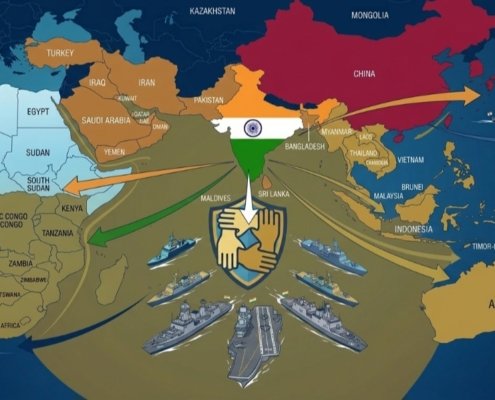
admin2026-03-10 14:43:332026-03-10 15:19:16INDIA’S OCEAN STRATEGY: NO ‘MONROE DOCTRINE’ — ONLY COOPERATIVE SECURITY
https://maritimeindia.org/wp-content/uploads/2026/03/Screenshot_20260310_151449_Photos.jpg
599
1080
admin
https://maritimeindia.org/wp-content/uploads/2020/01/sm-logo.png
admin2026-03-10 14:43:332026-03-10 15:19:16INDIA’S OCEAN STRATEGY: NO ‘MONROE DOCTRINE’ — ONLY COOPERATIVE SECURITY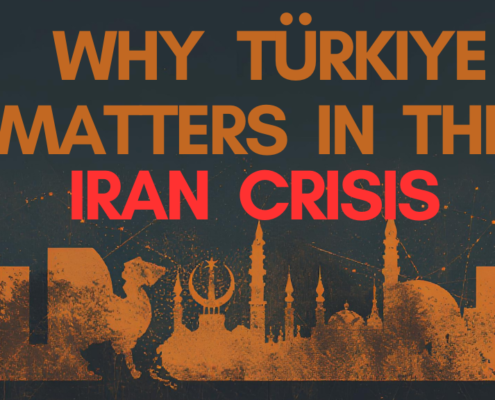 https://maritimeindia.org/wp-content/uploads/2026/03/iran.png
576
1025
admin
https://maritimeindia.org/wp-content/uploads/2020/01/sm-logo.png
admin2026-03-09 11:33:322026-03-20 15:59:27WHY TÜRKIYE MATTERS IN THE ONGOING IRAN CRISIS — AN INDIAN PERSPECTIVE
https://maritimeindia.org/wp-content/uploads/2026/03/iran.png
576
1025
admin
https://maritimeindia.org/wp-content/uploads/2020/01/sm-logo.png
admin2026-03-09 11:33:322026-03-20 15:59:27WHY TÜRKIYE MATTERS IN THE ONGOING IRAN CRISIS — AN INDIAN PERSPECTIVE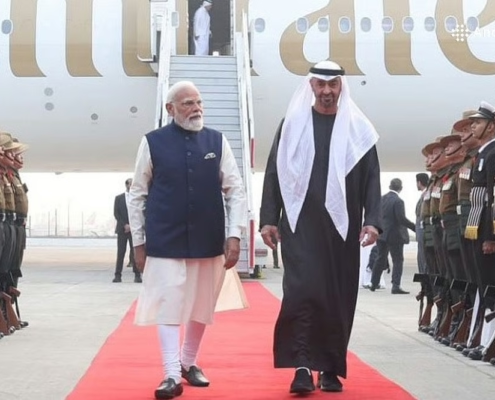 https://maritimeindia.org/wp-content/uploads/2026/02/pic.avif
666
1200
admin
https://maritimeindia.org/wp-content/uploads/2020/01/sm-logo.png
admin2026-02-15 10:52:382026-02-15 10:54:56FRAGMENTATION AND NETWORKED SECURITY IN WEST ASIA — INDIA, THE UAE, AND EMERGING DEFENCE ALIGNMENTS
https://maritimeindia.org/wp-content/uploads/2026/02/pic.avif
666
1200
admin
https://maritimeindia.org/wp-content/uploads/2020/01/sm-logo.png
admin2026-02-15 10:52:382026-02-15 10:54:56FRAGMENTATION AND NETWORKED SECURITY IN WEST ASIA — INDIA, THE UAE, AND EMERGING DEFENCE ALIGNMENTS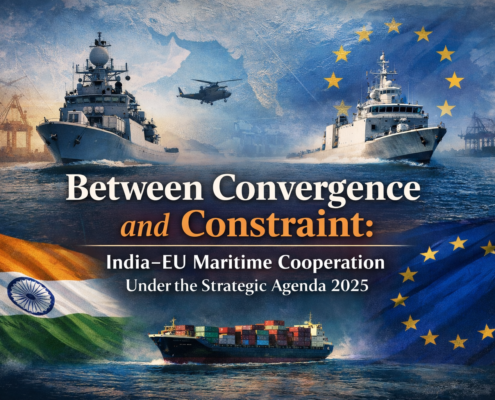 https://maritimeindia.org/wp-content/uploads/2026/02/Jan-2026-Deliverable-Image.png
1024
1536
admin
https://maritimeindia.org/wp-content/uploads/2020/01/sm-logo.png
admin2026-01-31 10:06:502026-02-02 10:14:54BETWEEN CONVERGENCE AND CONSTRAINT — INDIA–EU MARITIME COOPERATION UNDER THE STRATEGIC AGENDA 2025
https://maritimeindia.org/wp-content/uploads/2026/02/Jan-2026-Deliverable-Image.png
1024
1536
admin
https://maritimeindia.org/wp-content/uploads/2020/01/sm-logo.png
admin2026-01-31 10:06:502026-02-02 10:14:54BETWEEN CONVERGENCE AND CONSTRAINT — INDIA–EU MARITIME COOPERATION UNDER THE STRATEGIC AGENDA 2025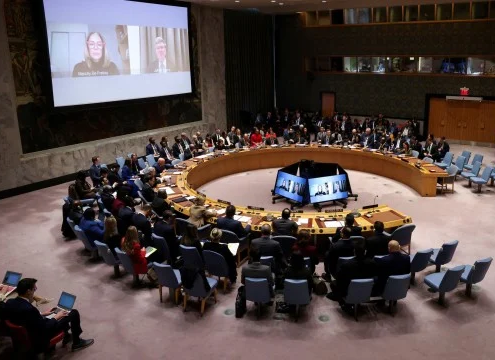 https://maritimeindia.org/wp-content/uploads/2026/01/image.webp
360
540
admin
https://maritimeindia.org/wp-content/uploads/2020/01/sm-logo.png
admin2026-01-27 09:17:152026-01-27 09:17:15FROM HOST TO RULE-SHAPER? CHINA AND THE POLITICS OF HOSTING THE BBNJ SECRETARIAT
https://maritimeindia.org/wp-content/uploads/2026/01/image.webp
360
540
admin
https://maritimeindia.org/wp-content/uploads/2020/01/sm-logo.png
admin2026-01-27 09:17:152026-01-27 09:17:15FROM HOST TO RULE-SHAPER? CHINA AND THE POLITICS OF HOSTING THE BBNJ SECRETARIAT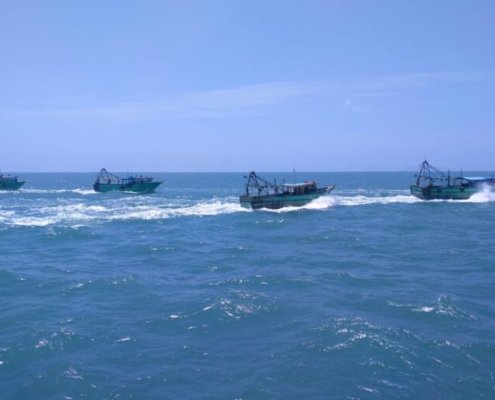 https://maritimeindia.org/wp-content/uploads/2026/01/John-V-Nov-25-del-image.jpg
512
768
admin
https://maritimeindia.org/wp-content/uploads/2020/01/sm-logo.png
admin2026-01-24 09:04:082026-01-25 09:04:20LEGAL AND INSTITUTIONAL CHALLENGES FOR ENSURING SUSTAINABLE MARINE FISHERIES IN INDIA
https://maritimeindia.org/wp-content/uploads/2026/01/John-V-Nov-25-del-image.jpg
512
768
admin
https://maritimeindia.org/wp-content/uploads/2020/01/sm-logo.png
admin2026-01-24 09:04:082026-01-25 09:04:20LEGAL AND INSTITUTIONAL CHALLENGES FOR ENSURING SUSTAINABLE MARINE FISHERIES IN INDIA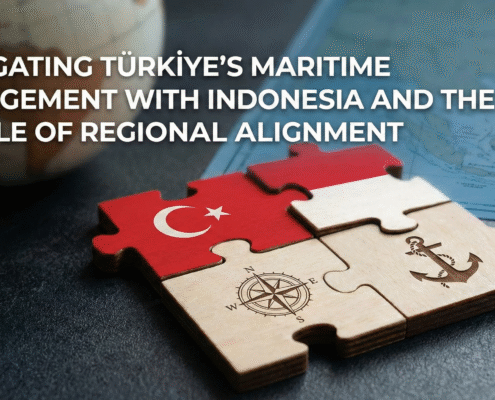 https://maritimeindia.org/wp-content/uploads/2026/01/THAKUR-Aditi-July-25-del-image-scaled.png
1396
2560
admin
https://maritimeindia.org/wp-content/uploads/2020/01/sm-logo.png
admin2026-01-22 14:47:182026-01-22 15:07:45NAVIGATING TÜRKIYE’S MARITIME ENGAGEMENT WITH INDONESIA AND THE PUZZLE OF REGIONAL ALIGNMENT
https://maritimeindia.org/wp-content/uploads/2026/01/THAKUR-Aditi-July-25-del-image-scaled.png
1396
2560
admin
https://maritimeindia.org/wp-content/uploads/2020/01/sm-logo.png
admin2026-01-22 14:47:182026-01-22 15:07:45NAVIGATING TÜRKIYE’S MARITIME ENGAGEMENT WITH INDONESIA AND THE PUZZLE OF REGIONAL ALIGNMENT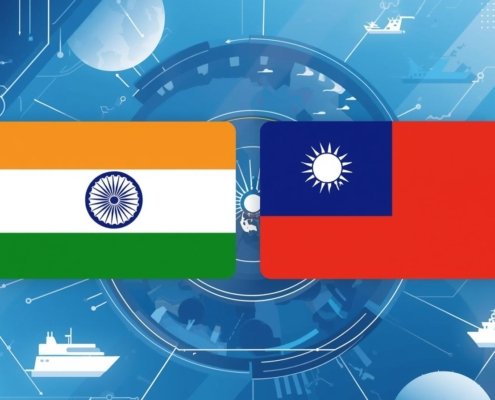 https://maritimeindia.org/wp-content/uploads/2026/01/Blue-Economy-as-Foreign-Policy-Instrument_-Strategic-Convergences-and-India–Taiwan-Cooperation-in-the-Indo-Pacific_.-something-attarctive-with-flags.jpg
896
1600
admin
https://maritimeindia.org/wp-content/uploads/2020/01/sm-logo.png
admin2026-01-11 09:23:052026-01-16 11:53:52BLUE ECONOMY AS FOREIGN POLICY INSTRUMENT: STRATEGIC CONVERGENCES AND INDIA–TAIWAN COOPERATION IN THE INDO-PACIFIC
https://maritimeindia.org/wp-content/uploads/2026/01/Blue-Economy-as-Foreign-Policy-Instrument_-Strategic-Convergences-and-India–Taiwan-Cooperation-in-the-Indo-Pacific_.-something-attarctive-with-flags.jpg
896
1600
admin
https://maritimeindia.org/wp-content/uploads/2020/01/sm-logo.png
admin2026-01-11 09:23:052026-01-16 11:53:52BLUE ECONOMY AS FOREIGN POLICY INSTRUMENT: STRATEGIC CONVERGENCES AND INDIA–TAIWAN COOPERATION IN THE INDO-PACIFIC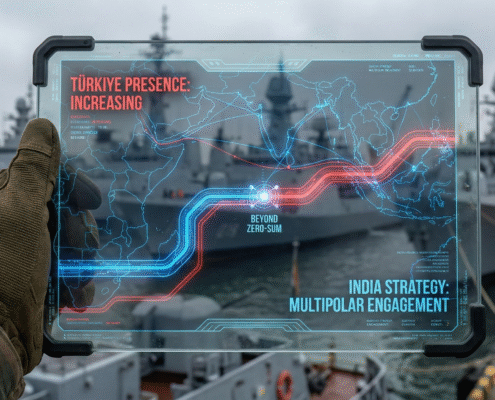 https://maritimeindia.org/wp-content/uploads/2025/12/THAUR-Aditi-Nov-25-del-image-scaled.png
1396
2560
admin
https://maritimeindia.org/wp-content/uploads/2020/01/sm-logo.png
admin2025-12-31 08:48:432025-12-31 08:48:43BEYOND ZERO-SUM THINKING: INDIA’S STRATEGIC APPROACH TO TÜRKIYE’S GROWING PRESENCE IN THE INDIAN OCEAN
https://maritimeindia.org/wp-content/uploads/2025/12/THAUR-Aditi-Nov-25-del-image-scaled.png
1396
2560
admin
https://maritimeindia.org/wp-content/uploads/2020/01/sm-logo.png
admin2025-12-31 08:48:432025-12-31 08:48:43BEYOND ZERO-SUM THINKING: INDIA’S STRATEGIC APPROACH TO TÜRKIYE’S GROWING PRESENCE IN THE INDIAN OCEAN https://maritimeindia.org/wp-content/uploads/2025/12/Blue-Economy-as-the-Entire-Economy.png
489
952
admin
https://maritimeindia.org/wp-content/uploads/2020/01/sm-logo.png
admin2025-12-30 21:32:572025-12-30 21:32:57OUR OCEANIC FOUNDATION: WHY THE BLUE ECONOMY IS THE ENTIRE ECONOMY
https://maritimeindia.org/wp-content/uploads/2025/12/Blue-Economy-as-the-Entire-Economy.png
489
952
admin
https://maritimeindia.org/wp-content/uploads/2020/01/sm-logo.png
admin2025-12-30 21:32:572025-12-30 21:32:57OUR OCEANIC FOUNDATION: WHY THE BLUE ECONOMY IS THE ENTIRE ECONOMY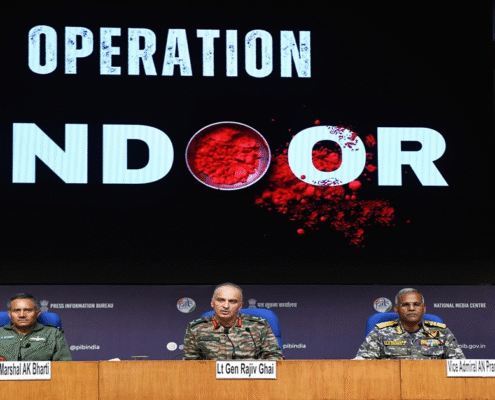 https://maritimeindia.org/wp-content/uploads/2025/12/Image-accompanying-Strat-Comm-article-by-Anuttama-Banerji.png
629
1269
admin
https://maritimeindia.org/wp-content/uploads/2020/01/sm-logo.png
admin2025-12-30 12:53:552025-12-30 12:54:19STRATEGIC COMMUNICATION
https://maritimeindia.org/wp-content/uploads/2025/12/Image-accompanying-Strat-Comm-article-by-Anuttama-Banerji.png
629
1269
admin
https://maritimeindia.org/wp-content/uploads/2020/01/sm-logo.png
admin2025-12-30 12:53:552025-12-30 12:54:19STRATEGIC COMMUNICATION https://maritimeindia.org/wp-content/uploads/2025/12/Image.png
1024
1536
admin
https://maritimeindia.org/wp-content/uploads/2020/01/sm-logo.png
admin2025-12-22 13:05:022025-12-22 13:10:43REALIGNING INDIA’S NATIONAL MARITIME DAY TO KARTIK PURNIMA AND THE BALI JATRA- A POLICY PROPOSAL
https://maritimeindia.org/wp-content/uploads/2025/12/Image.png
1024
1536
admin
https://maritimeindia.org/wp-content/uploads/2020/01/sm-logo.png
admin2025-12-22 13:05:022025-12-22 13:10:43REALIGNING INDIA’S NATIONAL MARITIME DAY TO KARTIK PURNIMA AND THE BALI JATRA- A POLICY PROPOSAL