
Keywords: IORA–BIMSTEC MOU; MAHASAGAR; INDO-PACIFIC OCEANS INITIATIVE; INDIAN OCEAN REGIONALISM; BAY OF BENGAL COOPERATION; MARITIME SECURITY; BLUE ECONOMY; CLIMATE RESILIENCE; MARINE SPATIAL PLANNING; TRADE FACILITATION
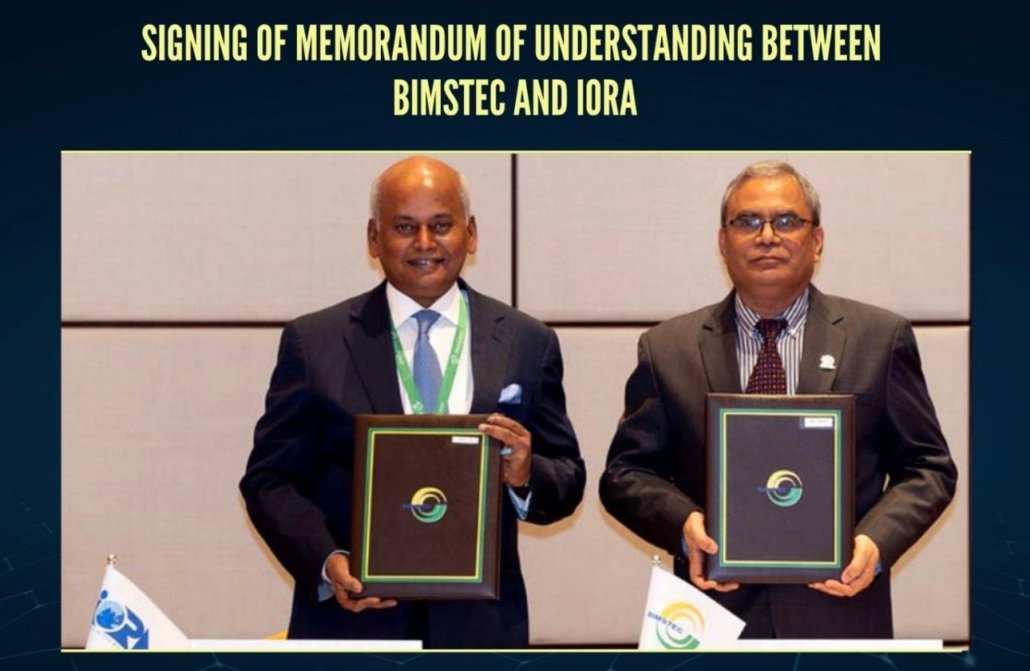
On 03 April 2025, at the Sixth BIMSTEC Summit held in Bangkok, the Secretary-General of the Indian Ocean Rim Association (IORA), Mr Sanjiv Ranjan, and the Secretary-General of the Bay of Bengal Initiative for Multi-Sectoral Technical and Economic Cooperation (BIMSTEC), Mr Indra Mani Pandey, signed a landmark Memorandum of Understanding (MoU)[1] that formally linked two of the Indian Ocean Region’s most prominent regional organisations and established a cooperative framework spanning trade and investment, maritime security, science and technology, environment and climate change, and people-to-people engagement. Notably, it placed particular emphasis on emerging sectors such as the blue economy, ocean governance, and fisheries management, all of which are critical for ensuring sustainable development across the interconnected maritime spaces of the Bay of Bengal and the wider Indian Ocean.
Arriving at a strategically important time, this MoU coincides with India’s ongoing leadership role as a founding member of BIMSTEC and its assumption of the IORA Chair for the period 2025–2027. It also fits into the current recalibration of India’s maritime policy thereby driving a number of the several maritime strategies of Indian that emanate from this policy. Indeed, in March of 2025, during an official visit to Mauritius, Prime Minister Narendra Modi introduced an evolved avatar of India’s maritime policy, now encapsulated in the acronym MAHASAGAR (Mutual and Holistic Advancement for Security and Growth Across Regions) — which has replaced the earlier maritime policy-acronym SAGAR (Security and Growth for All in the Region).[2] MAHASAGAR retains the regional emphasis of SAGAR but extends its strategic focus to encompass not only subsume India’s expansive conceptualisation of the Indo-Pacific but also the wider Global South, reinforcing India’s commitment to equitable maritime cooperation, inclusive growth, and capacity building across regions. The Government of India has subsequently framed MAHASAGAR as a guiding doctrine[3] for its ocean endeavours. Importantly, the Indo-Pacific Oceans Initiative (IPOI) — a non-treaty-based, voluntary initiative aimed at promoting cooperation for a free, open, and rules-based Indo-Pacific region — continues to provide the first-order specificity to this maritime policy/doctrine.
With the signing of the IORA–BIMSTEC MOU, two of the major institutional frameworks operative within the Indian Ocean — perhaps better thought-of as the western segment of the Indo-Pacific, with the Pacific Ocean forming the eastern segment) — are sought to be harmonised under the policy rubric of MAHASAGAR. As may be seen from Figure 1, there are, of course, other important multilateral institutional frameworks extant within
Council, the Southern Africa Development Community [SADC], amongst others). However, as may be seen in Figure 2, given the comparative inclusiveness of IORA (twenty-three members, twelve dialogue partners, two specialised agencies and two observers) — which was established in 1997 as the “Indian Ocean Rim Association for Regional Cooperation” before being renamed in 2014 as the “Indian Ocean Rim Association” — the IORA-BIMSTEC partnership offers an exciting template that could be used for similar sub-regional harmonisation.
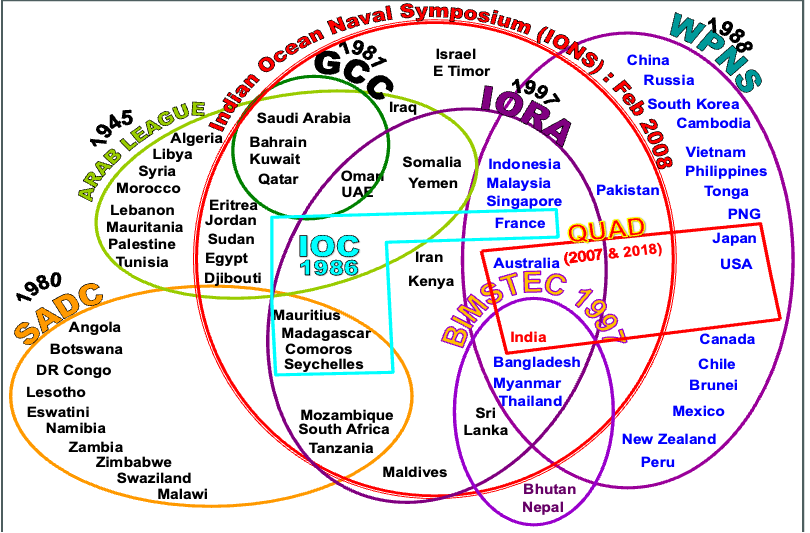
Fig 1: Multilateral Constructs in the Western Segment of the Indo-Pacific (the Indian Ocean)
Source: Vice Admiral Chauhan, “India’s Maritime Geopolitics”, NMF Internship Teaching-Capsule, PowerPoint Slides, 18 February 2025
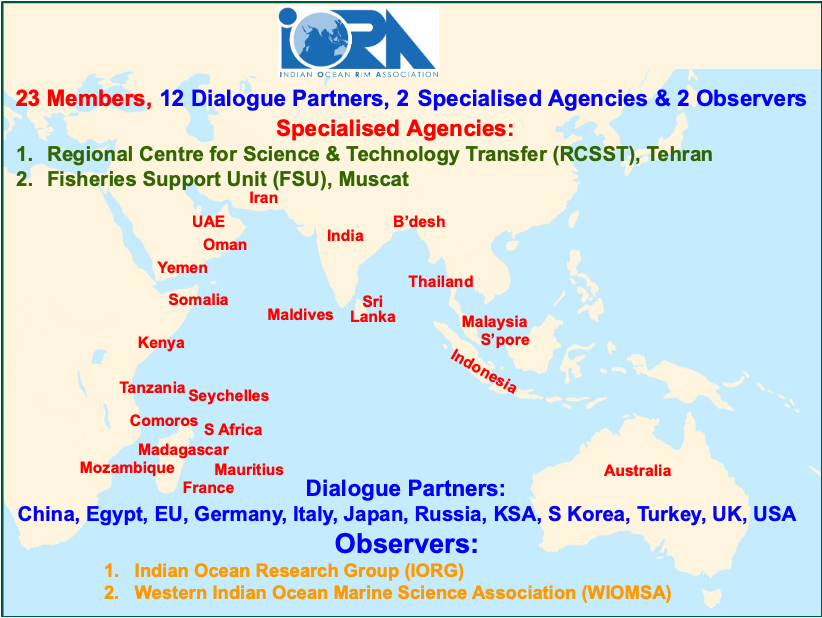
Fig 2: The Indian Ocean Rim Association (IORA)
Source: Vice Admiral Chauhan, “India’s Maritime Geopolitics”, NMF Internship Teaching-Capsule, PowerPoint Slides, 18 February 2025
As may be seen in Figure 3, the agenda of IORA —which was founded in 1997 as the Indian Ocean Rim Association for Regional Cooperation (IOR-ARC) but was renamed IORA in 2014 — covers maritime safety and security, trade and investment facilitation, fisheries management, disaster risk management, science and technology cooperation, tourism, women’s economic empowerment, and the blue economy,[4] and addresses a broad swath of maritime issues from security to sustainable development.
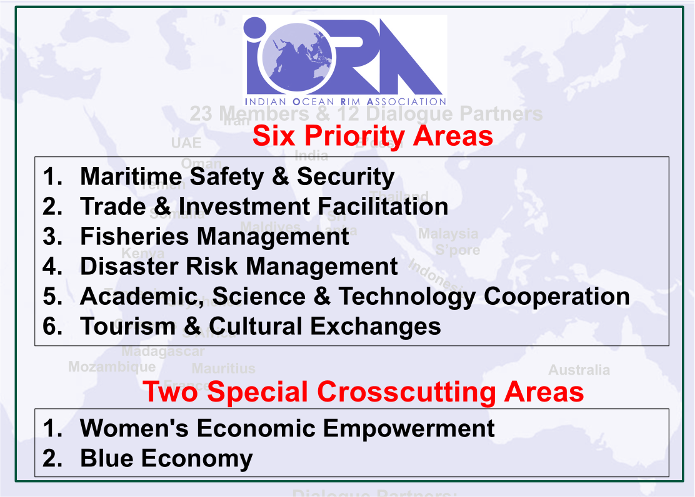
Fig 3: Priority Areas of IORA
Source: Vice Admiral Chauhan, “India’s Maritime Geopolitics”, NMF Internship Teaching-Capsule, PowerPoint Slides, 18 February 2025
Turning to BIMSTEC, it has seven members (Bangladesh, Bhutan, India, Myanmar, Nepal, Sri Lanka, Thailand). As an institutional construct, Figure 1 above shows that although four of its seven member-states (India, Bangladesh, Sri Lanka, Thailand) are present in IORA as well, BIMSTEC is not quite a subset of IORA in that it incorporates Bhutan and Nepal within its ambit, while IORA does not. The five core sectors of BIMSTEC are connectivity; environment and climate change; people-to-people contact; science, technology and innovation; security; and trade, investment, and development, plus eight sub-sectors such as the blue economy, energy, disaster management, and fisheries[5]. It should be noted that while there are significant thematic overlaps with IORA, BIMSTEC focuses principally, if not exclusively, upon the Bay of Bengal. BIMSTEC is, therefore, often viewed as a “minilateral” construct.
This semantic distinction between a multilateral construct and a minilateral one notwithstanding, what is of very much greater significance is that the MoU under review institutionalises cooperation between two complementary multinational frameworks. Through this convergence, both IORA and BIMSTEC are positioned to capitalise upon each other’s comparative advantages. For instance, BIMSTEC’s established connectivity and corridor-development mechanisms can feed into IORA’s wider trade and economic facilitation initiatives.[6] Concurrently, IORA’s specialised working groups — such as the “Blue Economy Working Group” — can transfer domain-specific knowledge and best practices to BIMSTEC member countries, particularly in areas such as ocean governance and sustainable resource management.
The MOU has been widely welcomed, with BIMSTEC leaders describing it as a “milestone in deepening inter-regional cooperation”[7] and highlighting its potential to enable collaborative projects, enhance institutional capacities, and promote structured knowledge exchange.[8] Operationally, this agreement permits the rationalisation of parallel efforts — for example, unifying fisheries management and disaster resilience programmes, which might otherwise be duplicated — thereby optimising resources, avoiding redundancies, and enlarging the potential scope for donor engagement and multilateral financing. More broadly, the MoU aligns with India’s Indo-Pacific approach, which combines ASEAN centrality with Indian Ocean regionalism.[9] It provides a mechanism to actualise India’s maritime policy of MAHASAGAR (poorly described by an MEA source as a “vision”)[10] as well as the Indo-Pacific Oceans Initiative (IPOI), both of which seek to integrate regional institutions into a cohesive and mutually reinforcing architecture.
While the IPOI is not a regional framework in and of itself but rather, a collation of thematic maritime lines-of thrust, it nevertheless invokes synergy with existing regional frameworks such as IORA and BIMSTEC and, as has already been stated, provides first-order specificity to India’s maritime policy of MAHASAGAR.
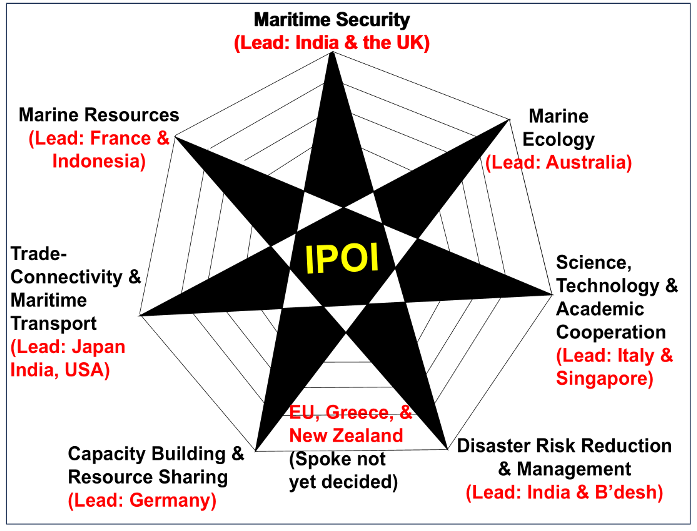
Fig 4: Maritime Lines-of-Thrust of the IPOI
Source: Vice Admiral Chauhan, “India’s Maritime Geopolitics”, NMF Internship Teaching-Capsule, PowerPoint Slides, 18 February 2025
India’s Strategic Role
India’s leadership is pivotal at this juncture. As it prepares to assume the chair of IORA this year, India is uniquely positioned to advance the agenda of intra-regional cooperation outlined in the IORA–BIMSTEC MoU. Importantly, India has long regarded BIMSTEC as the institutional cornerstone of its “Act East” policy and a vital complement to its “Neighbourhood First” approach in the Bay of Bengal.[11] As the IORA Chair, New Delhi can — and, indeed, must — play a decisive role in translating the MoU’s ambitions into action, steering projects through working groups, aligning sectoral priorities, and building consensus across member States. With Bangladesh, too, assuming the chair of BIMSTEC this year,[12] India’s informal influence across both platforms creates a rare window of opportunity to institutionalise India–Indian Ocean cooperation and deliver strategic outcomes.
Indo-Pacific Framework
To effectively operationalise the IORA–BIMSTEC Memorandum of Understanding (MoU), it is imperative to reference their joint, collaborative efforts to one or more of the maritime lines-of-thrust of the Indo-Pacific Oceans Initiative (IPOI). Such alignment would not only enhance regional cooperation but also attract global partners and funding, thereby preventing policy silos.
For instance, the “IORA Blue Carbon Hub”, established in Perth and led by Australia, focuses on the protection and restoration of blue carbon ecosystems such as mangroves, tidal marshes, and seagrasses.[13] These ecosystems play a crucial role in climate mitigation and adaptation, supporting livelihoods and reducing disaster risks. This initiative aligns with the IPOI’s marine ecology spoke, which represents a specific maritime line-of-thrust. Similarly, BIMSTEC’s emphasis on environmental and disaster management complements the IPOI’s disaster risk reduction and management spoke.
It is noteworthy that the European Union (EU) became the 12th Dialogue Partner of the Indian Ocean Rim Association (IORA) in October 2023, and subsequently, in February 2025, volunteered to lead one or more of the seven maritime lines of thrust represented by the seven spokes of the deeply interconnected web that constitutes the IPOI (even though the specific line[s] of thrust that the EU would like to advance has not yet been promulgated). This dual engagement of the EU with IORA and the IPOI, exemplifies how major global actors can integrate into regional architectures, effectively serving as conduits for a variety of cooperative and/or collaborative endeavours. The European Union’s (EU) participation in both IORA and IPOI serves as a precedent for such integrative approaches.[14] The EU’s involvement has amplified initiatives like sustainable fisheries management, combating maritime crime, and marine conservation. This model demonstrates how major global actors can integrate into regional architectures, effectively serving as conduits linking various cooperative frameworks.
To replicate this success, IORA and BIMSTEC need to be well integrated into all seven of the IPOI’s maritime lines-of-thrust. Joint initiatives under the IORA–BIMSTEC MoU should be explicitly declared as contributing to specific IPOI spokes/pillars/lines-of-thrust. Such alignment would not only attract global partners and donors but also ensure that new inter-regional projects are recognised as core components of India’s Indo-Pacific outreach, fulfilling the objectives of MAHASAGAR and IPOI.
Thematic Analysis
Maritime Security and Safety
Security of sea lines and coastal states is a shared priority. Both IORA and BIMSTEC mandate security and counter-piracy cooperation. The MoU’s inclusion of “maritime security and connectivity”[15] opens the door to coordinated patrols, information-sharing, and best practices to counter non-traditional threats. For example, Bangladesh and Myanmar have overlapping maritime boundary issues and counter-smuggling challenges;[16] Sri Lanka and India face piracy threats in the southern Indian Ocean.[17] Joint forums can synchronise rules-of-engagement (e.g. combined naval and coast guard exercises) and deepen maritime domain awareness. BIMSTEC has already established an “Expert Group on Maritime Security”,[18] linking it with the “Information Fusion Centre-IOR” (based in Gurugram, India). This could create a broader intelligence network for alerts and MDA. Likewise, harmonising maritime law enforcement databases and legal frameworks (e.g. on ship registries or fisheries violations) would help tackle cross-border IUU (illegal, unreported, unregulated) fishing and trafficking.
A unified security approach would deter crime and stabilise the region. Operationally, coordinated patrols and shared domain-awareness systems (radars, AIS) would enhance early warning of incidents (e.g. stowaways or intrusions) and speed joint response. Fragmentation and uncoordinated actions at sea, by contrast, risk creating gaps that transnational criminals could exploit. Economic losses from piracy and smuggling (which the World Bank has estimated at billions annually in the IOR) would persist unchecked.[19] Moreover, rival powers could offer security deals to smaller littorals (as China has begun to do), which might undercut regional trust.[20]
Blue Economy, Climate and Environmental Resilience
Climate change and marine resources appear to lie at the heart of the agendas of both IORA and BIMSTEC.[21] Natural mechanisms for carbon sequestration (such as mangroves and seagrasses) are prime examples, given the threats that they face from unsustainable human development. The Australia-led “IORA Blue Carbon Hub” has been engaging think-tanks to explore the use of carbon markets to finance mangrove restoration.[22] A joint endeavour between IORA and BIMSTEC member States to develop a ‘Bay-to-Rim’ Blue Carbon Market could pool projects in Bangladesh, India, Sri Lanka, Seychelles, etc. As things stand, several of these projects are being duplicated by the two institutional mechanisms. Such a joint endeavour would also help in standardising measurements and the issuance of shared carbon credits —examples that could then be proliferated to other institutional constructs such as the IOC and SADC. Likewise, a unified credit registry could reduce transaction costs and make credit fungible across the region. Both IORA and BIMSTEC could agree — as early as 2026 — on common MRV (Measurement, Reporting and Verification) methodologies and launch pilot projects. Given that nations pursue blue carbon agreements only bilaterally at present, such a mechanism would prevent fragmentation and be more effective in attracting global funds such as the UN’s “Blue Carbon Fund”.[23]
The fact that fisheries are critical requires no elaboration. Taken in aggregate, BIMSTEC member States account for a large share of the overall Indian Ocean catch.[24] A “Bay-to-Rim Fisheries Code” could establish a regional code of conduct that seeks to counter IUU fishing by requiring certified tracking (catch documentation) and sustainable quotas, akin to the UNFAO Port State Measures[25] or the EU IUU Regulation.[26] A joint “Seafood Traceability Certification” (an “eco-label”) would allow products from the Bay-Indian Ocean region to command premium prices in global markets (similar to the manner in which the “Marine Stewardship Council” label works).[27] For example, by 2027 BIMSTEC’s fisheries groups could coordinate with IORA’s Fishers Forum and jointly issue the first “Bay-to-Rim Sustainably Sourced” label. Scientific exchanges (e.g., fish-stock assessments) and shared surveillance (e.g., combined maritime patrols) could then act as effective supplementary and complementary mechanisms.
A unified blue carbon and fisheries framework would multiply conservation gains — enhancing carbon sequestration and ecosystem services through rehabilitated mangroves, while curbing IUU and overfishing to restore fish stocks and coastal livelihoods. The integration of “green financing” mechanisms such as carbon credits and sustainable seafood certification, offers a direct revenue stream for local communities engaged in ecological stewardship. Conversely, doing nothing risks continued degradation leading to the destruction of mangroves as a consequence of a lack of carbon finance, fish stocks collapsing, and lost opportunities to capture climate funding (which is already being fiercely competed-for). Failure to align standards could also invite market barriers. For instance, EU bans on unsustainable fish imports could significantly fetter exports.
Energy conversion from Ocean Renewable Energy Sources (ORER) such as offshore wind energy, ocean-mechanical energy conversion and ocean-thermal energy conversion, constitutes another frontier that could be meaningfully pushed by this MOU. Given that ocean renewable energy is a key component of a “blue” model of economic development, BIMSTEC’s energy sub-sector and IORA’s blue economy group could easily collaborate on the development of feasibility studies for Bay of Bengal offshore wind or tidal projects, possibly via an Indo-Pacific energy research consortium.
Marine Spatial Planning and Data-Sharing
The Bay of Bengal and its superset, namely, the Indian Ocean, face a common challenge by way of competition for marine spaces. This competition incorporates, inter alia, shipping lanes, fisheries grounds, conservation areas, and tourism zones. It hardly needs to be emphasised that ad hoc efforts at deconfliction or spatial management breed only inefficiencies and follow-on conflicts.[28] A joint “Marine Spatial Planning (MSP) Taskforce” would harmonise ocean zoning across the maritime area of interest of IORA, while enabling BIMSTEC to focus such harmonisation upon the Bay of Bengal, which is, it is emphasised, included, in its entirety, within the IORA maritime space. Yet, by mapping overlaps (for instance, transboundary fish migration routes, coral reef areas, shipping corridors), the taskforce can recommend allocations — designating, for example, a marine protected area that transcends national boundaries, or aligning shipping lanes to avoid prime fishing grounds. It is further recommended that this plan be underpinned by a “Regional Ocean Data Observatory” which is envisaged as a shared data-platform where States upload bathymetry, fisheries surveys, ocean currents, weather models, etc. Data-sharing agreements and standardised formats (similar to UNESCO’s IOC programs)[29] would ensure that all members, large and small, benefit. Moreover, harmonising marine‐space zoning and enabling cross-border data sharing will eliminate jurisdictional gaps —especially given that the overwhelming bulk of the maritime space lies outside national jurisdiction. Likewise, a unified system for exchanging meteorological and oceanographic information would allow BIMSTEC States to tap directly into IORA’s Indian Ocean Tsunami Warning System in real time, while IORA States could similarly draw upon BIMSTEC’s more granular, local weather and sea-state forecasts relevant to the Bay of Bengal. This would strengthen regional resilience and ensure that vulnerable coastlines receive timely warnings and protection.
Efficient MSP would maximise sustainable ocean use and minimise conflict. Moreover, shared data (from satellites to buoys) lowers costs and avoids duplication of expensive hydrographic surveys. On the other hand, if this is neglected, coastal States might end-up initiating unilateral projects (ports, dredging, fishing zones) that damage neighbours (an example would be sediment runoff harming another country’s reefs) and miss synergistic opportunities. Poor coordination can cause clashes of interest (mercantile shipping vs fishing, for instance) and false starts (when two agencies study the same thing in isolation).
Connectivity, Ports and Trade-Facilitation
Economic connectivity (ports, shipping, corridors, etc.) is another common interest. The focus upon trade and investment facilitation[30] and on “transport connectivity” (a BIMSTEC pillar) within the ambit of the MOU under review highlights this. Rather than build new infrastructure in isolation, the two institutional frameworks would do better to integrate their respective digital and physical transport networks. One actionable idea is a “Smart-Port Collaborative Network”. By interlinking major ports (for example, Colombo, Chennai, Chittagong, Krabi, Port-Louis, Maputo, etc.) through a common digital system, customs and logistics information could be shared in real-time. The adoption of AI and IoT (automated cranes, blockchain cargo tracking, predictive maintenance, etc.) across IORA–BIMSTEC ports would standardise efficiency gains. A joint “Digital Trade Facilitation Platform” could likewise be developed (perhaps under India’s leadership, drawing on its “Port Community System” experience) to allow merchants in, say, Bangladesh to book cargo space on, say, a Sri Lankan ship, seamlessly, with a one-stop customs clearance.
Beyond hard infrastructure, the two organisations can coordinate corridor planning. Examples might include linking BIMSTEC’s planned trans-Asian highways or port links (such as the planned Myanmar–Bangladesh coastal highway) into IORA’s ocean shipping networks. As a concrete step, a feasibility study could be commissioned with a completion-target of 2026, for a multimodal “Bay-to-Rim Corridor”, combining shipping lanes with coastal rail/road links (backed by IORA’s “Transport Taskforce”[31] and BIMSTEC’s “Connectivity Working Group”).
Trade facilitation reduces shipping time and cost, thereby boosting exports. Shared digital standards would translate into fewer delays at borders and be beneficial for landlocked (perhaps better described as “land-linked”) BIMSTEC members — Nepal and Bhutan — to access seaports, and for islandic IORA States to access markets. A common platform attracts investment as it enhances the ease of doing business. Failure to act would mean continued fragmentation, with each country’s port systems using different technologies, leading to avoidable delays, and fostering corruption. Emerging technologies (AI, IoT) would slip into disjointed adoption, missing network effects.
Science, Technology, Education and People-to-People Ties
The MoU also underscores the importance of cooperation in terms of science and technology, coupled with enhanced “people-to-people contact”, recognising that academic and civil-society engagement underpins enduring regional integration. Establishing an annual “IORA–BIMSTEC Maritime Innovation Challenge” would create a structured platform for students and early-career professionals in marine sciences, oceanography, and maritime technology to collaborate on concrete solutions.[32] Hosting the event as a “hackathon” or “startup competition” modelled on successful formats such as the “Storm 2025 Maritime Hackathon”[33] and “Maritime Hackathon 2025” that was held in Singapore[34] would tap into interdisciplinary skills and spark rapid prototyping. Co-hosting responsibilities shared between India’s National Maritime Foundation (NMF) and institutions such as the “Bangladesh Oceanographic Research Institute” would enable the NMF’s policy-research expertise[35] and BORI’s mandate in oceanographic science[36] to be leveraged to regional benefit.
Seed funding and mentorship, inspired by best practices in early-stage financing and accelerator programmes, could be awarded to winning teams to develop pilot projects. Proposed prototypes might include autonomous plastic-cleanup robots (akin to concepts showcased at the Ocean Hackathon),[37] low-cost sensor kits for artisanal fisherfolk,[38] and climate-resilient mariculture systems designed to withstand rising sea temperatures. These initiatives would drive innovation, nurture regional networks of young experts, and translate academic knowledge into tangible blue-economy solutions. By corollary, a failure to establish such a challenge, risks perpetuating siloed research efforts, slowing technology transfer, and undermining the next generation’s capacity to address transboundary maritime challenges.
A recommended timeline is to launch the first challenge at a joint side-event of the 2026 IORA Council and BIMSTEC Ministerial Meeting, with prizes aligned to MoU-engendered themes (for example, with one track being utilised for coastal resilience, one for blue economy startups).
A parallel recommendation is to form an “Academic Consortium on Indo-Pacific Maritime Studies”, comprising universities and think tanks from IORA/BIMSTEC countries. This consortium would coordinate joint research grants and hold annual conferences (possibly merging IORA Day with BIMSTEC research symposia). A “Track 1.5 dialogue series” involving maritime think tanks from IORA and BIMSTEC (the latter including Nepal and Bhutan, both of which have meaningful interest in the Bay of Bengal) would institutionalise exchange on policy ideas and provide ‘second-order’ and ‘third-order’ specificity to MAHASAGAR, building upon the first-order specificity that is already provided by the IPOI and the disambiguation of its seven maritime lines-of-thrust through forums such as the annual “Indo-Pacific Regional Dialogue” (IPRD) organised for the Indian Navy by the NMF. There is no gainsaying that such youth challenges and academic networks build human capital and public support. They foster a generation of professionals with cross-regional ties and a shared sense of purpose. Such bottom-up linkages strengthen institutional cooperation (graduates become policymakers and technocrats who know each other). If neglected, the integration remains purely inter-governmental and top-down; opportunities for innovation and community-building are lost, and the region may lack the research to guide decisions.
Disaster Resilience and Early Warning Systems
The Bay of Bengal and the Indian Ocean more generally constitute a major global hotspot for extreme weather events and for accelerated sea-level rise. The MoU’s emphasis on environment, climate change and disaster management, logically extends to joint preparedness within both institutional constructs. To translate this into operational readiness, the creation of a “Joint Climate Resilience Node” is recommended — a fusion centre integrating both frameworks to harmonise early warning systems and data protocols. Currently, many South Asian countries participate in networks like the “Indian Ocean Tsunami Warning System” and regional hydromet forums, but communications tend to remain fragmented.[39] The proposed node would standardise protocols and share real-time alerts for cyclones, floods and tsunamis across Bay-Indian Ocean coastal and island States of IORA and of all seven constituent States of BIMSTEC. For example, Bangladesh’s cyclone bulletins and India’s nuclear event alerts could be disseminated on a unified platform, while remote-sensing data (satellite imagery on sea-level rise, storm tracks, etc.) would be pooled and analysed collaboratively. By 2026, country NMHS (National Meteorological and Hydrological Services agencies) should agree on interoperable technology (e.g., common data formats, joint simulation drills, etc.). An integrated early warning system saves lives. As the World Bank notes, South Asia sees an unprecedented “new climate normal” of storms and floods,[40] and cross-border sharing of forecasts has proven lifesaving (as seen when Indian forecasters warned Myanmar of Cyclone Mocha).[41] The joint mapping of vulnerable zones (part of the proposed node’s charter of work) would help coordinate evacuations and relief. Without this, slow warnings and uncoordinated responses will continue to cause preventable disaster losses (past cyclones killed tens of thousands and cost billions in damage). It would also forfeit the chance to leverage international climate funds designated for adaptation (since donors favour regional risk-sharing arrangements). The proposed node could be hosted at the proposed BIMSTEC Centre of Excellence in Disaster Management in India[42] or at the IORA Secretariat, acting as a “nerve centre” for regional crises. This would align with broader initiatives such as the World Bank’s “South Asia Hydromet Forum” which already underscores the need for regional collaboration in terms of early warning[43] and would build upon (and expand) such platforms to fully integrate IORA and BIMSTEC members.
Strategic and Operational Challenges
It must be admitted that implementing the IORA–BIMSTEC agenda faces notable hurdles.
Institutional limitations. The MoU is a framework agreement but lacks dedicated funding or a joint secretariat. IORA’s Secretariat in Mauritius and BIMSTEC’s in Dhaka are both understaffed and budget constrained. Without earmarked financial commitments (from members or external donors), projects risk being stillborn. There is also mandate overlap. Some of the proposed initiatives span multiple pillars (for example, port connectivity touches trade, environment, and security), requiring careful coordination among the working groups of both structures. Differing institutional cultures, too, can slow progress. BIMSTEC, for instance, has often been criticised for its slow decision-making and resource gaps, while IORA’s broad membership means attaining consensus can be a complicated process.
Political factors. Not all BIMSTEC States belong to IORA (for instance, Nepal, Bhutan, Myanmar are not members of IORA), creating potential “free rider” issues. Likewise, IORA includes African members and others outside the Bay, who may not prioritise projects that are specific to the Bay of Bengal. Ensuring balanced representation (e.g. giving a voice to both larger States and smaller island members) will be tricky.
Another challenge is duplication and fragmentation. Several existing mechanisms already address similar issues. Examples are ASEAN-IOR dialogues, Bay of Bengal coalitions, the Quad’s Indo-Pacific Economic Framework, etc.[44] The Quad, for instance, coordinates maritime security drills and supply-chain initiatives. Unless aligned, IORA–BIMSTEC work might step on its toes or vice versa. India values its strategic autonomy and may hesitate to commit BIMSTEC fully to Indo-Pacific blocs like the Quad. Care must be taken to complement rather than duplicate. Yet coordination is possible. For instance, Quad partners could be invited to support data platforms (without formally linking it to that grouping). In short, avoiding “stovepipes” will require clear governance: each new initiative should have an agreed lead country or rotating chair, deliverables, and a timeline.
Finally, there are significant gaps in capacity (material wherewithal) and capability (human skills, training, ingenuity, innovation, etc.). Some BIMSTEC members have limited technical ability (for example, in sophisticated port-ICT or climate modeling). Targeted capability-enhancement, through workshops, training, and capacity-building through the provision of tangible technical assets, must accompany new schemes. Moreover, geopolitical sensitivities lurk: any overt security component could alarm observers (notably China). Hence, the focus on development/technical cooperation is prudent. Nonetheless, if India, BIMSTEC and IORA leaders leave these challenges unaddressed, the MoU will amount to little more than symbolism. It will be imperative to pre-empt funding shortfalls, clarify institutional roles, and communicate the benefits clearly to all stakeholders.
Summary of Recommendations
- Align with IPOI and MAHASAGAR. Explicitly link IORA–BIMSTEC joint initiatives to specific maritime lines-of-thrust of the Indo-Pacific Oceans Initiative (IPOI), thereby attracting global partners and donors and fulfilling MAHASAGAR’s strategic objectives.
- Coordinate Maritime Security. Conduct joint patrols and combined naval/coast-guard exercises under the MoU, synchronising rules-of-engagement to deepen maritime domain awareness. Link BIMSTEC’s Expert Group on Maritime Security with IORA’s Information Fusion Centre, and harmonise maritime law-enforcement data (e.g. ship registries, fisheries violations) to counter IUU fishing and smuggling.
- Create a Bay-to-Rim Blue Carbon Market. Pool mangrove and seagrass restoration projects across IORA–BIMSTEC States by developing a joint ‘Bay‑to‑Rim’ blue carbon market. Agree on common MRV (measurement, reporting and verification) methodologies and establish a unified carbon-credit registry to standardise accounting and make credits fungible region‑wide.
- Develop a Bay-to-Rim Fisheries Code and Eco-label. Establish a regional “Bay-to-Rim Fisheries Code of Conduct” (including certified catch documentation and quotas) to combat IUU fishing, and launch a joint “Seafood Traceability” eco‑label (e.g., a “Bay-to-Rim Sustainably Sourced” certification) by 2027. Coordinate BIMSTEC fisheries agencies with IORA’s Fishers Forum to issue the label, supported by scientific exchanges (fish-stock assessments) and combined patrols.
- Pursue offshore renewable energy cooperation. Leverage the MoU to advance ocean-renewable energy projects: for example, jointly conduct feasibility studies on Bay of Bengal offshore wind and tidal energy via an Indo-Pacific energy research consortium involving BIMSTEC’s energy pillar and IORA’s blue economy group.
- Form a Marine Spatial Planning (MSP) Taskforce with a Shared Data Observatory. Establish a joint MSP Taskforce to harmonise ocean zoning across the IORA-BIMSTEC maritime space (mapping transboundary corridors, reefs, migration routes, etc.) and recommend area allocations (e.g., transnational marine protected zones). Underpin this effort with a Regional Ocean Data Observatory — a common data-sharing platform where all States upload bathymetry, ecological surveys, ocean currents, weather models, etc., using standardised formats.
- Unify Early-Warning and Meteorological Data. Standardise cross-border exchange of meteorological and oceanographic information so that BIMSTEC States can tap into IORA’s Indian Ocean tsunami/cyclone warning system in real time, and IORA States can draw upon BIMSTEC’s detailed Bay of Bengal forecasts. This integrated data sharing will strengthen regional disaster resilience by ensuring timely alerts to all vulnerable coasts.
- Establish a Smart-Port Collaborative Network. Interlink major IORA and BIMSTEC ports (e.g. Colombo, Chennai, Chittagong, Krabi, Port Louis, Maputo) via a common digital platform to share customs and logistics data in real time. Leverage AI and IoT technologies (e.g. automated cranes, blockchain cargo tracking) to harmonise efficiency gains across the network.
- Develop a Digital Trade Facilitation Platform. Create an IORA–BIMSTEC digital trade portal (potentially India-led, drawing on its Port Community System) to enable seamless inter-regional shipping. For instance, allow merchants in Bangladesh to book cargo space on Sri Lankan vessels (and vice versa) with one-stop customs clearance.
- Study a Multimodal Bay-to-Rim Corridor. Commission (by 2026) a feasibility study for a “Bay-to-Rim Corridor” that integrates coastal shipping lanes with coastal rail/road networks. Coordinate this project through IORA’s Transport Taskforce and BIMSTEC’s Connectivity Working Group, linking planned trans-Asian highways and port links (e.g. the Myanmar–Bangladesh coastal highway) into the Indian Ocean shipping system.
- Launch an Annual Maritime Innovation Challenge. Organise an IORA–BIMSTEC Maritime Innovation Challenge each year (hackathon/startup competition format) co-hosted by India’s National Maritime Foundation and institutions like Bangladesh’s Oceanographic Research Institute. This challenge would convene students and young professionals in marine science and technology to prototype solutions (e.g. autonomous cleanup robots, low-cost marine sensors, climate-resilient aquaculture) for regional blue-economy needs.
- Fund and time the Innovation Challenge. Provide seed funding and mentorship (inspired by tech-accelerator models) to the winning teams of the innovation challenge for pilot project development. Schedule the inaugural challenge as a joint side-event of the 2026 IORA Council and BIMSTEC Ministerial meeting, with prizes aligned to MoU themes (e.g. coastal resilience, blue startups).
- Establish an Academic Consortium and Track-1.5 Dialogue. Create an “Academic Consortium on Indo-Pacific Maritime Studies” linking universities and think tanks from IORA and BIMSTEC countries to coordinate joint research grants and convene annual conferences (potentially merging IORA Day with BIMSTEC symposia). At the same time, institute a Track-1.5 dialogue series among regional maritime think-tanks (including Nepalese and Bhutanese scholars) to exchange policy ideas and ensure knowledge flow across both organisations.
- Create a Joint Climate Resilience Node. Set-up a joint fusion centre (the “Joint Climate Resilience Node”) to fully integrate IORA and BIMSTEC disaster-management. This node would harmonise early-warning protocols and share real-time alerts on cyclones, floods and tsunamis across all Bay‑Indian Ocean littoral and island States.
- Ensure Interoperable NMHS technologies. Require national meteorological and hydrological services (NMHS) in all member States to agree (by 2026) on interoperable technologies and data standards (common formats, joint simulation drills, etc.). This will enable the envisioned unified early-warning system to function effectively and save lives.
- Host the Resilience Centre at a Regional Hub. Designate an existing institution (for example, the proposed BIMSTEC Centre of Excellence in Disaster Management in India or the IORA Secretariat) to host the Joint Climate Resilience Node. As a regional “nerve centre,” it would coordinate real-time alerts and serve as a focal point for Bay‑Indian Ocean crisis response.
Conclusion
The IORA–BIMSTEC MoU has the potential to transform regional cooperation into a tangible “Blue Futures” agenda. It is not just symbolic. As officials have noted, this partnership will “facilitate joint initiatives, capacity development programmes, knowledge exchange, and best practice sharing”. But realising that potential requires moving beyond summit photo-ops to concrete projects. India, on the cusp of leading IORA and a senior BIMSTEC partner, must champion the listed initiatives and ensure follow-through. By embracing innovative ideas like a shared carbon credit market, coordinated MSP, region-wide trade platforms, and a united early warning hub, the grouping can deliver real benefits, ranging from climate resilience to economic growth, all across the Indo-Pacific. The cost of inertia is high. Ecosystem services will degrade, disasters will strike unprepared coasts, and strategic vacuums may invite instability. By contrast, a well-executed IORA–BIMSTEC agenda will yield a more integrated, prosperous, and secure Indian Ocean, incorporating both littoral and hinterland States of the Bay of Bengal, and offer a fungible model of cooperation and collaboration to the whole of the Indo-Pacific. Policymakers should, therefore, treat this MoU as a launchpad — one that, if operationalised with urgency and diligence, chart a shared course for the future to the benefit of all.
******
About the Author
Ms Muskan Rai is a Research Associate at the National Maritime Foundation, New Delhi, specialising in multilateral constructs of the Indian Ocean. Her current research focuses on maritime security, regional cooperation, and India’s strategic interests in IORA, IONS, and BIMSTEC. She has a Bachelor’s degree in History from the University of Delhi and a Master’s degree in International Relations, Security and Strategy from the OP Jindal Global University. She can be reached at ior.nmf@gmail.com.
Endnotes:
[1]Indian Ocean Rim Association, “Press Release – Signing of Memorandum of Understanding between IORA and BIMSTEC,” April 3, 2025, https://www.iora.int/press-releases.
[2] Government of India, Ministry of External Affairs. “Prime Minister Narendra Modi Unveils MAHASAGAR Vision in Mauritius.” March 2025. https://www.mea.gov.in/press-releases.htm.
[3] Unlike militaries, which distinguish between the terms “doctrine” and ‘policy”, civilian echelons in many governments tend to use these two terms as synonyms
[4] Indian Ocean Rim Association. “Priority Areas and Cross-Cutting Issues.” Accessed April 5, 2025. https://iora.int/en/priorities.
[5] ibid
[6] Associated Press. “Leaders in the Bay of Bengal Region Agree to Improve Trade Ties and Disaster Relief Efforts.” April 4, 2025. https://apnews.com/article/ef0acb22640a4b66ed7d357d169a9ee8.
[7] IORA Secretariat, “Press Release: Signing of Memorandum of Understanding between IORA and BIMSTEC”, 03 April 2025, https://www.iora.int/sites/default/files/2025-04/Press%20Release%20-%20SIGNING%20OF%20MEMORANDUM%20OF%20UNDERSTANDING%20BETWEEN%20IORA%20AND%20BIMSTEC.pdf
[8] Ibid
[9] Observer Research Foundation. “The Indo-Pacific Oceans Initiative: Towards a Coherent Indo-Pacific Policy for India.” Accessed April 10, 2025. https://www.orfonline.org/research/the-indo-pacific-oceans-initiative-towards-a-coherent-indo-pacific-policy-for-india.
[10] Ministry of External Affairs, Government of India, “Prime Minister Shri Narendra Modi Announced Vision MAHASAGAR—‘Mutual and Holistic Advancement for Security and Growth Across Regions’ for the Global South in Mauritius,” March 12, 2025, https://www.mea.gov.in/newsdetail1.htm?13355%2F=.
[11] “PM Modi Injects Dynamism in BIMSTEC Through Neighbourhood First Policy, Act East Policy, MAHASAGAR Vision,” The Tribune, April 4, 2025, https://www.tribuneindia.com/news/world/pm-modi-injects-dynamism-in-bimstec-through-neighbourhood-first-policy-act-east-policy-mahasagar-vision/.
[12] “Bangladesh Takes Over Chairmanship of BIMSTEC for Next Two Years,” Adda247, April 5, 2025, https://currentaffairs.adda247.com/bangladesh-takes-over-chairmanship-of-bimstec-for-next-two-years/.
[13] “IORA Blue Carbon Hub,” CSIRO Research, accessed April 29, 2025, https://research.csiro.au/iora-blue-carbon-hub/.
[14] European External Action Service. “Boosting EU Indo-Pacific Partnerships: Chair’s Press Release Following the EU Indo-Pacific Ministerial Forum.” February 2, 2024. https://www.eeas.europa.eu/eeas/boosting-eu-indo-pacific-partnerships-chair%E2%80%99s-press-release-following-eu-indo-pacific-ministerial_en.
[15] The Financial Express. “BIMSTEC, IORA Sign MoU to Deal with Security, Developmental Challenges.” The Financial Express, April 4, 2025. https://thefinancialexpress.com.bd/trade/bimstec-iora-sign-mou-to-deal-with-security-developmental-challenges.
[16] “Navigating Challenges of Bangladesh-Myanmar Border Management and Its Strategic Solutions,” Society & Sustainability 7, no. 1 (2025): 32–43, https://riiopenjournals.com/index.php/society_sustainability/article/view/657.
[17] “Maritime Security Challenges and Countermeasures in the Indian Ocean Region,” International Journal of Humanities and Social Science Research 11, no. 2 (2024): 45-59 https://ijhssm.org/issue_dcp/Navigating%20the%20Waters%20%20Maritime%20Security%20Challenges%20and%20Countermeasures%20in%20the%20Indian%20Ocean%20Region.pdf.
[18] BIMSTEC Secretariat, “Expert Group on Maritime Security Cooperation in the Bay of Bengal,” accessed April 15, 2025, https://bimstec.org/expert-group-on-maritime-security-cooperation-in-the-bay-of-bengal.
[19] World Bank, “Pirate Trails: Tracking the Illicit Financial Flows from Pirate Activities off the Horn of Africa,” November 1, 2013, https://www.worldbank.org/en/news/press-release/2013/11/01/pirate-trails-tracks-dirty-money-resulting-from-piracy-off-the-horn-of-africa.
[20] Harini T R, Shifting Currents: China’s Rise in the Indian Ocean Region and India’s Policy Response, Indo-Pacific Studies Center, December 10, 2024, https://www.indo-pacificstudiescenter.org/briefs/shifting-currents-chinas-rise-in-the-indian-ocean-region-and-indias-policy-response.
[21] Indian Ocean Rim Association (IORA), Press Release – Signing of Memorandum of Understanding between IORA and BIMSTEC, April 3, 2025, https://www.iora.int/sites/default/files/2025-04/Press%20Release%20-%20SIGNING%20OF%20MEMORANDUM%20OF%20UNDERSTANDING%20BETWEEN%20IORA%20AND%20BIMSTEC.pdf.
[22] Indian Ocean Rim Association (IORA), Newsletter: The Latest News from the IORA Blue Carbon Hub, November 2024, https://www.iora.int/sites/default/files/2024-11/IORA%20Blue%20carbon%20hub%20Newsletter.pdf.
[23] “Financing,” Reef Resilience Network, accessed April 12, 2025, https://reefresilience.org/management-strategies/blue-carbon/financing/.
[24] BIMSTEC Secretariat, “Agriculture and Related Statistics of Each Member Countries,” accessed April 21, 2025, https://bimstec.org/pages/agriculture-and-related-statistics-of-each-member-countries.
[25] Food and Agriculture Organization of the United Nations (FAO), Agreement on Port State Measures to Prevent, Deter and Eliminate Illegal, Unreported and Unregulated Fishing, accessed April 18, 2025, https://www.fao.org/iuu-fishing/international-framework/psma/en/.
[26] European Commission, “Illegal, Unreported and Unregulated (IUU) Fishing,” last modified April 18, 2024, https://oceans-and-fisheries.ec.europa.eu/news/fighting-illegal-unreported-and-unregulated-fishing-new-report-2020-2023-achievements-2024-04-18_en.
[27] Marine Stewardship Council (MSC), “Chain of Custody Standard for Seafood Traceability,” accessed April 12, 2025, https://www.msc.org/standards/chain-of-custody.
[28] Md Monwar Hossain, Marine Spatial Planning: Bangladesh Perspective, ResearchGate, accessed April 21, 2025, https://www.researchgate.net/publication/339940687_Marine_Spatial_Planning_Bangladesh_Perspective.
[29] Intergovernmental Oceanographic Commission of UNESCO (IOC), “About IOC,” accessed April 21, 2025, https://www.ioc.unesco.org/en.
[30] FE Online Desk, “BIMSTEC, IORA sign MoU to deal with security, developmental challenges,” The Financial Express, April 6, 2025, https://thefinancialexpress.com.bd/trade/bimstec-iora-sign-mou-to-deal-with-security-developmental-challenges?amp=true.
[31] Indian Ocean Rim Association. “Transport Taskforce.” Accessed April 23, 2025. https://www.iora.int/transport-taskforce.
[32] European Marine Board, “Ocean Hackathon – Thinking Outside the Box,” April 2023, https://marineboard.eu/ocean-hackathon-thinking-outside-box.
[33] “2025 Storm Hackathon Celebrates Maritime Innovation,” NNS to Go, April 23, 2025, https://www.nnstogo.com/articles/2025-storm-hackathon-celebrates-maritime-innovation/.
[34] Centre for Maritime Studies, National University of Singapore, “Maritime Hackathon 2025,” accessed April 25, 2025, https://www.maritimestudies.nus.edu.sg/maritime-hackathon-2025/.
[35] National Maritime Foundation, “Home,” accessed April 21, 2025, https://maritimeindia.org.
[36] “Bangladesh Oceanographic Research Institute,” Wikipedia, last modified October 22, 2024, https://en.wikipedia.org/wiki/Bangladesh_Oceanographic_Research_Institute.
[37] ibid
[38] FasterCapital, “Everything You Need to Know to Get Started: Funding Your Marine Tech Startup: Options and Strategies,” accessed April 26, 2025, https://fastercapital.com/topics/everything-you-need-to-know-to-get-started%3Afunding-your-marine-tech-startup%3A-options-and-strategies.html.
[39] World Bank, “South Asia: Collaborating for Climate Resilience,” PreventionWeb, accessed April 26, 2025, https://azure.preventionweb.net/news/south-asia-collaborating-climate-resilience-through-hydromet-and-early-warning-systems.
[40] ibid
[41] ibid
[42] Press Information Bureau, “English Translation of Prime Minister’s Statement during the 6th BIMSTEC Summit,” April 4, 2025, https://pib.gov.in/PressReleasePage.aspx?PRID=2118663.
[43] World Bank, “South Asia: Collaborating for Climate Resilience through Hydromet and Early Warning Systems,” September 4, 2024, https://www.worldbank.org/en/results/2024/09/04/south-asia-collaborating-for-climate-resilience-through-hydromet-and-early-warning-systems.
[44] Tejal Khanna, “BIMSTEC in the Indo-Pacific,” in BIMSTEC in the Indo-Pacific, ed. Tejal Khanna (London: Taylor & Francis, 2023), 1–20.


Leave a Reply
Want to join the discussion?Feel free to contribute!