
Rear Admiral Monty Khanna (Retd) – ‘Dabolim Diaries’ Issue No 32 dated 17 Nov 2026
The PLA Navy has been significantly increasing the number of assets in its inventory. However, in the recent past, this seems to be happening disproportionately with expeditionary assets which are witnessing the fastest augmentation. The Type 076 Sichuan is well into her sea trials with photographs of her operating the GJ-21 UCAV having been recently released by the PLAN. It is quite likely that she will be commissioned during the next three to six months. The Type 075 LHD fleet appears to have stabilised for now at four units. It will be interesting to see if the PLAN adds to this number or doubles down on the Type 076 once the trials phase is over and issues pertaining to first of class design deficiencies are resolved. There are, however, two classes of expeditionary assets where an extraordinary ramp up in asset generation is currently being witnessed. These are the Type 071 LPD and the Zubr Class hovercraft. This brief focusses on these two classes of vessels.
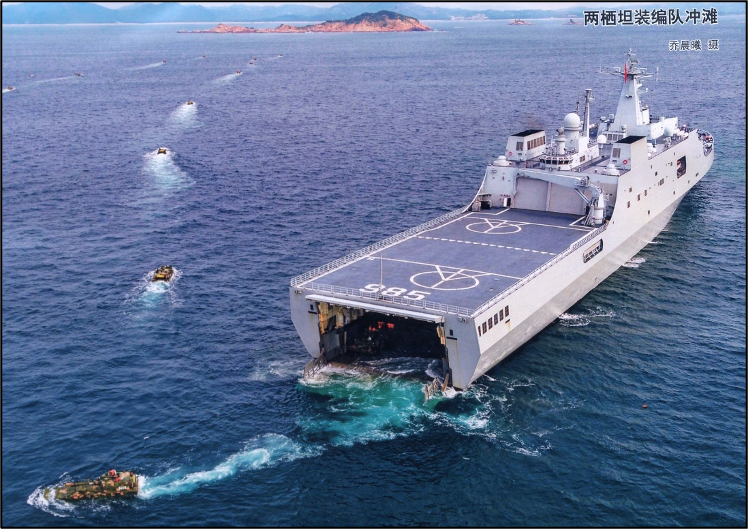
Type 071 LPD (Fig 1)
Fig 1: Type 075 Disembarking ZBD-05 Infantry Combat Vehicles
China commissioned eight vessels of this class between 2007 and 2020 (in addition to one exported to Thailand). All these vessels were built in Hudong Zhonghua (HDZH) shipyard at the old facilities at Pudong on the Huangpu river.
Construction activity at Hudong Zhonghua (HDZH). As mentioned in ‘Dabolim Diaries’ Issue No 29 dated 03 Sep 2026 titled ‘China’s Ninth Type 071 LPD – From Keel Laying to Launch in Four Months!’, commencement of Batch 2 of this programme was first noticed in April 2026 with the keel laying of Hull No 9 at Hudong Zhonghua new shipyard (Changxing). The keel of Hull No 10 was assessed to be laid in the same drydock in early Jun 2026 (Fig 2).
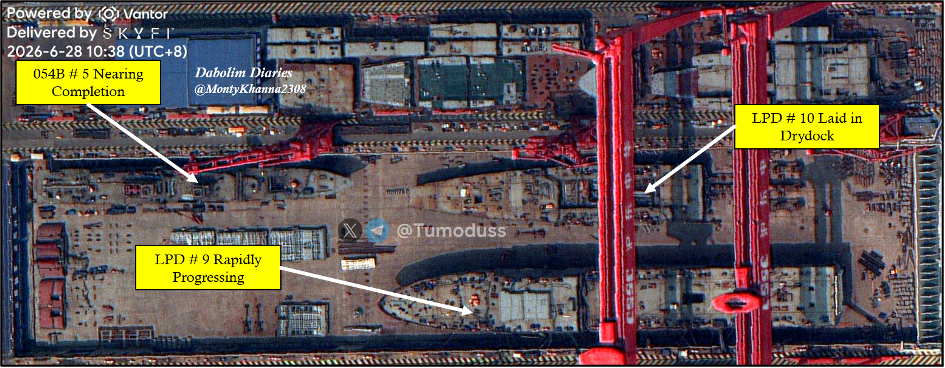 Fig 2: Hull Nos 9 and 10 Under Construction at Hudong Zhonghua (Changxing)
Hull No 9 was launched on 24 Aug 2026 in a record time of four months from keel laying and the keel of Hull No 11 was laid the very next day i.e. on 25 Aug 26 in the spot vacated by Hull No 9 in the drydock (Fig 3).
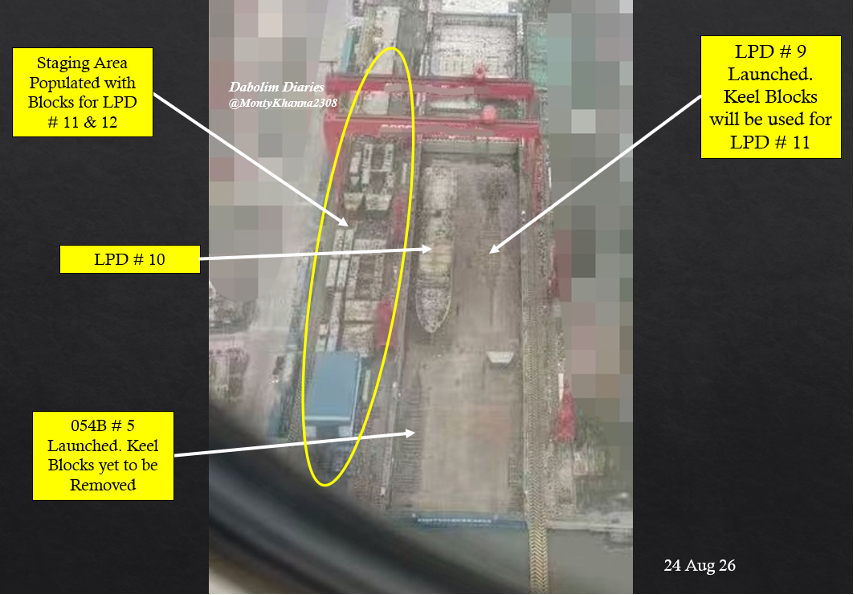 Fig 3: Layout at Hudong Zhonghua (Changxing) as on 24 Aug 26
Activities that have happened since then as assessed by analysing imagery (propriety) that has currently not been posted in any opensource handle is as follows: –
- Hull No 10 was launched in end October 2026 and is currently being fitted out in the fitting out basin along will Hull No 9. The vacated spot in the drydock was rapidly occupied with the keel laying of Hull No 12.
- Hull No 11 is in an advanced stage of construction and should be launched soon.
- Sections of what could possibly be Hull No 13 are seen to be stacked in the stacking area adjacent to the drydock.
Guangzhou Shipyard International (GSI). A recent article published by the South China Morning Post highlighted the construction of two Type 071 vessels at Guangzhou Shipyard International (GSI). Recent imagery shows these ships to be in an advanced stage of construction with their simultaneous launch imminent (Fig 4). This is the first time that large amphibious vessels are being constructed by a yard other than HDZH.
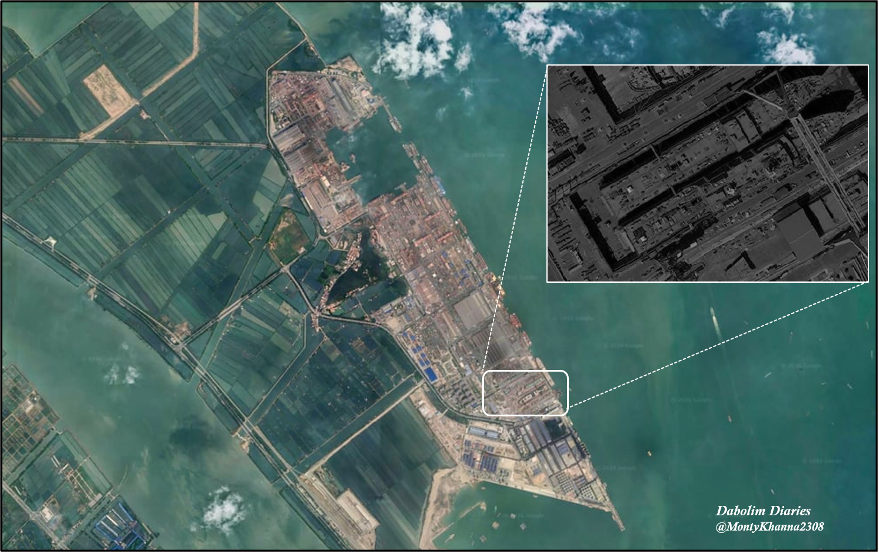 Fig 4: Type 071 LPDs Under Construction at GSI
Wuhu Shipyard. In yet another development, photographs posted by Alex Luck on ‘X’ show a vessel under construction in Wuhu Shipyard that bears a strong resemblance with the Type 071 (Fig 5). If this is indeed another vessel of the same class, it would mean the simultaneous rapid construction of Type 071s at three separate shipyards. In terms of numbers, it implies the induction of eight or more ships of this class (four/five from HDZH, two from GSI and one or more from Wuhu) within a time span of less than two years.
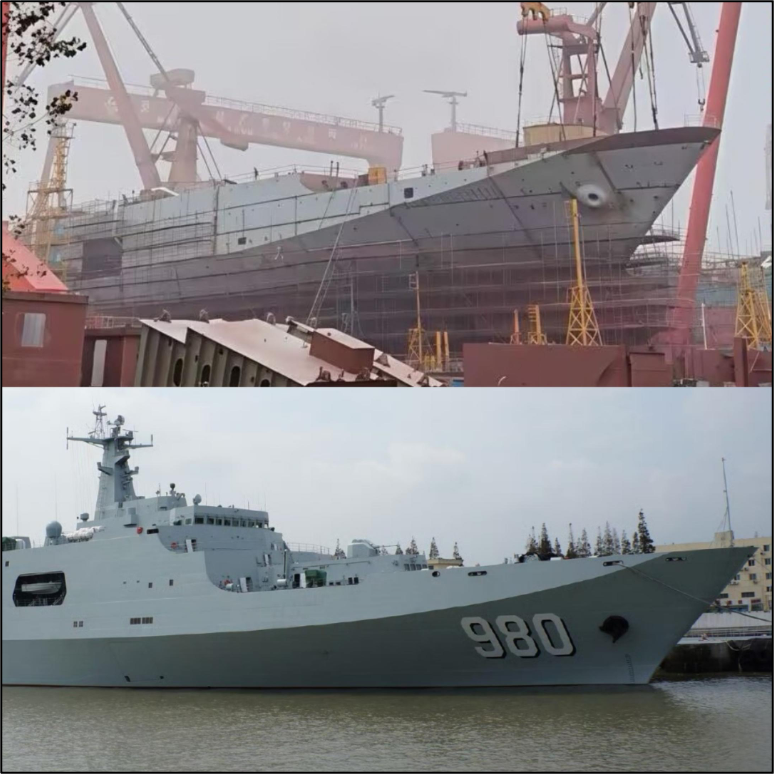 Fig 5: Picture Posted by Alex Luck on ‘X’ Showing Probable Type 071 Under Construction at Wuhu (Top) with Vessel of the Same Class in Commission (Below) for Comparison
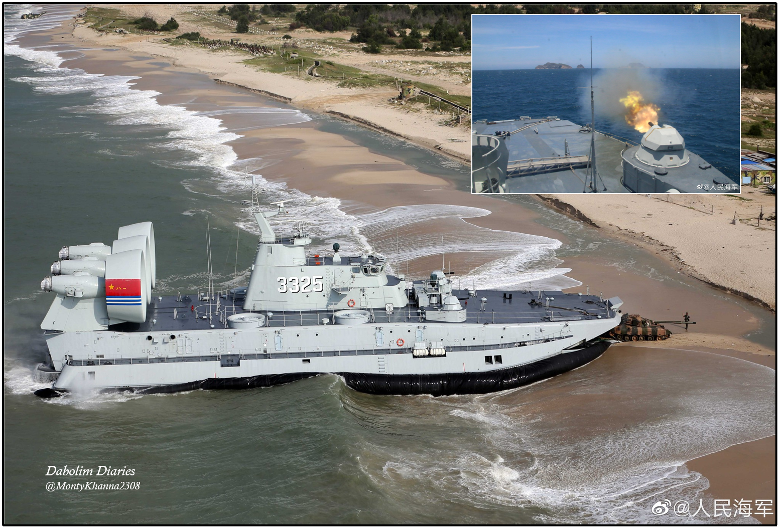 Zubr Class (Fig 6)
Fig 6: Zubr Class Disembarking Tanks
Details of this class of large hovercraft were given in ‘Dabolim Diaries’ Issue No 4 dated 22 Jan 2025 titled ‘China’s Zubr Class Hovercrafts – An Assessment’. Vessels of the class were earlier constructed at Huangpu Shipyard in Guangzhou as seen in the image below (Fig 7).
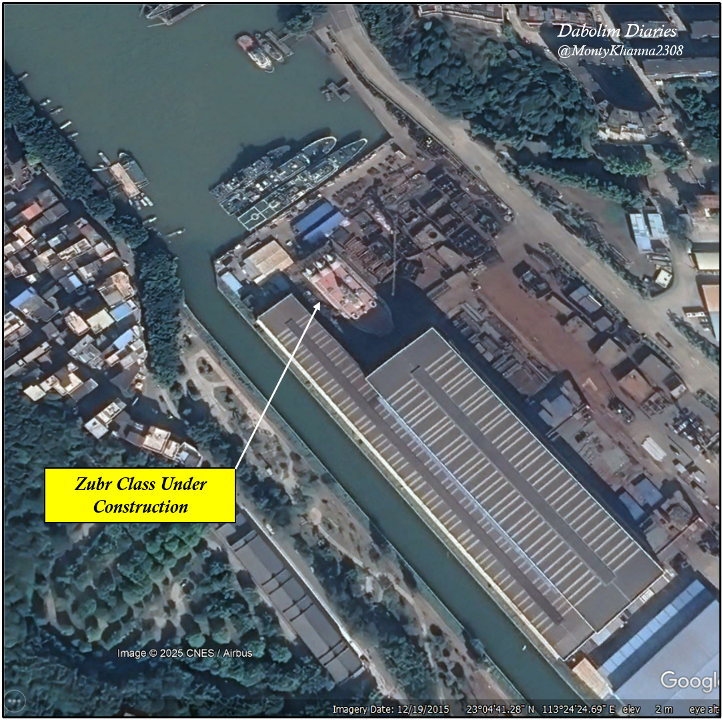 Fig 7: Zubr Class Under Construction at Huangpu Shipyard (19 Dec 2015)
This now appears to have shifted to the new facilities of the yard built adjacent to the GSI complex (Fig 8).
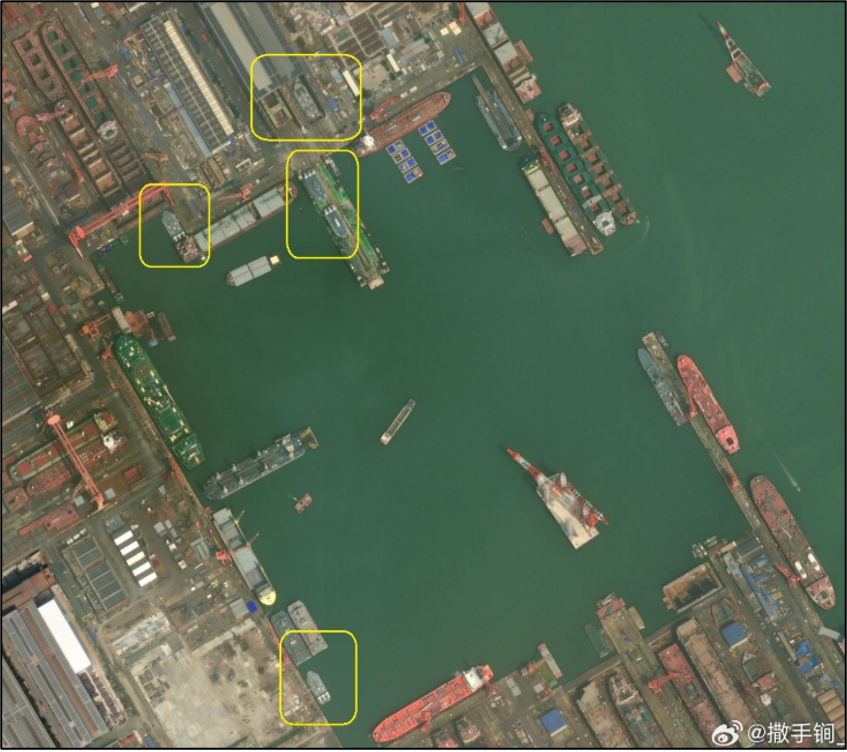 Fig 8: Zubr Class Under Construction at GSI (mid 2026)
As mentioned in the earlier brief, two of the class along with knock-down kits for two more (including complete design data) were procured from Ukraine under a contract signed on 02 Jul 2009. The kits were assembled at Huangpu Shipyard. This execution of the contract was delayed due to Russian objections concerning intellectual property. It was finally concluded in 2017 with delivery of the fourth vessel. While low rate production was resumed thereafter, this seems to have been substantially accelerated in the last year with at least 14 vessels in service or in different stages of construction. This assessment is based on a study of construction, berthing and storage/preservation facilities of the class as mentioned in the paragraphs below.
- Guangzhou Shipyard International (GSI). Facilities have been created at GSI for berthing, storage and possibly preservation of Zubr Class hovercraft. The ‘hard’ for this purpose has been considerably expanded in the last two years and is now capable of accommodating at least 12 vessels (Fig 9). An image dated Oct 2026 (non-releasable) shows four vessels on this hard, four more afloat at different locations within the GSI basin, and one partially visible under the Huangpu shipyard construction hall at the northern side of the yard making a total of nine that can be seen. There are possibly more under construction under the roof of the same construction hall.
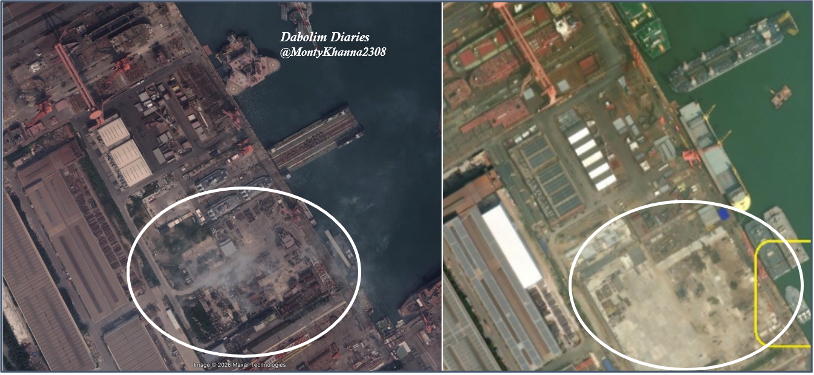 Fig 9: Zubr Class Storage/Preservation Hard Expansion – Left (2022), Right (2026)
- Hovercraft Base at Zhanjiang. A berthing/storage facility for the Zubr was created at the western bank of the Zhanjiang waterway (Fig 10), adjacent to the PLA Navy dockyard, by augmenting an existing Type 726 LCAC facility (210 14’.5 N, 1100 24’.9 E). This facility continues to see extensive use. In Oct 2026 (at roughly the same time imagery of GSI was analysed), three Zubr Class hovercraft were observed at this location.
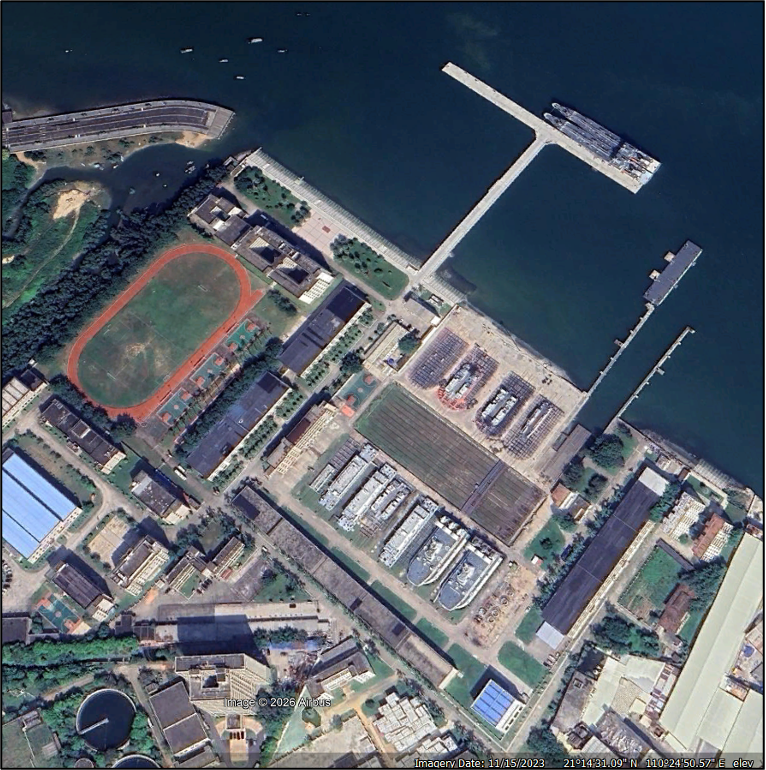
Fig 10: Hovercraft Base at Zhanjiang (2023 Image for Orientation)
- Lunxing Hovercraft Base. An additional hovercraft base was constructed at Lunxing on Nansen Island, at the mouth of the Zhanjiang waterway (210 05’.8 N, 1100 31’.8 E). Work on this facility commenced in 2014 and is estimated to have been completed by 2016. This has four bays for Zubr Class hovercraft (Fig 11). In Oct 2026 (at roughly the same time imagery of GSI was analysed), two hovercraft of this class were observed at this location.
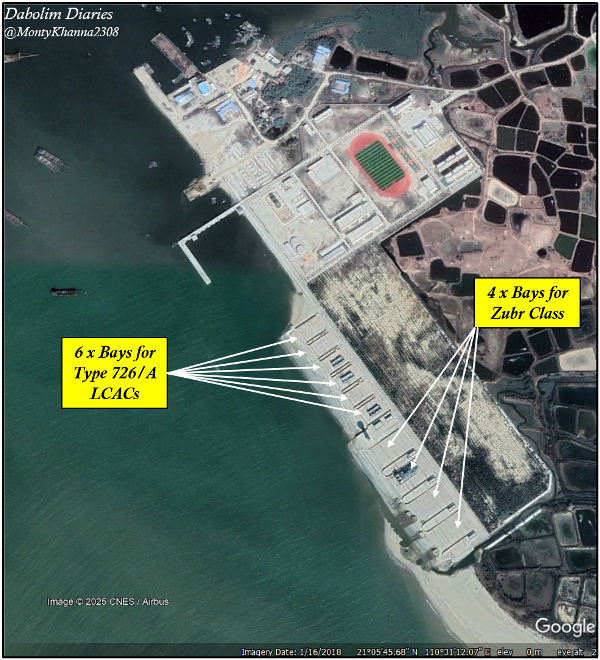
Fig 11: Hovercraft Base at Lunxing (2018 Image for Orientation)
Assessment
The undermentioned may be assessed from the above.
- While the PLAN has been building LHAs, LPDs and large hovercraft at breakneck speed, there appears to be no such urgency to replace/augment the ageing fleet of the various variants of the Type 072 LSTs in its inventory. This leads one to the assumption that given the investment that Taiwan has made towards the defence of potential landing areas, particularly in the vicinity of its ports and airfields (capture of which would serve the purpose of a staging area for a wider expeditionary operation), the PLAN has shifted its focus from ‘hard’ to ‘stand-off’ beaching using its growing strength of heavy lift helicopters and shipborne LCACs (Type 726/A) for the ship-to-shore movement. These will be augmented by the heavier Zubr Class hovercraft operating from the mainland. Use of hovercraft throws up wider options to circumvent static defences for landing troops and vehicles ashore.
- Once a beachhead has been established, a pier could be rapidly put together using invasion barges (of which two sets have been built) in conjunction with commercial Ro-Ro vessels to augment build-up of forces ashore. This could be achieved without capturing a port which are likely to be better defended.
- The breakneck speed at which large expeditionary assets such as the Type 076, 075 and particularly the 071 are being constructed deserves closer examination. Most navies would prefer to stagger such asset generation (even if unconstrained by shipyard capacity) as bunching places excessive load on the manning and training pipeline. It also results in downstream bunching of refits and maintenance. A procurement intensity of this nature thus points towards an operational necessity for the assets in the near term. This elevates the probability of a Taiwan contingency in the near future. Such an assessment is also reinforced by the fact that while larger expeditionary assets could possibly be used for other tasking including humanitarian and disaster relief requirements (though even here it would be hard to justify the numbers built by China), the Zubr class hovercrafts as well as the invasion barges have a focused Taiwan contingency role. Building of these assets have an opportunity cost which would be difficult to justify if such an operation was not under active consideration.

Leave a Reply
Want to join the discussion?Feel free to contribute!