
 https://maritimeindia.org/wp-content/uploads/2022/03/rsz_turtle-nesting-4.jpg
550
900
admin
https://maritimeindia.org/wp-content/uploads/2020/01/sm-logo.png
admin2022-03-07 12:28:422022-03-07 12:28:42BIODIVERSITY CONSERVATION IN INDIA: THE SECURITY DIMENSION
https://maritimeindia.org/wp-content/uploads/2022/03/rsz_turtle-nesting-4.jpg
550
900
admin
https://maritimeindia.org/wp-content/uploads/2020/01/sm-logo.png
admin2022-03-07 12:28:422022-03-07 12:28:42BIODIVERSITY CONSERVATION IN INDIA: THE SECURITY DIMENSION Sailors TV
https://maritimeindia.org/wp-content/uploads/2022/01/rsz_b49b3a020810582cc74cc0d6d395f9f5.jpg
550
900
admin
https://maritimeindia.org/wp-content/uploads/2020/01/sm-logo.png
admin2022-01-10 11:52:102022-01-10 11:56:29LEGACIES & LEARNINGS: A CASE STUDY OF OIL SPILLS IN THE INDIAN OCEAN REGION
Sailors TV
https://maritimeindia.org/wp-content/uploads/2022/01/rsz_b49b3a020810582cc74cc0d6d395f9f5.jpg
550
900
admin
https://maritimeindia.org/wp-content/uploads/2020/01/sm-logo.png
admin2022-01-10 11:52:102022-01-10 11:56:29LEGACIES & LEARNINGS: A CASE STUDY OF OIL SPILLS IN THE INDIAN OCEAN REGION https://maritimeindia.org/wp-content/uploads/2021/12/Saurabh-Image-scaled.jpeg
1707
2560
admin
https://maritimeindia.org/wp-content/uploads/2020/01/sm-logo.png
admin2021-12-30 22:15:482021-12-30 22:41:42KUNMING COP15: MAPPING LINKAGES BETWEEN BIODIVERSITY AND CLIMATE CHANGE
https://maritimeindia.org/wp-content/uploads/2021/12/Saurabh-Image-scaled.jpeg
1707
2560
admin
https://maritimeindia.org/wp-content/uploads/2020/01/sm-logo.png
admin2021-12-30 22:15:482021-12-30 22:41:42KUNMING COP15: MAPPING LINKAGES BETWEEN BIODIVERSITY AND CLIMATE CHANGE Image Credits: oneindia.com
https://maritimeindia.org/wp-content/uploads/2021/12/rsz_cyclone2-1572950210.jpg
550
900
admin
https://maritimeindia.org/wp-content/uploads/2020/01/sm-logo.png
admin2021-12-30 17:27:282022-01-04 16:15:09CLIMATE CHANGE IMPLICATIONS FOR HOLISTIC MARITIME SECURITY IN THE INDIAN OCEAN REGION
Image Credits: oneindia.com
https://maritimeindia.org/wp-content/uploads/2021/12/rsz_cyclone2-1572950210.jpg
550
900
admin
https://maritimeindia.org/wp-content/uploads/2020/01/sm-logo.png
admin2021-12-30 17:27:282022-01-04 16:15:09CLIMATE CHANGE IMPLICATIONS FOR HOLISTIC MARITIME SECURITY IN THE INDIAN OCEAN REGION https://maritimeindia.org/wp-content/uploads/2021/08/india-israel-min.png
550
900
admin
https://maritimeindia.org/wp-content/uploads/2020/01/sm-logo.png
admin2021-08-12 17:29:522021-08-12 17:30:44NEED FOR DEVELOPMENT OF ADAPTIVE GEOSTRATEGIES TO ADDRESS CLIMATE-CHANGE: AN INDIAN AND AN ISRAELI PERSPECTIVE
https://maritimeindia.org/wp-content/uploads/2021/08/india-israel-min.png
550
900
admin
https://maritimeindia.org/wp-content/uploads/2020/01/sm-logo.png
admin2021-08-12 17:29:522021-08-12 17:30:44NEED FOR DEVELOPMENT OF ADAPTIVE GEOSTRATEGIES TO ADDRESS CLIMATE-CHANGE: AN INDIAN AND AN ISRAELI PERSPECTIVE Photo-credit: Mr Tobias Friedrich at www.smithsonianmag.com
https://maritimeindia.org/wp-content/uploads/2021/06/rsz_arabian_sea_humback_whale.jpg
550
900
admin
https://maritimeindia.org/wp-content/uploads/2020/01/sm-logo.png
admin2021-06-17 12:12:532021-06-17 13:38:10DECODING MARINE PROTECTED AREAS IN INDIA – PART 2: CHALLENGES IN MARINE CONSERVATION IN THE EXCLUSIVE ECONOMIC ZONE AND TRANSBOUNDARY AREAS
Photo-credit: Mr Tobias Friedrich at www.smithsonianmag.com
https://maritimeindia.org/wp-content/uploads/2021/06/rsz_arabian_sea_humback_whale.jpg
550
900
admin
https://maritimeindia.org/wp-content/uploads/2020/01/sm-logo.png
admin2021-06-17 12:12:532021-06-17 13:38:10DECODING MARINE PROTECTED AREAS IN INDIA – PART 2: CHALLENGES IN MARINE CONSERVATION IN THE EXCLUSIVE ECONOMIC ZONE AND TRANSBOUNDARY AREAS PHOTO CREDITS- Jonas Gratzer/LightRocket/Getty Images
https://maritimeindia.org/wp-content/uploads/2021/06/Article-ST-June-9.png
550
900
admin
https://maritimeindia.org/wp-content/uploads/2020/01/sm-logo.png
admin2021-06-09 20:22:482021-06-10 17:21:11STEMMING THE RISING TIDE — OCEANS AND THE UNITED NATIONS FRAMEWORK CONVENTION ON CLIMATE CHANGE
PHOTO CREDITS- Jonas Gratzer/LightRocket/Getty Images
https://maritimeindia.org/wp-content/uploads/2021/06/Article-ST-June-9.png
550
900
admin
https://maritimeindia.org/wp-content/uploads/2020/01/sm-logo.png
admin2021-06-09 20:22:482021-06-10 17:21:11STEMMING THE RISING TIDE — OCEANS AND THE UNITED NATIONS FRAMEWORK CONVENTION ON CLIMATE CHANGE https://maritimeindia.org/wp-content/uploads/2021/06/rsz_nuclear_waste-dumping_into_the_oceans.jpg
550
900
admin
https://maritimeindia.org/wp-content/uploads/2020/01/sm-logo.png
admin2021-06-07 23:42:172021-06-10 17:44:30THE FUKUSHIMA CONUNDRUM: OCEAN DISPOSAL OF NUCLEAR WASTE
https://maritimeindia.org/wp-content/uploads/2021/06/rsz_nuclear_waste-dumping_into_the_oceans.jpg
550
900
admin
https://maritimeindia.org/wp-content/uploads/2020/01/sm-logo.png
admin2021-06-07 23:42:172021-06-10 17:44:30THE FUKUSHIMA CONUNDRUM: OCEAN DISPOSAL OF NUCLEAR WASTE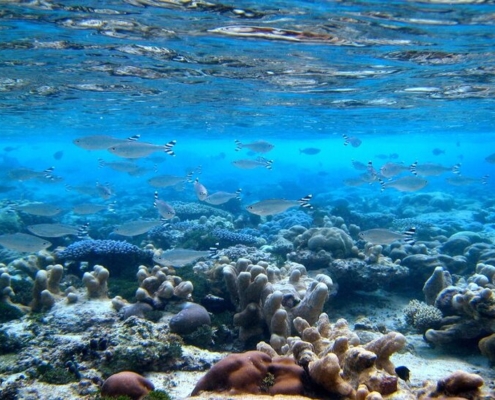 IMAGE CREDITS- WILL CHAFFEY, MYSHOT - https://www.nationalgeographic.org/encyclopedia/importance-marine-protected-areas/
https://maritimeindia.org/wp-content/uploads/2021/05/rsz_marine_protected_areas-_may_2021.jpg
550
900
admin
https://maritimeindia.org/wp-content/uploads/2020/01/sm-logo.png
admin2021-05-29 16:48:022021-05-29 16:54:55DECODING MARINE PROTECTED AREAS IN INDIA – PART I: UNDERSTANDING THE LEGAL AND POLICY FRAMEWORKS
IMAGE CREDITS- WILL CHAFFEY, MYSHOT - https://www.nationalgeographic.org/encyclopedia/importance-marine-protected-areas/
https://maritimeindia.org/wp-content/uploads/2021/05/rsz_marine_protected_areas-_may_2021.jpg
550
900
admin
https://maritimeindia.org/wp-content/uploads/2020/01/sm-logo.png
admin2021-05-29 16:48:022021-05-29 16:54:55DECODING MARINE PROTECTED AREAS IN INDIA – PART I: UNDERSTANDING THE LEGAL AND POLICY FRAMEWORKS https://maritimeindia.org/wp-content/uploads/2021/05/Untitled-design-11.png
550
900
admin
https://maritimeindia.org/wp-content/uploads/2020/01/sm-logo.png
admin2021-05-06 16:16:532021-08-09 16:32:44IMPLICATIONS FOR INDIA OF NOCTILUCA SCINTILLANS IN THE MARITIME DOMAIN
https://maritimeindia.org/wp-content/uploads/2021/05/Untitled-design-11.png
550
900
admin
https://maritimeindia.org/wp-content/uploads/2020/01/sm-logo.png
admin2021-05-06 16:16:532021-08-09 16:32:44IMPLICATIONS FOR INDIA OF NOCTILUCA SCINTILLANS IN THE MARITIME DOMAIN https://maritimeindia.org/wp-content/uploads/2021/04/rsz_marine_insurance__oil_pollution.jpg
550
900
admin
https://maritimeindia.org/wp-content/uploads/2020/01/sm-logo.png
admin2021-04-20 15:49:492021-04-20 15:49:49ROLE OF MARINE INSURANCE IN OIL POLLUTION IN INDIA
https://maritimeindia.org/wp-content/uploads/2021/04/rsz_marine_insurance__oil_pollution.jpg
550
900
admin
https://maritimeindia.org/wp-content/uploads/2020/01/sm-logo.png
admin2021-04-20 15:49:492021-04-20 15:49:49ROLE OF MARINE INSURANCE IN OIL POLLUTION IN INDIA Image Credits- Amit Dave of Reuters- https://gcaptain.com/photos-shipbreaking-in-alang-india/
https://maritimeindia.org/wp-content/uploads/2021/04/Alang.png
550
900
admin
https://maritimeindia.org/wp-content/uploads/2020/01/sm-logo.png
admin2021-04-05 09:42:092021-04-05 10:03:54MARITIME POLLUTION AND THE SHIPBREAKING INDUSTRY — CHALLENGES AND MITIGATION-OPTIONS
Image Credits- Amit Dave of Reuters- https://gcaptain.com/photos-shipbreaking-in-alang-india/
https://maritimeindia.org/wp-content/uploads/2021/04/Alang.png
550
900
admin
https://maritimeindia.org/wp-content/uploads/2020/01/sm-logo.png
admin2021-04-05 09:42:092021-04-05 10:03:54MARITIME POLLUTION AND THE SHIPBREAKING INDUSTRY — CHALLENGES AND MITIGATION-OPTIONS