
Rear Admiral Monty Khanna (Retd) – ‘Dabolim Diaries’ Issue No 21 dated 07 May 2026
China’s aircraft carrier programme is gathering steam. The commissioning of the Liaoning (25 Sep 2012) was followed by the Shandong (17 Dec 2019), which had large design similarities with its predecessor. After this, there was a hiatus of a few years during which China redesigned several features of its next carrier, the Fujian (commissioned in 05 Nov 2025). Most notable of these was the removal of the ski-jump and a change in aircraft launch/recovery configuration from STOBAR to CATOBAR. The design changes included an increase in length from 305 to 316 m and increase in displacement from about 65,000 to 80,000 tons. Most importantly, it has been reported that construction of this vessel was held up midway as the PLA Navy made an assessment that development of the EMALS had achieved adequate maturity to allow its fitment on this vessel while keeping technical risks at an acceptable level. This resulted in substantial redesign effort and consequent delays to the programme. Insofar as propulsion is concerned, the PLA Navy has persisted with a steam turbine-based plant. The design is likely to have incorporated iterative improvements over the plant installed on the Liaoning and Shandong.
Nuclear Powered Aircraft Carrier
China is now in the midst of building its fourth aircraft carrier at Dalian shipyard. All assessments point towards this being nuclear powered. While work was slow to start, it seems to have accelerated in recent months with nearly the entire keel laid and a significant portion of the hull having been erected.
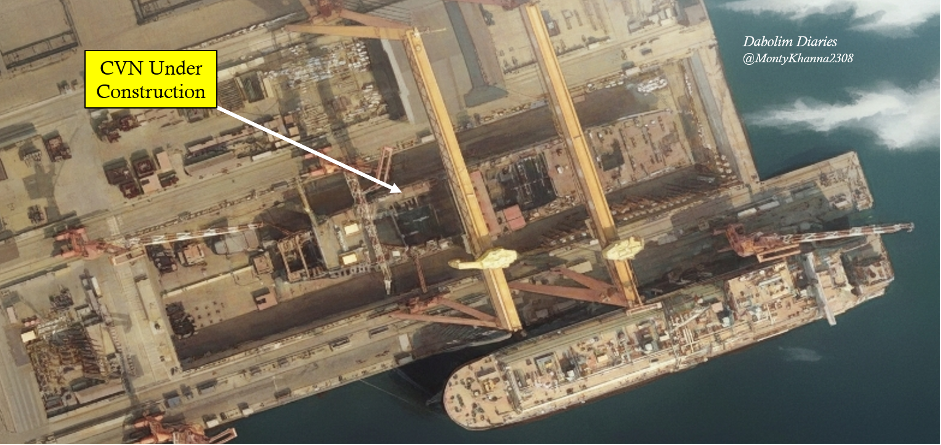 Fig 1: CVN Under Construction at Dalian Shipyard
Reportedly, this carrier will be even larger than the USS Gerald R. Ford potentially making it the largest warship ever built, once completed.
Aircraft Carrier Basing
The PLA Navy has been farsighted in the design and execution of shore infrastructure to support its ships. Such work is normally completed and tested well before the actual basing of a major asset such as an aircraft carrier takes place. This dispenses with the requirement of making ad hoc arrangements to bridge the gap between the commissioning of a ship and completion of supporting arrangements ashore.
Carrier Berth at Yuchi Naval Base
China’s first aircraft carrier jetty was built at the Yuchi Naval Base, Guzhen Bay, (south of Qingdao). This was completed by end 2011/early 2012, in time for the Liaoning to utilize it after her commissioning in Sep 2012.
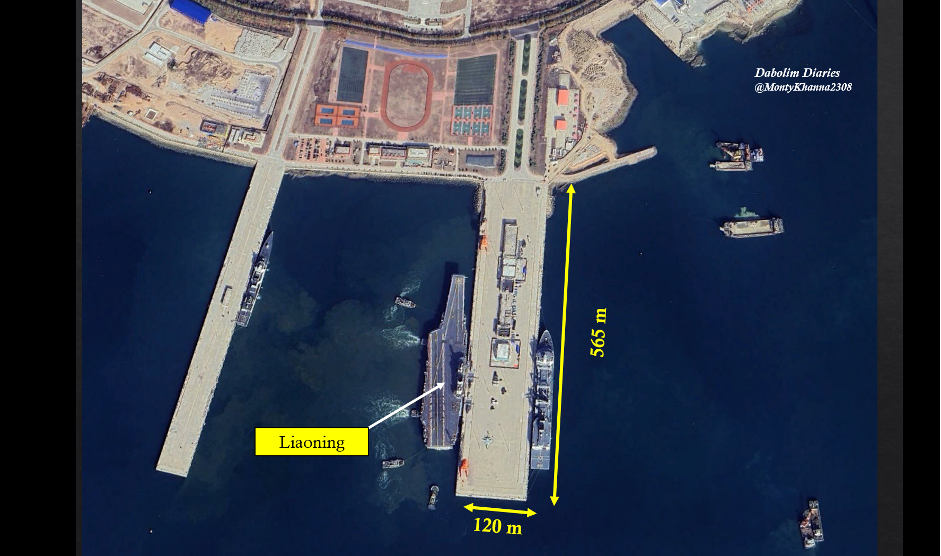
Fig 2: Carrier Berth at Yuchi Naval Base
Carrier Berth at Yulin Naval Base
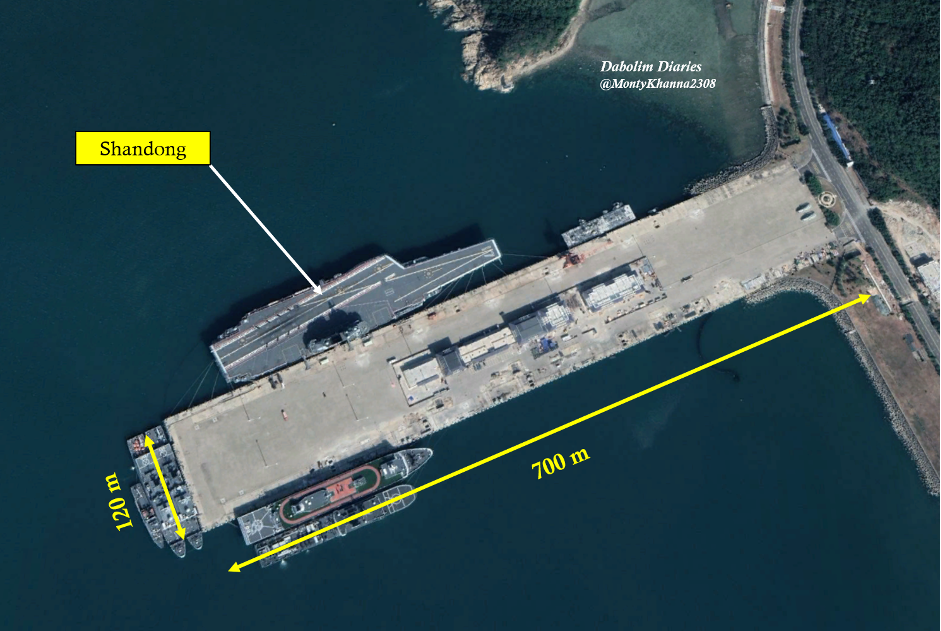
Work on another carrier jetty at Yulin Naval Base overlapped with that in Yuchi, trailing it by about a year and a half. This berth was completed in early 2013.
Fig 3: Carrier Berth at Yulin Naval Base
Current Basing Arrangements
The Shandong has been based in Yulin ever since her commissioning. The Fujian has been observed to be operating from Yuchi naval base in Guzhen Bay along with the Liaoning. It is not known if this will be a permanent arrangement for the Fujian or is only being resorted to till she attains Full Operational Capability (FOC) with an airwing comprising of the J-15T, J-35 and the KJ-600 fixed wing aircraft in addition of helicopters and possibly some unmanned assets.
Basing of CVN
With regards to the fourth aircraft carrier (CVN), the requirement for basing would emerge post completion of the vessel, which could take another two to three years. The options to do so would lie at one of the two existing bases (Yuchi and Yulin) as no new facilities at a third location have been observed to be under construction. Between the two, it appears that Yulin would be the preferred choice due to the following reasons.
- The location allows easy access to the open waters of the South China Sea without having to transit through constrained waters associated with restrictive straits.
- With several nuclear submarines already based at Yulin, the base already has the infrastructure to support nuclear propulsion plants.
- The newly completed 370 m long drydock will allow drydocking of this vessel at the base itself.
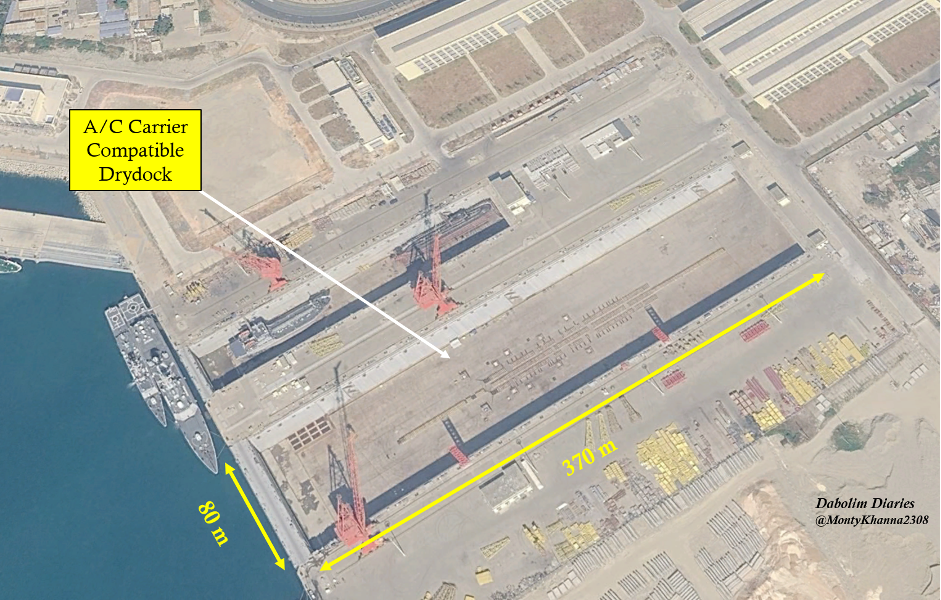 Fig 4: Carrier Compatible Drydock at Yulin Naval Base
It is assessed that construction of a jetty to support the berthing of nuclear-powered aircraft carriers has already commenced. Imagery dated December 2024 of Yulin showed reclamation activity on the southern side of the existing carrier berth.
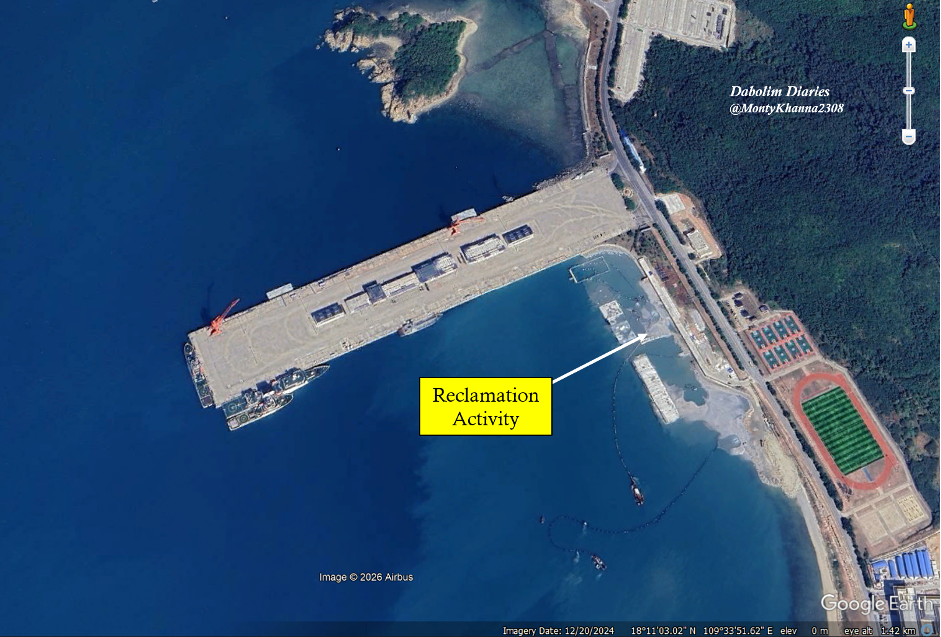
Fig 5: Reclamation Activity South of Carrier Berth at Yulin
A more recent image dated March 2026, shows the full extent of the reclamation. Creation of a new jetty south of the existing carrier pier has reduced the length of its southern berth (Berth No 2 in Fig 6) to 475 m, which is more than sufficient to berth an aircraft carrier. The new jetty under construction (Berth No 3 in Fig 6) has a length of 625 m. What is most notable of this jetty is the extremely wide hard of breath approx. 200 m to its North. This is likely to house all the waterfront related support facilities required by a nuclear power aircraft carrier.
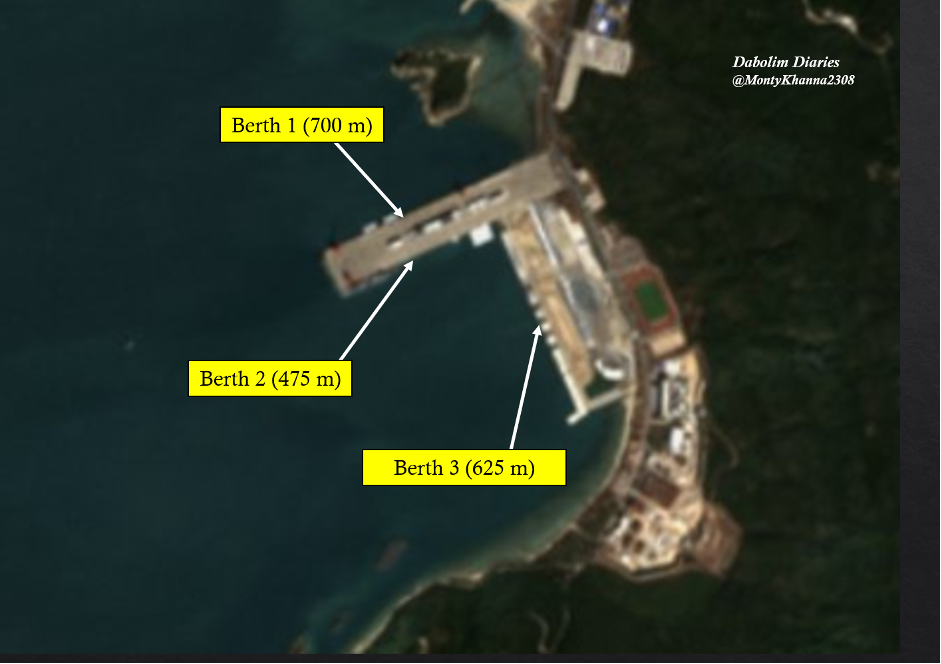
Fig 6: New Carrier Berth at Yulin (Presumably for CVN)
This complex should be completed within the next two years thereby catering for adequate time to complete the testing and tuning of equipment prior to operational berthing of the CVN under construction.
Assessment
With the completion of this jetty, China would have created dedicated facilities to berth five aircraft carriers. Given the expense associated with building such infrastructure (customized for supporting carriers), it is unlikely that these berths would be unutilized. We are therefore looking at a fleet of about six aircraft carriers (accounting for at least one being under maintenance at a shipyard) within a relatively near term of 2030-35, with one to two of them being nuclear powered. Should construction of new carrier support facilities be observed, it would point to the desire of the PLA Navy to increase its aircraft carrier inventory beyond this number.


Leave a Reply
Want to join the discussion?Feel free to contribute!