
Rear Admiral Monty Khanna (Retd) – ‘Dabolim Diaries’ Issue No 27 dated 25 Jul 2026
Insofar as Navy’s go, the PLA Navy has been a late entrant to the practice of creating capabilities for underway replenishment of its vessels at sea having acquired its first tankers, four of the Type 905 Fuqing Class, in the 1980s. However, as its concept of operations changed from ‘near sea’ to ‘far sea’ and thereafter progressively to ‘open ocean’, it has begun to lay far more stress on distant water operations. This has particularly been so with the commencement of patrols by the Anti-Piracy Escort Force (APEF) off the Horn of Africa (HoA) since 2008. Consequently, the PLA Navy began investing in a new class of tankers, the Fuchi Class, in the early 2000s. Early experiences identified limitations which were resolved in a modified version of the class, the Type 903A Fuchi II. This entered series production in 2012 with several being added over the next seven years. These vessels became the sustenance work-horse of the PLAN, with one of them almost invariably accompanying every APEF. They, however, have a limitation with regards to the maximum speed they can sustain for prolonged durations, which is about 18 to 20 kns. With the induction of the aircraft carrier Liaoning in 2012, followed by the Shandong in 2019, there arose a requirement for a fast tanker that could accompany a Carrier Battle Group (CBG) and have enough carrying capacity to meet its expansive replenishment requirements. This gave rise to the 45,000-ton Type 901 (Fuyu-class) fast combat support ship. Two of these were rapidly built and inducted between 2017 and 2018. With the commissioning of the even larger EMALS based aircraft carrier Fujian on 05 Nov 2025, it was expected that more of the Fuyu class vessels would be built. The PLA Navy, however, seems to have opted for a newer class of fast combat support vessels, the yet to be named Type 90X, that will be much larger than the Fuyu. This brief examines the growing fleet of PLAN AOR vessels and what it means for their further concept of operations.
Fuchi Class
The Fuchi Class comprise of the Type 903 and improved Type 903A (Fig 1). They form the mainstay of China’s replenishment fleet. Two Type 903s were inducted in 2004. These were followed by eight of the modified Type 903As which were commissioned between 2013 and 2019.
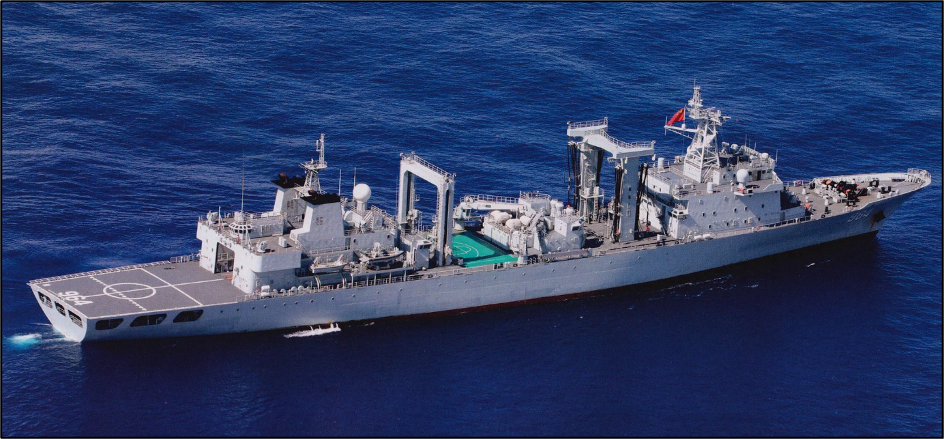 Fig 1: Fuchi Class
Construction of all these vessels was shared between Hudong-Zhonghua (Shanghai) and Guangzhou Shipyard Limited (Guangzhou). There was a pause in construction thereafter for several years. In 2021, construction of the class recommenced with between four to six being added to the fleet, the majority of which were constructed by Wuhu Shipyard (Fig 2).
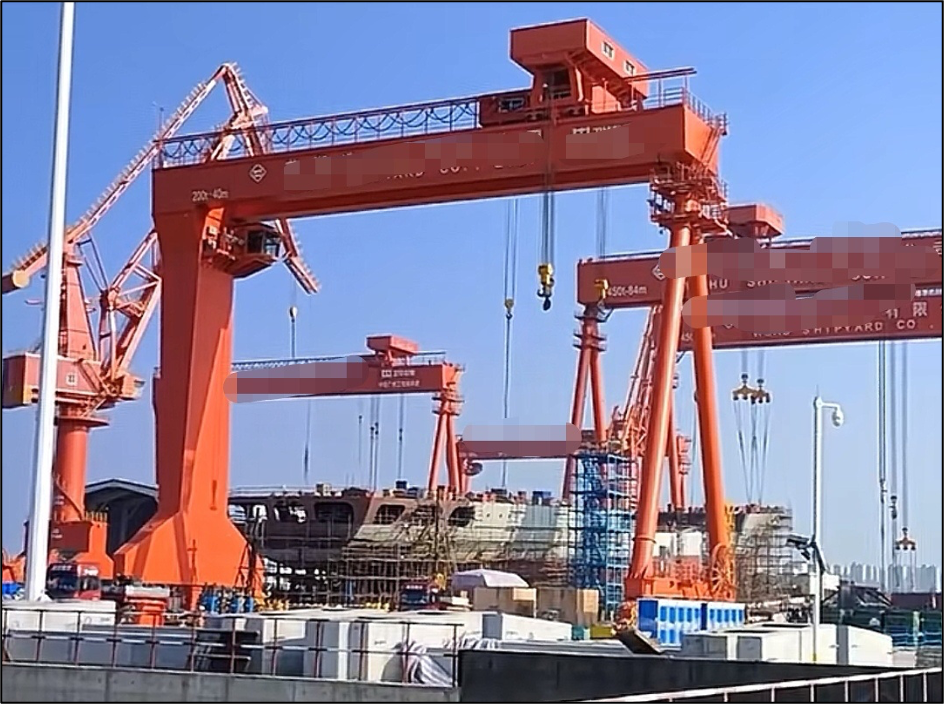 Fig 2: Type 903As Under Construction at Wuhu Shipyard
The broad parameters of the vessel are as listed in Table 1.
Table 1: Broad Parameters of Type 903 and 903A
| Class / Type | Type 903 replenishment ship (Fuchi-class AOR) | Type 903A replenishment ship (Fuchi II / improved Fuchi-class AOR) |
| Displacement (full load) | 20,500 t | 23,000 to 23,400 t |
| Length (overall) | 178.5 m | 178.5 m |
| Beam | 24.8 m | 24.8 |
| Propulsion | 2 × license-produced SEMT Pielstick marine diesels (~24,000 hp total), two shafts | 2 × marine diesels (~24,000 hp total), two shafts |
| Speed (sustained) | Est 19 to 20 kns | Est 19 to 20 kns |
The 903s have two Liquid Transfer Stations (LTS), on either side of the forward goalpost mast and one Solid Transfer Station (STS) on either side of the aft goalpost mast (Fig 3). In addition, they have an astern fuelling capability. The liquid transfer stations support a single primary hose and additional secondary hoses.
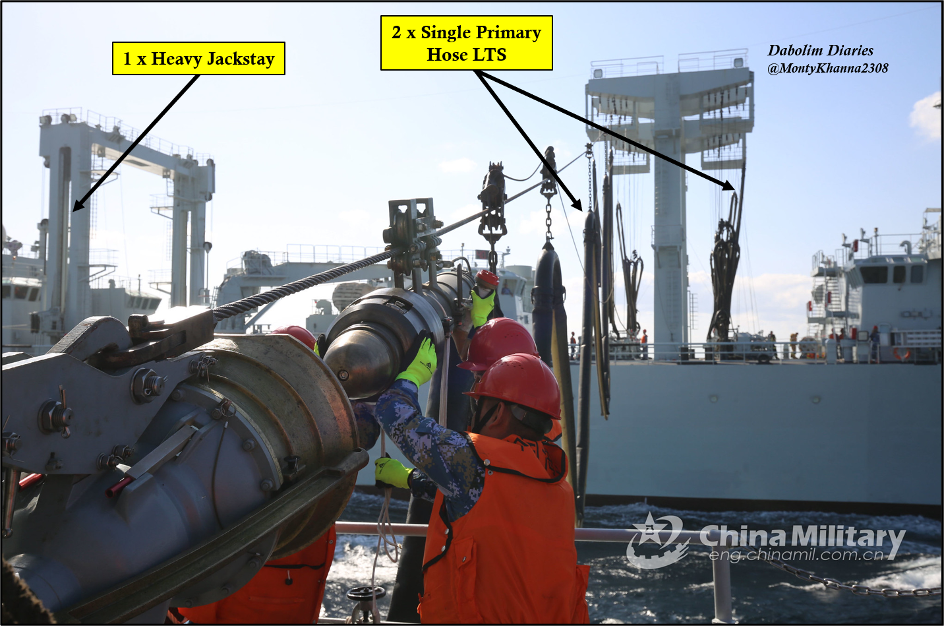 Fig 3: Fuchi Class Underway Replenishment Gear
The ship has a helo-deck and a hanger capable of supporting a helicopter of the Z8/Z18 dimensions (Fig 4).
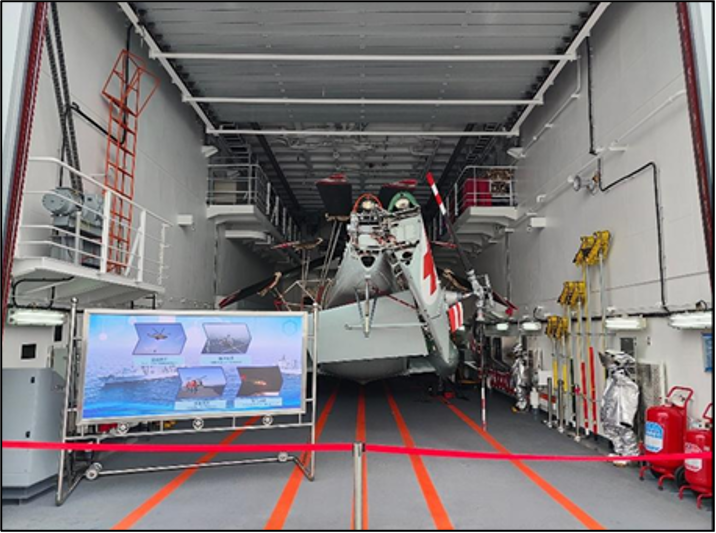 Fig 4: Fuchi Class Hangar
Fuyu Class
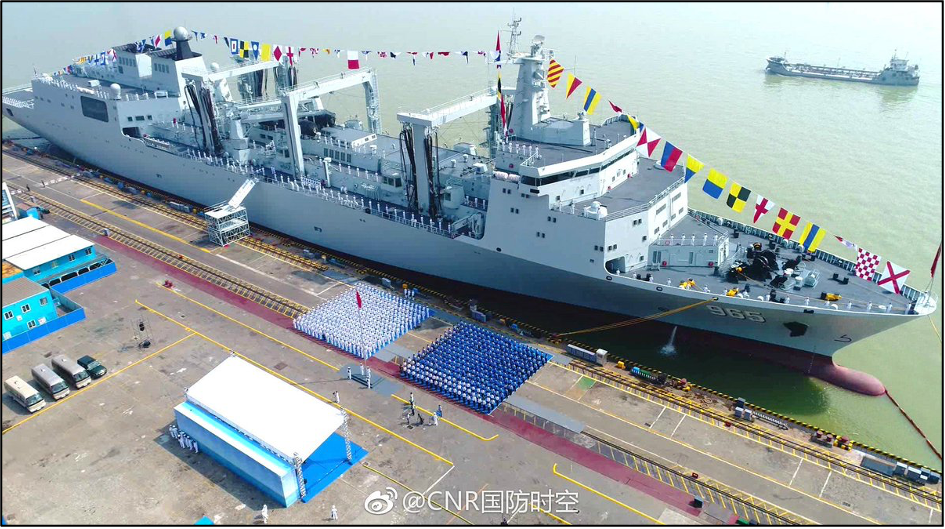
The Fuyu Class fast combat ship of the PLAN is central to Carrier operations of the PLA Navy. The Class comprises of two vessels, namely Hulunhu and Chaganhu, both of which were constructed at the Guangzhou International Shipyard Limited. These were commissioned in 2017 (Fig 5) and 2018 respectively.
Fig 5: Commissioning of Hulunhu at GSI on 01 Sep 2017
Broad parameters of the vessel are as shown in Table 2.
Table 2: Broad Parameters of Type 901
| Class / Type | Type 901 replenishment ship (Fuyu-class AOR) |
| Displacement (full load) | 45,000 t |
| Length (overall) | 240 m |
| Beam | 31.5 m |
| Speed (sustained) | Est 25 kns |
The Fuyu class was the first PLAN AOR to introduce twin-hose liquid transfer stations to considerably enhance the transfer rate (Fig 6).
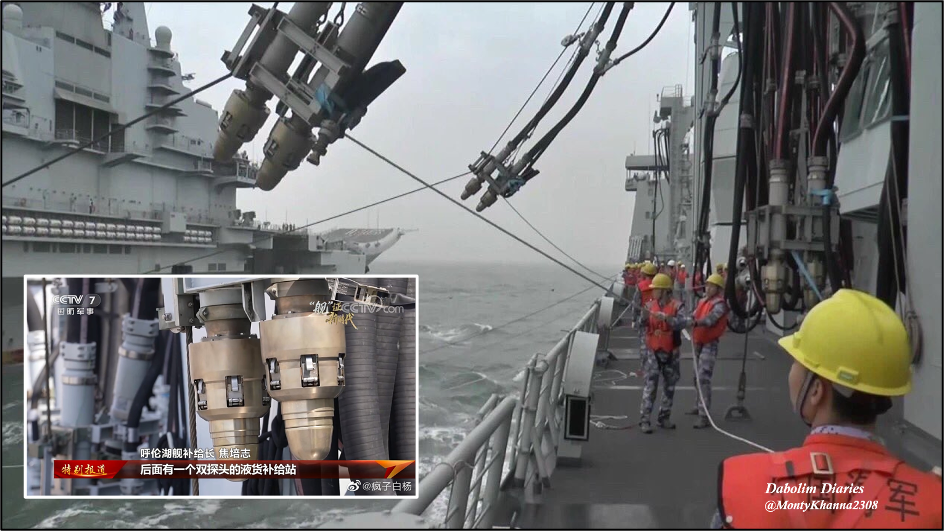 Fig 6: Fuyu Class with Twin-Hose Liquid Transfer Stations
This is in contrast to the single-hose LTS that were there on the Fuchi Class as well as in some of the LTSs installed on the Fuyu Class (Fig 7).
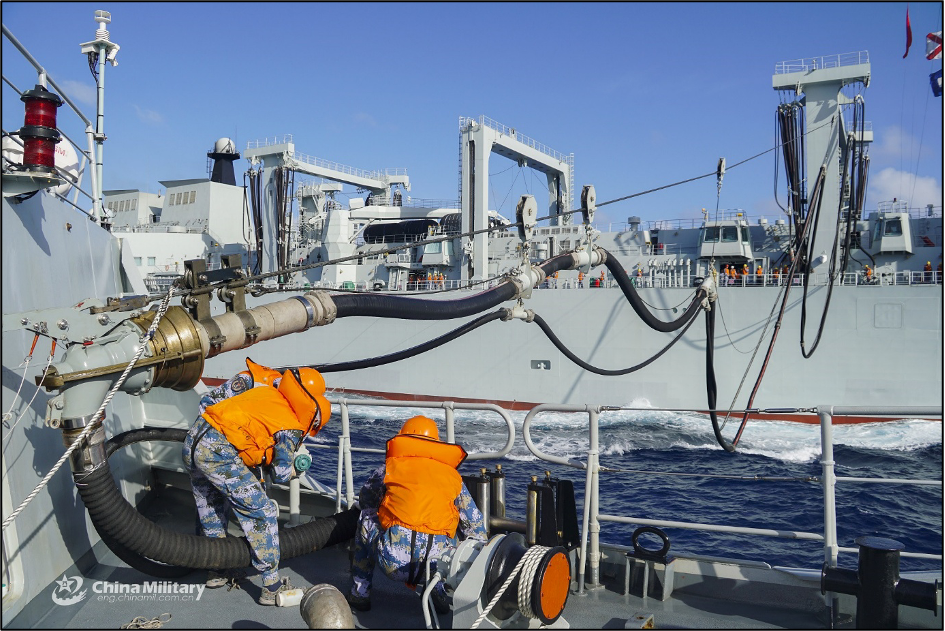 Fig 7: Fuyu Class with Single-Hose Liquid Transfer Stations
Altogether, the Fuyu Class have nine liquid transfer stations (four to stbd and five to port) and three solid transfer stations (one to stbd and two to port) spread across three goal-post masts and one single-post mast. The layout of these is shown in Fig 8 (Port Side) and Fig 9 (Stbd Side).
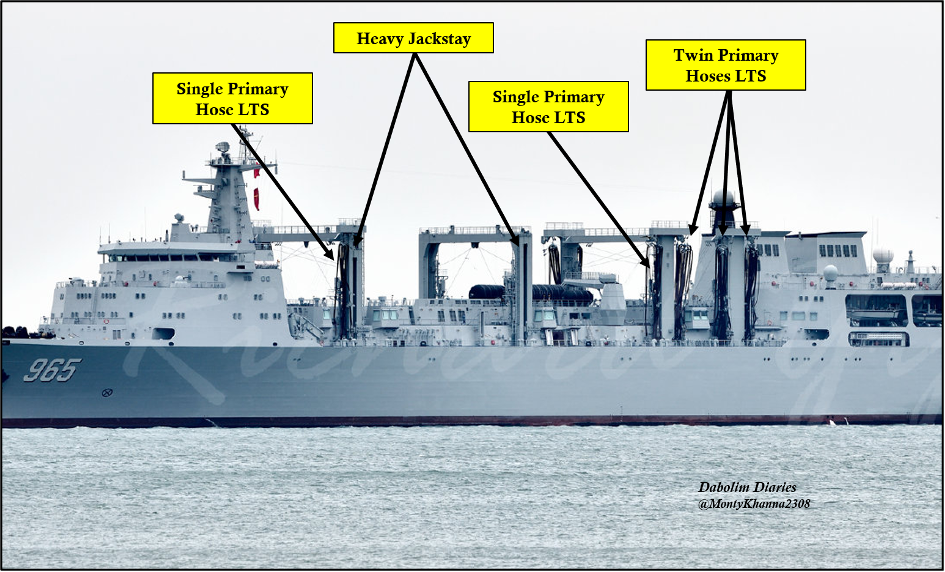 Fig 8: Fuyu Class with Cargo Transfer Stations (Port)
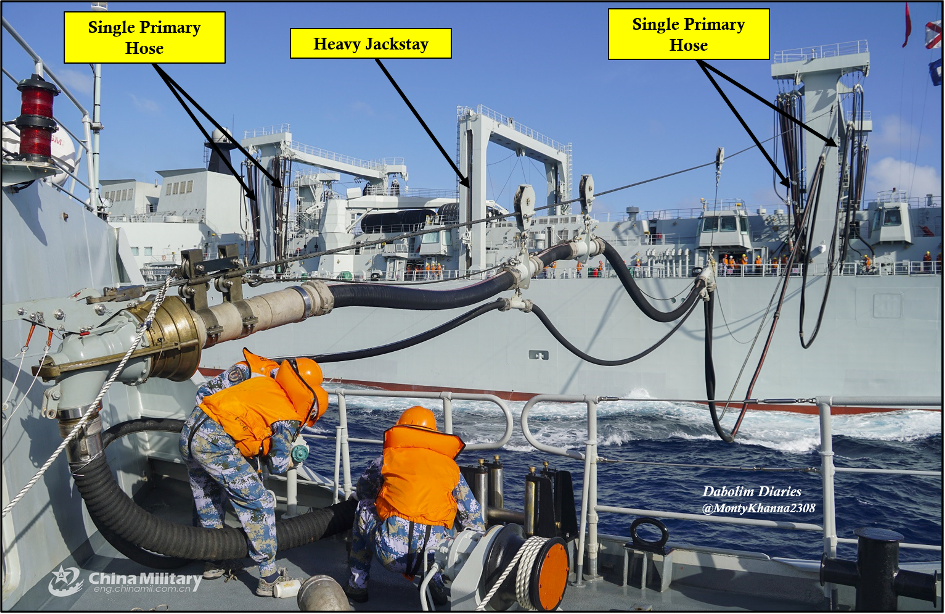
Fig 9: Fuyu Class with Cargo Transfer Stations (Stbd)
The vessel is also capable of engaging in stern fuelling (Fig 10).
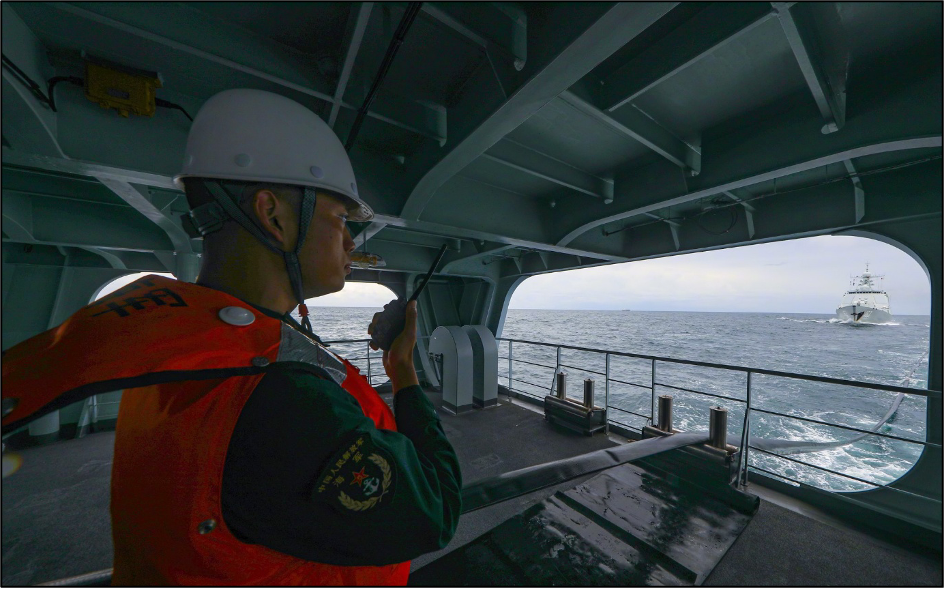 Fig 10: Fuyu Class Undertaking Stern Fuelling
The port-biased replenishment arrangements clearly reflect the primary role of the vessel to support an aircraft carrier/LPD which because of the island structure, are capable of underway replenishment only on their stbd side (Fig 11).
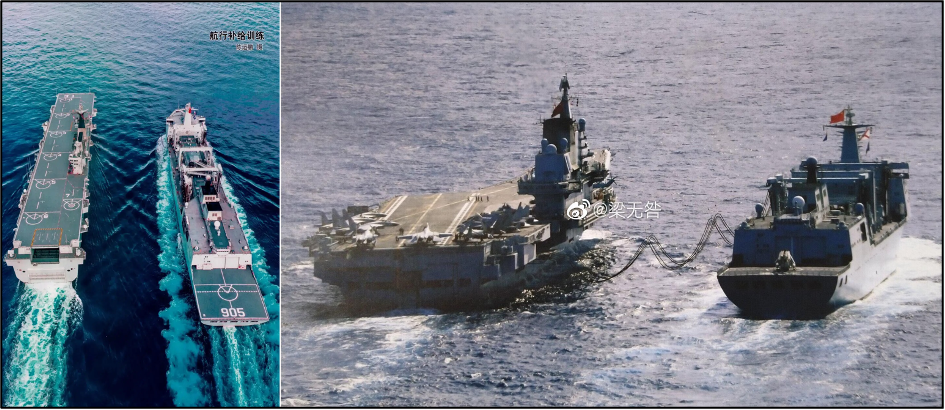 Fig 11: Fuyu Class Undertaking Replenishment with Type 075 (Left) and Shandong (Right)
The Fuyu Class supports a large helo-deck with twin hangars which are displaced to the stbd side (Fig 12). The deck and hangar are designed for large helicopters of the Z-8/Z-18/Z-20 Class.
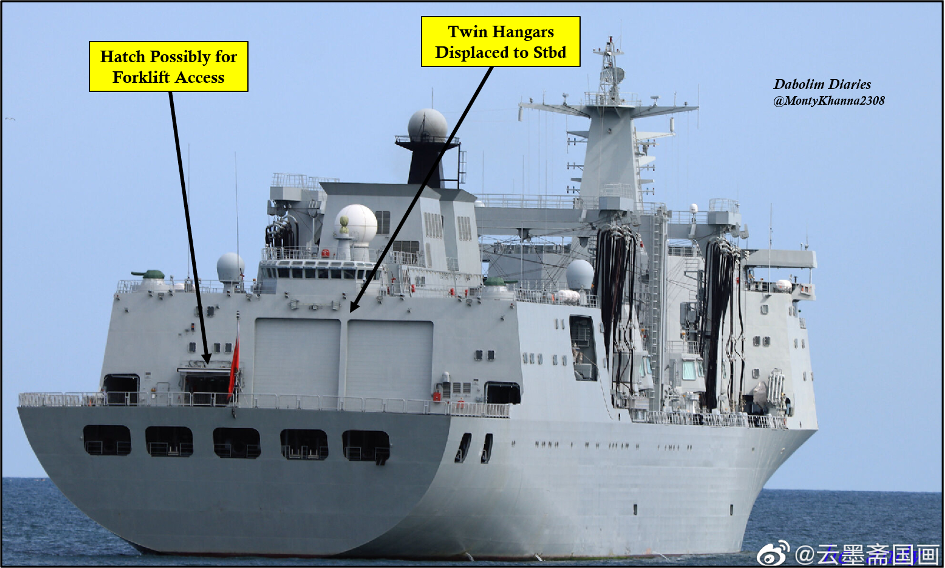 Fig 12: Fuyu Class with Twin Hangars Displaced to Stbd
This asymmetric arrangement of the hangars is possibly to cater for the large alleyway that allows for fork-lifts and other forms of mechanism transporters to access the helo-deck (Fig 13).
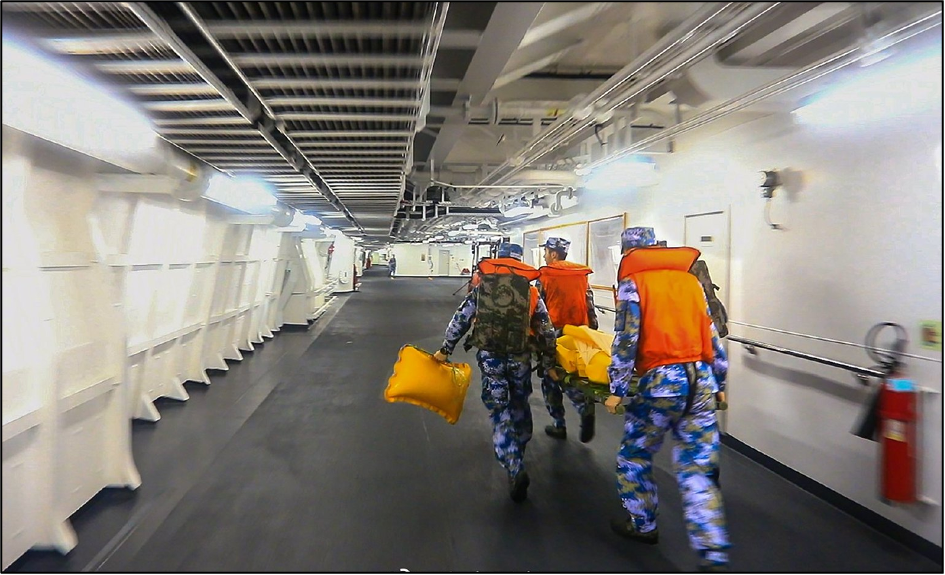 Fig 13: Alleyway Within Fuyu Class
Type 90X Ultra-Large AOR
Images of a new class of fleet replenishment ship under construction at GSI began to first appear in 2025. This vessel has a length of 270 m and beam of 36 m. She is considerably bigger than the Fuyu Class and is estimated to have a full-load displacement in excess of 80,000 tons. Her colossal size can be appreciated in a recent picture of her under construction at GSI (Fig 14).
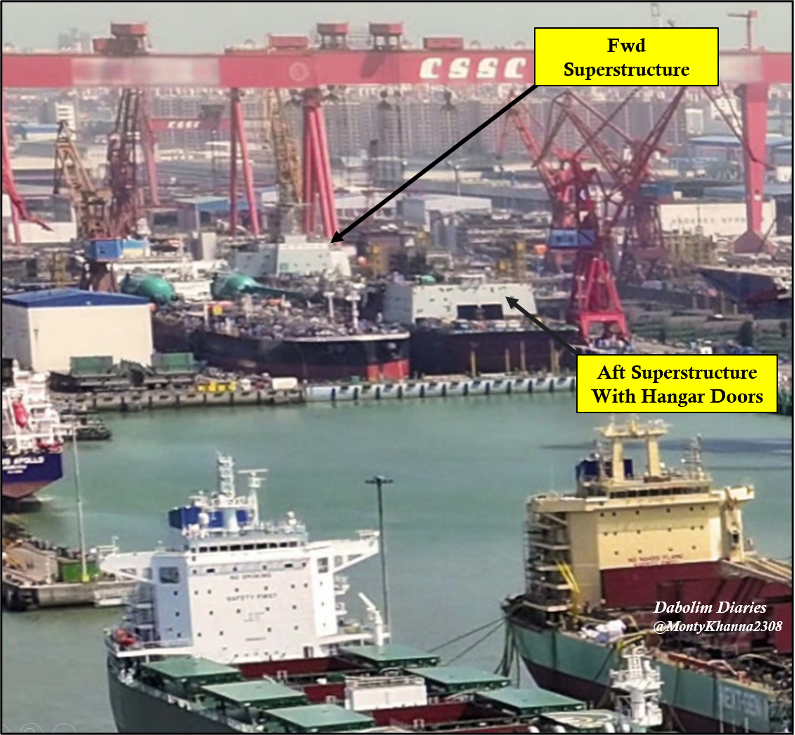 Fig 14: Type 90X Under Construction at GSI
Her underway replenishment capabilities have been augmented through the installation of what appears to be three single-post masts (two more than the Fuyu Class) in addition to three-goal post masts (Fig 15).
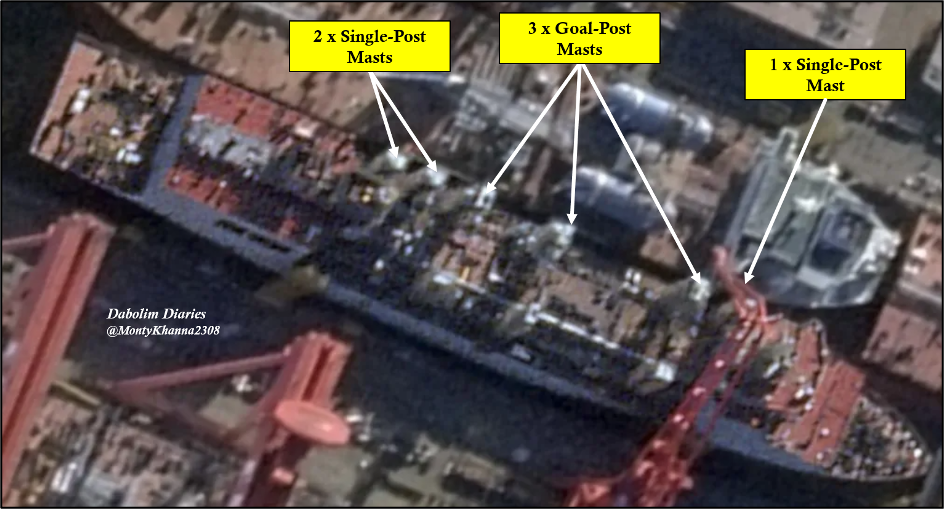 Fig 15: Possible Layout of Replenishment Gear on Type 90X
She has an asymmetric forward superstructure, possibly to accommodate the forward single-post mast just aft of the forward superstructure on the port side (Fig 16).
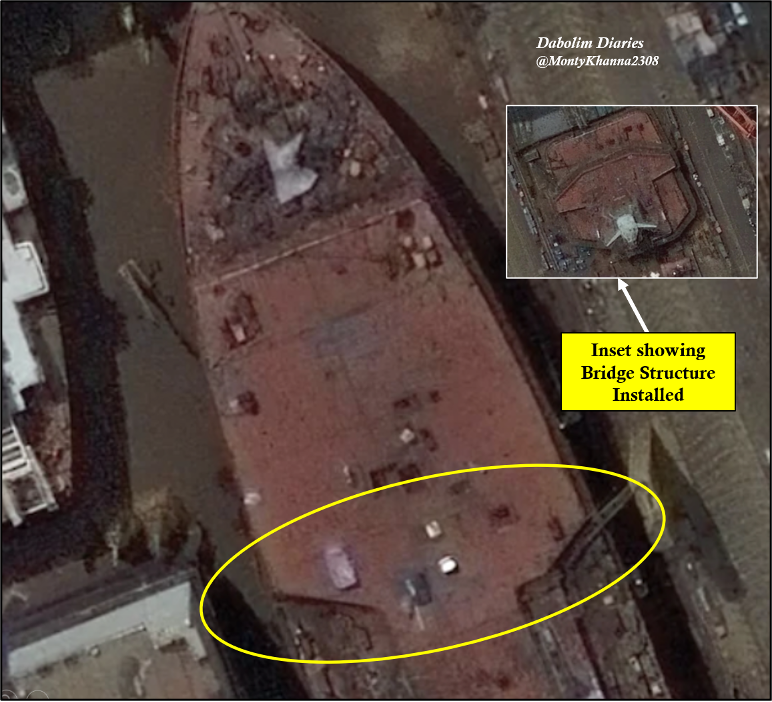 Fig 16: Asymmetric Forward Superstructure of Type 90X
The vessel was launched sometime in early July 2026 and is expected to be commissioned by the end of the year.
Assessment
The PLA Navy is progressively taking to distant water operations as demonstrated by their forays in the South Pacific, circumnavigation of Australia, and continuous deployments in the Indian Ocean. Having a capable fleet of replenishment ships is key to sustain such deployments. This is particularly applicable to the PLA Navy as with the exceptions of Djibouti and Ream, they do not have bases which could be used as strong points for replenishment.
In the past, the PLAN has attempted to partially address the sustenance requirement through using commercial vessels for replenishing their ships. While maintaining such a capability has its advantages, routinely engaging in such a practice under peace-time conditions reduces the distinction between grey hulls and commercial ships. In due course, countries may apply the same degree of scrutiny and advance notification for port entry of vessels engaged in such operations as applicable to warships.
With three classes of oilers of vastly differing sizes and capabilities in their inventory, the PLA Navy is well placed to tailor the composition of their task forces. That being said, if the PLA Navy adopts nuclear propulsion as a standard fit for aircraft carriers commencing with the Type 004, the requirement for oilers of the dimensions and capabilities of the Type 90X would diminish.


Leave a Reply
Want to join the discussion?Feel free to contribute!