
Rear Admiral Monty Khanna (Retd) – ‘Dabolim Diaries’ Issue No 24 dated 08 Jun 2026
New Sail-less Submarine
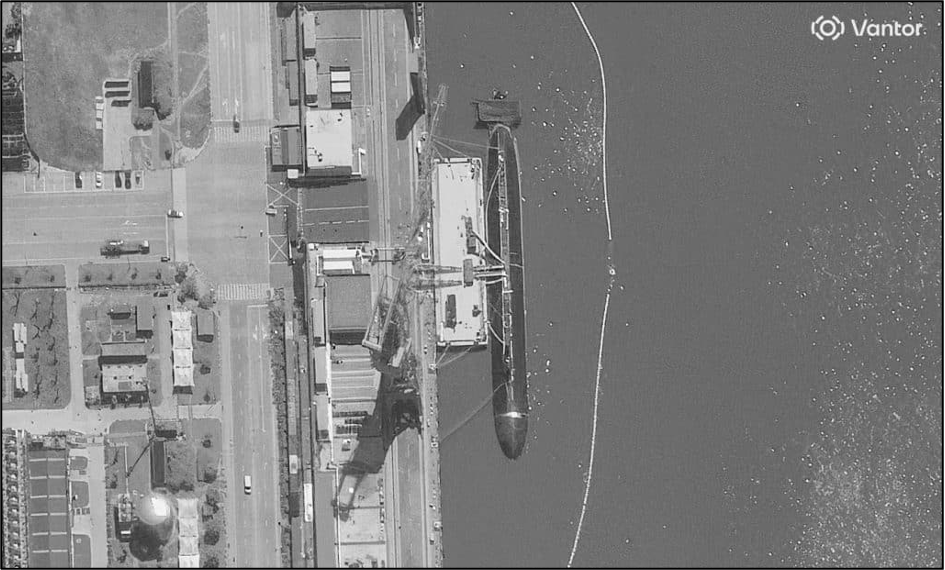
Recently released images dated 29 May 2026 shows a new sail-less submarine docked at the wet basin in JNCX at the berth that was occupied by the aircraft carrier Fujian for its fitting out. Much has already been written about sail-less submarines and the advantages and disadvantages of adopting such a design. The purpose of this brief, however, is to focus on the submarine building capabilities of the yard i.e. Jiangnan Changxing, at which the submarine was built.
Fig 1: Satellite Image of New Sail-Less Submarine at JNCX dated 29 May 2026
Facts related to the sail-less submarine that are relevant to this brief are its dimensions, which are reported to be 120 m in length and about 10 to 11 m wide (beam). A computer-generated image is shown in Fig 2.
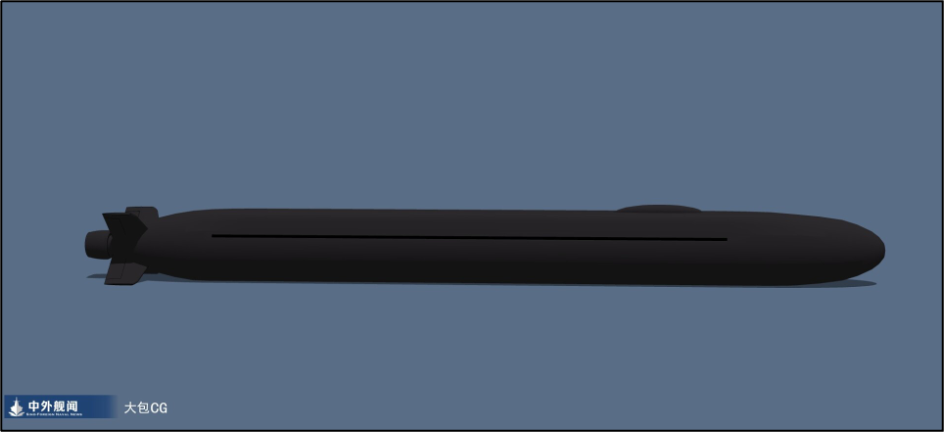 Fig 2: Computer Generated Image of Sail-Less Submarine
Existing Submarine Construction Facilities at JNCX
JNCX is not new to the submarine building business. Even at its previous location on the western banks of the Huangpu River, it was engaged in the building of Romeo, Ming and Song class submarines. Once the yard shifted to its current location on Changxing island in 2008, new facilities were created to continue this enterprise. The preferred option for the construction of submarines is an enclosed Final Assembly Hall (FAH) that is protected from the vagaries of weather and caters for a degree of climate control that may be required for specialized welding operations. The yard therefore built such a facility at the northern edge of the pontoon assisted launch basin that permitted it to use this arrangement (along with ships constructed in the adjacent sheds) for launch of completed vessels. Once launched, submarines are normally berthed alongside a long and wide pontoon on the northern wall of the wet basin for further outfitting. Both these locations are shown in Fig 3.
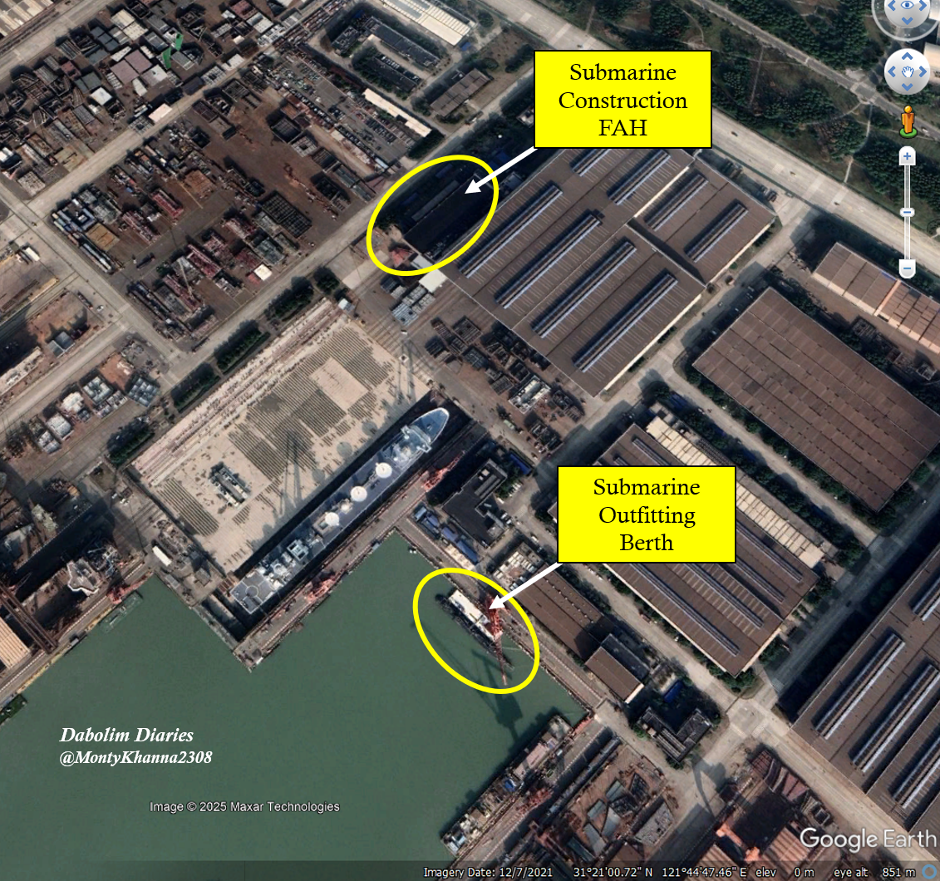 Fig 3: Existing Submarine Construction Facilities at JNCX
Limitations of Existing Facilities
The primary constraint in the submarine construction facilities described above is the size of the FAH which is just 90 m long and 23 m wide (Fig 4). This caters for only one Yuan Class sized boat (length 78 m) to be built here at a time. It also precludes the construction of boats above a length of approximately 80 m.
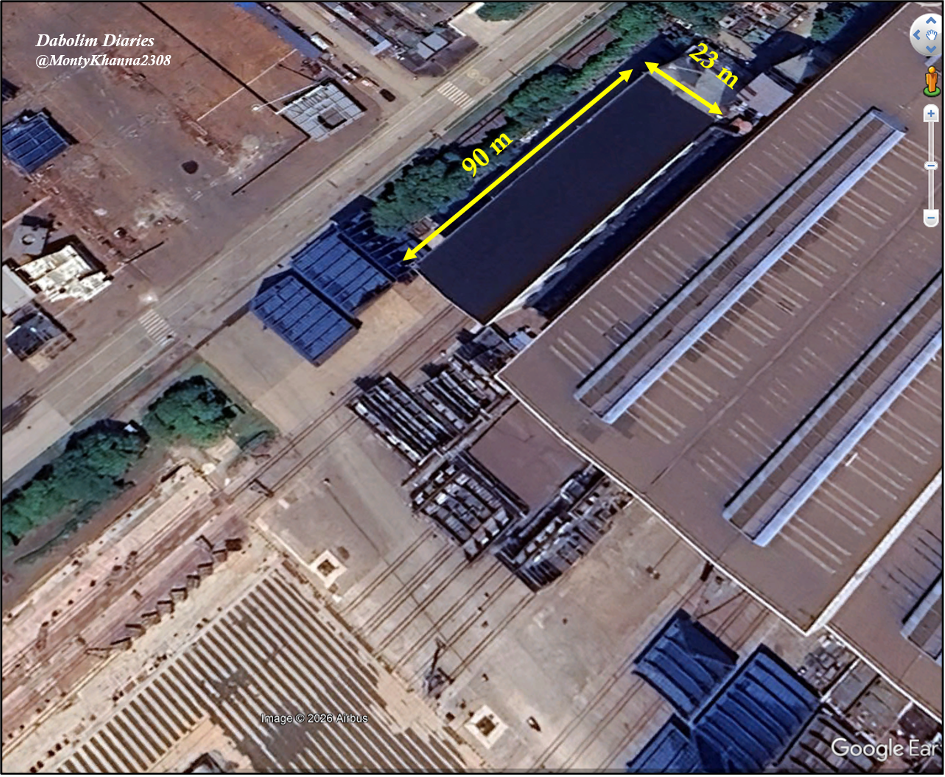
Fig 4: Submarine FAH at JNCX
This constraint is reflected in the relatively low rate of construction of submarines by JNCX when compared to Wuchang Shipbuilding Industry Group Company Ltd (WSIL) in Wuhan where construction capabilities have been considerably augmented at the Shuangliu Base (Fig 5).
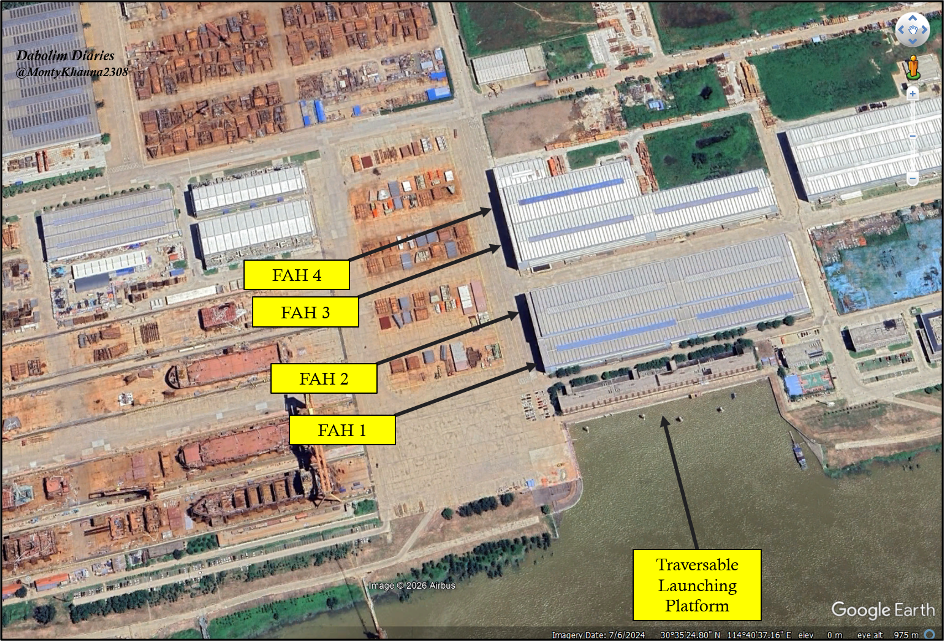 Fig 5: Submarine Construction Facilities at Shuangliu Base of WSIL
Expansion of JNCX
JNCX underwent significant expansion over the years 2017 to 2020. This included the dredging of a new large wet-basin with associated vessel construction and outfitting facilities. The vessel construction sheds to the north of the basin include vessel transfer rails that allow constructed ships to be rolled out onto a submergible pontoon, which is used as a means of launching them (Fig 6).
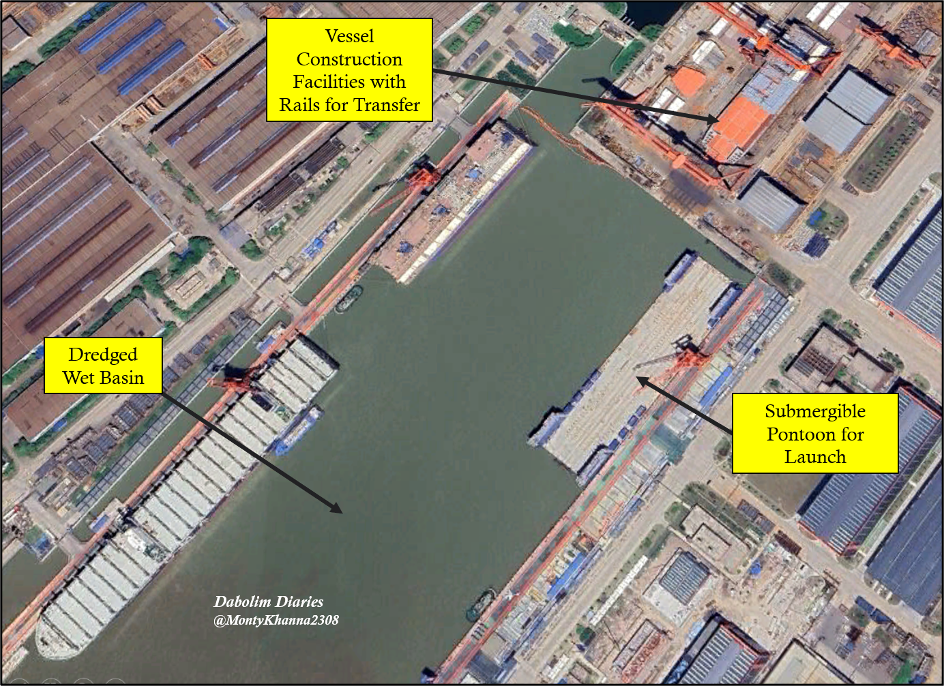 Fig 6: New Facilities Created at JNCX Between 2017 and 2020
As a part of further expansion of ship building facilities at JNCX, construction of a new shed at the South Eastern end of the Wet Basin commenced in 2023 (Fig 7).
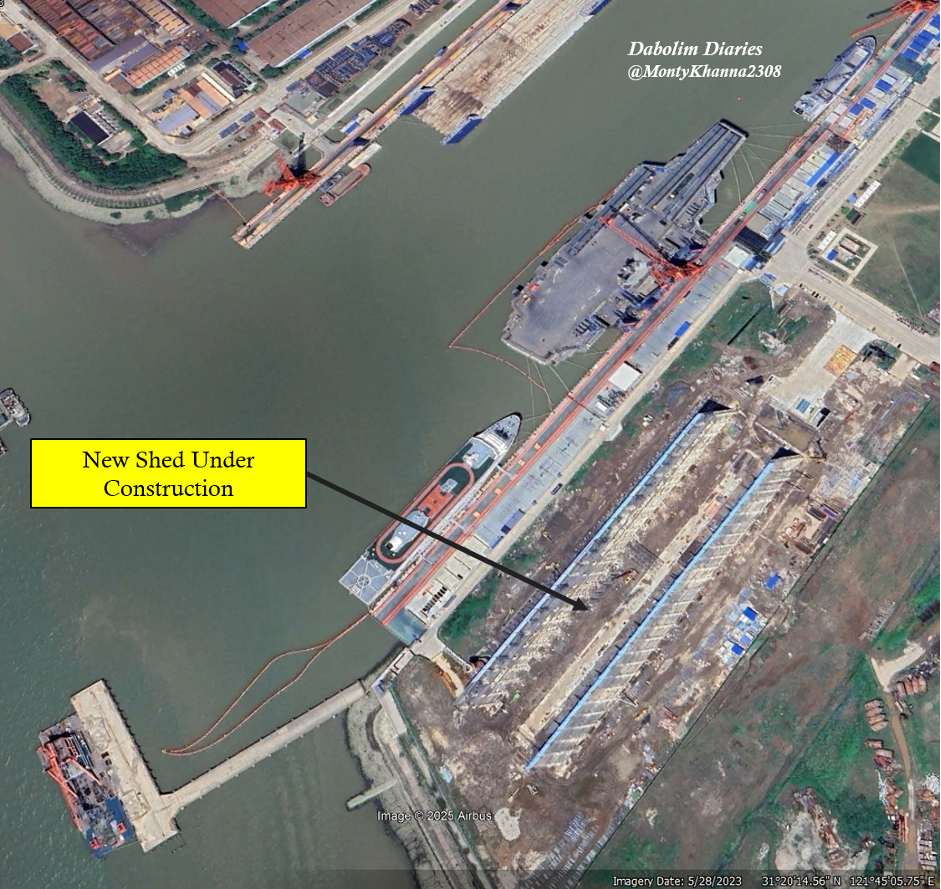 Fig 7: New Shed Under Construction at JNCX
This was completed in 2024 and is assessed to be a new FAH for the construction of submarines. Its dimensions are 330 x 68 m (Fig 8).
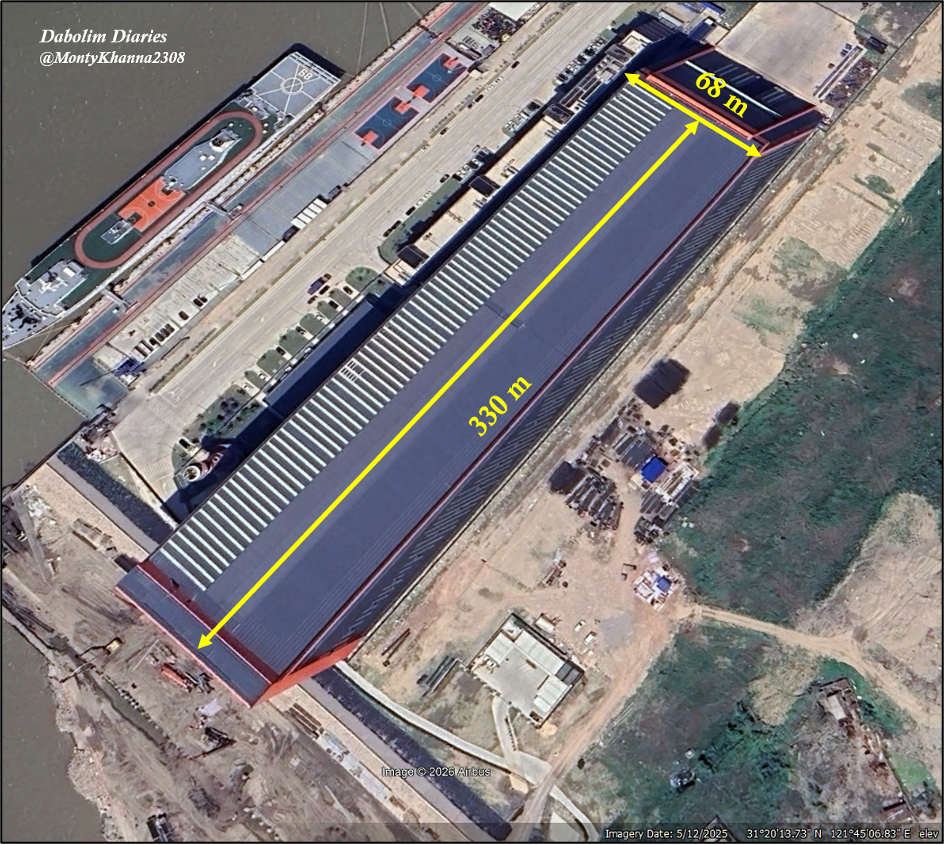 Fig 8: Completed FAH for Submarine Construction
The southern doors of this shed face the Yangtse river. It has a cemented hard with two sets of rails spaced apart by 28 m emerging from it. Satellite imagery showing this arrangement (Fig 9) is dated 08 May 2024. Subsequent to this date, dredging of the area south of the shed has been completed. This allows the submergible launching pontoon shown in Fig 6 to berth at the edge of the hard thereby allowing vessels constructed within the new FAH to be directly rolled onto it for launch.
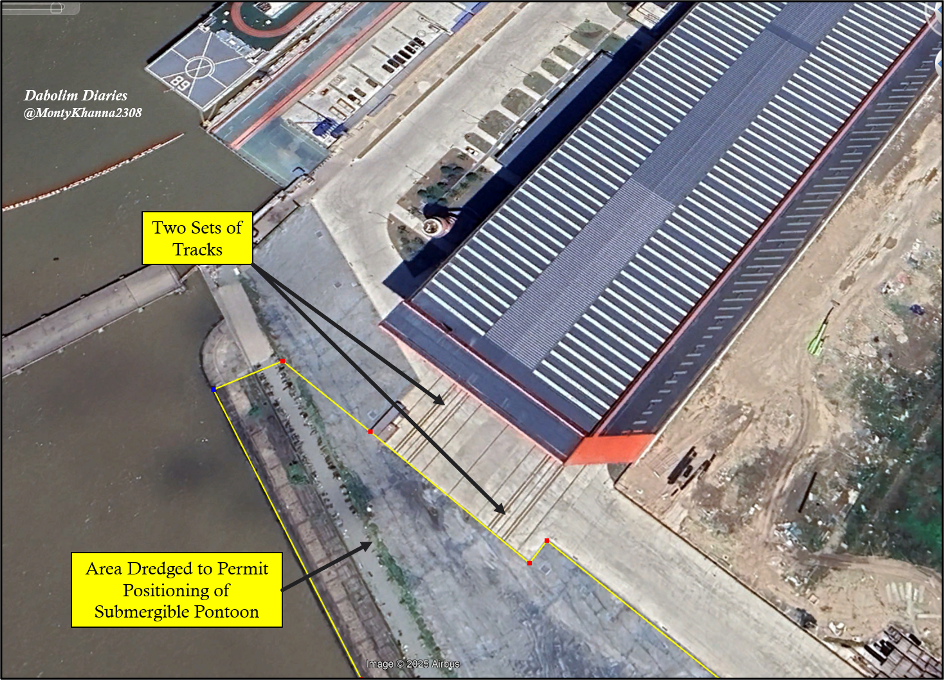 Fig 9: Southern End of New FAH with Two Sets of Tracks for Rolling Out Submarines
The layout of ship transfer trollies on the submergible pontoon as shown in imagery dated 29 May 26 (Fig 10) lend credence to the fact that this FAH was used for the construction of the 120 m long sail-less submarines and the submersible pontoon was the means of launch.
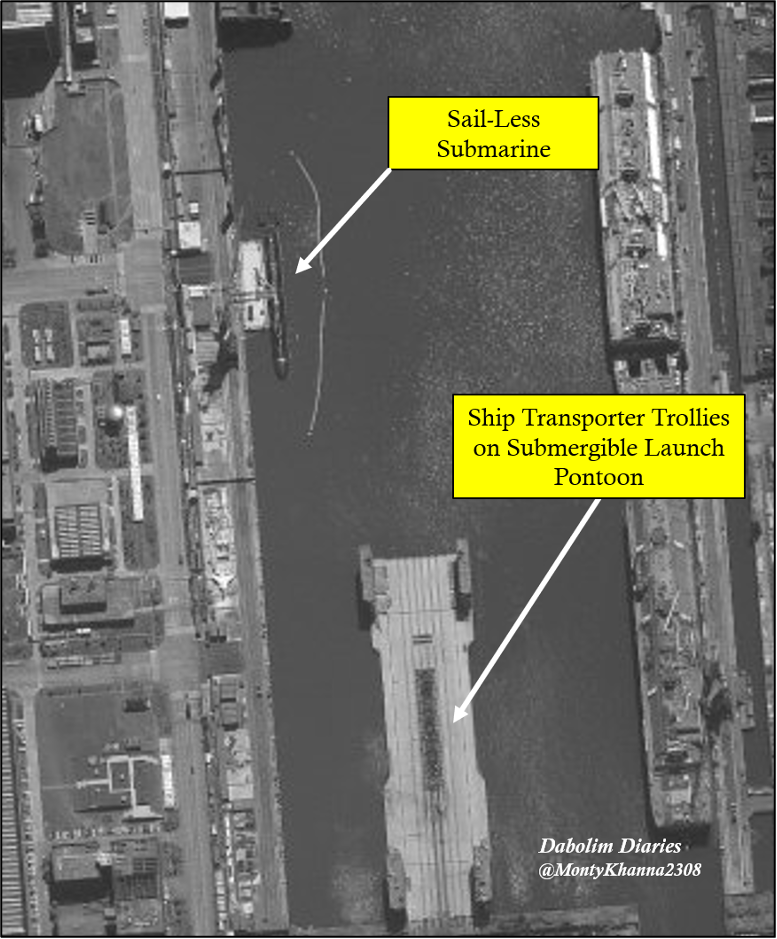 Fig 10: Ship Transporter Trollies on Submergible Launch Pontoon
Propulsion Mode of Sail-Less Submarine
Given the large dimensions of this submarine, there is speculation that it may be nuclear powered. This, however, seems unlikely due to the following reasons: –
- JNCX has not built any nuclear-powered vessels hitherto.
- Given the enormous nuclear submarine construction facilities created at Bohai Shipyard in Huludao, it is unlikely that there exists a requirement to augment these at this juncture.
- Facilities for building nuclear powered surface vessels have recently been set up at Dalian Shipyard to support the construction of a nuclear-powered aircraft carrier. Setting up such facilities is an expensive process and it would appear illogical to do so at yet another shipyard.
- Sail-less submarines tend to signify either unmanned or minimally manned operations. Nuclear propulsion has not evolved to a point to support reliable autonomous functioning.
- The short time between completion of the FAH and the roll out of the first submarine (less than two years) makes it highly unlikely that the platform is nuclear powered, as the time taken to construct such vessels is generally far longer.
Assessment
The newly constructed FAH at JNCX supports four building bays with sufficient space in between them to facilitate the rolling-in of sections constructed in other halls (as assessed by the wide spacing between the two sets of rails emerging from the FAH onto the hard). This is a significant capable upgrade for the yard as well as for China’s conventional building capabilities overall. Once fully functional, the throughput of JNCX built submarines will match if not exceed that of WSIL. It is also indicative of the PLA Navy’s continued stress on augmenting its submarine fleet (conventional and nuclear) in the shortest possible time-frame.
With regards to submarine design capabilities, this vessel endorses an earlier assessment made in Brief No 23 (related to the Type 076 LPD) that the capabilities of Chinese ship/submarine designers have matured to a point that they no longer feel constrained in making iterative improvements to proven designs but are willing to push boundaries in relative untested waters.


Leave a Reply
Want to join the discussion?Feel free to contribute!