
Abstract
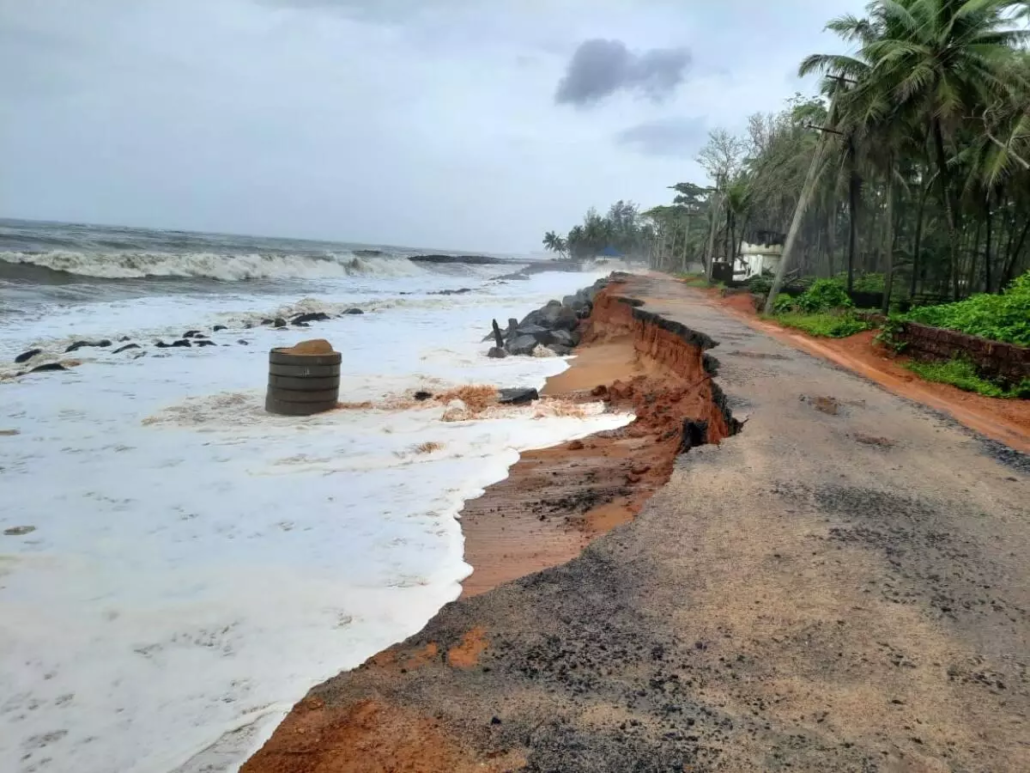
Coastal erosion is now widely recognised as a significant global issue due to its adverse impacts on critical infrastructure, beach erosion, and the degradation of wetlands. These effects, in turn, have consequential implications for coastal communities and economies worldwide. This concern is particularly noteworthy given that a substantial majority, approximately 84%, of the world’s nations have coastlines that interface with open oceans, inland seas, or both. This paper aims to analyse current global trends in coastal erosion and explore region-specific protection measures. It will evaluate the effectiveness of existing mitigation measures and identify best practices from diverse geographical contexts. Moreover, the paper will assess the potential applicability of these practices in India’s specific context. Through comparative analyses, management strategies will be identified to enhance resilience and sustainability along India’s coastlines, which are grappling with significant erosion challenges.
Keywords: Coastal Erosion, Vulnerability of Coastal Community, India’s Coastline, Ecosystem-based Adaptation, Hard Infrastructure, Retreat, Accommodation, hybrid measures
***
The Earth boasts an extensive coastal line, where the interface between land and sea dominates its geographic features, distinguished by its expansive aqueous expanse of 361.13 million sq. km, constituting approximately 71% of its total surface area, juxtaposed against the remaining 29% of (148.94 million sq km) terrestrial terrain. The intricate interplay between these elemental domains unfolds along the vast expanse of the coastline, extending over an impressive 1,634,701 kilometres.[1] Remarkably, 84% of the world’s nations possess coastlines that interface with open oceans, inland seas, or both, thereby underscoring the pervasive presence and significance of coastal environments on a global scale. These coastal areas are home to over 40% of the world’s population and support diverse ecosystems that provide numerous valuable services.[2] Coastal zones have consistently attracted human settlement and activity owing to their abundant amenities, aesthetic appeal, and diverse ecosystem services. Consequently, these areas have witnessed significant population growth and development globally.
Despite their allure, coastlines present dynamic landscapes, posing both intriguing scientific questions and complex management challenges. One such challenge is the escalating issue of coastal erosion, which affects over 75% of the world’s coastlines.[3] Coastal erosion, characterised by the gradual loss of land adjacent to water bodies, results in long-term changes that are often challenging to reverse. Defined as “the rate of change in the position of horizontal displacement of land surfaces, beachfronts, shoreline, or dunes over time,”[4] coastal erosion is driven by a multitude of interconnected factors. It stems from the relentless forces exerted by waves and currents, although it can also be influenced by mass wasting processes on slopes and land subsidence. Moreover, extreme weather events like coastal storms, surges, heavy rainfall, and flooding frequently trigger significant episodes of coastal erosion.[5] Similarly, tsunamis and sea-level rise can exacerbate erosion due to the intensification of waves and currents, which can, during inundation events, reach previously unaffected landforms. Notably, over half of the world’s 513 cities with populations exceeding one million in 2015 were located within 100 km of a coastline.[6] Therefore, these changes pose threats to buildings, infrastructure, people, and natural ecosystems — such as salt marshes, mangroves, and coral reefs— that provide valuable ecosystem services and benefits. These services encompass protection from erosion, improvements in water-quality, , benefits to recreation and tourism, and fish production. The loss of natural coastal protection features such as dunes, mangroves, and coral, exposes proximate areas to water and wave damage, leading to the destabilisation of land and harm to communities. Furthermore, human activities such as the exploitation of coastal resources, concentration of populations, settlements, socio-economic endeavours, and alterations to sediment dynamics exacerbates coastal erosion and worsens its impact on economic and environmental activities. These impacts include the loss of homes, lives, and livelihoods, human displacement, disruptions to economic sectors, increased water insecurity, and disruptions to key infrastructure like transportation and communication.
This paper aims to highlight prevailing global trends in coastal erosion and examine region-specific protection measures against coastal erosion. Through comparative analyses, it will discuss the effectiveness of existing mitigation measures and identify best practices from a variety of geographical contexts. The paper will, of course, focus on evaluating the potential applicability of these practices in the specific context of India.
Global Coastal Erosion Trends
At the global level, coastal erosion presents a formidable challenge across several regions, each with its own distinct patterns and consequences. From 1984 to 2015, global coastal erosion resulted in the loss of 28,000 square kilometres of permeant land.[7] This net loss of land translates into a reduction of approximately 14,000 square kilometres of surface area available for human settlements and terrestrial ecosystems. Notable regions experiencing substantial changes in coastal dynamics include the Caspian Sea, with an average net cross-shore land-loss of approximately 600 metres. South Asia follows closely with an average land erosion of 158 metres. Additionally, Pacific Asia, Southern America, Eastern Africa, and Western Australia demonstrate average cross-shore erosion exceeding 50 metres.[8] Regions facing extreme levels of coastal erosion, such as the Mekong River delta, the Indus River delta, Small Island Developing States (SIDS), and the Gulf of Mexico, among others, are discussed in the succeeding paragraphs.
Mekong River Delta. From 2016 to 2020, the Mekong River delta in Vietnam experienced significant erosion, totalling 2307 hectares along the coastline.[9] Cai Be faced erosion across 2.1 kilometres, requiring repairs costing approximately 27.7 billion VND (about 1.2 million USD).[10] Additionally, serious erosion threatens the beach of Cua Dai in Quang Nam Province, with an estimated 20% expected to disappear soon.[11]
Indus River Delta. Moving to the Indus River Delta in Pakistan, continuous coastal erosion from 1972 to 2017 has led to significant landward movement and flooding of floodplain areas.[12] This erosion has degraded approximately 42,607 hectares of land due to seawater intrusion, with 31,656 hectares now submerged and 10,951 hectares having been converted into a floodplain.[13] The left bank’s floodplain area is approximately 4,208 square kilometres, double that of the right bank (at 2,220 square kilometres), and projections suggest further loss by 2050.[14]
Gulf of Mexico. The Gulf of Mexico region,[15] encompassing states such as Florida, Mississippi, Alabama, Louisiana, and Texas, confronts significant coastal erosion, especially along the Louisiana Gulf coast.[16] Louisiana has experienced the highest rate of wetland loss in the US, accounting for 80% of the nation’s coastal wetland loss since 1932, amounting to approximately 1,900 square miles.[17] Despite efforts to combat erosion, wetlands continue to disappear. Natural habitats such as oyster reefs and marshes that protected the Gulf Coast, have been significantly eroded, leaving maritime infrastructure vulnerable to damage.
Yellow River Delta. Similar challenges are observed in China, where significant land loss along coastlines has occurred since the 1990s, with approximately 22% of coastlines eroded. The Yellow River Delta has experienced notable retreat, with the mangrove coastline in Fangchenggang City eroding by 4 km over the past three decades.[18]
West Coast of South Africa. South Africa’s western coast, too, experienced significant erosion, leading to the disappearance of vast portions of beaches that have been submerged into the Atlantic Ocean.[19] Studies show that 95% of the beach has experienced erosion, with an average loss of 38 metres. The most severely eroded area is 6 km north of Ysterfontein, where the shore is 100 m closer to the dunes compared to a century ago. Scientists predict that the ocean could reach the foot of the dune by 2040.[20]
European Union. The European Union has also witnessed the loss of land that has considerable economic and ecological importance. Coastal areas such as De Haan, Sylt, Mamaia, Vecchia Pineta, Giardini Naxos, Sable d’Olonnes, Ghajn Tuffieha, Essex, and Haute-Normandy, are all grappling with erosion. Furthermore, ecologically significant sites such as Scharhoern Island, located along the Elbe estuary, are facing similar challenges.[21]
India and Bangladesh. Bangladesh’s coastline also loses 34 square kilometres of land annually, which may increase further with sea level rise.[22] In India, as well, between 1990 and 2018, some 33.6% of India’s coastline was vulnerable to erosion, posing severe threats to land, habitats, and the livelihood of fishermen. Essential spaces for activities like boat berthing and fishing operations are at risk due to this coastal retreat.[23]
Small Island Developing States (SIDS). Small Island Developing States (SIDS) face escalating coastal erosion challenges, which are further compounded by extreme weather events such as storm surges, coastal flooding, and sea level rise linked to global warming. Current estimates suggest around 118,000 inhabitants of SIDS are exposed to coastal floods,[24] a number projected to exceed one million by 2070. Sea-level rise has already caused substantial damage on infrastructure and habitats in regions such as the Solomon Islands, where 50% of houses have been lost due to erosion.[25] Projections indicate further sea-level rises by 2050, 2080, and 2100, posing severe consequences for coastal communities of SIDS in terms of erosion.[26]
It is clear that coastal erosion presents a complex and multifaceted challenge globally, requiring coordinated efforts to address its impacts on communities, economies, and ecosystems.
Protection against Coastal Erosion: An Assessment of Adaptation Measures. Adaptation measures in respect of coastal erosion have grown drastically over the past 30 years in parallel with the increasingly obvious impact of erosion across the coastal stretches of the world. In 1990, the IPCC Coastal Zone Management Sub-group report discussed the three main types of adaptation response to coastal climate change, namely, “retreat”, “accommodate”, and “protect” (with “protection” being further categorised into “hard” and “soft” protection).[27] More recently, additional categories, terminologies, and distinctions have been added such as “no action”, ‘advance”, “ecosystem-based adaptation”, and ‘‘hybrid measures”. Table 1 illustrates some of the various measures undertaken by countries worldwide to combat coastal erosion, categorised into hard structures, soft measures, and ecosystem-based approaches.
| Country | Hard Structures | Soft Measures | Ecosystem-Based Solutions | Remarks |
| Vietnam | Concrete sea dykes, revetments | Beach nourishment, dune creation, sandbags | Mangrove reforestation, submerged biomass such as seagrass, macro-algae, coral reefs, etc. | |
| Pakistan | Migration, seawalls, dikes | Mangrove conservation, Living Indus Initiatives | Mangrove restoration | Forced Retreat |
| SIDS | ||||
| Antigua and Barbuda | Seawalls, revetments, groynes | Reef and mangrove conservation | Mangrove regeneration, coral reef protection | |
| Bahamas | Seawalls, raised dock height | Beach nourishment, sand dune restoration | Mangrove restoration, coral reef preservation | |
| Barbados | Revetments, groynes, breakwaters | Beach improvement, dune restoration | Dune stabilization, mangrove rehabilitation | |
| Belize | Hard structures, beach nourishment | Mangrove restoration, gradual retreat | Mangrove conservation, sedimentation support | |
| Dominica | Gabion baskets, sea defences | Traditional methods (e.g., coconut-leaf walls) | mangrove protection | Hybrid measures |
| Guyana | Concrete coastal structures, earth embankments, Dike | sand ridge protection | mangrove planting | |
| Jamaica | Revetments, groynes | Mangrove regeneration | Beach nourishment, coral replanting | |
| St Kitts & Nevis | Seawalls, breakwaters | Habitat restoration, no-regret measures | Coastal protection structures, elevated buildings | |
| St Lucia | Beach replenishment, sea defences | Natural defences (e.g., mangroves, corals) | Mangrove protection, coral reef preservation | |
| St Vincent & Grenadines | Seawalls | Natural defences (e.g., dunes) | Dune stabilization, reef preservation | |
| Suriname | Polders, clay dams | Mud bank nourishment, mangrove restoration | Mud bank management, mangrove rehabilitation | |
| Trinidad & Tobago | Seawalls, breakwaters | Coral reef protection, mangrove conservation | Mangrove rehabilitation, coastal ecosystem protection | |
| Pacific (15 SIDS) | ||||
| Cook Island | Seawalls, raised houses | Coral replanting, Coastal Protection Energy Dissipater (COPED) | Coastal protection measures, reef rehabilitation | |
| Fiji | Seawalls | Beach nourishment | Mangrove restoration, coral replanting, coastal vegetation planting | |
| Kiribati | Seawalls | Mangrove replanting | Mangrove rehabilitation, coastal protection | |
| Marshall Is | Protective structures, temporary beach rock, Elevated homes, raised coral islands | Beach nourishment, | erosion defence, elevated structures | retreat |
| Micronesia | Seawalls, coral rubble banks | Mangrove rehabilitation | Re-vegetation, elevated homes | |
| United States | Sea walls, breakwaters, reef balls | Living shorelines, oyster reef restoration, beach nourishment, reef balls | Oyster reef restoration, living shorelines (marshes, reefs), Coastal Resilience 2.0 (oyster reef restoration, ecosystem preservation), Emerald Tutu | Hybrid |
| Netherlands | Dyke improvements, river widening, multifunctional dykes, retention areas, raise and strengthening dykes | Regarding river widening, lowering floodplain | Multifunctional dykes, wide green dykes, dykes for overtopping
Construction of secondary or flood channels, dyke relocation and the use of retention areas |
hybrid |
|
Table 1: Protection of Coastal Protection Measures Source: Compiled by the Author |
||||
Hard Stabilisation.
Historically, coastal protection strategies have predominantly involved the fortification of coastal lines through the implementation of physical infrastructure, commonly referred to as “hardening.” This approach encompasses the construction of engineered structures such as seawalls, dykes, breakwaters, groynes, and revetments, among others. These structures are fabricated using a diverse range of materials, including boulder revetments, concrete, steel, wooden bulkheads, gabions, and sandbags. These installations are designed to impede the longshore movement of sand and thereby mitigate coastal erosion. Over time, advances in engineering techniques and materials have significantly improved the design and construction of sea walls, rendering them more robust and adaptable to evolving coastal dynamics. Typically, these structures provide the highest level of protection for designated assets and their functional lifetimes can range from 50 to 200 years.[28]
Despite their robustness, however, the construction of sea walls entails considerable costs, necessitating trade-offs and accepting associated side-effects. These rigid defences disrupt natural sediment transport processes, resulting in erosion downstream and the loss of crucial habitats such as beaches and dunes, and destroy habitats, leading to a decline in biodiversity and the marine life dependent on these areas.[29] Many countries, including those bordering the Gulf of Mexico, Vietnam, Sri Lanka, Indonesia, Thailand, and others, have implemented hard defence structures and experienced similar cases of erosion despite these measures.[30] The construction of large-scale coastal defence structures, such as colossal breakwaters and concrete walls, has also been a common method to protect against sea surges.
However, relying solely on these hard structural measures is impractical and can lead to maladaptation. Quite apart from the fact that they require substantial capital investment as well as ongoing maintenance, and can disrupt ecosystems, they may create a false sense of security and encourage development in high-risk areas, thereby exacerbating vulnerability. Unplanned construction of harbours and deep-water ports can worsen erosion and property damage during storm surges. For example, in Pakistan, the unplanned construction of harbours, notably observed in areas like Damb and Pasni, worsens erosion during storm surges, leading to significant property damage. Similarly, development projects for deep-water ports, such as Gwadar East Bay, also contribute to erosion due to wave refraction and construction-related activities.[31]
Soft Measures/ Non-Structural Coastline Protection
In response to the numerous challenges associated with flood and erosion control structures, there has been a notable shift in recent years towards non-structural shore stabilisation techniques, such as beach nourishment, stabilising dunes with fences and vegetation, creating or restoring wetlands, protecting, nourishing, or constructing dunes, etc. “Beach nourishment” has become the most commonly employed response to erosion today, largely due to the negative aspects of hard stabilisation. It involves adding sand to widen beaches, often dredged from adjoining areas or brought in by trucks. Although nourished beaches adapt naturally to the ocean, they require frequent replenishment (every three to four years) and have a limited functional lifespan of between one and ten years. This process has been repeated over 20 times in places like Carolina Beach, North Carolina since its first beach nourishment project.[32] Moreover, beach nourishment has negative impacts on ecosystems and water quality and poses governance challenges, including compliance issues and conflicts with short-term development goals.
Ecosystem-based Approach (EbA)
Soft measures, particularly the ecosystem-based approach, are increasingly gaining popularity across the world. Despite nature being the provider, protector, and regulator since time immemorial, it was not until the Millennium Development Goals, and notably the Millennium Ecosystem Assessment (MA 05) in 2001, that a report on the state of the world’s ecosystems finally established a functional link between biodiversity, health, and human well-being.[33] With this recognition, countries across the world began conserving, protecting, and restoring nature and natural ecosystem as a natural defence system against extreme weather events, hazards, and sea level rise. Now EbA appears more regularly than engineered interventions, both in general and across all income groups, especially in developing and least developing countries. A total of 76% of all Nationally Determined Contributions (NDCs) with adaptation components refer to at least one Nature-based Solution (NbS). Of these, over half (53%) have mentioned NbS in the context of three or more distinct types of ecosystems.[34] EbA measures such as coral reefs, mangrove forests, and salt marshes have proven effective in protecting communities and infrastructure from the impacts of climate change while offering numerous co-benefits. Specifically, in Small Island Developing States (SIDS), as also in States of Southeast- and South Asia, EbA and NbA strategies are centred upon the leveraging of protective services of coral reef and mangrove systems. Coral reefs serve to dissipate waves and safeguard coastal erosion, whereas mangroves mitigate inland flooding and minimise the impact of strong winds during storms. Many low-income and middle-income countries, including numerous SIDS, have shown a preference for NbS and EbA approaches over engineered interventions, largely due to the lower costs of the former, and the attendant beneficial economic spin-offs in sectors such as tourism and fisheries, and a broader aspiration to transition to a sustainable “blue economy.”
Apart from the mangrove forest ecosystem, an innovative solution has been adopted by East Boston, Massachusetts, called the “Emerald Tutu” (the latter word being the name of the stiff, frilly skirt worn by ballerinas). This approach involves a biomass-based coastal protection infrastructure designed for urban areas. As shown in Figure 1, “emerald tutus” comprise a floating network of interconnected, anchored massive organic growing modules that effusively dampen wave energy, reduces flooding, storm damage, and erosion along the shore, while simultaneously improving nearshore water quality. These biomass modules are seeded with marsh grass on the surface and harbour a variety of seaweeds below the waterline, increasing mass and frictional surface area providing habitat for diverse marine life. Functioning as a marsh-like structure, the Emerald Tutu dissipates the strength of storm swells in coastal areas and contributes to carbon dioxide and pollutants absorption from the atmosphere and sea. Additionally, it introduces progressive social values in landscaping practices.[35]
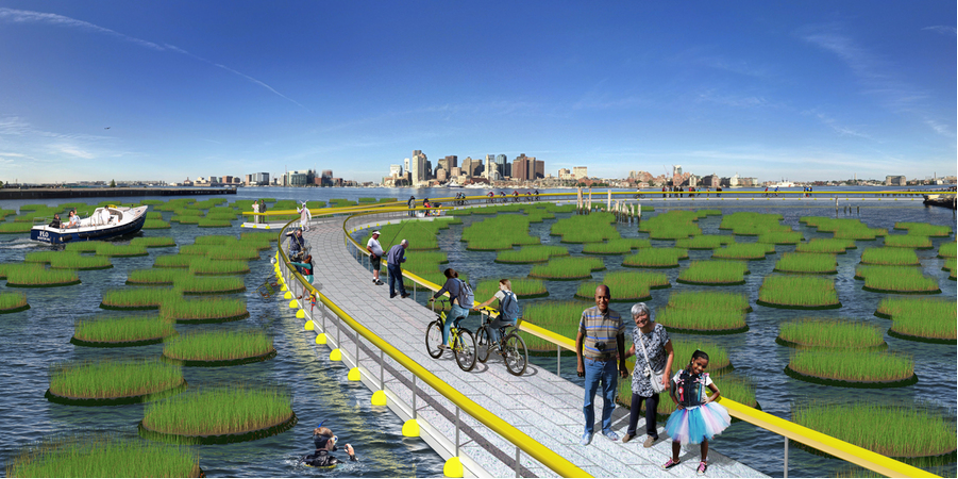
Fig 1: Photomontage of the Emerald Tutu Project in Boston
Source: MIT News, https://news.mit.edu/2020/emerald-tutu-design-wins-nsf-grant-protect-boston-coastline-0903
“Accommodation” Strategies
“Accommodation” primarily involves the physical raising of buildings or structures to mitigate coastal erosion and flood risks. These are traditionally practised in the Cook Islands, Belize, and Guyana. In Singapore, the focus is on raising the level of reclaimed land and studying long-term protection strategies. Papua New Guinea employs elevated buildings and raised houses to mitigate climate change impacts on high volcanic islands, atolls, raised atolls, cays, coral reefs, and beach forests. The Marshall Islands has adopted elevated structures, created homes for atolls, and raised coral islands, coral reefs, beaches, beach rock, and mangroves. The Netherlands’ Delta program involves dyke improvements, which raise and/or strengthen dykes, alongside river widening, constructing secondary or flood channels, dyke relocation, and the use of retention areas. However, the implementation of such measures depends heavily upon resource availability and responsibility, whether at the individual or government level. Household-level adaptation depends upon factors such as awareness, perceived responsibility, and available resources. The lifespan of these raised structures hinges upon their design and projected rates of future sea level rise.
“Retreat” from High-risk Areas
As an adaptation strategy, “Retreat” involves strategically and permanently relocating settlements, households, infrastructure, and activities from hazardous locations to safer ones. This measure is commonly adopted in low-lying coastal zones susceptible to sea level rise, storm surges, and inland areas prone to river floods and erosion exacerbated by climate change. Relocating assets away from hazard-prone areas enhances citizen safety and protects goods. Additionally, it creates space for nature to expand, promoting coastal ecosystem restoration. In Europe, successful retreat and relocation measures are evident. For instance, in southwestern France, a road in Sète and Marseillan was moved inland to counter erosion threats, enabling the reconstruction of a larger beach and dune system for enhanced protection.[36] Similarly, in Austria, the government organised a managed process of “retreat” along the Danube River, relocating over 500 households. Compensation covering 80% of the building’s value and demolition costs was offered, although vulnerable groups living in less highly valued assets were disadvantaged by this mechanism.[37]
In extreme cases, particularly in SIDS that are challenged by erosion and inundation exacerbated by sea-level rise and extreme weather events such as cyclones and flooding, migration becomes a necessary adaptive measure. However, adaptation by way of human migration is certainly not limited to SIDS. For instance, significant erosion along the Western Indus Delta coastline in Sindh has forced local communities in areas like Shah Bundar, Jati, Khar Chann, Keti Bundar, and Ghorabari, to migrate as a crucial adaptive response.[38] By 2019, approximately 1.2 million people from the coastal areas of the province of Sindh in Pakistan had been displaced by erosion, compelling them to migrate to Karachi.[39] Sea-level rise has led to the loss of nearly 50% of the houses in Nantambu, Solomon Islands, leading residents to migrate.[40] Similarly, in Vietnam, there are 751 eroded areas totalling 976 km in length, with around 20,000 households in the cities of Can Tho and the provinces of Dong Thap, An Giang, Vinh Long and Ca Mau residing in erosion-prone areas, necessitating relocation to safer regions.[41] In response to such challenges, the Maldives has initiated an ambitious project to construct the world’s first floating city, offering citizens refuge from losing their lands and homes. Furthermore, Kiribati is implementing a “migrating with dignity” policy, empowering its citizens with the necessary resources and legal framework to relocate to countries like Australia and New Zealand, where they can secure employment opportunities. This proactive approach aims to safeguard the well-being and security of Kiribati’s population amidst the imminent threats posed by climate change.
Due to their small size, limited land, and low-lying nature, many SIDS face challenges in adopting “retreat” strategies. For instance, total population removal is considered an option of last resort in places like Papua New Guinea, and is reserved for worst-case sea level rise scenarios, as seen in the Marshall Islands. “Managed retreat” is prioritized in Guyana, while Belize considers “gradual retreat” to be a viable long-term option. Grenada, on the other hand, leans towards future abandonment and relocation in cases where the cost of protection work becomes excessive.
“Retreat” measures can be effective when combined with other protective measures, but planned “retreat” is often seen as a potentially irreversible option of last resort . There are serious concerns about the loss of property, cultural values and identity, livelihoods, and territorial integrity associated with retreat measures. Furthermore, the implementation of managed retreat necessitates meticulous coordination across various levels of governance, strict adherence to regulations and land-use plans, and seamless integration into broader spatial planning endeavours. Collaboration amongst stakeholders at local, national, and subnational tiers becomes imperative to navigate the intricate landscape of retreat and ensure the protection of vulnerable communities and ecosystems.
Hybrid Measures.
In many developed countries like the United States, “hybrid measures” are being increasingly adopted to provide robust and cost-effective protection against coastal erosion. One successful example is the use of “Living Shorelines”. The Mississippi-Alabama Sea Grant (MASGC), for instance, advocates the use of living shorelines as an alternative to bulkheads to address coastal erosion.[42] Bulkheads, while being a traditional option, can have adverse effects such as restricting water access for residents and wildlife, causing erosion of neighbouring properties, and disrupting coastal habitats. On the other hand, “living shorelines” utilise materials such as living plants and oyster shells, along with offshore breakwaters, to combat erosion. MASGC-funded scientists are actively assessing the efficacy of various types of living shorelines and developing tools to help individuals choose the most suitable option for their needs.
In Bangladesh, where annual floods relentlessly erode earthen dykes along the coast, the ECOBAS project (Eco-engineering in Bangladesh) offers a promising solution.[43] Supported by funding from the “Dutch Partners for Water” programme, this innovative initiative focuses on cultivating oysters to counteract the destructive forces of nature. Through a pilot project in southeast Bangladesh, the efficacy of oyster reefs is being tested. These reefs not only bolster sedimentation, safeguarding vulnerable coastlines from erosion, but also double as a sustainable food source. Oysters thrive within the semi-natural reefs formed on concrete block walls, offering a harmonious blend of environmental protection and economic opportunity for the region. “Living shorelines” offer several benefits, including maintaining natural coastal processes and coastal dynamics, creating, or preserving habitats for native aquatic flora and fauna, preserving access for aquatic and terrestrial organisms, maintaining land-to-water access for property owners, and offering cost-effective means of facilitating sediment accumulation. Moreover, “living shorelines” create a natural buffer to mitigate the effects of erosion, trap and retain runoff and pollutants, and contribute to improving water quality.
Arresting Coastal Erosion in India
The Government of India, too, recognises the severity of coastal erosion in its coastal states and territories and has taken several measures to address the issue. Regrettably, however, coastal protection primary relies upon hard infrastructure such as seawalls, groynes, and breakwaters. These are commonly encountered in states such as West Bengal, Kerala, Karnataka, Mumbai, Tamil Nadu, Goa, and Odisha.[44] More encouraging are the artificial beach nourishment techniques that have been deployed through sand bypass systems at ports such as Visakhapatnam and Paradip. The beach nourishment project initiated by the Puducherry government, utilising 300,000 cubic metres of material, has proven effective in combating erosion.[45] In some regions, hybrid measures combining hard infrastructure with softer materials or techniques have been adopted. For instance, seawalls reinforced with coir bags are used in Kerala, while seawalls reinforced with chains, used in Udwada and Valsad in Gujarat, demonstrate innovative approaches to coastal protection against coastal erosion.[46] Puducherry is employing hybrid measures by combining the construction of artificial reefs using steel structures with beach nourishment.[47]
The Central Water and Power Research Station (CWPRS), Pune, has a major role to play in coastal protection work in India. It is the nodal agency for the country’s Coastal Data Bank and conducts training programmes for various State Government Agencies. It has proposed a slew of innovative methods such as flexible gabion, Chain-O-Block (chains), concrete pipes, etc., using locally available material such as sand-filled rubberise coir bags for temporary protection. However, despite the prevalence of hard infrastructure, there have been fairly limited attempts to implement build-with-nature solutions, and to adopt ecosystem-based approaches, including mangrove forest restoration or other nature-based solutions.
In extreme cases of coastal erosion-induced displacement, the 15th Finance Commission has allocated 13.51 million US$ (INR 1000 crore) for the resettlement of displaced individuals affected by erosion include losses of land, shelter, and livelihoods, especially for vulnerable coastal communities from 2021 to 2026 under the National Disaster Response Fund (NDRF). Additionally, 202.70 million US$ (INR 1500 crore) has been earmarked for mitigation measures aimed at preventing river and coastal erosion during the same period, under the National Disaster Mitigation Fund (NDMF).[48]
Notably, the Ministry of Environment, Forest & Climate Change (MoEFCC) issued the Coastal Regulation Zone Notification, 2019[49], with the objective of balancing conservation efforts with livelihood security for coastal communities. Given that human developmental activities are amongst the causes of coastal erosion, it is imperative to focus efforts on regulating the coastal zone to achieve a balance between conservation and development. Ironically, however, this notification significantly reduced the No Development Zone (NDZ) from 200 metres to 50 meters from the High Tide Line (HTL) in densely populated areas, allowing construction of resorts, hotels, and tourism facilities right up to the HTL. Such decisions raise concerns, especially considering India’s vulnerability to coastal erosion and sea level rise, exacerbated by the high population density within the Low-Elevation Coastal Zone (LECZ).
Mitigating coastal erosion remains a critical challenge under this notification, especially given that previously, the Coastal Regulation Zone ‘One’ (CRZ)-1 encompassed the most ecologically sensitive areas, including mangroves, coral reefs, sand dunes, and intertidal zones. This designation rendered these areas off-limits for tourism activities and infrastructure development, with exceptions made only for defence, strategic, and rare public utility projects. However, the 2019 notification introduced further categorisation within CRZ-1, permitting “eco-tourism activities such as mangrove walks, tree huts, nature trails, etc.” in designated eco-sensitive areas, designated them “CRZ-IA”.
Unfortunately, these relaxed regulations may inadvertently facilitate the mining of the strategically important mineral sands, a significant contributor to erosion, particularly in coastal areas of Kollam, Alappuzha, and Ernakulam district of Kerala.[50] Additionally, activities such as sea links, salt harvesting, desalination plants, and roads on stilts are allowed in CRZ-IA. Controversially, land reclamation, which has known significant impacts on coastal ecology, has been sanctioned in intertidal or CRZ-IB areas for ports and sea links. Such increased development in coastal sensitive zones is likely to exacerbate erosion and have adverse impacts on the coastal ecosystem and communities.
Simultaneously, the recent draft amendment of the 2020 Environment Impact Assessment (EIA)[51] has proposed excluding local decision-makers and communities from the decision-making process, thereby disregarding, and marginalising their concerns and traditional environmental knowledge. Indigenous and resource-dependent communities possess invaluable insights into natural disasters and coping mechanisms. Excluding their participation results in the loss of essential knowledge about resources integral to their livelihoods. Such exclusionary policies not only display arrogance and condescension but also perpetuate structural inequalities within the socio-environmental system.
Conclusion
Coastal erosion poses a significant and multifaceted challenge to India’s coastal regions, leading to land loss, displacement of communities, and ecological degradation. The prevailing approach to coastal protection relies unduly upon hard infrastructure, which not only disrupts natural processes but also incurs substantial capital and maintenance costs. While soft measures offer temporary relief, they, too, come with their own set of challenges. Ecosystem-based approaches, such as the preservation of mangrove and coral reef ecosystems, hold great promise in mitigating erosion. However, their effectiveness is hindered by limitations such as difficulties in scaling up the measures, as also logistical complexities. Further, the Coastal Regulation Zone Notification of 2019 introduces regulatory concerns regarding the delicate balance between conservation imperatives and developmental aspirations. Success in implementing ecosystem-based adaptations depends on a range of factors, including geographical suitability and community engagement. These challenges are further complicated by regulatory ambiguities, particularly evident in the Environmental Impact Assessment (EIA) 2020 amendments. Addressing these complex challenges requires a comprehensive and nuanced approach that integrates scientific insights, regulatory frameworks, and community participation to effectively safeguard India’s coastal areas from the perils of erosion while ensuring sustainable development.
The necessary for India to adopt an integrated approach, combining EbA with hard infrastructure, to mitigate coastal erosion is evident. EbA interventions need to be tailored to local contexts, ensuring resource efficiency, social acceptability, economic viability, and overall benefit. Moreover, exploring alternative strategies, including hybrid approaches, is crucial to identifying the most optimal and cost-effective solutions.
In light of this, adaptation measures for coastal erosion in India necessitate further in-depth research and scrutiny. Tailored solutions, supported by comprehensive research and a deep understanding of coastal dynamics, are essential for ensuring the sustainability of coastal protection efforts. These strategies must demonstrate adaptability and responsiveness to the evolving spectrum of climate risks and the dynamic needs of local communities.
******
About the Author:
Dr Chime Youdon is a Research Fellow and head of the Blue Economy and Climate Change (BECC) Cluster at the National Maritime Foundation. She is deeply engaged in a set of major studies relating to resilience of climate change and seaport infrastructures in Indo-Pacific. She may be contacted at climatechange1.nmf@gmail.com.
Endnotes:
[1] Earth Trends, “Coastal and Marine Ecosystem”, 16 August 2004 – 02 January 2023, Internet Archives, https://web.archive.org/web/20120419075053/http://earthtrends.wri.org/text/coastal-marine/variable-61.html
[2] PC Roebeling, CD Coelho, and EM Reis, “Coastal Erosion and Coastal Defense Interventions: A Cost-benefit Analysis”, Journal of Coastal Research, 64, 1415–1419: (2011), http://www.jstor.org/stable/26482408
[3] AT Williams, Nelson Rangel-Buitrago, Enzo Pranzini, Giorgio Anfuso, “The management of coastal erosion”, Ocean and Coastal Management, 156, 4–20: (2018), https://doi.org/10.1016/j.ocecoaman.2017.03.022
[4] George D Haddow, Jane Bullock, and Damon P Coppola, “Natural and Technological Hazards and Risk Assessment” Introduction to Emergency Management, 7 (ed), 33-84: (2020), https://doi.org/10.1016/B978-0-12-817139-4.00002-6
See Also: Tanveer Islam and Jeffrey Ryan. “Hazard Identification- Natural Hazards”, Hazard Mitigation in Emergency Management, 129-170: (2016), https://doi.org/10.1016/B978-0-12-420134-7.00005-9
[5] George D Haddow, Jane Bullock, and Damon P Coppola, “Natural and Technological Hazards and Risk Assessment” Introduction to Emergency Management, 7 edition, 33-84: (2020), https://doi.org/10.1016/B978-0-12-817139-4.00002-6
[6]Theo Notteboom, Athanasios Pallis and Jean-Paul Rodrigue, Port Economics, Management and Policy, New York: Routledge (2022), https://porteconomicsmanagement.org/pemp/contents/part7/port-city-relationships/worlds-largest-coastal-cities/
[7] Lorenzo Mentaschi, Michael I Vousdoukas, et al. “Global long-term observations of coastal erosion and accretion”, Science Reports, 8, 12876, (2018), https://doi.org/10.1038/s41598-018-30904-w
[8]Lorenzo Mentaschi, Michael I Vousdoukas, et al. “Global long-term observations of coastal erosion and accretion”, Science Reports, 8, 12876, (2018), https://doi.org/10.1038/s41598-018-30904-w
[9] Hanh TH Pham and Long Ta Bui, “Mechanism of Erosion Zone Formation based on Hydrodynamic Factor Analysis in the Mekong Delta Coast, Vietnam”, Environmental Technology and Innovation, Vol 30, 103094 (2023), https.//doi.org/10.1016/j.eti.2023.103094
[10] Vietnamnet Global, “Mekong Delta Tightens Measures to Fight Erosion”, 31 July 2022, Vietnam Net Global, https://vietnamnet.vn/en/mekong-delta-tightens-measures-to-fight-erosion-2044811.html
[11] Luc Hens, Nguyen An Thinh, Tran Hong Hanh, Neo Sy Cuong, et al. “Sea-level Rise and Resilience in Vietnam and the Asia Pacific: A synthesis”, Vietnam Journal of Earth Sciences, 40, no 2, 126–152: (2018), http://dx.doi.org/10.15625/0866-7187/40/2/11107
[12] Altaf Ali Siyal, Ghulam S Solangi, Zain-ul-Abdin Siyal, et al. “Shoreline Change Assessment of Indus Delta using GIS-DSAS and Satellite data”, Regional Studies in Marine Science, 53, 102405, (2022),
https://www.sciencedirect.com/science/article/abs/pii/S2352485522001256
[13] Altaf Ali Siya, “Climate change: Assessing Impact of Seawater Intrusion on Soil, Water and Environment on Indus delta using GIS & Remote Sensing Tools”, US. Pakistan Center for Advanced Studies in Water (USPCAS-W), MUET, Jamshoro, Pakistan, (2018), https://water.muet.edu.pk/wp-content/uploads/2019/07/Report-on-Indus-Delta.pdf
[14] Amin Ahmed, “Living Indus Initiative to Cost Around USD 17 billion: UN”, Dawn, Today’s Paper, 14 March 2024, https://www.dawn.com/news/1752790
[15] Michalis I Vousdoukas, Roshanka Ranasinghe, et al. “Sandy Coastlines Under Threat of Erosion”, Nature Climate Change. 10, 260–263: (2020), https://doi.org/10.1038/s41558-020-0697-0
[16] Coastal Restoration Toolkit, Gulf of Mexico Region, “The Problem: Protecting Human-built Structure from Coastline Erosion has been going on for Centuries”, Coastal Restoration Toolkit, https://restoreyourcoast.org/coastalerosion/gulf/
[17] Coastal Protection and Restoration Authority of Louisiana, United States, “2017 Louisiana’s Comprehensive Master Plan for a Sustainable Coast: Committed to Our Coast”, State of Louisiana, (2017), https://coastal.la.gov/our-plan/2017-coastal-master-plan/
[18] Rongshuo Cai, Kexiu Liu, Hongjian Tan, and Xiuhua Yan, “Climate Change and China’s Coastal Zones and Seas: Impacts, Risks, and Adaptation”, Chinese Journal of Population, Resources and Environment”, 19, no 4,(2021): 304-310, https://www.sciencedirect.com/science/article/pii/S2325426222000031
See Also: Nan Xu, Pen Gong, “Significant Coastline Changes in China during 1991-2015 Tracked by Landsat Data”, Science Bulletin, 63, (2018): 883-886, https://doi.org/10.1016/j.scib.2018.05.032
[19] Murray Swart, “The Longest Beach in South Africa is Quickly Disappearing”, Cape Town, 10 January 2023, https://www.capetownetc.com/cape-town/longest-beach-sa-disappearing-fast-erosion-accelerates/#
[20] Jennifer Murray, Elhadi Adam, Stephan Woodborne, Duncan Miller, et al. “Monitoring Shoreline Changes along the Southwestern Coast of South Africa from 1937 to 2020 Using Varied Remote Sensing Data and Appraoches”, Remote Sensing Journals, 15, 2, 317: (2023). https://www.mdpi.com/2072-4292/15/2/317
[21] European Commission, “Living with Coastal Erosion in Europe: Sediment and Space for Sustainability”, Eurosion, 10 May 2024, http://www.eurosion.org/reports-online/part1.pdf
[22] https://thewaterchannel.tv/thewaterblog/loose-and-gain-coastal-erosion-in-bangladesh/
[23] Rajya Sabha, Ministry of Environment, Forest and Climate Change, Government of India, “Coastal Erosion in West Bengal”, Unstarred Questions no 523 to be answered on 07 December 2023, https://sansad.in/getFile/annex/262/AU523.pdf?source=pqars#:~:text=It is observed that 33.6,39.6% was in stable state.
[24] European Commission, EU Science Hub, “Even at 1.5-degree Celsius warming, SIDS risk flooding from Sea Level Rise”, Joint Research Centre, Europa, 05 December 2023, https://joint-research-centre.ec.europa.eu/jrc-news-and-updates/even-15degc-warming-small-island-developing-states-risk-flooding-sea-level-rise-2023-12-05_en#:~:text=Perhaps the most concerning aspect, achieve the Paris Agreement goals.
[25] Chandru Badrinarayanan and Zoya Akhter, “The Cost of Climate Change: Assessing the Impact on SIDS”, Blue Sky Analytics, 10 May 2023, https://blueskyhq.io/blog/the-cost-of-climate-changing-assessing-the-impact-on-sids-small-island-developing-states#close-cookie
[26] Elna Fortune, “How Mauritius, a Small Island Developing States, is Adapting to Sea Level Rise”, Prevention Web, 13 May 2020, https://www.preventionweb.net/news/how-mauritius-small-island-developing-state-adapting-sea-level-rise
[27] IPCC, Coastal Zone Management Sub-Group, Strategies for Adaptation to Sea-level Rise, Report, Response Strategies Working Group of the IPCC, https://www.ipcc.ch/site/assets/uploads/2018/03/ipcc_far_wg_III_chapter_05.pdf
[28] M Haasnoot et al, “Adaptation to uncertain sea-level rise; how uncertainty in Antarctic mass-loss impacts the coastal adaptation strategy of the Netherlands”, Environmental Research Letters. 15, 034007, (2020). https://doi.org/10.1088/1748-9326/ab666c
[29] Global Centre on Adaptation, “State and Trends in Adaptation Report”, 2022, https://gca.org/wp-content/uploads/2023/01/GCA_State-and-Trends-in-Adaptation-2022_Coastal-Erosion.pdf
[30]Gegar Prasetya, “The Role of Coastal Forests and Trees in Protecting Against Coastal Erosion”, FOA, https://www.fao.org/3/ag127e/ag127e07.pdf
[31] MFF Pakistan, “Coastal Erosion in Pakistan: A National Assessment Report”. MFF Pakistan, Pakistan, 52 pp, 2014. https://www.scribd.com/document/323949016/Coastal-Erosion-in-Pakistan
[32] US Army Corps of Engineers, “Beach Nourishment Evaluation Report, Carolina Beach’, Wilmington District, 2019, https://www.saw.usace.army.mil/Portals/59/docs/coastal_storm_damage_reduction/Carolina Beach/Carolina Beach – DRAFT Beach Renourishment Evaluation Report – USACE – June 24 2019.pdf
[33] M Robertson, “Ecosystem Services”, Encyclopedia of Environmental Health, (2011): 225-233, https://doi.org/10.1016/B978-0-444-52272-6.00416-5
[34] Nature-based Solutions, Policy Platform, “Nature-based Solutions in the Revised NDCS”, https://www.nbspolicyplatform.org/adaptation-planning/adaptation-action-types/nature-based-actions/
[35] Emerald Tutu, About and research, website, https://emerald-tutu.com/research
[36] Sete Agglopole, “The Fight Against Coastal Erosion”, AggloPole France. http://www.agglopole.fr/wp-content/uploads/2019/03/EN.pdf
[37] Thomas Thaler, “Just Retreat—how different Countries Deal with it: Examples from Austria and England”, Journal of Environmental Studies and Science, 11, 412–419: (2021). https://doi.org/10.1007/s13412-021-00694-1, https://link.springer.com/article/10.1007/s13412-021-00694-1#Sec4
[38] MFF Pakistan, “Coastal Erosion in Pakistan: A National Assessment Report”. MFF Pakistan, Pakistan, 52 pp, 2014.
[39] Zofeen Ebrahim, “Ignored by Pakistan, the Indus Delta is being Lost to the Sea”, The Third Pole, 2020, https://www.thethirdpole.net/en/energy/pakistan-indus-delta/
[40] Chandru Badrinarayanan and Zoya Akhter, “The Cost of Climate Change: Assessing the Impact on SIDS”, Blue Sky Analytics, 10 May 2023, https://blueskyhq.io/blog/the-cost-of-climate-changing-assessing-the-impact-on-sids-small-island-developing-states#close-cookie
[41] Amin Ahmed, “Living Indus Initiative to Cost around USD 17 billion: UN”, Dawn, 13 May 2023, https://www.dawn.com/news/1752790
[42] Eric Sparks, Mississippi-Alabama Sea Grant Consortium, “About Living Shorelines”, MASGC, https://masgc.org/living-shorelines
[43] Royal Haskoning DHV, “Cultivating Oysters to Combat Coastal Erosion in Bangladesh”, https://www.royalhaskoningdhv.com/en/projects/cultivating-oysters-to-combat-coastal-erosion-in-bangladesh
[44] Shamsheer Yousaf, “Fusing Nature and Engineering to Save the Coast”, The Wire, 17 July 2023, https://science.thewire.in/environment/fusing-nature-and-engineering-to-save-the-coast
[45] Government of Puducherry, Department of Science, Technology, and Environment, Puducherry Climate Change Cell (PCCC), “Restoration of Puducherry Beach”, https://dste.py.gov.in/PCCC/pdf/Reports/17.pdf
[46] M D Kudale, “Overview of Coastal Protection in India and Innovation Methods of Protection”, Central Water and Power Research Station (CWPRS), Pune, https://old.cwc.gov.in/CPDAC-Website/Training/3_Coastal_Erosion_&_protection.pdf
[47] https://dste.py.gov.in/PCCC/pdf/CS/1.pdf
[48] Rajya Sabha, Ministry of Environment, Forest and Climate Change, Government of India, “Coastal Erosion in West Bengal”, Unstarred Questions no 523 to be answered on 07 December 2023.
[49] CRZ Notification, MoEF&CC, Notification, 18 January 2019, New Delhi, http://crz.elaw.in/crz2019.html
[50] KA Shaji, “Sea Surge on Kerala Coast: Why Expert are Calling for Nature-based Solutions”, Down to Earth, 14 June 2021, https://www.downtoearth.org.in/news/climate-change/sea-surge-on-kerala-coast-why-experts-are-calling-for-nature-based-solutions-77431
[51] Chime Youdon, “Vulnerability of Coastal Cities: An Integrated Adaptation Approach – Part 2”, National Maritime Foundation, 2020, https://maritimeindia.org/vulnerability-of-coastal-cities-an-integrated-adaptation-approach-part-2/


Leave a Reply
Want to join the discussion?Feel free to contribute!