
Rear Admiral Monty Khanna (Retd) – ‘Dabolim Diaries’ Issue No 8 dated 21 Feb 2025
China has been in the business of launching rockets for several decades with its first Space Launch Centre (SLC) having been established at Jiuquan, Gansu Province in 1958. This was followed by the establishment of two additional SLCs in Taiyuan, Shanxi Province in 1968 and Xichang, Sichuan Province in 1970. All the stations are located inland far from the coast.
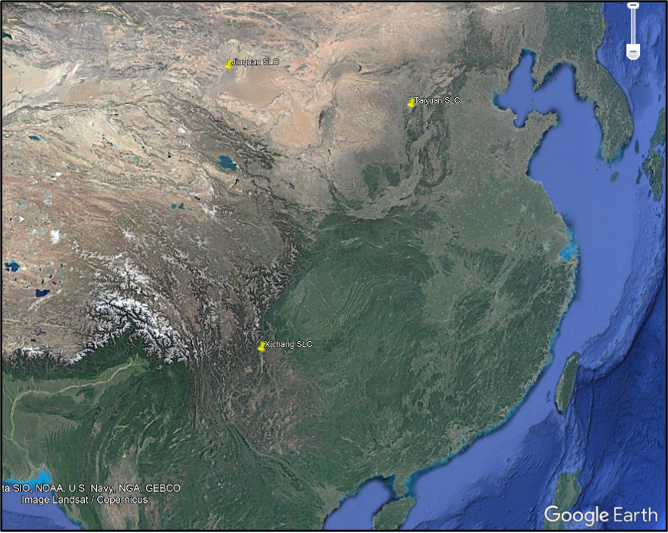 Fig 1: Legacy Satellite Launch Centres of China
The construction of China’s fourth Space Launch Centre at Wenchang, Hainan Province was approved by the State Council and the Central Military Commission of the People’s Republic of China on 22 September 2007. The Centre has been designed to support launch missions of China’s new-generation of liquid fuelled launch vehicles; the heavy load Long March-5/5B and the medium load Long March-7. Subsequently, it will even support the launch of the super heavy load Long March-9. The choice of Wenchang was governed by several factors, the predominant ones of which are as listed below: –
- The proximity to the equator (19° N) gives the launch vehicle a performance boost gained from the Earth’s rotational speed as well as the smaller inclination change manoeuvre needed to reach geosynchronous orbit. This effective reduces the amount of propellant required for the satellite’s manoeuvre from the transit orbit to GEO, thus increasing the service life of satellites.
- The coastal location of the launch complex allows the much larger rocket engine segments associated with heavy and super heavy lift launchers to be transported by ship from the China Aerospace Science and Technology Corporation (CASC) plant in Tianjin, where they are manufactured. In contrast, the earlier three SLCs can only receive such shipments by rail with has its associated size limitations.
- The launch vehicle can fly from the SLC in an easterly direction into the Pacific, avoiding the possibility of rocket debris falling into any populated area.
- Coastal locations are far better suited for using reusable rockets, particularly when recovery is done on a floating platform.
Work on the construction of the SLC at Wenchang commenced in 2009 and the station witnessed its inaugural rocket launch on 25 June 2016, with the successful launch of a Long March-7 rocket.
Facilities
When constructed, the SLC comprised of two Vehicle Assembly Buildings (VABs), ‘501’ for Long March-5/5B rockets and ‘502’ for Long March-7 rockets. The buildings are similar in design with minor differences in height, ‘501’ being 99.4 m and ‘502’ being 96.6 m in height. Once fully assembled and made ready for launch, rockets are transported vertically to their respective launch pads (‘101’ for Long March-5/5B and ‘201’ for Long March-7) on Mobile Launch Platforms (MLPs) that run for a distance of about 2,800 m on 20 m wide rails. This process is understood to take about three hours. The launch pads comprise of a fixed umbilical tower, underground flame deflector trenches with ducts, and four lightning rods.
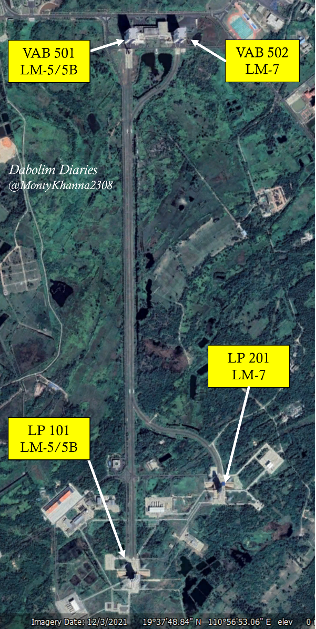 Fig 2: Layout of Wenchang Satellite Launch Centre (WSLC)
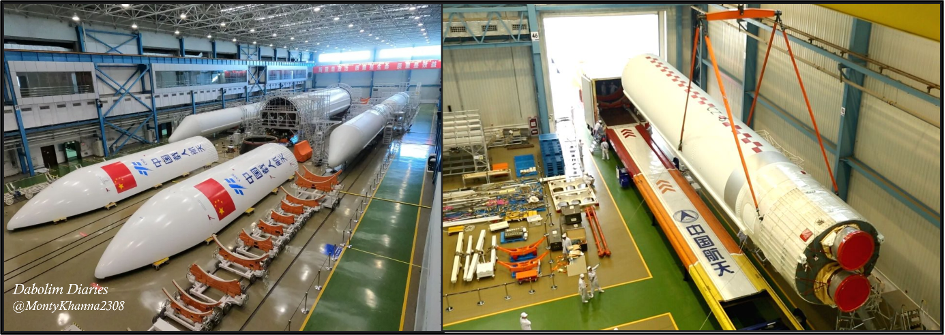
The rockets themselves are made by China Aerospace Science and Technology Corporation (CASC) at their facilities located in the new space industry compound, Tianjin Industrialization Base, Tianjin. The production of components, assembly and testing of the rockets are all undertaken at this facility.
Fig 3: China Aerospace Science and Technology Corporation (CASC) Facilities, Tianjin
Once complete, the assemblies are put into large containers and are taken to Tianjin port from where they are shipped to Qinglan, Hainan using two specially designed ships; Yuan Wang 21 and Yuan Wang 22. Qinglan is located 16 km southwest of Wenchang SLC and was selected as the point of disembarkation as the SLC does not have a dedicated harbour of its own. To facilitate its use for handling over-sized cargo, the jetty at the harbour was refurbished and the road from the waterfront to WSLC was widened and its curvatures adjusted.
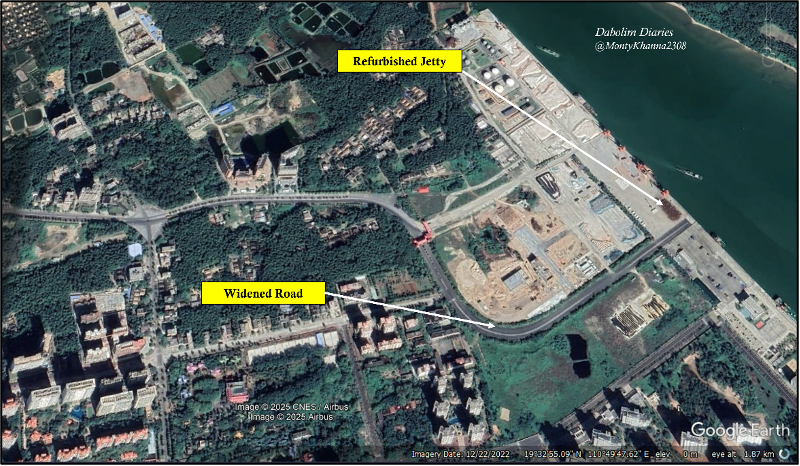 Fig 4: Modifications Undertaken at Qinglan Harbour, Hainan
Rocket Transportation Ships
Rocket transportation ships Yuan Wang 21 and Yuan Wang 22 were designed by the 708 Research Institute and built by Jiangnan Shipyard. Construction of Yuan Wang 21 commenced on 1 April 2012 and the ship entered service on 06 May 2013. Yuan Wang 22, a ship built to the same design entered service in 2024. These are China’s first ships made exclusively to transport rockets. The vessels have a length of 130 meters, beam of 19 meters and draught of 5.8 m. They displace 9,080 tonnes and are equipped with two 120-tonne cranes for handling cargo. Because the launch vehicle’s requirements for temperature, humidity, and overload acceleration are stringent, the vessels are fitted with stabilisers and robust environmental control systems in their cargo holds.
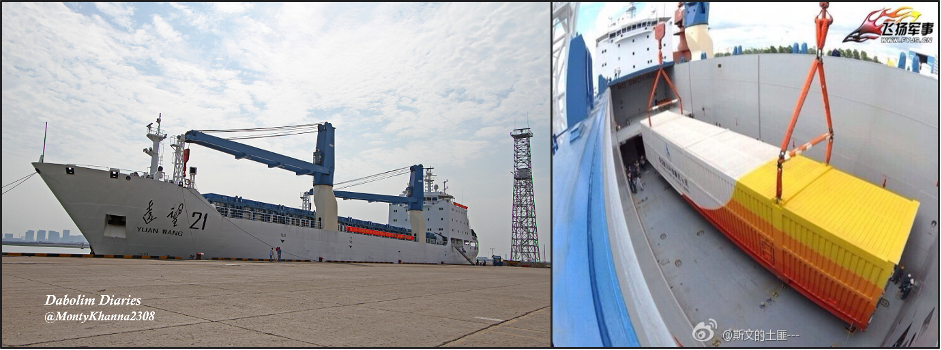 Fig 5: Rocket Transportation Ship Yuan Wang 21 (Left) Loading Cargo (Right)
The ships are home-ported at Jiangyin with the rest of the Yuan Wang fleet and they remain berthed there when not in use.
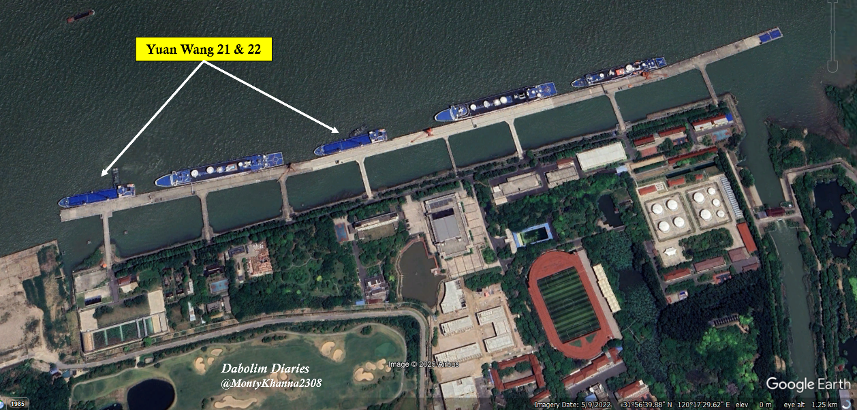 Fig 6: Yuan Wang 21 & 22 Berthed at Jiangyin
Expansion of WSLC
Expansion of the WSLC commenced in mid-2022 and is currently ongoing. The augmentation of facilities includes the construction of a new VAB which unlike the first two, has two bays within it for the stacking and assembly of rockets.
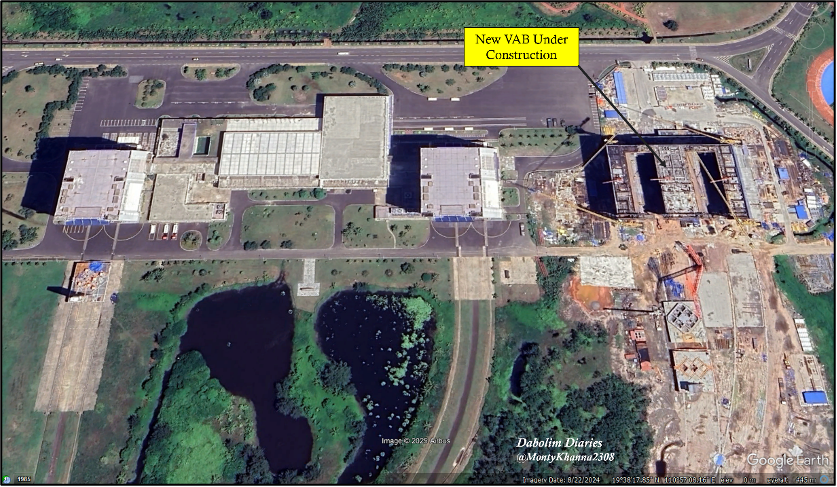 Fig 7: New VAB Under Construction at WSLC
There is also a new larger VAB along with a launch pad and associated rail transfer system under construction west of the original facilities. It is assessed that this will be for the super-heavy Long March-9 rockets.
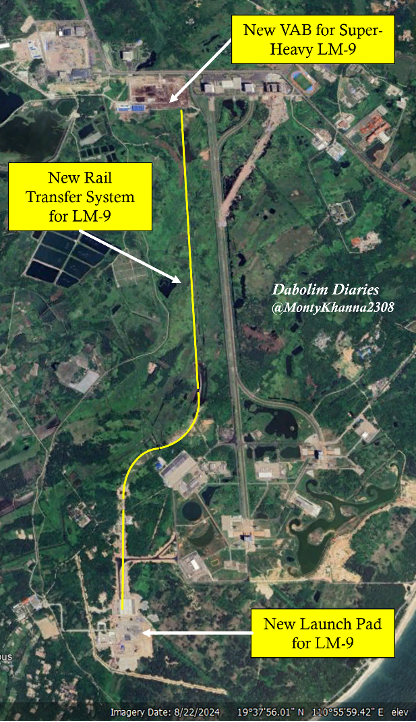 Fig 8: Launch Infrastructure for Long March-9 Under Construction at WSLC
Wenchang International Aerospace City
China’s first commercial spacecraft launch site, the Wenchang International Aerospace City operated by Hainan International Commercial Aerospace Launch Company, Ltd. (HICAL), a joint venture between the Hainan provincial government, the China Aerospace Science and Technology Corporation (CASC), the China Aerospace Science and Industry Corporation (CASIC), and the China Satellite Network Group Company Ltd., has been constructed adjacent to WSLC.
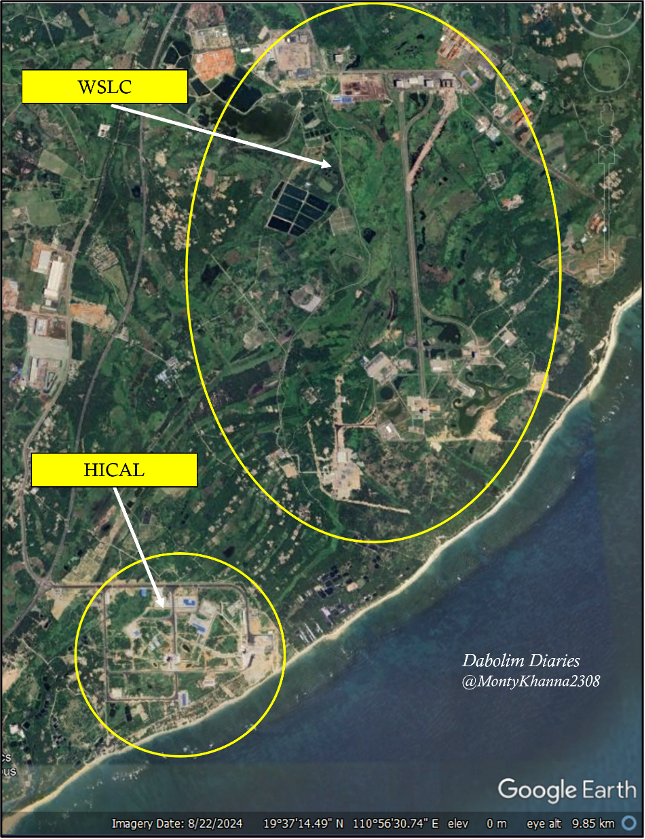 Fig 9: Location of Wenchang International Aerospace City Operated by HICAL
The facility has come up within a very short span of time with construction having commenced in Jul 2022 and the launch of the first rocket from the site, a Long March-12, taking place on 30 Nov 2024. It currently incorporates two launch pads for liquid fuelled rockets, with LP No 1, designed for China’s new generation medium-lift carrier rockets, having been completed in December 2023, and LP No 2 designed for the launch of commercial rockets of various diameters, having been completed in June 2024. The site will also soon include two launch pads for solid fuelled rockets.
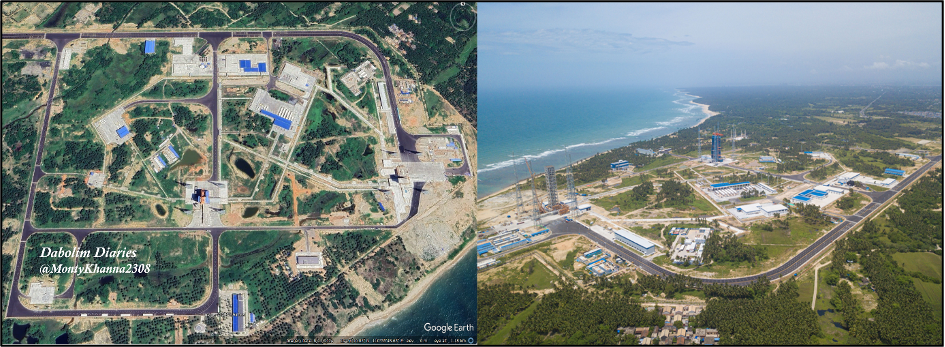 Fig 10: Lay Out of Wenchang International Aerospace City
Assessment
The launch facilities at WSLC and the co-located Wenchang International Aerospace City operated by HICAL are expanding rapidly. They will soon eclipse all launch activities conducted by the other three SLCs, some of which may consequently be closed down. As the number of launches done from Wenchang increases, the two rocket transportation ships Yuan Wang 21 & 22 may soon be inadequate and will have to be augmented by more vessels for this task.


Leave a Reply
Want to join the discussion?Feel free to contribute!